
How To
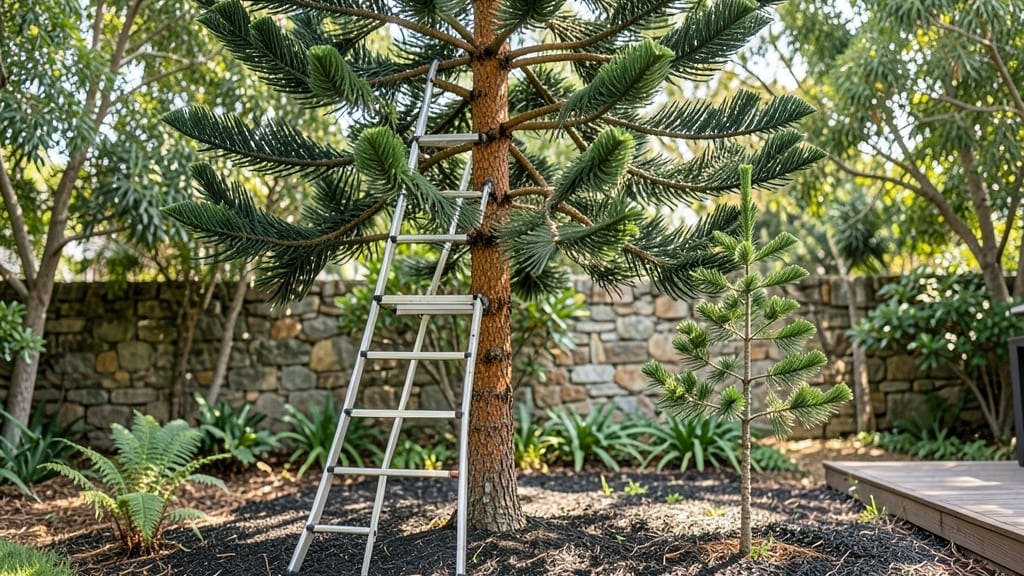
A Christmas tree 🎄 can grow anywhere from 3 feet to over 60 feet tall, depending on the species and growing conditions—so yes, your backyard could one day host a towering giant.
Ever wondered if your Christmas tree could one day tower over your house—or even the neighborhood? The height of a Christmas tree depends on its species, growing conditions, and whether it's nurtured for holiday cheer or left to reach its natural potential.
Some varieties, like the Noble fir or Douglas fir, can soar to 60 feet or more with the right care, while dwarf types stay under 6 feet.
But before you dream of a treehouse in the branches, there are key factors—like soil, sunlight, and spacing—that determine how tall yours will grow.
In this guide, I’ll break down the tallest Christmas tree species, how long they take to reach their full height, and whether you can grow one at home without sacrificing your yard for a skyscraper.


Christmas tree height by species: tallest varieties and their growth potential
If you've ever dreamed of a Christmas tree that could shade your entire backyard—or even rival the tallest trees in your neighborhood—you're in the right place. Some Christmas tree species grow over 60 feet tall under ideal conditions, while others stay compact enough for small gardens.
The key difference lies in the species, growing environment, and whether the tree is cultivated for ornamental height or holiday sales.
Most Christmas trees sold for holiday decor are 5-7 feet tall at harvest, but their natural potential is far greater. For example, a Noble fir left unpruned in a forest can reach 80-100 feet, while a Douglas fir might grow even taller.
The record for the tallest Christmas tree ever grown belongs to a Douglas fir in Washington State, standing at 221 feet—taller than a 20-story building!
Below, I’ve broken down the tallest Christmas tree species and their growth potential, including dwarf and semi-dwarf varieties perfect for home gardens. Whether you're a landscaper, homesteader, or just curious about nature’s giants, this guide will help you understand what’s possible.
| Species | Max Height (Ft) | Growth Rate (Ft/Year) | Dwarf Varieties | Record Height |
|---|---|---|---|---|
| Douglas Fir | 80-100+ | 2-3 | Dwarf Blue Douglas Fir (10-15 ft) | 221 ft (Washington State) |
| Noble Fir | 70-90 | 1.5-2.5 | None (no true dwarf) | 120 ft (Oregon) |
| Fraser Fir | 50-70 | 1-2 | Mini Fraser Fir (5-6 ft) | 85 ft (North Carolina) |
| Grand Fir | 60-80 | 1.5-2 | Dwarf Blue Grand Fir (8-10 ft) | 100 ft (Colorado) |
| Scotch Pine | 50-70 | 1-1.5 | Dwarf Scotch Pine (6-8 ft) | 90 ft (Scotland) |
| Blue Spruce | 40-60 | 1-1.5 | Globe Blue Spruce (3-5 ft) | 70 ft (Colorado) |
*Record heights achieved in ideal forest conditions. Home-grown trees will not reach these heights.
The Douglas fir is the undisputed champion of Christmas tree height, capable of reaching 100+ feet in its natural habitat. In the wild, these trees grow 2-3 feet per year under perfect conditions, but even in managed forests, they can still surpass 80 feet.
If you're dreaming of a backyard giant, this species is your best bet—but be prepared for years of patience and plenty of space!
For those with smaller yards, dwarf varieties like the Dwarf Blue Douglas Fir or Globe Blue Spruce are excellent choices. These stay under 15 feet tall, making them perfect for container gardening or as focal points in landscaped areas.
Just remember: even dwarf varieties need full sun and well-draining soil to thrive.
If you're considering growing a Christmas tree for long-term height potential, the Noble fir is another top contender. While it grows slightly slower than a Douglas fir, it’s prized for its fragrant needles and durable branches, making it a favorite for holiday displays.
In the wild, Noble firs can live for hundreds of years, though their growth rate slows significantly after 50 years.
One common misconception is that all Christmas trees grow at the same rate. In reality, container-grown trees (like those sold at nurseries) grow 30-50% slower than field-grown trees because their roots are restricted.
If you want a taller tree faster, planting a bare-root sapling in a spacious, sunny area is your best bet. Just ensure the soil is acidic (pH 4.5-6.0), as most firs and pines prefer this range.
For home gardeners, pruning young trees can influence height. If you want a shorter, bushier tree, prune the top 1-2 feet
How long does it take for a Christmas tree to reach maximum height?
If you've ever dreamed of growing your own Christmas tree, you're probably wondering how long it takes to reach that majestic, towering height. The answer varies dramatically by species, growing conditions, and whether you're nurturing it in a container or in the ground.
Some varieties reach their full height in just 10-15 years, while others take 30 years or more to reach their natural maximum. The key factors are species genetics, soil quality, and sunlight exposure.
For most popular Christmas tree species like Douglas fir or Fraser fir, expect a 10-15 year timeline to reach their mature height of 30-60 feet. However, dwarf varieties like the Dwarf Alberta Spruce can reach their 3-6 foot maximum in just 5-7 years.
Understanding these timelines helps you plan whether to grow a tree for holiday use or as a long-term landscape feature.
| Species | Mature Height | Time to Reach Height | Growth Rate |
|---|---|---|---|
| Douglas Fir | 60-70 ft | 15-20 years | Fast |
| Fraser Fir | 50-60 ft | 12-15 years | Moderate |
| Noble Fir | 40-50 ft | 10-14 years | Fast |
| Dwarf Alberta Spruce | 3-6 ft | 5-7 years | Slow |
| Semi-Dwarf Norway Spruce | 10-15 ft | 8-10 years | Moderate |
Container-grown Christmas trees grow significantly slower than field-grown ones due to root restriction and limited soil volume. A container-grown Fraser fir might take 2-3 years longer to reach the same height as one planted directly in the ground. This is because roots can't expand freely, limiting nutrient and water uptake.
If you're growing a tree in a pot, choose a large container (at least 18 inches wide) and upgrade it every 2-3 years to accommodate root growth.
Sunlight is another critical factor. Christmas trees need full sun exposure (6+ hours daily) to reach their maximum height. In shady conditions, growth can be 30-50% slower. For example, a Douglas fir in partial shade might only reach 40 feet instead of its potential 70 feet.
Additionally, well-draining, acidic soil (pH 4.5-6.0) promotes faster growth. Amending your soil with pine bark fines or peat moss can help create the ideal environment.
Watering also plays a crucial role. Young trees need deep watering 2-3 times per week during their first year, while established trees require 1-2 inches of water weekly. Overwatering or underwatering can stunt growth.
For instance, a Noble fir in drought conditions might only grow 1-2 feet per year instead of the usual 2-3 feet. Mulching around the base with organic matter helps retain moisture and encourages steady growth.
Pruning young trees can also influence height. Removing lower branches early on encourages a straighter trunk and faster upward growth. However, avoid heavy pruning once the tree is mature, as it can stress the tree and reduce its ornamental value.
If you're growing a Christmas tree for holiday use, consider planting a semi-dwarf variety, which reaches a manageable height of 10-15 feet in 8-10 years, making it easier to harvest and decorate.
In summary, the time it takes for a Christmas tree to reach its maximum height depends on its species, growing conditions, and whether it's container-grown or field-grown.
With the right care—full sun, well-draining soil, and consistent watering—you can nurture a tree that will bring holiday cheer for decades to come. 🌲