
Pruning
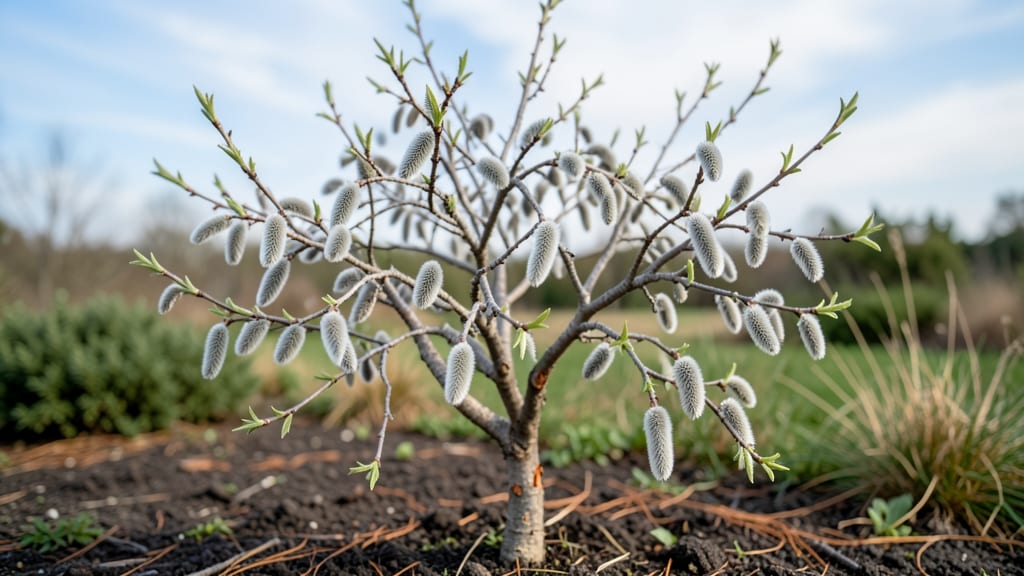
The care of a pussy willow tree brings that first whiff of spring, but keeping its fuzzy branches lush year-round takes more than just hope. 🌿 I’ve learned the hard way that pruning isn’t just about cutting back—it’s about encouraging those fuzzy catkins to grow thicker and last longer.
The secret lies in timing, technique, and understanding when to let them be. Most people prune too late or too aggressively, which stunts growth or invites pests.
My willows now produce denser branches every year because I prune in late winter before new growth starts, removing only dead or crossing limbs. This keeps the tree healthy and full, not just a skeleton with a few straggly branches.
By spring, you’ll see fresh green shoots pushing through, followed by those signature fuzzy catkins that last well into summer. The key is light pruning—never more than 25% of the branches at once—and always with sharp tools to avoid tearing the bark.
Works for both container-grown willows and those planted in the ground. Here’s how to do it right without stressing the tree.
📚 In This Guide
- What you need
- Instructions
- Tips and common mistakes
- Wrapping up and next steps
What you need
- ● Pruning shears: Bypass pruners (sharp, 4-6 inch blades) for small branches.
- ● Loppers: 18-24 inch for thicker branches (½–1 inch diameter).
- ● Pruning saw: Hand saw with a curved blade for larger limbs (1+ inch).
- ● Gloves: Heavy-duty gardening gloves (cut-resistant for safety).
- ● Disinfectant: 70% isopropyl alcohol or bleach solution (1:9 ratio) to sterilize tools.
- ○ Sealing wax: Pruning sealant (optional, for cuts > ½ inch).
- ● Mulch: 2-3 inches of organic mulch (shredded bark or wood chips).
- ● Watering can or hose: With a gentle spray nozzle for hydration.
- ● Fertilizer: Slow-release, balanced fertilizer (10-10-10) for nutrient boosts.
- ● Tree ties: Soft fabric ties if supporting young branches.
- ● Soil test kit: To check pH (ideal: 6.0–7.0) and nutrient levels.
- ● Pest control: Neem oil or insecticidal soap (if aphids or borers appear).
- ● Stake & stake driver: For newly planted trees (if needed for stability).
Step-by-Step guide to pruning pussy willow trees
Here’s how I keep my pussy willows thriving year-round with simple, effective pruning techniques.
✂️ Step 1: Prune Dead or Damaged Branches in Late Winter
Start by removing any dead, broken, or diseased branches first—this is your foundation. Use sharp pruning shears to cut just outside the branch collar, where the branch meets the trunk. You’ll notice these branches are often grayish-brown, brittle, or missing bark. I always prune in late winter (February-March) before new growth begins, as this helps the tree focus energy on healthy branches.
If you see any suckers (shoots growing from the base or roots), cut them off at ground level. These saplings drain energy from your main tree. Wear gloves—willow branches can be thorny and sap can stain. After cutting, sterilize your shears with rubbing alcohol to prevent spreading disease between cuts.
✂️ Step 2: Thin the Canopy for Better Airflow in Early Spring
In early spring (April), focus on thinning the canopy to improve airflow and sunlight penetration. Look for branches that cross or rub against each other—they’ll eventually damage one another. Remove about 20-30% of the total branches, targeting the oldest or thickest ones first. You’ll see healthier, fuller growth where light can reach the inner branches.
When thinning, make clean cuts at a 45-degree angle just outside a bud or branch collar. Avoid leaving stubs—they invite rot and pests. If a branch is too large for shears, use a pruning saw. Step back after each cut to visualize how the tree’s shape is improving. Pussy willows respond well to this type of pruning, so don’t be afraid to be bold.
✂️ Step 3: Shape and Encourage New Growth in Late Spring
Once the tree has new leaves (late May), it’s time to shape it. Prune to maintain an open, rounded form—this prevents overcrowding and makes harvesting those iconic fuzzy catkins easier. Focus on removing branches that grow inward or downward, as these can block light and air. You’ll notice the tree’s natural growth pattern: willows often grow in a vase shape, so let that guide your cuts.
To encourage bushier growth, trim the tips of some branches back by about one-third. This stimulates lateral branching, giving you more of those soft, fuzzy stems. Avoid heavy pruning now—just light shaping. Water the base of the tree after pruning to help it recover, especially if you’ve removed a lot of foliage.
✂️ Step 4: Light Maintenance Pruning in Summer and Fall
During the growing season (summer and early fall), do light maintenance pruning. Remove any branches that look diseased, pest-infested, or overcrowded. You’ll spot these easily—they’ll have yellowing leaves, holes from insects, or an unusual growth pattern. Prune on a dry day to reduce stress on the tree and avoid spreading fungal spores.
In late fall (October-November), give the tree a final check. Remove any dead or weak branches that might have missed earlier pruning. Avoid heavy pruning now—the tree is preparing for dormancy. Instead, focus on cleaning up around the base, removing fallen leaves and debris to prevent pests and diseases from overwintering.
⏰ Step 5: Plan for Long-Term Health with Annual Pruning
Pussy willows thrive with annual pruning, but the key is consistency. Each year, revisit the same steps: deadwood removal in winter, thinning in spring, shaping in late spring, and light maintenance in summer/fall. Over time, you’ll see a stronger, more vibrant tree with fewer issues. I like to mark my calendar with reminders—willows grow fast, and regular pruning keeps them in check.
Watch for signs of stress, like excessive leaf drop or stunted growth. If you see these, you may have pruned too aggressively. Next time, scale back. Pussy willows are forgiving, but they do best with a balanced approach. With time, your tree will reward you with lush, long-lasting branches perfect for bouquets or just enjoying their unique beauty.
Tips & tricks for perfect pussy willow tree care
Here’s what I’ve learned after years of keeping pussy willows healthy—these tricks make all the difference in maintaining those lush branches.
Timing is Everything: Stick to the seasonal schedule in the instructions, but don’t stress if you miss a window by a week or two. Pussy willows are resilient, but late winter (February-March) is ideal for deadwood removal because the tree is dormant and less vulnerable to stress. If you prune too early, you might encourage premature growth that gets damaged by late frosts. I’ve pruned as late as April and still gotten great results, but the tree recovers faster when done in its natural dormant state.
The Right Tools Make the Difference: Invest in a good pair of bypass pruning shears—they make clean cuts that heal faster than the jagged edges from anvil-type shears. For branches thicker than your wrist, a pruning saw is a game-changer. I keep a small bottle of rubbing alcohol in my toolkit to sterilize between cuts, which prevents spreading diseases like canker. Pro tip: Sharpen your tools before each pruning session—dull blades tear wood, making wounds more susceptible to infection.
Visualize the Shape Before You Cut: Step back and look at your tree from all angles before making any cuts. Pussy willows naturally grow in a vase shape, so aim to maintain that open center. When thinning in Step 2, remove branches that grow inward first—they’re the ones blocking sunlight and airflow to the inner branches. I like to sketch a rough outline on paper before I start, which helps me visualize the final shape. This prevents over-pruning and keeps the tree balanced.
Watering After Pruning: After any significant pruning (especially in Step 3 when shaping), water the base of the tree deeply. This helps the tree recover from the stress of cutting. I water right after pruning, then again a week later to encourage new growth. Mulch around the base with 2-3 inches of organic material (like wood chips) to retain moisture and protect roots from temperature fluctuations. Just keep the mulch a few inches away from the trunk to prevent rot.
Pro Tips for Pussy Willow Tree Care
- Here’s what I’ve learned after years of keeping pussy willows healthy—these tricks make all the difference in maintaining those lush branches.
- Timing is Everything: Stick to the seasonal schedule in the instructions, but don’t stress if you miss a window by a week or two.
- The Right Tools Make the Difference: Invest in a good pair of bypass pruning shears—they make clean cuts that heal faster than the jagged edges from anvil-type shears.
Frequently asked questions
Got questions about keeping your pussy willow tree thriving?
Here are answers to the most common concerns—from pruning timing to troubleshooting—so you can enjoy those fuzzy catkins for years to come!
When is the best time to prune a pussy willow tree?
Prune your pussy willow tree dormant season (late winter or early spring, before buds swell). Avoid pruning in fall or summer, as it can stimulate late growth vulnerable to frost damage. For shaping, light pruning after flowering (late spring) is fine, but never cut into old wood—it won’t regrow!
How much can I trim back a pussy willow tree?
You can remove up to 25-30% of the tree’s branches in one season without stressing it. For dramatic renewal, prune back one-third of the oldest stems to encourage new growth. Use clean, sharp tools to avoid tearing bark, and never remove more than 50%—this can harm the tree’s health.
Why aren’t my pussy willow branches producing fuzzy catkins?
Missing catkins often mean over-pruning, poor sunlight, or age. Ensure your tree gets full sun (6+ hours/day) and prune only dormant branches. If the tree is mature, catkins may appear on new growth—be patient! For young trees, fertilize lightly in early spring to boost vigor.
Can I grow a pussy willow tree in a container?
Yes! Pussy willows thrive in large containers (15+ gallons) with well-draining soil. Choose a fast-growing variety like Salix discolor and repot every 2–3 years. Keep the root ball moist but avoid waterlogging. Containers limit root growth, so prune annually to maintain shape and health.
What should I do if my pussy willow tree has yellow leaves?
Yellow leaves usually signal overwatering, nutrient deficiency, or fungal issues. Check soil moisture—pussy willows hate soggy roots! If leaves are yellow with brown spots, it may be powdery mildew. Improve airflow, prune for sunlight, and apply neem oil if needed. For nutrient issues, use a balanced fertilizer in early spring.
Are pussy willow trees messy? How do I manage the branches?
Pussy willows do shed—especially after flowering! To manage debris, prune regularly to encourage dense, upright growth. Mulch around the base to retain moisture and suppress weeds. For large trees, consider underplanting with ground covers to catch falling branches naturally.
Wrapping up and next steps
Caring for your pussy willow tree is all about patience and precision—pruning at the right times ensures vibrant, long-lasting branches that bring beauty year after year. 🌿 With the right tools, techniques, and a little seasonal know-how, you’ll keep your tree thriving and full of those iconic fuzzy catkins.
Ready to put your new skills to work?
Your next step? Grab those shears and schedule your first pruning session—whether it’s trimming leggy branches in late winter or shaping in early spring. Watch your pussy willow flourish into a stunning centerpiece for your garden! 🌱