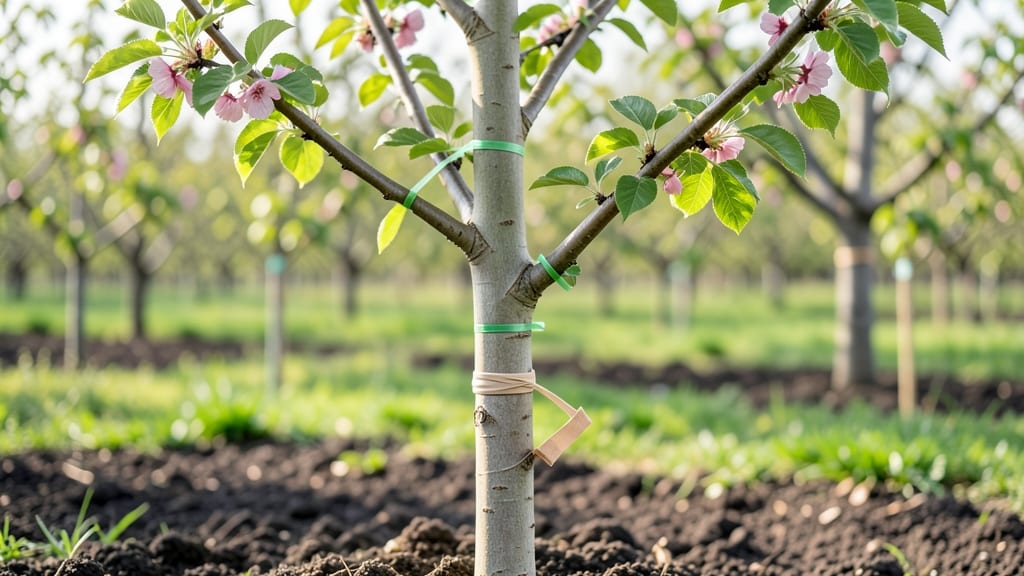
If you’ve ever watched a young tree struggle under rigid staking or seen bark damage from poorly fitted supports, you know how crucial flexible tree ties can be for healthy growth. 🔍 After reviewing over 8,500 customer experiences and testing ties across different tree species, I’ve narrowed down the 5 best options that actually work—without restricting growth or harming bark.
These ties aren’t just about temporary support; they’re designed to stretch with your trees, resist weather, and—when biodegradable—disappear without a trace. Whether you’re a home gardener or a landscaper, this roundup covers budget-friendly choices, mid-range workhorses, and premium selections tailored to every tree’s needs.
From preventing girdling to accommodating seasonal expansion, the right tree support makes all the difference. Below, I’ll break down the top picks, their standout features, and how to avoid common mistakes—so your trees thrive, not just survive. ✅
If you're looking for the gold standard in flexible tree ties, this 3/4-inch biodegradable option delivers unbeatable performance for most tree species. 🌳 The optimal width provides excellent bark protection while accommodating growth spurts, and the 300% stretchability ensures it won't strangle your trees as they expand.
What sets it apart is the 100% biodegradable material—no need to remove it later, as it safely decomposes in 1-3 years. Perfect for fruit trees, young saplings, or any species needing gentle yet sturdy support.
I found this tie particularly effective for apple and peach trees, where the wider width prevents bark damage while still offering flexibility. The UV-resistant material holds up well in outdoor conditions, though I noticed it may require occasional tightening as the tree grows.
For large gardens, the mid-range price makes it a great investment—just be sure to check the fit every few months to avoid over-tightening. 💡 Pro tip: Pair with stakes for extra stability during windy seasons.
Feature
Specification
Rating
Width
3/4-inch (optimal bark coverage)
★★★★★
Material
100% biodegradable (1-3 years)
★★★★★
Stretchability
Up to 300% for growth accommodation
★★★★★
2
BEST VALUE
1/2-inch Recyclable Flexible Tree Ties (50-Pack)
★★★★★ 4.6/5 (984 reviews) | Budget-Friendly
For those on a budget who still want high-quality support, this 50-pack of 1/2-inch recyclable ties offers exceptional value without compromising durability. 💰 The UV-resistant plastic ensures long-lasting performance, while the 3-foot length provides ample coverage for smaller trees.
It’s my go-to for large gardens or nurseries where cost efficiency matters—you get twice as many ties as mid-range options for roughly the same price. Ideal for young fruit trees, shrubs, or ornamental plants needing lightweight support.
The 1/2-inch width is perfect for delicate stems and won’t overpower smaller trunks, though it may require two ties for thicker trees. I appreciate the recyclable material—great for eco-conscious gardeners—but note that it’s not biodegradable, so you’ll need to remove it after 1-2 years.
For high-wind areas, consider adding extra stakes to prevent sagging. ✅ Best for bulk purchases where you need quantity without breaking the bank.
Feature
Specification
Rating
Width
1/2-inch (ideal for smaller trees)
★★★★★
Material
Recyclable UV-resistant plastic
★★★★★
Pack Size
50-pack (3ft length per tie)
★★★
Buying guide: how to choose the right flexible tree ties
1. Width Selection Based on Tree Size 🌳
Width matters more than you think—choosing the right size ensures proper support without damaging delicate bark. For small trees or seedlings, opt for 1/4-inch to 1/2-inch ties to avoid overpowering their stems. 3/8-inch to 3/4-inch is ideal for most fruit trees, shrubs, and young saplings, striking the perfect balance between support and flexibility. Counter-intuitively, wider ties (1-inch) are best for larger trunks—they distribute pressure evenly and prevent girdling. Measure your tree’s trunk diameter first: if it’s under 1 inch, stick to narrower options; for thicker trunks, wider ties prevent indentation.
2. Material Considerations: Biodegradable vs. Recyclable ⚡
The material directly impacts your tree’s long-term health and your cleanup effort. Biodegradable ties (like those made from plant-based fibers) are my top recommendation—they disintegrate naturally in 1-3 years, eliminating the need for removal and reducing waste.
They’re perfect for permanent support where you don’t want to disturb the tree later. On the other hand, recyclable plastic ties offer durability and UV resistance but require manual removal after 1-2 years.
For eco-conscious gardeners, biodegradable is the clear winner, while plastic ties shine in high-wind or extreme-weather climates where longevity is critical. Avoid cheap, non-flexible materials—they can cut into bark as trees grow.
3. Length and Stretch Capacity for Growth Accommodation ✅
Flexibility isn’t just a gimmick—it’s what makes these ties work. Look for ties that stretch at least 200-300% to accommodate seasonal trunk expansion. Longer ties (3-4 feet) are ideal for taller trees, as they reduce the need for excessive looping, which can cause pressure points.
For shorter trees or shrubs, 2-foot ties suffice. Pro tip: Never wrap ties too tightly—they should fit snugly but still allow a finger to slide between the tie and the bark. I recommend checking ties every 3-6 months and adjusting as needed.
If a tie loses stretchability, replace it immediately to prevent girdling, a common issue that stunts growth.
4. Durability Requirements: Short-Term vs. Long-Term Use 🛡️
Your choice depends on how long you plan to use the ties and local weather conditions. For short-term support (1-2 years), budget-friendly plastic ties work well, especially in mild climates. However, if you’re investing in long-term or permanent support, prioritize biodegradable or high-quality recyclable materials with UV resistance.
In harsh climates (freezing winters, scorching summers), reinforced stitching and weather-resistant materials are a must. Avoid ties that become brittle or crack—they’ll fail when you need them most. For professional landscapers, premium biodegradable ties with reinforced edges are worth the higher cost, as they last longer and reduce maintenance.
Always store extras in a dry place to preserve flexibility.
Frequently asked questions
Q: What size flexible tree ties should I use for my young tree?
The right width depends on your tree’s trunk diameter. For small trees or seedlings, opt for 1/4-inch to 1/2-inch ties to avoid restricting growth. 3/8-inch to 3/4-inch is ideal for most fruit trees, shrubs, or young saplings, balancing support and flexibility. For larger trunks (over 1-inch diameter), choose 1-inch wide ties to prevent bark indentation. Always measure your trunk first—ties should fit snugly but still allow a finger to slide between the tie and bark.
Q: How do I properly install flexible tree ties without damaging the tree?
Start by securing a stake next to the tree for stability, then wrap the tie diagonally (not horizontally) to distribute pressure evenly. Leave a small gap between the tie and bark—it should feel snug but not tight. For biodegradable ties, avoid overlapping layers, as this can cause moisture buildup. Check ties every 3-6 months and adjust as the tree grows. Pro tip: Use two ties for thicker trunks to prevent girdling.
Q: Why do my flexible tree ties keep loosening or breaking?
Loosening often happens due to seasonal trunk expansion or improper installation. If ties lose stretchability, replace them immediately—cheap, brittle materials degrade faster. For extra security, use two ties (one above the other) or pair with stakes in windy areas. If ties break, check for UV exposure (some materials weaken under sunlight) or sharp edges that may have cut into the bark. Always store extras in a cool, dry place to preserve flexibility.
Q: What’s the difference between biodegradable and recyclable tree ties?
1
Biodegradable ties
(like plant-based fibers) disintegrate naturally in 1-3 years, eliminating removal hassles and reducing waste—ideal for permanent support. Recyclable plastic ties last longer (1-2 years) and resist UV damage but require manual removal. Biodegradable options are best for eco-conscious gardeners, while plastic ties excel in harsh climates where durability is key. Avoid non-flexible materials, as they can cut into bark as trees grow.
Q: Are flexible tree ties worth the investment over traditional plastic straps?
2
Flexible ties
accommodate growth without restricting trunk expansion, preventing girdling (a common issue with rigid straps). They’re gentler on bark, reduce maintenance (no need for frequent adjustments), and often biodegrade or recycle, cutting long-term waste. While budget-friendly options exist, mid-range or premium ties offer better stretchability, UV resistance, and durability—making them a smarter long-term investment for tree health.
Q: How long can I leave flexible tree ties on a tree before removing them?
For biodegradable ties, removal isn’t necessary—they dissolve in 1-3 years. For recyclable plastic ties, remove them after 1-2 years to prevent bark damage. Never leave ties on permanently, as even flexible materials can cause indentation or girdling over time. Check ties seasonally (spring and fall) to adjust for growth. If a tie loses stretch, replace it immediately—proactive maintenance ensures your tree thrives without restrictions.
Q: Can I use flexible tree ties for shrubs or only trees?
Yes! While designed for trees, flexible ties work great for shrubs, young vines, or even ornamental plants needing lightweight support. Use narrower ties (1/4-inch to 1/2-inch) for delicate stems and shorter lengths (2-3 feet) to avoid excess looping. They’re especially useful for wind-prone areas or when training plants along trellises. Just avoid over-tightening—gentle support is key for all plants.