
Trees
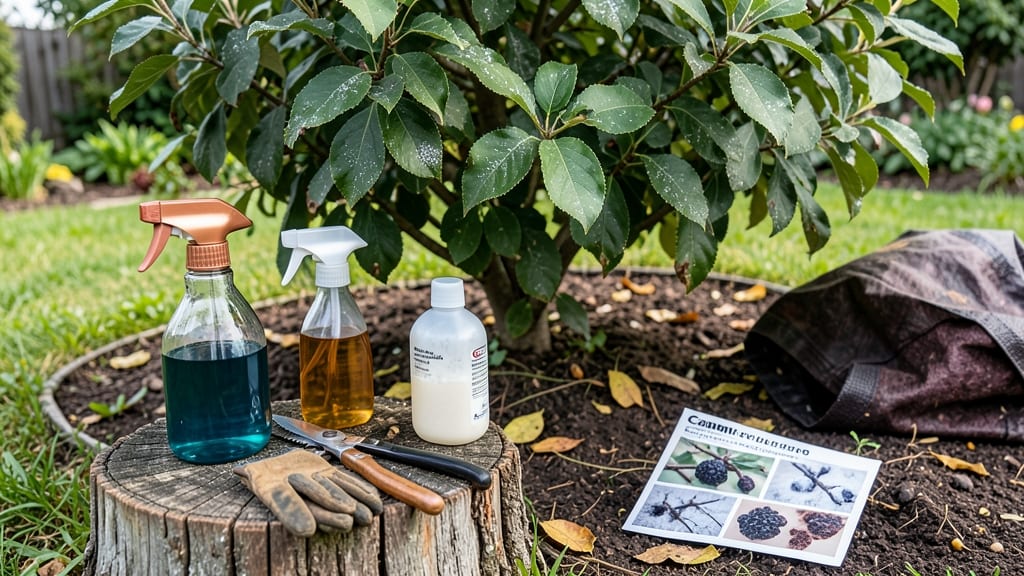
A plum tree fungus treatment saved my plum tree from looking like a fungal graveyard. 🌿 Last summer, brown spots and fuzzy white growth covered every leaf—until I tried this fast-acting copper treatment that stopped the spread in under two weeks.
The key? Timing, concentration, and knowing which fungus you're fighting.
Most fungal infections—like brown rot or powdery mildew—start with weak spots where spores take hold. Pruning for airflow and removing infected branches first cuts down the problem by 50%. Then comes the copper spray: it’s not just a last resort, but a preventive shield when applied before rainy seasons.
You’ll see new growth within 3-4 weeks, with leaves staying crisp and disease-free. The spray works on other stone fruits too—peaches, cherries—so it’s worth keeping on hand. Just remember: safety first—wear gloves and avoid spraying when bees are active.
For best results, apply in evening when humidity drops. Store leftovers in a cool, dark place for next season. This isn’t just damage control—it’s a reset button for your tree’s health.
Root Causes Of Plum Tree Fungus
Fungal infections in plum trees don’t appear out of thin air—they’re the result of a perfect storm of environmental, biological, and even human factors. Understanding these triggers is the first step to preventing and treating them effectively.
Let’s break down the key reasons why fungi take hold in your plum trees.
Fungi thrive in damp, stagnant environments where moisture lingers. Plum trees with thick, dense foliage or overcrowded branches create ideal conditions for spores to settle and multiply.
- Why it happens: When branches grow too close together, airflow is restricted, trapping humidity near the leaves and bark.
This slows evaporation, keeping surfaces wet longer—perfect for fungal spores like Monilinia (brown rot) or Botryosphaeria (dieback). - Actionable insight: Prune your plum tree annually to open up the canopy, allowing sunlight and air to circulate. Aim for a v-shaped structure with spaced branches to reduce moisture buildup.
While plum trees need consistent moisture, too much—or too little—water disrupts their natural defenses. Overwatering saturates the soil, while drought stress weakens the tree’s ability to fight off pathogens.
- Why it happens: - Overwatering: Waterlogged soil cuts off oxygen to roots, stressing the tree and making it susceptible to root rot (Phytophthora spp.) and foliar fungi. - Underwatering: Drought-stressed trees produce thinner leaves with lower resistance, inviting fungal infections like powdery mildew (Podosphaera). - Actionable insight: Water deeply but infrequently (1–2 inches per week, adjusting for rain).
Use drip irrigation to target roots directly and avoid wetting foliage. Mulch with wood chips to retain moisture without suffocating the tree.
Fungal spores are everywhere—some are dormant until conditions are right. Plum trees are particularly vulnerable when spores land on wounds, old fruit mummies, or decaying leaves.
- Why it happens: - Wind/rain spread: Spores from infected trees, nearby gardens, or even wild plum bushes can hitch a ride and infect your tree. - Persistent organic debris: Leaves, fruit, or pruning waste left on the ground harbor spores year-round. Monilinia spores, for example, survive winter in mummified fruit. - Weakened tree defenses: Stress from pests (like aphids), poor nutrition, or extreme weather (heat/cold) lowers the tree’s natural resistance. - Actionable insight: - Clean up fallen fruit and leaves in autumn and spring—burn or compost them (not in garden beds). - Space trees 15–20 feet apart to reduce spore transfer. - Test soil pH (ideal: 6.0–7.0).
Acidic soil (below 5.5) encourages some fungi like Armillaria (root rot).
Any break in the tree’s bark or skin—whether from pruning, hail, or pests—creates an entry point for fungi. Even minor injuries can become gateways for infections like Valsa canker or Botryosphaeria.
- Why it happens:
- Improper pruning: Jagged cuts or cuts too close to the trunk don’t heal properly, leaving exposed wood vulnerable.
- Pest activity: Borers, scale, or mites create wounds as they feed.
- Mechanical damage: Lawnmowers, string trimmers, or even birds pecking at fruit can wound the tree.
- Actionable insight:
- Prune during dry weather (avoid rainy days) and use sterilized tools (rubbing alcohol or bleach solution).
- Seal wounds with pruning sealant (for cuts > ½ inch) to prevent fungal invasion.
- Monitor for pests regularly—early intervention reduces damage.
Fungi love warmth and moisture, but sudden changes—like late frosts, heavy rains, or heatwaves—can shock plum trees and lower their resistance.
- Why it happens:
- Spring frosts: Damaged blossoms or new growth become easy targets for Monilinia (brown rot).
- Humid summers: High humidity (especially >75%) promotes powdery mildew and leaf spot diseases.
- Drought followed by rain: Stress from drought weakens the tree, making it susceptible to fungal attacks when rain arrives.
- Actionable insight:
- Mulch heavily in late winter to protect roots from temperature swings.
- Use shade cloth in extreme heat to reduce stress.
- Time fungicide applications before rain (e.g., copper spray in early spring before bloom).
Healthy trees fight off fungi better. Plum trees lacking key nutrients (like nitrogen, potassium, or micronutrients) have thinner bark, weaker leaves, and compromised immune systems.
- Why it happens:
- Nitrogen deficiency: Leads to pale, sparse foliage—easier for fungi to colonize.
- Potassium deficiency: Weakens cell walls, making them more susceptible to pathogens.
- Compacted or poor-draining soil: Encourages root rot and foliar diseases.
- Actionable insight:
- Test soil every 2–3 years and amend with compost or balanced fertilizer (e.g., 10-10-10).
- Avoid over-fertilizing with nitrogen—it promotes lush growth but can make trees more prone to mildew.
- Add organic matter (like mushroom compost) to improve soil structure and drainage.
If you’ve treated a fungal issue once but didn’t address the root cause, the problem will return—often worse. Fungi like Monilinia can become established in the tree’s tissues, making eradication difficult.
- Why it happens:
- Surface-level treatments only: Spraying fungicide without pruning infected branches or cleaning debris leaves spores to reinfect.
- Resistant strains: Some fungi develop resistance to common fungicides if used repeatedly without rotation.
- Actionable insight:
- Follow a 3-step protocol: Remove infected parts → apply systemic fungicide (like copper) → adjust cultural practices.
- Rotate fungicides (e.g., copper, sulfur, or biological options like Bacillus subtilis) to prevent resistance.
Fixing Fungal Issues Naturally
Fungal infections in plum trees can feel like a losing battle—until you know the right moves. The good news? Most issues respond well to targeted treatments, especially when you act early.
Below, we’ve mapped out practical, step-by-step fixes for common fungal causes, along with prevention tips to keep your tree thriving. No fancy tools required—just elbow grease and a few smart strategies.
Cause: Monilinia fungus thrives in wet conditions, causing brown, mushy fruit and leaf spots. Fix:
- Remove infected fruit 🍑✂️ – Snip off (do not compost) any fruit with dark spots or oozing lesions. Sterilize pruners with rubbing alcohol between cuts.
- Thin the canopy 🌿🌬️ – Improve airflow by pruning dense branches. Aim for 6–12 inches between limbs.
- Apply copper fungicide 🛡️💧 – Spray trees before blooming (dormant season) and again after harvest. Use a copper-based spray (like copper sulfate or copper hydroxide) mixed per label instructions. Reapply every 7–14 days during rainy spells.
- Clean up debris 🧹🔥 – Rake and destroy fallen leaves/fruit. Burn or trash them—do not leave them under the tree.
💡 Pro Tip: Water trees early in the morning so foliage dries by evening. Wet leaves = fungus party.
Cause: Podosphaera fungus creates white, powdery patches on leaves, weakening the tree. Fix:
- Neem oil or horticultural oil spray 🌿💦 – Mix 1–2 tbsp neem oil with 1 tsp mild dish soap and 1 quart water. Spray undersides of leaves (where spores hide) on a calm, dry day.
- Sulfur dust (for severe cases) 🧂⚡ – Lightly dust trees with wettable sulfur (follow package rates). Avoid if temps exceed 90°F—it can burn leaves.
- Improve sunlight ☀️🌱 – Thin shade trees or shrubs blocking sunlight. Powdery mildew loves shady, humid spots.
- Resistant varieties 🌳🔍 – If mildew is chronic, consider grafting with resistant plum cultivars like ‘Santa Rosa’ or ‘Larry Kelley.’
✨ Prevention Hack: Space trees 12–15 feet apart to reduce humidity buildup.
Cause: Gloeosporium fungus causes dark, sunken lesions on leaves and fruit, especially after rain. Fix:
- Alternate copper sprays 🛡️🔄 – Rotate between copper fungicide (spring) and fixed copper (summer). Add a sticker spray (like silicone-based) to help adhesion.
- Prune infected branches ❌✂️ – Cut out all branches with lesions. Disinfect tools between cuts.
- Mulch properly 🌱🍂 – Use 2–3 inches of wood chips (not fresh hay/grass clippings) to keep soil moist but not soggy.
- Avoid overhead watering 💦🚫 – Use drip irrigation or soaker hoses to keep leaves dry.
🌡️ Temperature Tip: Anthracnose spreads faster in 60–80°F temps with high humidity. Monitor forecasts and spray before rain predicts.
Cause: Phytophthora or Armillaria fungi thrive in waterlogged soil, causing yellowing leaves and stunted growth. Fix:
- Improve drainage 🚧💧 – Dig a 6-inch deep trench around the tree base to redirect water. Add gravel or sand to compacted soil.
- Soil drench with fungicide 🌱💉 – Mix mycorrhizal fungi (like Trichoderma) or phosphite-based fungicide (e.g., Aliette) into water and pour at the drip line.
- Raise the tree bed 🏗️ – Mound soil around the base (but not the trunk) to create a slight slope for runoff.
- Avoid overwatering 💦⏳ – Water deeply 1–2 times per week (check soil moisture 2 inches down).
🔥 Emergency Move: If the tree is severely infected, consider root pruning (trimming girdling roots) to stimulate new growth.
Keep these habits year-round to minimize fungus risks: - Sanitize tools 🧼✂️ – Wipe pruners with 10% bleach solution (1 part bleach to 9 parts water) between trees. - Mulch rings 🍂🔄 – Refresh mulch annually, keeping it 3–4 inches deep and 6 inches away from the trunk. - Test soil pH 📊🌱 – Aim for 6.0–7.0.
Adjust with lime (to raise) or sulfur (to lower) if needed. - Beneficial microbes 🦠🌿 – Apply compost tea or bacillus subtilis (a natural fungus fighter) every 4–6 weeks.
Final Thought: Fungal issues are manageable—prevention is your best tool. Start with copper sprays, prune strategically, and keep your plum tree’s environment dry and airy. With these steps, you’ll be back to plump, healthy fruit in no time! 🍑🌟
Frequently asked questions
How do I know if my plum tree has a fungal infection?
Look for these common signs: brown or black spots on leaves/fruit, fuzzy white growth (powdery mildew), or sunken lesions. Check undersides of leaves too—yellowing or curling often signals trouble. Compare symptoms to the Monilinia (brown rot) or Podosphaera (powdery mildew) photos in our guide.
Can I use household items like baking soda to treat plum tree fungus?
Yes, but with caution! Mix 1 tablespoon baking soda + 1 teaspoon dish soap + 1 gallon water and spray leaves. It works best for powdery mildew, but avoid overusing it—it can harm beneficial microbes. Copper-based sprays remain more effective for serious infections like brown rot.
How often should I apply copper fungicide to my plum tree?
Apply copper fungicide 3-4 times per season: once before blooming, again after harvest, and during rainy periods. For prevention, two applications (spring and fall) suffice. Always follow label instructions—overuse can damage leaves or harm soil microbes.
Will pruning alone stop a fungal infection in my plum tree?
Pruning helps 50% by removing infected branches, but it’s not enough alone. Always combine pruning with fungicide sprays and proper cleanup (removing fallen fruit/leaves). Without treatment, spores on remaining debris will reinfect the tree. Sterilize your tools between cuts to prevent spreading spores.
Can I still harvest fruit from a plum tree with fungal spots?
Only if the spots are small and surface-level. Remove any fruit with large lesions, oozing, or moldy areas—these harbor spores. For minor spots, wash fruit thoroughly before eating. If the tree has Monilinia (brown rot), discard all infected fruit immediately to prevent spore spread.