
Trees
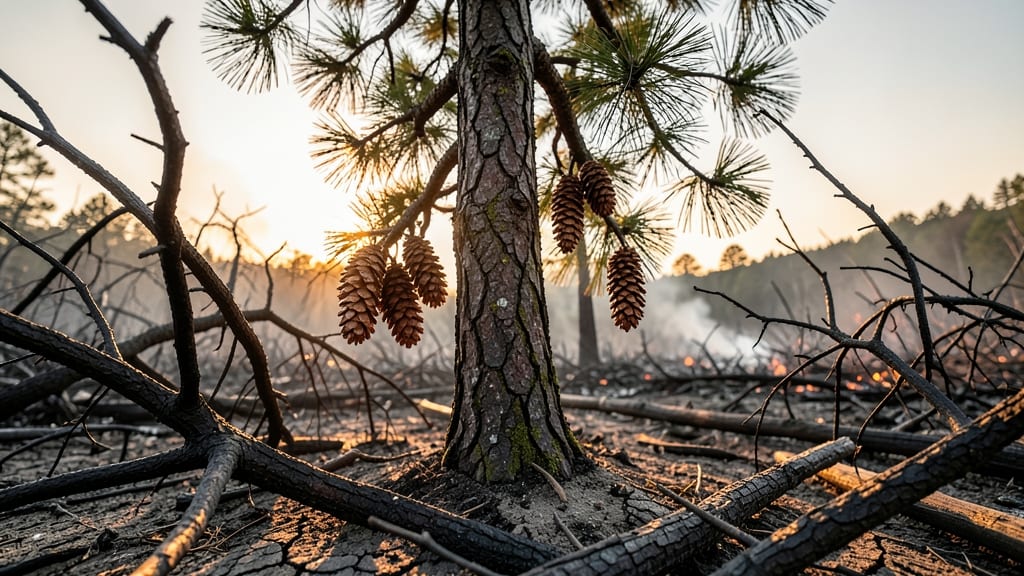
Struggling to identify the conifers in your yard? Pine cones reveal a tree’s identity faster than needles alone. These 10 native pine cone tree types help you match the perfect evergreen to your climate and landscape style—plus how their unique needle shapes set them apart.
Eastern White Pine Needles
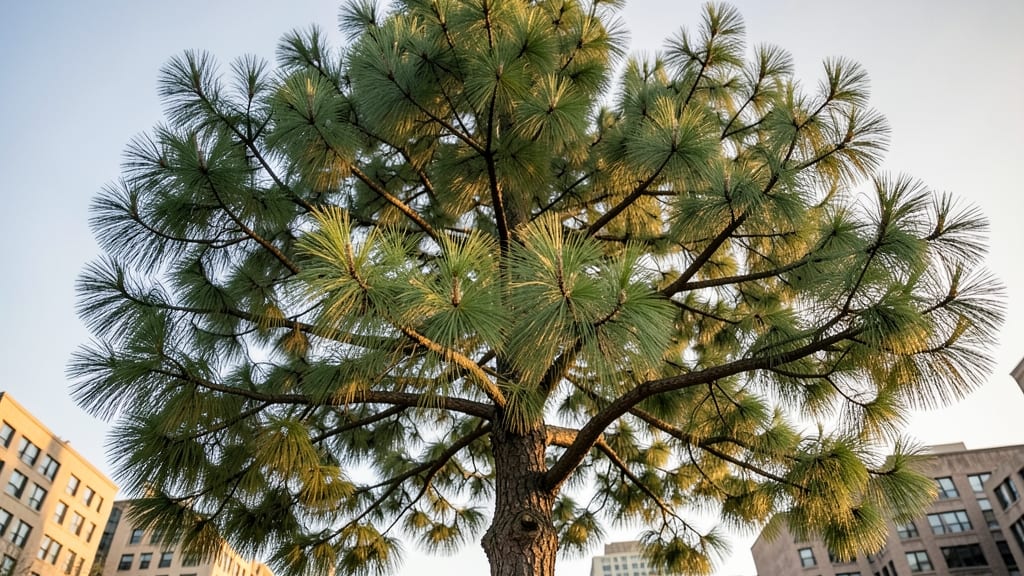
The Eastern White Pine (Pinus strobus) stands out in urban gardens with its signature soft, flexible five-needle clusters that sway gently in the breeze. These delicate bundles create a lush, feathery canopy perfect for filtering sunlight while providing shade, making it a top choice for city landscapes where space is limited but wildlife needs thrive.
This shade-loving tree thrives in USDA Zones 3-8 and tolerates a variety of soil types, including urban soils with some clay. Its wildlife magnet status comes from the seeds that feed birds like chickadees and finches, while the dense foliage offers shelter for smaller creatures. However, in dry climates, keep an eye out for pine needle scale, a sap-sucking pest that thrives in drought conditions—regularly inspect branches and treat with horticultural oil if needed.
Urban gardeners and bird enthusiasts will love this adaptable tree, which also doubles as a natural air purifier by filtering pollutants. Just plant it with enough space (30-40 feet wide) to avoid overcrowding. 🌱
Ponderosa Pine Seed Pods
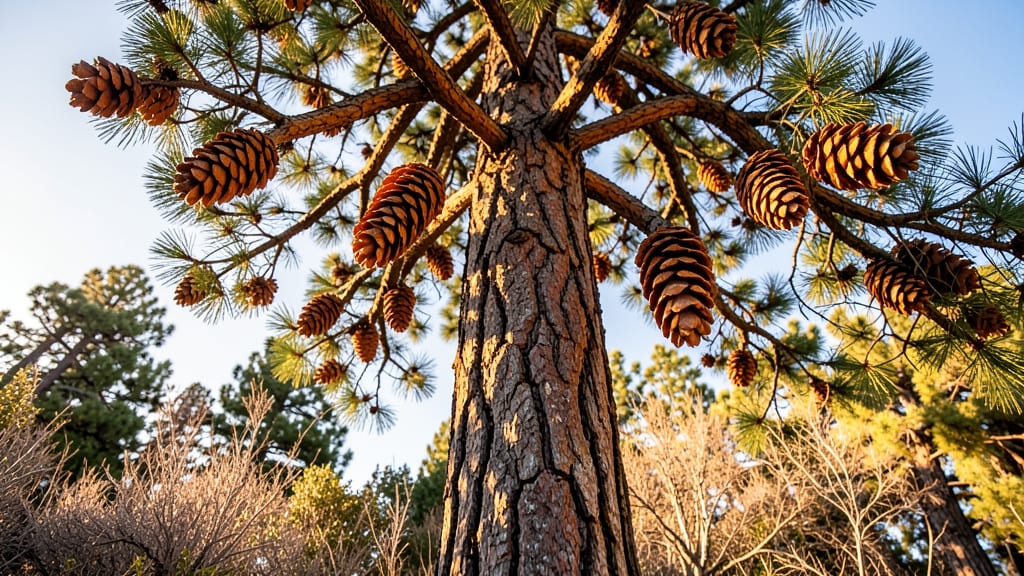
If you're dreaming of a fire-resistant landscape that smells like a forest after a rainstorm, the Ponderosa Pine is your star player. Its massive, papery cones (up to 20 inches long!) and thick, spicy-scented needles create a dramatic focal point in Western gardens, while its natural drought tolerance makes it a low-maintenance choice.
These trees thrive in full sun with well-drained soil—critical to prevent root rot, which is their Achilles' heel. The needles' resinous aroma deters pests, and the cones take 2-3 years to mature, offering year-round interest. Just avoid planting near structures, as falling cones can be heavy!
Perfect for homeowners in USDA Zones 4-8 who want a native, wildlife-friendly tree that adds height and texture. 🌟
Scots Pine Needle Clusters
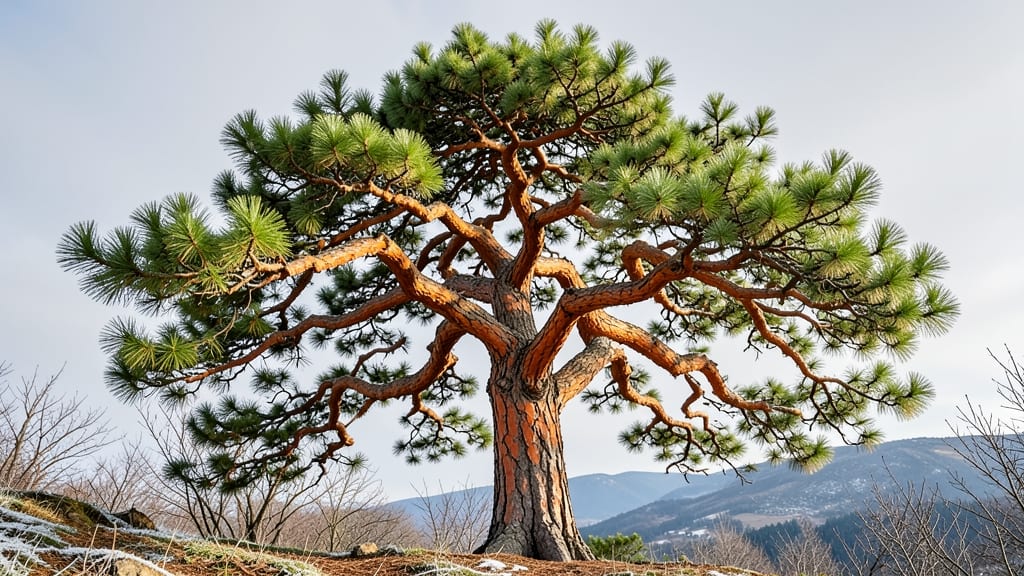
If you're looking for a pine tree that thrives in harsh conditions while adding a bold, architectural statement to your landscape, the Scots pine delivers. Its twisted branches and bright green two-needle clusters create a striking silhouette that stands out year-round, making it a favorite for cold-climate gardens.
This hardy tree excels in poor soils and cold climates, where it helps control erosion with its deep root system. Plant it on slopes or windy sites—it won’t complain. Just be vigilant about pine wilt disease, which spreads quickly in dense plantings. Prune lower branches to improve airflow and reduce humidity near the trunk.
Perfect for gardeners in USDA zones 3-7, the Scots pine is also a great choice for wildlife, offering shelter for birds and small mammals. Its rugged charm makes it ideal for rustic landscapes or as a focal point in large gardens. 🌟
Loblolly Pine Seed Cones
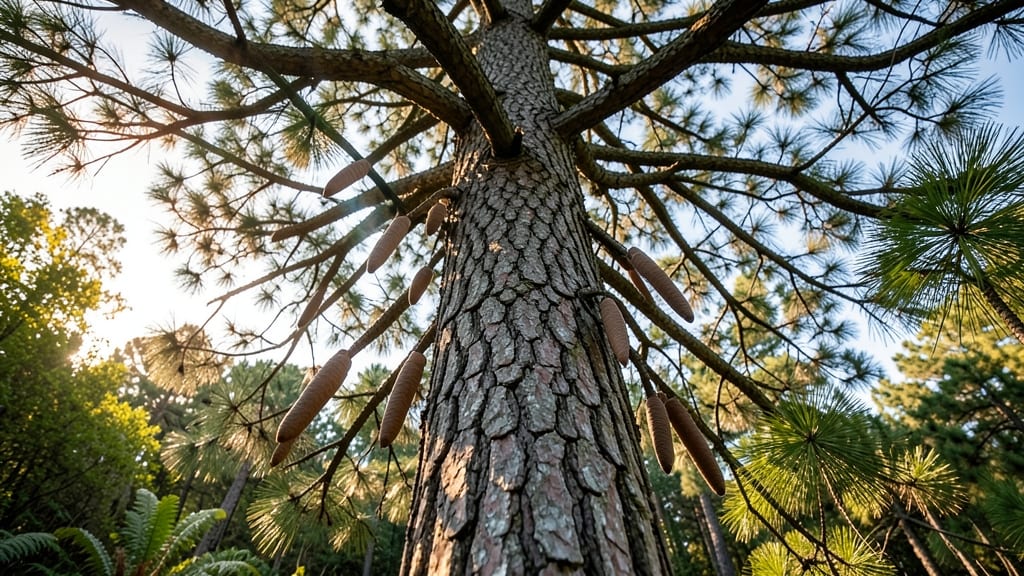
If you’ve ever spotted a loblolly pine in the South, you’ve seen its signature long, slender cones and three-needle bundles—a fast-growing tree that’s a timber industry staple but needs your attention to thrive. These trees grow aggressively in warm climates, reaching heights of 60-80 feet with a straight trunk perfect for lumber, but their rapid growth makes them vulnerable to bark beetles if planted too closely together.
To protect your loblolly pines, space saplings at least 15-20 feet apart to improve airflow and reduce stress. They prefer well-drained, slightly acidic soil and full sun, making them ideal for large properties or reforestation projects. Prune lower branches early to encourage a clear trunk for future timber use. Their bright green needles and drooping cones make them a standout in Southern landscapes.
This pine is a powerhouse for landowners in Zones 7-10, offering shade, wildlife habitat, and even edible pine nuts (though they’re small and bitter). Just remember: proper spacing is key to keeping these trees healthy and productive for decades. 🌱
Jack Pine Needle Arrangement
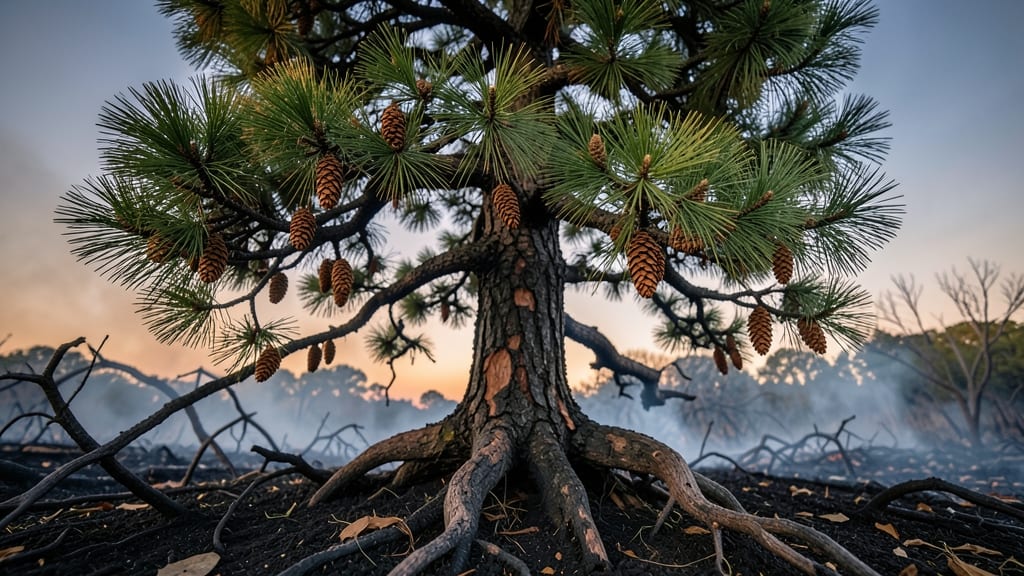
If you're restoring land after a wildfire, the Jack Pine is nature's chosen pioneer—but its serotinous cones (which only open after fire) make it a gardener's special challenge. This hardy species thrives in poor, rocky soils where few others survive, yet its stubborn root system resists easy transplantation.
Recognize it by its two-needle clusters and twisted branches, plus the distinctive orange-brown cones that stay closed until exposed to extreme heat. Plant bare-root seedlings in full sun with minimal soil preparation—this tree adapts to conditions most gardeners would avoid. For best results, mimic its natural habitat by planting in groups to encourage wind pollination.
Perfect for land restoration projects or as a dramatic focal point in xeric gardens, the Jack Pine rewards patience with resilience. Just be prepared for its slow start—this tree grows to tell its story over decades. 🌟
Virginia Pine Seed Clusters
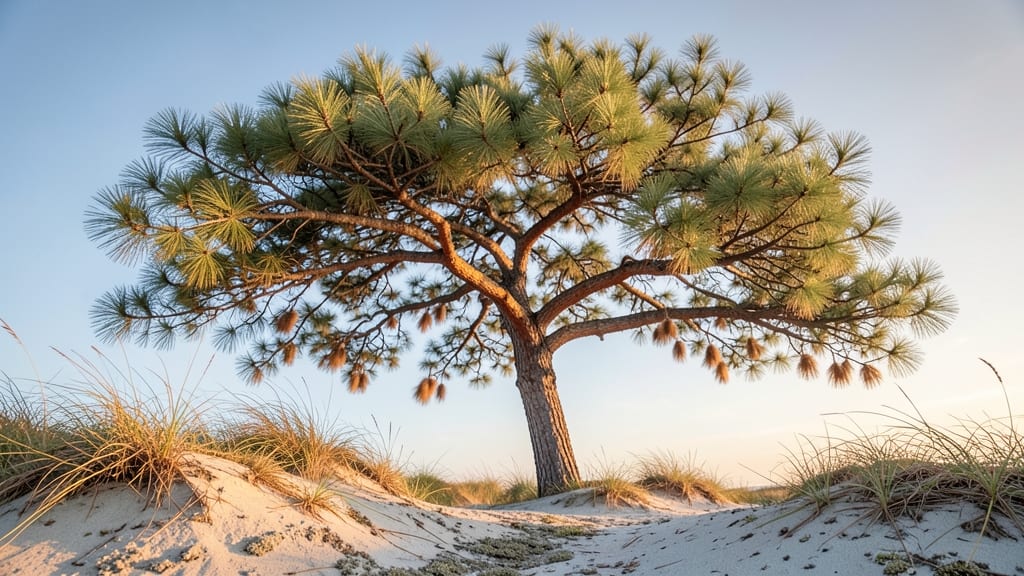
If you're dreaming of a coastal garden that thrives in sandy, nutrient-poor soils, the Virginia pine (Pinus virginiana) delivers with its signature bottlebrush-like seed clusters. Unlike other pines, its two-needle bundles and airy growth habit make it a standout for stabilizing dunes while adding natural beauty to shoreline landscapes.
This hardy native loves full sun and sandy, acidic soils where other plants struggle. Plant it in USDA zones 4-9, spacing saplings 10-15 feet apart for a natural, wind-resistant screen. While it grows slowly—taking 10-15 years to reach maturity—its drought tolerance and low-maintenance nature make it perfect for coastal gardeners who prioritize resilience over speed.
Ideal for erosion control and wildlife habitat, the Virginia pine rewards patient gardeners with a graceful, airy canopy that softens harsh winds. 🌱
Red Pine Needle Texture
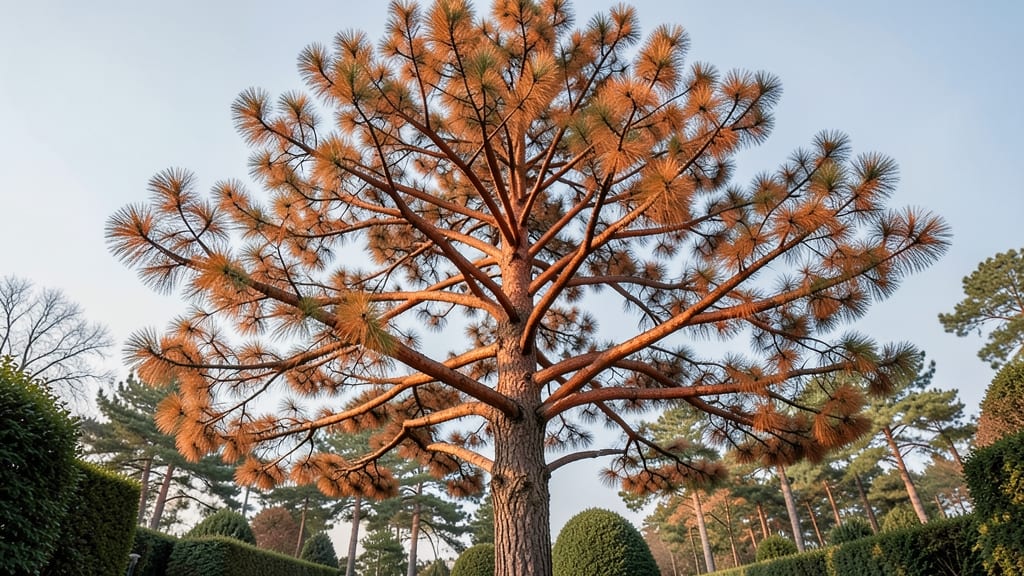
If you’re designing a formal garden with structured lines and bold contrasts, the red pine (Pinus resinosa) delivers with its stiff, orange-brown two-needle bundles that stand out against smooth, orange-tan bark. Unlike softer pines, its needles hold their shape year-round, creating a sharp, architectural silhouette that’s perfect for hedges or specimen plantings.
This drought-tolerant tree thrives in full sun and well-drained soils, making it low-maintenance once established. However, its sensitivity to air pollution means it’s best suited for rural or suburban settings away from heavy traffic. Prune in late winter to encourage dense growth, and avoid overwatering—root rot is a risk in poorly drained areas.
Gardeners in USDA zones 3-6 will love its cold hardiness, while urban planners should note its allergy-friendly status (unlike some pines). For a striking focal point, pair it with white-barked birch or evergreen shrubs to highlight its bold texture. 🌟
Shortleaf Pine Seed Pods
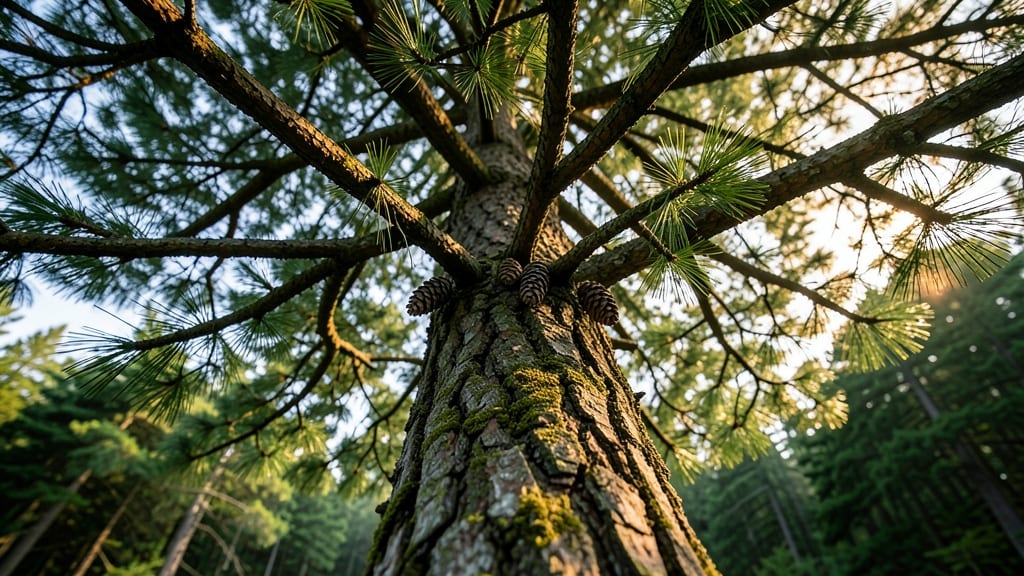
If you're restoring an Appalachian forest or simply love the rugged charm of native evergreens, shortleaf pine seed pods are a standout feature. These small but sturdy cones—paired with their distinctive three-needle bundles—create a dense canopy that birds and squirrels adore, making them a wildlife magnet in any landscape.
The symmetrical cones (about 2-3 inches long) mature in two years and release seeds that help regenerate forests, but watch for fusiform rust fungus, which can deform branches. Prune infected limbs promptly and avoid overhead watering to keep your trees healthy. These pines thrive in full sun and acidic, well-drained soils—ideal for gardeners in USDA zones 6-9.
Perfect for landowners aiming to support pollinators and native wildlife, shortleaf pines also add year-round structure to gardens with their glossy, dark green needles. 🌿
Bristlecone Pine Needle Adaptations
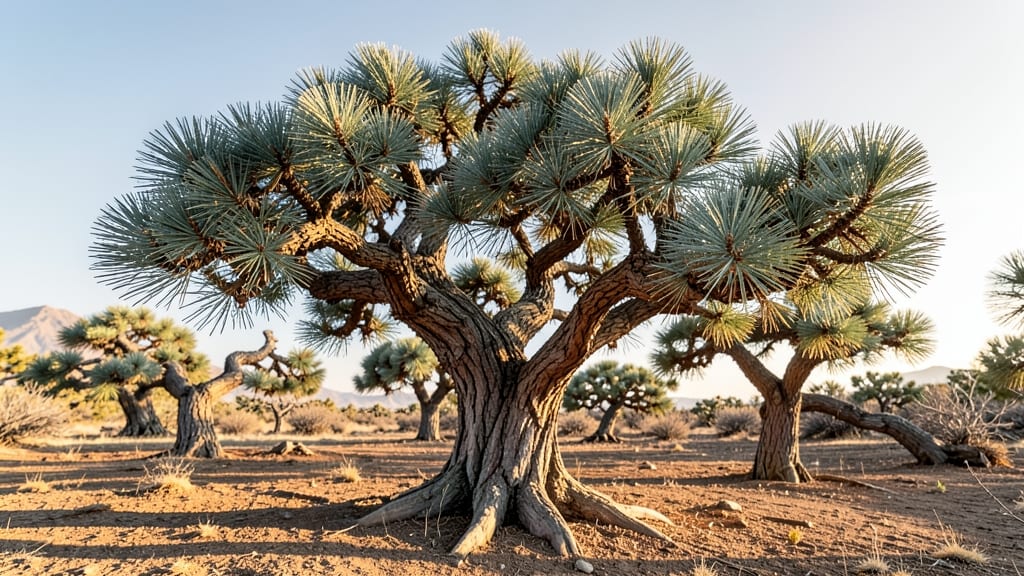
If you’re dreaming of a low-maintenance evergreen that thrives where most plants fail, the bristlecone pine is your answer. Its thick, blue-green five-needle bundles and twisted trunks are nature’s ultimate survivalists—perfect for xeric gardens or high-altitude landscapes where water is scarce.
These ancient trees grow in extreme alpine conditions, tolerating freezing winds and drought with ease. Plant them in full sun with well-drained, rocky soil—they’ll reward you with a striking, slow-growing silhouette that ages gracefully. Just be patient: decades pass before they mature, but their resilience makes them a conversation starter.
Ideal for gardeners in USDA Zones 3-8, bristlecone pines bring drama to dryland landscapes or rock gardens. Their longevity (some live over 5,000 years!) ensures they’ll outlast any trend. 🌟
Pitch Pine Seed Cones

Want to restore fire-scarred landscapes naturally? The pitch pine (Pinus rigida) is your secret weapon—its serotinous cones only open after wildfire, releasing seeds to regenerate burned ecosystems. These cones stay tightly closed for years until exposed to extreme heat, making them a cornerstone of post-fire recovery.
With long, curved three-needle bundles and thick, resinous bark, pitch pines thrive in poor, sandy soils where few other trees survive. They’re perfect for native plant restoration but can become invasive in disturbed areas, so plant them deliberately in fire-prone zones like the Southeast U.S. Their aggressive root systems help stabilize soil after wildfires. 💪
For gardeners restoring burned land or seeking drought-tolerant natives, pitch pines offer resilience and ecological benefits—just keep them contained to prevent spreading beyond your intended area. 🌟