
Pruning
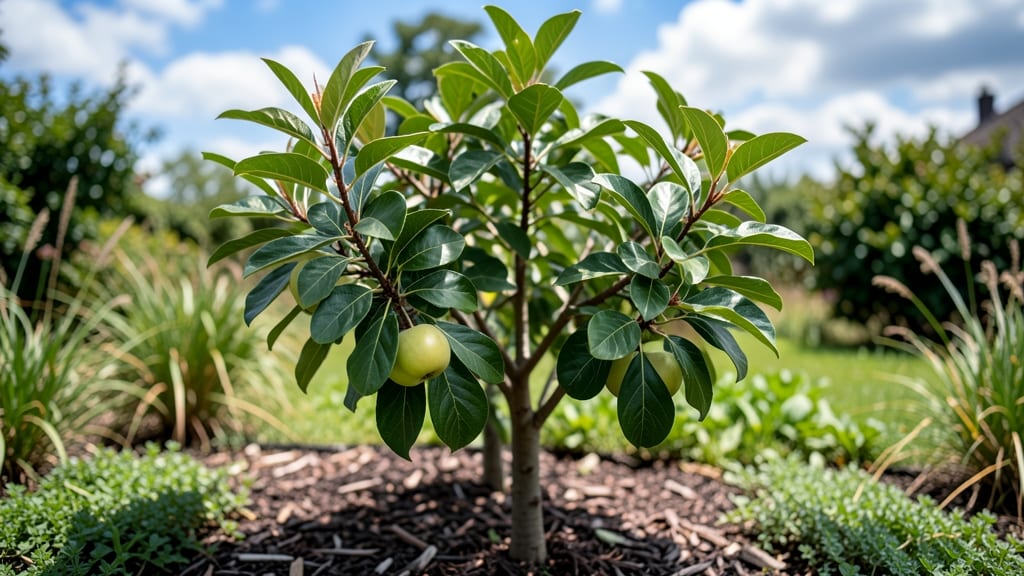
Removing unripe persimmons now means sweeter fruit later—trust me, it works. 🌿 My first year pruning these stubborn fruits, I thought I was ruining the harvest, but the tree actually rewarded me with bigger, riper fruit the following season.
The key is understanding when and why persimmons stay hard and bitter, and how to redirect the tree's energy toward better results.
Unripe persimmons cling for reasons beyond your control—cool summers, late frosts, or simply the wrong variety. Astringent types like Hachiya need frost to soften, while non-astringent Fuyu can ripen on the tree. The real issue?
Overloaded branches force the tree to spread energy thin, leaving fruit tough and underdeveloped. Pruning out the smallest, greenest fruits in early summer gives the remaining ones room to mature properly.
What you’ll end up with is a tree that focuses its energy on fewer, larger fruits that actually ripen. The harvest won’t just be bigger—it’ll be sweeter, with that signature custard-like texture persimmons are famous for.
And the best part? You’ll avoid the annual disappointment of picking fruit that’s still rock-hard in fall.
This works for both backyard growers and commercial orchards, though container-grown trees need extra care. The secret is timing: prune when fruits are still small (about 1 inch across) and repeat every 2-3 weeks until the tree’s energy shifts to the remaining fruit. Your future self will thank you.
What Triggers Unripe Persimmons
Unripe persimmons can be a frustrating sight for gardeners eager for a sweet harvest. Understanding the root causes helps you take corrective action. Below, we break down the key factors—from environmental conditions to tree health—that lead to underdeveloped fruit.
---
Persimmons (Diospyros spp.) are sensitive to temperature fluctuations, and unripe fruit often results from inconsistent warmth or inadequate chill hours during dormancy.
- Early or Late Blooms: If temperatures drop unexpectedly after flowering, pollen transfer fails, leading to poor fruit set. Persimmons need consistent warmth (70–85°F) during pollination (typically spring). - Insufficient Chill Hours: Most persimmon varieties require 200–500 chill hours (below 45°F) to break dormancy.
Without enough cold exposure, buds may open late, delaying fruit maturation. - Heat Stress: Extreme heat (>95°F) during fruit development can stunt growth or cause sunburn, leaving fruit small and hard.
Actionable Fix: - Plant cold-hardy varieties (e.g., ‘Fuyu’ or ‘Hachiya’) if your climate lacks chill hours. - Use row covers to protect flowers from late frosts. - Mulch trees with wood chips to regulate soil temperature.
---
Persimmons rely on insects (bees, flies) or wind for pollination. If this process fails, fruit may develop but remain small, misshapen, or unripe.
- Lack of Pollinators: Persimmons are not self-pollinating—they need cross-pollination.
If bees are scarce (due to pesticides or urban settings), fruit set drops. - Rain During Blooming: Heavy rain can wash away pollen or deter pollinators, reducing fertilization success. - Wind Pollination Issues: Some varieties (like ‘Hachiya’) depend on wind. Stagnant air (e.g., in dense plantings) limits pollen spread.
Actionable Fix: - Plant companion pollinator-friendly flowers (e.g., lavender, marigolds) near your tree. - Avoid broad-spectrum pesticides during bloom. - Hand-pollinate by gently shaking branches on calm days to disperse pollen.
---
Imbalanced soil nutrients can starve developing fruit, keeping them small and hard. Common culprits include:
| Deficiency | Symptoms in Fruit | Solution | |----------------------|-------------------------------------|---------------------------------------| | Nitrogen (N) | Slow growth, pale leaves | Apply balanced fertilizer (10-10-10) early spring. | | Potassium (K) | Weak cell walls → soft, shriveled fruit | Use potassium sulfate or wood ash. | | Phosphorus (P) | Poor root/fruit development | Add bone meal or compost. | | Magnesium (Mg) | Yellowing between leaf veins | Apply Epsom salt (1 tbsp/gal water). |
⚠️ Over-Fertilization Warning: Too much nitrogen promotes leafy growth over fruit, while excess phosphorus can delay ripening.
Actionable Fix: - Test soil pH (ideal: 6.0–7.0 for persimmons). - Side-dress with compost in early spring (not fall). - Avoid high-nitrogen fertilizers after flowering.
---
Certain pests and pathogens sap the tree’s energy, leaving fruit underdeveloped.
- Aphids/Scale Insects: These suck sap, weakening the tree and reducing fruit size. - Persimmon Fruit Flies: Larvae burrow into fruit, causing premature drop or stunted growth. - Powdery Mildew: Fungal infections block sunlight, slowing ripening.
Actionable Fix: - Prune for airflow to reduce humidity (mildew loves shade). - Apply neem oil (early season) to deter pests. - Set up traps for fruit flies (red spheres with vinegar).
--- A dense, unpruned canopy creates competition for resources, leaving some fruit underdeveloped.
- Shade Stress: Inner branches get less sunlight, slowing fruit maturation. - Water Competition: Too many branches divert moisture from developing fruit. - Old Wood: Persimmons fruit best on young, sun-exposed branches. Overgrown trees produce smaller, later fruit.
Actionable Fix: - Thin branches to open the canopy (aim for 6–8 ft spacing between scaffold limbs). - Remove water sprouts (fast-growing vertical shoots) that drain energy. - Prune in late winter (before buds swell) to encourage new growth.
--- Persimmons need consistent moisture, especially during fruit set (6–8 weeks after bloom).
- Drought Stress: Dry spells cause fruit drop or hard, astringent fruit. - Overwatering: Soggy soil limits oxygen, stunting root growth and fruit development. - Uneven Watering: Roots on one side may dry out, leading to asymmetrical ripening.
Actionable Fix: - Deep-water 1–2x/week (1–1.5 inches per session) during dry spells. - Mulch heavily (4–6 inches of wood chips) to retain moisture. - Avoid surface watering—use drip irrigation for even distribution.
--- Not all persimmons mature at the same rate. Some varieties are naturally slower to ripen or prone to astringency (bitterness) when unripe.
- Astringent Types (e.g., ‘Hachiya’): Must reach full color and softness to lose bitterness. Picking early = hard, bitter fruit. - Non-Astringent Types (e.g., ‘Fuyu’): Can be eaten firm, but heat speeds ripening—cool weather delays it.
Actionable Fix: - Harvest ‘Hachiya’ only after first frost (or when leaves drop). - Store ‘Fuyu’ persimmons in a cool, dark place to soften if picked early. - Choose early-maturing varieties (e.g., ‘Meader’) for shorter growing seasons.
Fixing Unripe Persimmons Naturally
Now that you understand why your persimmon tree might be producing unripe fruit, let’s tackle the solutions—practical, step-by-step fixes to ensure a sweeter, healthier harvest next season. Whether it’s environmental stress, poor pollination, or overcrowded branches, these fixes will help your tree thrive.
---
Problem: Overcrowded branches or improper pruning can starve fruit of sunlight and nutrients, leading to unripe harvests.
Fix: 🔥 📅 Time It Right: Prune in late winter or early spring (before buds swell) to avoid stressing the tree during fruiting season. 🍳 🌿 Thin Out Branches: Remove 10-20% of the tree’s branches to improve airflow and sunlight penetration. Focus on: - Crossing or rubbing branches (they compete for resources). - Suckers or water sprouts (vigorous but non-productive growth). - Dead or diseased wood (use sterilized pruners to prevent spread). 👨🍳 🍎 Prioritize Fruit-Bearing Branches: Keep strong, outward-facing branches that receive direct sunlight. Cut back overly dense clusters to leave 6-12 inches of space between fruit.
Pro Tip: 💡 If your tree is young (under 3 years old), prune lightly—focus on shaping rather than heavy thinning.
---
Problem: Shade or poor soil can slow ripening, leaving fruit hard and astringent.
Fix: 🌡️ 🌿 Ensure Full Sun Exposure: Persimmons need 6-8+ hours of direct sunlight daily. If your tree is shaded: - Trim nearby trees/shrubs blocking light. - Consider relocating the tree (if possible) to a sunnier spot. 🥗 📊 Test and Amend Soil: - pH Check: Persimmons prefer slightly acidic to neutral soil (6.0-7.0). Test with a soil kit and adjust with lime (to raise pH) or sulfur (to lower pH). - Nutrient Boost: Add compost or well-rotted manure in early spring for phosphorus (for roots) and potassium (for fruit ripening). - Drainage Fix: If soil is soggy, amend with sand or perlite to prevent root rot.
Pro Tip: 🌡️ Mulch with wood chips (2-3 inches deep) to retain moisture and regulate soil temperature—critical for ripening!
---
Problem: Poor pollination leads to small, unripe, or seedless persimmons.
Fix: 🐝 🌼 Attract Pollinators: - Plant bee-friendly flowers (like lavender, sunflowers, or clover) near the tree. - Avoid pesticides (especially during bloom time—early spring). - Hand-pollinate if bees are scarce: Use a soft paintbrush to transfer pollen from flower to flower on cloudy or windless days. ⏰ 🌸 Time It Right: Persimmons bloom early spring. Monitor flowers and thin excess blooms (leave 1 fruit per 6-12 inches of branch) to avoid overburdening the tree.
Pro Tip: ✨ If your tree is self-pollinating but still struggling, try planting a second persimmon variety nearby for cross-pollination.
---
Problem: Drought stress or irregular watering can halt ripening mid-season.
Fix: 💧 🌊 Deep and Consistent Watering: - Water deeply 1-2 times per week (depending on climate) during dry spells. - Aim for 1-1.5 inches of water per week, delivered at the base (not leaves) to prevent fungal issues. - Mulch heavily (3-4 inches) to lock in moisture and reduce evaporation. 🚫 🌡️ Avoid Overwatering: Persimmons hate soggy roots. Ensure the planting site has well-draining soil.
Pro Tip: 🔥 If your area has extreme heat waves, provide drip irrigation to keep roots cool and hydrated.
---
Problem: Even with care, some persimmons may ripen unevenly.
Fix: 🍎 📅 Harvest at the Right Stage: - Non-astringent varieties (like Fuyu): Pick when firm but slightly soft (early October). - Astringent varieties (like Hachiya): Wait until fully soft and deep orange (late fall). - Gently twist the fruit—it should pop off easily without forcing. 🍂 🥘 Ripen Indoors: - Place unripe persimmons in a paper bag with a banana (ethylene gas speeds ripening). - Store in a cool (55-65°F), dark place for 2-4 weeks. - Check daily—overripe fruit turns mushy!
Pro Tip: 🎯 If fruit is still hard after indoor ripening, it may not ripen further—consider composting or using in cooked dishes (like jams or baked goods).
--- Final Note: Consistency is key! Combine pruning, pollination support, and soil care for the best results. With patience, your persimmon tree will reward you with juicy, ripe fruit in no time. 🍉✨
Frequently asked questions
Why do my persimmon fruits stay hard even when they're orange?
Persimmon varieties fall into two categories: astringent (like 'Hachiya') and non-astringent (like 'Fuyu'). Astringent types must reach full softness and deep color after frost to lose their bitter taste. Non-astringent varieties can be eaten firm but still need proper warmth during development. If your tree isn't getting enough chill hours (200-500 hours below 45°F), fruit may stay hard.
Can I force unripe persimmons to ripen indoors?
Yes! Place them in a paper bag with a banana (the ethylene gas helps) and store in a cool (55-65°F), dark place for 2-4 weeks. Check daily—overripe persimmons turn mushy. Astringent types like 'Hachiya' may still need frost to fully soften. For non-astringent 'Fuyu', this method often works within 1-2 weeks.
How do I know if my persimmon tree needs more sunlight?
Look for these signs: small, hard fruit, yellowing leaves, or branches growing toward light sources. Persimmons need 6-8+ hours of direct sunlight daily. If your tree is shaded, try pruning nearby trees or relocating it to a sunnier spot. Thin the canopy to improve airflow—this helps fruit ripen more evenly.
Should I remove all unripe persimmons from the tree?
Not necessarily! Leave the largest, healthiest fruits (1 per 6-12 inches of branch) and remove the smallest ones. This redirects the tree's energy toward fewer, larger fruits that have a better chance of ripening. Thin in early summer when fruits are about 1 inch across. Overcrowded branches compete for nutrients, often leaving fruit underdeveloped.
What's the best fertilizer for persimmons to improve ripening?
Use a balanced fertilizer (10-10-10) in early spring, then switch to one higher in potassium (5-10-10) during fruit development. Avoid high-nitrogen fertilizers after flowering—they promote leafy growth over fruit. Test your soil first (ideal pH: 6.0-7.0) and amend with compost or wood chips for organic matter.