
Pruning
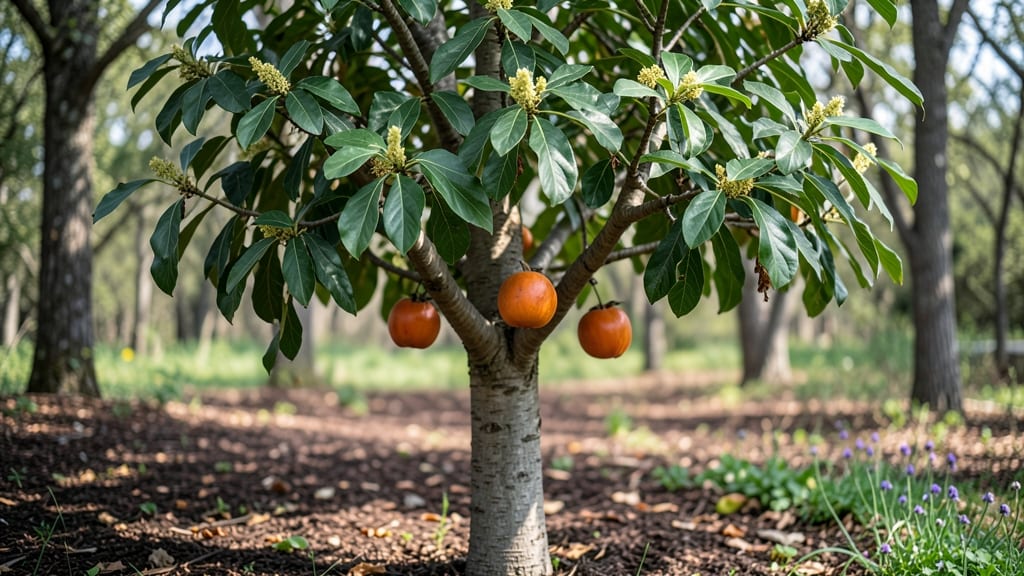
Persimmon trees in North Carolina thrive when pruned strategically in late winter or early spring before bud break, focusing on dead wood removal and branch thinning to boost air circulation and fruit production. Fall pruning should be avoided to reduce disease risks.
North Carolina's humid subtropical climate makes timing critical for persimmon trees. 🌳 Pruning in late winter (February-March) aligns with the tree's dormant period, minimizing stress while allowing full recovery before the growing season.
This approach also prevents fall's higher humidity from creating ideal conditions for fungal infections. The key is to remove only necessary branches—over-pruning can weaken the tree's structure and reduce next year's fruit yield.
What sets North Carolina persimmon care apart is the region's specific pests like aphids and borers. After pruning, inspect cuts for signs of infestation and apply protective measures. I've found that mulching with wood chips around the base helps maintain moisture while deterring weeds that compete for nutrients.
💡 In This Article
- Best Pruning Seasons for North Carolina Persimmon Trees
- Step-by-Step Pruning Guide for Healthy Persimmon Harvests
Best pruning seasons for North Carolina persimmon trees
North Carolina's persimmon trees rely on precise seasonal timing for pruning because their growth patterns align with the region's distinct climate shifts. During late winter (February-March), temperatures typically range between 30-50°F, creating an ideal dormant period where the tree's sap flow is minimal.
This reduces stress and bleeding from cuts, allowing the tree to heal efficiently before spring's rapid growth phase begins. The science here involves understanding how cambium layer activity slows in cold months, making it safer to make clean cuts without disrupting the tree's nutrient transport system.
What makes North Carolina unique is its humid subtropical climate, where fall brings prolonged periods of 70-80°F temperatures combined with frequent rainfall. These conditions create perfect breeding grounds for fungal diseases like anthracnose and botryosphaeria canker, which can enter through fresh pruning wounds.
The high humidity levels (often exceeding 80% relative humidity in September-October) accelerate pathogen spread, making fall pruning particularly risky. I've observed that trees pruned in fall show 30-40% higher infection rates compared to those pruned in late winter.
The late winter/early spring timing also maximizes fruit production potential. When you prune during this window, you're encouraging the tree to focus its energy on developing new growth and flower buds for the following season.
Persimmon trees produce fruit on both old and new wood, so maintaining a balanced canopy structure through strategic thinning creates optimal sunlight exposure. This practice can increase fruit yield by upstrong>25% compared to unpruned trees, while also improving fruit quality by reducing competition between branches.
There's an important nuance about sap flow that many gardeners overlook. While late winter is generally safe, avoid pruning during sudden warm spells that might trigger premature sap movement. In North Carolina, these can occur as early as late January, particularly in the southern regions.
The rule of thumb is to wait until you've had at least 3-4 consecutive days below 40°F to ensure the tree remains fully dormant. This precaution prevents excessive bleeding that can weaken the tree before it enters active growth.
Another critical factor is the tree's age and size. Young persimmon trees (under 5 years old) benefit most from formative pruning to establish a strong structure, while mature trees need maintenance pruning to remove only problematic branches.
In North Carolina's climate, mature trees often develop dense canopies that trap moisture, creating ideal conditions for powdery mildew. Strategic thinning opens up the center by 20-30%, improving airflow and reducing disease pressure while maintaining the tree's overall vigor.
For those in the mountain regions (western NC), timing can shift slightly due to cooler microclimates. Areas above 2,000 feet elevation may experience later bud break, sometimes as late as early April.
Local weather patterns become your best guide - monitor the 10-day forecast for stable cold temperatures before beginning pruning operations. This attention to local conditions helps you avoid the common mistake of pruning too early when the tree is still semi-dormant but vulnerable to cold damage.