
Pruning
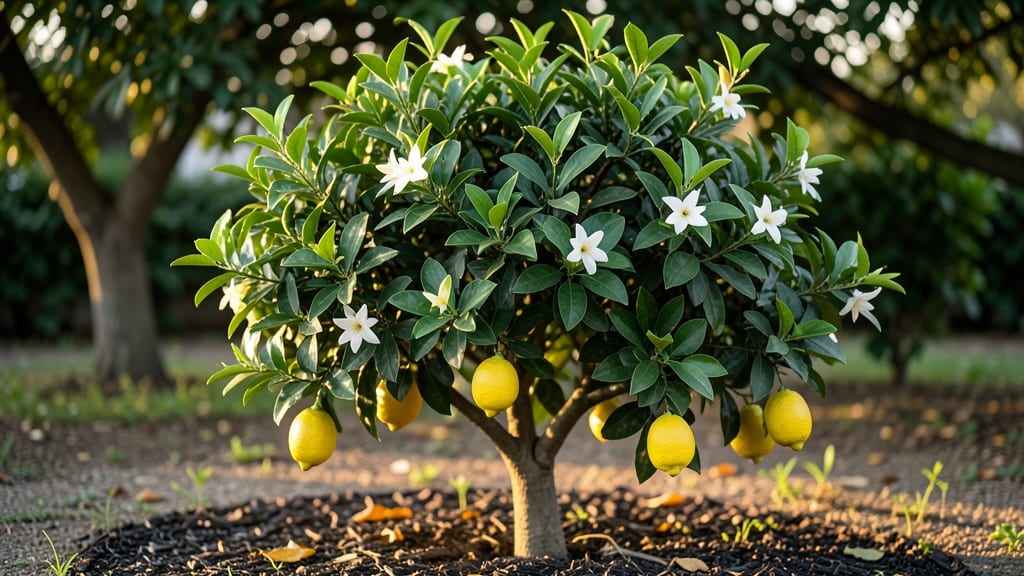
Growing lemon trees in North Carolina works best with cold-hardy varieties like 'Meyer' or 'Improved Meyer' suited for zones 7-10, planted in well-draining soil with full sun exposure, and protected from winter frost using mulch or movable containers. Indoor cultivation lets you grow them anywhere in the state.
North Carolina's diverse climate—from the coastal plains to the Appalachian mountains—means you'll need to adapt your approach based on location. 🌿 The key is choosing varieties that can handle your specific zone's winter lows, especially in zones 7-8 where frost can be brutal.
I've seen 'Improved Meyer' thrive in Asheville's cooler microclimates when given proper winter wraps, while coastal gardeners in Wilmington often grow theirs in large containers for easy winter relocation.
Don't overlook soil preparation—the state's humid subtropical climate means drainage is critical. Amending heavy clay soils with compost and sand creates the ideal growing medium.
And remember: while outdoor planting is possible, container growing gives you the flexibility to move trees when temperatures dip below 20°F, extending your growing season dramatically.
💡 In This Article
- North Carolina Climate Zones for Lemon Trees
- Best Lemon Tree Varieties for North Carolina Gardens
North Carolina climate zones for lemon trees
North Carolina spans USDA hardiness zones 5b to 8b, creating distinct challenges for lemon trees. The state's mountainous western regions (like the Blue Ridge) experience colder winters with lows of 10-15°F, while coastal areas (Outer Banks) rarely drop below 25°F.
Lemon trees thrive best in zones 7-10, where winter temperatures stay above 20°F—the critical threshold for most citrus varieties. 🌡️ The Appalachian foothills (zone 7a) require extra winter protection, while the Piedmont (zone 7b-8a) offers more forgiving conditions.
The humidity in NC's subtropical climate creates another challenge: fungal diseases thrive in the state's 70-80% average humidity, especially during summer. Proper airflow through pruning and container growing helps mitigate this risk.
Coastal areas also face salt spray from ocean breezes, which can damage leaves—regular rinsing with fresh water prevents buildup. The key adaptation is selecting varieties that tolerate these conditions while maintaining the citrus's need for 6-8 hours of direct sunlight daily.
Microclimates play a crucial role in NC's lemon-growing success. A south-facing wall can raise temperatures by 5-10°F compared to open areas, creating a protected growing zone.
In zone 7a, I've seen gardeners use 30-gallon black containers filled with heat-absorbing materials to extend the growing season by 2-3 weeks in spring. The dark containers absorb sunlight during the day and radiate warmth at night, protecting roots from temperature swings that can be deadly for citrus.
Winter protection strategies vary by zone. In zone 7a, trees need 4-6 inches of mulch and frost cloth wrapped around the trunk and branches. For container-grown trees, moving them to unheated garages or covered porches when temperatures drop below 35°F is essential.
The Improved Meyer variety handles brief dips to 15°F better than standard lemons, making it the top choice for inland NC gardeners. Coastal growers can often leave trees outdoors year-round due to milder winters.
Spring planting timing is critical—wait until after the last frost date (typically mid-April in the Piedmont, mid-March in coastal areas) to avoid cold snaps. The soil should reach 60°F at 6 inches deep before transplanting, as citrus roots are sensitive to cold soil.
In zone 8a, you can plant as early as February if using row covers, but always monitor local forecasts for unexpected cold snaps that can occur even in warmer zones.
One often-overlooked factor is summer heat—NC's summer temperatures can exceed 95°F in many regions. Lemon trees handle this well when properly hydrated, but container-grown trees dry out 3-4 times faster than in-ground plants.
Drip irrigation systems with 2-3 gallons per tree daily during peak summer maintain optimal moisture levels without overwatering. The combination of proper summer hydration and winter protection creates the ideal balance for successful lemon tree cultivation across NC's diverse climate zones. 🌿