
Trees
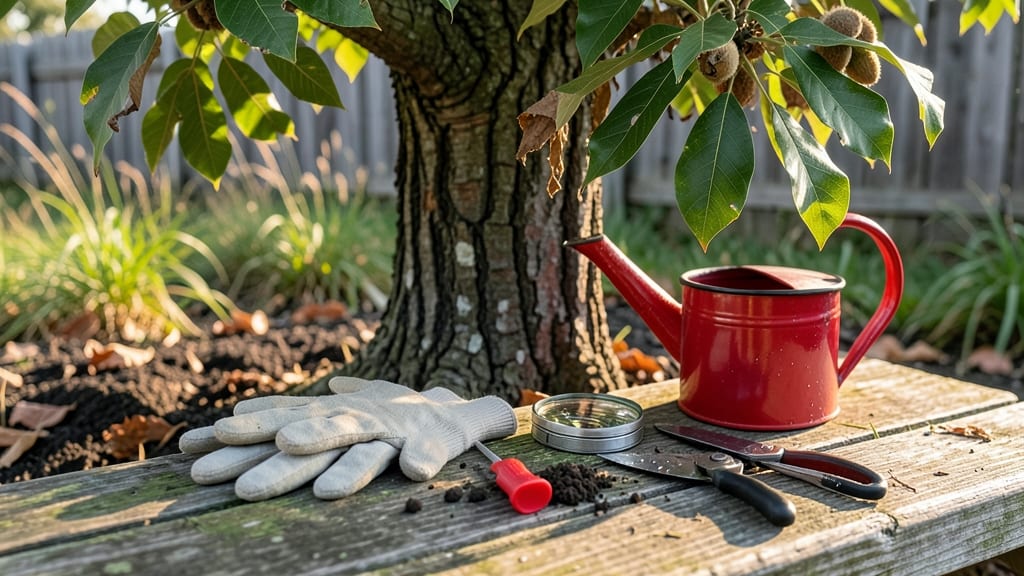
Your pecan tree’s leaves turning brown isn’t a death sentence—it’s a call to action. 🌿 I’ve nursed back trees with crispy foliage by tackling the root causes, whether it’s fungal scab, nitrogen starvation, or spider mite parties on the undersides.
The key is diagnosing fast before the problem spreads to branches.
Start by checking the leaf edges: jagged brown spots scream fungal scab, while uniform browning hints at drought or overwatering. Spider mites leave speckled damage, and yellowing between veins points to magnesium deficiency. Grab a magnifying glass—sometimes the clues are microscopic but critical.
Once you identify the issue, treatments are straightforward: fungicide sprays for scab, balanced fertilizer for deficiencies, and neem oil for pests. I’ve revived trees in as little as 4-6 weeks with consistent care, and the difference in next year’s harvest is night-and-day.
Prevention is easier than cleanup: mulch properly, water deeply but infrequently, and monitor for pests weekly. Your tree’s health isn’t just about aesthetics—it’s about productive nuts, shade, and a backyard showpiece that keeps giving for decades.
Root Causes Behind Browning Leaves
Understanding why your pecan tree’s leaves are turning brown starts with identifying the primary stressors at play. These issues often stem from environmental factors, nutrient imbalances, or biological threats. Let’s break down the most common culprits and their scientific mechanisms:
Pecan trees thrive in well-drained soil and moderate temperatures, but prolonged exposure to high heat (above 90°F/32°C) or insufficient water triggers oxidative stress in leaves. When soil moisture drops below 50% of field capacity, roots struggle to absorb water, leading to:
- Plasma membrane damage: Cells lose turgor pressure, causing leaf edges to crisp and brown (a condition called scorch).
- Chlorophyll degradation: Heat disrupts photosynthesis enzymes (like Rubisco), turning green pigments into brown or yellow-brown hues.
- Stomatal closure: Leaves seal pores to retain moisture, but this halts gas exchange, accelerating nutrient deficiencies.
Actionable fix: Deep-water trees twice weekly during droughts (1–1.5 inches per session) and mulch with 3–4 inches of organic matter to retain moisture.
While drought harms pecan trees, excessive moisture creates anaerobic conditions in the root zone, starving roots of oxygen. This leads to:
- Fungal infections (e.g., Phytophthora): Waterlogged soil promotes pathogens that block nutrient uptake, causing interveinal chlorosis (brown patches between leaf veins).
- Root rot: Pythium or Armillaria fungi thrive in soggy soil, disrupting the tree’s vascular system and triggering wilting followed by browning.
- Nutrient leaching: Overwatering flushes nitrogen and potassium from the soil, essential for leaf pigmentation.
Actionable fix: Ensure soil drains within 6–8 hours after watering. Amend clay soil with sand or perlite and avoid compacting the root zone.
Pecan trees are susceptible to pathogens that thrive in humid or stressed conditions. The most damaging include:
| Pathogen | Symptoms | Mechanism |
|---|---|---|
| Cercospora leaf spot | Small, brown spots with yellow halos; leaves may drop prematurely. | Fungus clogs stomata, disrupting gas exchange and causing necrotic tissue. |
| Anthracnose (Gloeosporium) | Large, sunken brown lesions with red/purple margins. | Produces toxins that degrade cell walls, leading to tissue death. |
| Bacterial leaf scorch (Xylella) | Edge browning with veins remaining green; wilting in late afternoon. | Bacteria colonize xylem vessels, blocking water transport and causing oxidative browning. |
Actionable fix: Prune infected branches 12 inches below lesions and sterilize tools with 70% isopropyl alcohol. Apply copper fungicide (e.g., Bordeaux mix) during rainy seasons.
Pecan trees require a balance of macronutrients (N-P-K) and micronutrients like zinc, manganese, and iron. Deficiencies or excesses disrupt chlorophyll production and cell metabolism:
- Nitrogen (N) deficiency: Leaves turn yellow-green to brown from the oldest leaves upward. Nitrogen is critical for protein synthesis in chloroplasts.
- Potassium (K) deficiency: Causes brown scorch along leaf edges (similar to drought stress) due to impaired osmotic regulation.
- Magnesium (Mg) deficiency: Leads to interveinal browning (chlorosis between veins) because Mg is central to chlorophyll’s structure.
- Toxicities (e.g., boron, salt): Excess boron causes brown, crinkled leaves with dead tips, while salt buildup (from poor irrigation water) disrupts nutrient uptake.
Actionable fix: Conduct a soil test to identify deficiencies. Amend soil with compost (for organic matter) or balanced fertilizer (e.g., 10-10-10). Avoid over-fertilizing—pecans prefer low to moderate nitrogen.
Sap-sucking insects like aphids, spider mites, and pecan weevils inject toxins or feed on leaf tissue, triggering browning:
- Aphids: Excrete honeydew, which fosters sooty mold (black fungal growth) and blocks sunlight, causing leaves to yellow then brown.
- Spider mites: Piercing-sucking mouthparts damage mesophyll cells, leading to stippling (brown dots) and premature leaf drop.
- Pecan nut casebearer: Larvae feed on new leaves and shoots, causing rolled, browned foliage.
Actionable fix: Blast pests off with a strong water spray (1,000 psi) or apply neem oil (1 tbsp/gallon) during early infestations. For severe cases, use horticultural oil in dormant season.
Airborne pollutants (e.g., sulfur dioxide, ozone) and improper herbicide application can cause browning:
- Ozone damage: Creates brown flecks or stippling on upper leaf surfaces due to oxidative stress in chloroplasts.
- Herbicide drift: Glyphosate or 2,4-D can cause necrotic spots or uniform browning if oversprayed.
- Salt spray (coastal areas): Accumulates on leaves, leading to crusty brown patches and reduced photosynthesis.
Actionable fix: Avoid applying herbicides when trees are in full leaf. Rinse foliage with water if exposed to salt spray. Plant pecans 100+ feet from roadways to minimize pollution exposure.
Reviving Your Pecan Tree’s Foliage
If your pecan tree’s leaves are turning brown, don’t panic—most issues have simple, effective fixes. The key is identifying the root cause (literally!) and taking targeted action. Below, we’ve broken down practical solutions for each common problem, along with prevention tips to keep your tree thriving.
Signs: Crispy, brittle brown edges (underwatering) or yellowing, mushy leaves with brown spots (overwatering).
💧 How to Fix It
- Check the Soil Moisture - Stick your finger 2–3 inches deep into the soil. If it’s dry, water deeply.
If soggy, hold off until the top 1–2 inches feel dry to the touch. - Pro Tip: 🌡️ Use a moisture meter for accuracy—pecan trees prefer consistently moist but well-drained soil.
- Adjust Your Watering Routine
- Underwatered? Water slowly and deeply (1–2 inches per week, more in extreme heat). Use a soaker hose to avoid runoff.
- Overwatered? Improve drainage by amending soil with compost or perlite, and water only when needed.
- Mulch Like a Pro
- Apply 2–3 inches of organic mulch (wood chips, straw) around the base (but keep it 6 inches away from the trunk).
- Why? Mulch retains moisture, regulates soil temperature, and prevents evaporation.
Signs: Uniform brown leaves with yellow veins (iron/chlorosis), stunted growth, or sparse foliage.
💡 How to Fix It
- Test Your Soil
- Grab a DIY soil test kit (or send a sample to a local extension office) to check pH and nutrient levels.
- Ideal pH for pecans: 6.0–7.0. If too acidic (below 6.0), amend with lime.
- Fertilize Smartly
- For iron/chlorosis (yellow leaves with brown edges):
- Sprinkle chelated iron granules around the root zone and water thoroughly.
- Quick Fix: 🌿 Mix 1 tbsp of Epsom salt (magnesium sulfate) per gallon of water and spray on leaves.
- General nutrient boost:
- Use a balanced, slow-release fertilizer (e.g., 10-10-10) in early spring and late summer.
- Avoid over-fertilizing—too much nitrogen causes leaf burn (brown tips).
- For iron/chlorosis (yellow leaves with brown edges):
- Organic Alternatives
- Compost tea or fish emulsion (diluted to half-strength) can replenish micronutrients naturally.
- Avoid synthetic fertilizers if your tree is stressed—they can worsen salt buildup.
Signs: Brown spots with black specks (sooty mold), holes in leaves (insects), or wilting branches.
🛡️ How to Fix It
- Identify the Culprit
- Aphids/Scale: Sticky residue (honeydew) + brown, curled leaves.
- Spider Mites: Fine webbing + speckled brown leaves.
- Fungal Issues: Dark brown patches (often on lower leaves).
- Pest Control
- For soft-bodied pests (aphids, mites):
- Spray with neem oil (1 tsp per quart of water + a drop of dish soap as a surfactant).
- Repeat every 7–10 days until pests disappear.
- For scale insects:
- Scrape off visible pests with a plastic scraper (avoid damaging bark).
- Apply horticultural oil in late winter/early spring (before buds swell).
- For soft-bodied pests (aphids, mites):
- Fungal Disease Treatment
- Prune infected branches (sterilize tools with rubbing alcohol between cuts).
- Apply copper fungicide or baking soda spray (1 tbsp baking soda + 1 quart water + a drop of soap).
- Prevent recurrence: Improve airflow with thinning branches and avoid overhead watering.
Signs: Sudden browning after heatwaves, drought, or wind damage.
🌤️ How to Fix It
- Protect from Extreme Heat
- Water deeply in the morning (before 10 AM) to reduce evaporation.
- Provide shade with lightweight shade cloth (30–50%) during peak summer.
- Mulch heavily to insulate roots.
- Wind & Physical Damage
- Secure loose branches with tree ties or soft wire after storms.
- Prune damaged limbs with clean cuts (just outside the branch collar).
- Post-Stress Recovery
- Avoid fertilizing until the tree shows new growth (stressed trees can’t absorb nutrients well).
- Monitor for secondary pests (stressed trees attract insects).
- 🌿 Water Consistently: Deep, infrequent watering > shallow, frequent sprinkles.
- 🍂 Mulch Annually: Refresh mulch every spring to maintain moisture and nutrients.
- 🌡️ Monitor Weather: Cover young trees during freezes or heatwaves if in a vulnerable zone.
- 🔍 Inspect Regularly: Check leaves weekly for early signs of pests/disease.
- 🌱 Prune Strategically: Remove dead/diseased branches in dormant season (late winter).
Remember: Pecan trees are resilient! With the right care, your tree can bounce back—often within 4–8 weeks of addressing the issue. If browning persists after trying these fixes, consult a local arborist to rule out deeper problems like root rot or soil toxicity. 🌳✨
Frequently asked questions
Why are my pecan tree leaves turning brown only at the edges?
Edge browning usually signals either drought stress or potassium deficiency. Check the soil moisture—if it's dry 2-3 inches deep, water deeply (1-2 inches per week). For potassium issues, apply a balanced fertilizer (10-10-10) or use wood ash around the base. This mimics natural forest conditions where potassium leaches from decaying leaves.
Can I save my pecan tree if half the leaves are already brown?
Yes! Pecan trees are resilient, but act fast. First, identify the cause (fungus? pests? drought?) and treat it immediately. Prune only the most damaged branches to reduce stress. Then focus on recovery: deep watering, 2-3 inches of mulch, and a light application of compost tea to rebuild soil health. Most trees show new growth within 4-6 weeks of proper care.
What's the difference between brown leaves from fungal disease vs. spider mites?
Fungal diseases (like scab or anthracnose) create large, irregular brown patches with possible yellow halos, often on older leaves. Spider mites cause tiny speckled brown dots (stippling) and fine webbing on leaf undersides. Pro tip: Hold a white sheet under the tree and shake branches—if you see tiny red/orange mites, it's spider mites.
How often should I fertilize a pecan tree with brown leaves?
Only fertilize after diagnosing the problem. For nutrient deficiencies, apply a balanced fertilizer (10-10-10) just once in early spring and again in late summer. Avoid over-fertilizing—pecans prefer low to moderate nitrogen. For organic options, use compost or fish emulsion (diluted) every 3 months during growing season.
Will pruning help my pecan tree's brown leaves?
Pruning helps only if the browning is from fungal disease, pests, or physical damage. Remove only the most affected branches (cut just outside the branch collar) and sterilize tools with 70% alcohol between cuts. Avoid heavy pruning—pecans produce nuts on current season's growth, so don't remove more than 25% of the canopy at once.