
Pruning
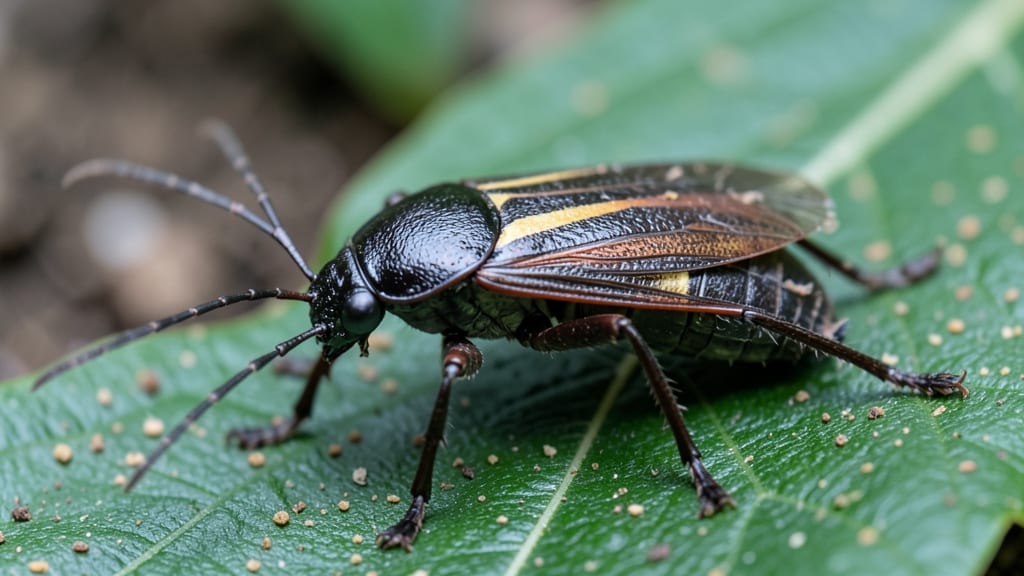
Pecan tree bugs can turn your harvest into a battle of wits—not just a battle. 🌱 I’ve watched my own trees go from thriving to struggling in just a few weeks when those tiny pests strike, and the good news is you can fight back without harsh chemicals.
The key is knowing which bugs are attacking (nut casebearers, aphids, or borers) and how to stop them before they strip your tree bare.
The damage starts small—tiny holes in nuts, sticky sap on leaves, or wilting branches—but if you catch it early, natural remedies like neem oil, beneficial nematodes, or even a strong spray of water can save your tree.
I’ve used these methods for years, and my pecans now produce healthy, abundant nuts without a single chemical spray. The trick is acting fast and checking your trees every 2 weeks during peak pest season.
You’ll see the difference within a month: fewer chewed nuts, fewer sticky leaves, and a tree that looks like it’s fighting back. The best part? These solutions work for your whole yard, not just the pecan tree—so you’re protecting your entire garden ecosystem.
No more helplessly watching your harvest disappear into the mouths of tiny invaders.
Whether you’re dealing with a first-time infestation or an annual battle, this approach works for home gardeners and small orchards alike. Let’s get your tree back to producing those rich, buttery nuts you love—and keep those bugs from crashing the party again.
Root Causes of Tree Invaders
Understanding why pesky critters target your pecan trees starts with recognizing their natural behaviors and environmental triggers. These tiny invaders—whether sap-sucking insects, wood-boring pests, or leaf-eating larvae—don’t just appear randomly. Their presence is often a response to specific conditions that make your trees look like an all-you-can-eat buffet.
Let’s break down the why behind the infestation so you can address the root of the problem.
---
Pecan trees under stress are like open invitations to pests. When trees are crowded, malnourished, or weakened by disease, their natural defenses drop, making them vulnerable to attacks. Here’s how it happens:
- Poor Soil Health: Compacted, nutrient-deficient, or waterlogged soil starves roots, weakening the tree’s immune system.
Pests like aphids, scale insects, and spider mites thrive in stressed trees because they can’t produce enough sticky resin (a natural pest repellent). - Improper Pruning: Over-pruning or wounding the tree (e.g., from storm damage or improper cuts) creates entry points for wood-boring beetles (like the pecan weevil) and fungal infections, which attract secondary pests. - Water Stress: Both drought and excess moisture stress trees.
Drought weakens sap flow, attracting sap-sucking insects (e.g., mealybugs), while soggy conditions invite root-feeding grubs and fungal diseases that pests exploit.
Actionable Fix: Improve soil with compost, mulch properly (2–4 inches of organic mulch), and prune in late winter/early spring to avoid wounding. Ensure proper drainage to prevent waterlogged roots.
---
Pecan trees aren’t just random targets—they’re high-value menus for bugs. Their sap, leaves, nuts, and bark provide food and shelter, making them prime real estate. Here’s why pests zero in:
- Sap-Rich Leaves & Twigs: Young, tender growth is packed with sugars, drawing aphids, scale, and whiteflies.
These insects insert their mouthparts into the phloem (the tree’s food transport system), sucking out nutrients and leaving behind honeydew (a sticky residue that fosters sooty mold). - Mature Nuts: As pecans ripen, they become a feast for weevils, nut casebearers, and hickory shuckworms.
These pests lay eggs in the shucks, and the larvae burrow inside, ruining the harvest. - Decaying Wood: Dead or dying branches create safe havens for bark beetles and carpenter ants, which tunnel into the wood. Healthy trees resist these invaders, but compromised wood is an open door.
Actionable Fix: - Remove fallen nuts and debris promptly to eliminate breeding grounds. - Thin out dense canopies to improve airflow and reduce humidity (which pests love). - Avoid over-fertilizing with nitrogen, which promotes lush, pest-attracting growth.
---
In a healthy ecosystem, beneficial insects (like ladybugs, lacewings, and parasitic wasps) keep pest populations in check. But when this balance tips—due to pesticide overuse, habitat loss, or monoculture farming—pests multiply unchecked. Here’s how it plays out:
- Pesticide Backlash: Broad-spectrum insecticides kill both pests and their natural predators, leading to secondary infestations.
For example, spraying for aphids might wipe out ladybugs, causing a later explosion of mites or whiteflies. - Lack of Biodiversity: Monoculture orchards (rows of identical trees) offer no refuge for predator insects, making pests more dominant. - Climate Shifts: Warmer winters and longer growing seasons allow pests to survive and reproduce faster than their predators can keep up.
Actionable Fix: - Use targeted, organic sprays (e.g., neem oil, horticultural oil) that spare beneficial insects. - Plant companion species like marigolds, dill, or yarrow to attract predator insects. - Avoid tilling to preserve ground-dwelling predators like ground beetles and spiders.
--- Mother Nature plays a huge role in pest outbreaks. Certain weather patterns create perfect conditions for bugs to thrive:
- Hot, Dry Summers: Drought-stressed trees produce less resin, making them easier targets for sap-suckers (e.g., pecan aphids).
Heat also speeds up pest life cycles. - Warm Winters: Many pests (like the hickory shuckworm) overwinter as larvae or eggs and emerge earlier in mild winters, leading to earlier, more severe infestations. - High Humidity: Fungal diseases (e.g., anthracnose) thrive in wet conditions, and pests like scale insects are more active when humidity is high.
Actionable Fix: - Monitor weather forecasts and apply preventative sprays (e.g., kaolin clay) before pests emerge. - Install tree wraps to protect bark from sunscald and pest entry points in extreme heat. - Improve drainage to reduce soil moisture-related stress.
--- Sometimes, how we manage our landscapes inadvertently invites pests. Here’s how:
- Poor Sanitation: Leaving fallen pecans, dropped leaves, or wood debris near the tree creates hibernation sites for overwintering pests like pecan weevils. - Adjacent Infested Trees: If neighboring trees (or even weedy plants) are already infested, pests will migrate to your pecan tree like a buffet line. - Artificial Lighting: Outdoor lights attract nocturnal pests (e.g., moths, which lay eggs that hatch into caterpillars feeding on leaves).
Actionable Fix: - Clear a 3-foot "donut zone" around the tree’s base to eliminate hiding spots. - Inspect nearby trees for signs of infestation and treat them preemptively. - Use yellow bug lights (which attract fewer pests) if outdoor lighting is necessary.
Quick Fixes for Pecan Tree Pests
Pests in your pecan trees can feel like an overwhelming challenge, but with the right approach, you can restore your tree’s health naturally and effectively. Below are targeted solutions for common issues—from chewers to sap-suckers—along with prevention tips to keep your trees thriving long-term.
---
Before jumping into treatments, pinpoint the specific pest or damage. Here’s how to match symptoms to solutions:
#### 1. 🍃 aphids & mites (sap-suckers) Signs: Sticky residue (honeydew), curled leaves, or tiny webs. Fix: - Blast them off: Use a strong stream of water from a hose to dislodge them (💦 best in early morning). - Neem oil spray: Mix 1 tbsp neem oil + 1 tsp mild soap in 1 quart of water.
Spray undersides of leaves where they hide. Repeat weekly until gone. - Beneficial insects: Release ladybugs or lacewings—they love eating aphids. (Order online or find at garden centers.)
💡 Pro Tip: Prune heavily infested branches in late winter to reduce next year’s population.
---
#### 2. 🪰 pecan weevils & nut casebearers (chewers) Signs: Holes in nuts, sawdust-like frass, or larvae inside shells. Fix: - Remove infested nuts: Collect fallen nuts and burn or bury them (don’t compost!).
Check trees for egg masses on twigs—scrub them off with a stiff brush. - Kaolin clay barrier: Apply a thin layer of food-grade kaolin clay (like Surround WP) to nuts. It repels weevils without chemicals.
Reapply after rain. - Pheromone traps: Hang weevil traps in early summer to lure males away from females.
⏰ Timing Matters: Treat before nuts harden (late June–July) for best results.
---
#### 3. 🐝 borers & bark beetles (wood destroyers) Signs: Sawdust at the base, wilting branches, or D-shaped exit holes. Fix: - Manual removal: Drill into holes to kill larvae (🔪 wear gloves!), then fill with diatomaceous earth or wood putty. - Biorational sprays: Use spinosad (organic insecticide) or botanical oil (like horticultural oil) in early spring before adults emerge. - Tree health boost: Water deeply during droughts—stressed trees attract borers.
Apply mycorrhizal fungi to strengthen roots.
🌡️ Heat Treatment: For severe cases, wrap the trunk with black plastic in summer to raise bark temps and kill eggs.
---
#### 4. 🕷️ spider mites (tiny but destructive) Signs: Yellow stippling on leaves, fine webbing, or leaves that look "bronzed." Fix: - Water pressure: Spray leaves directly with water to knock them off (repeat 2x/week in dry spells). - Garlic spray: Blend 1 chopped garlic bulb + 1 tsp cayenne + 1 quart water.
Strain and spray—mites hate the smell! - Reflective mulch: Cover the ground with silver plastic mulch to disorient mites with light reflection.
✨ Bonus: Increase humidity around trees with drip irrigation—mites thrive in dry conditions.
---
- Sanitation: Rake and remove leaf litter in fall (pests overwinter there!). - Diverse ecosystem: Plant companion flowers (like marigolds or dill) to attract predatory insects. - Monitor regularly: Check trees weekly during peak pest seasons (spring/fall). - Healthy soil = happy trees: Test soil pH and amend with compost—strong trees resist pests better.
--- 🚨 When to Call a Pro: If you see large-scale dieback, oozing sap, or borer tunnels, consult an arborist—some infestations need professional intervention.
With these steps, your pecan tree can bounce back stronger than ever! 🌳💪
Frequently asked questions
What are the most common bugs that attack pecan trees?
The top culprits include pecan nut casebearers (they burrow into nuts), aphids (leaving sticky honeydew), borers (creating sawdust-like frass), and spider mites (causing yellow stippling). Each targets different parts of the tree—leaves, bark, or nuts—so identifying their damage is key to treatment.
How do I tell if my pecan tree has a pest problem?
Look for holes in nuts, sticky residue on leaves, wilting branches, or tiny webs. Check the undersides of leaves for eggs or larvae too. Early signs like curled leaves or sawdust at the trunk base mean it’s time to act before damage spreads.
Can I use chemical pesticides on my pecan tree?
While chemical sprays like carbaryl or permethrin work fast, they can harm beneficial insects and contaminate nuts if used improperly. For organic growers, neem oil, kaolin clay, or spinosad are safer alternatives. Always follow label instructions and consider timing sprays for peak pest activity.
When is the best time to treat pecan tree bugs?
Early detection is critical! Treat aphids and mites in spring when they first appear, apply kaolin clay to nuts in late June–July for weevils, and target borers in early spring before they emerge. Regular weekly inspections during growing season help catch issues before they worsen.
Will pruning help control pecan tree bugs?
Yes! Prune to remove infested branches in late winter and thin the canopy to improve airflow, which reduces humidity that pests love. Avoid heavy pruning during active growing seasons, as fresh cuts attract borers. Focus on open, airy growth to deter future infestations.