
Pruning
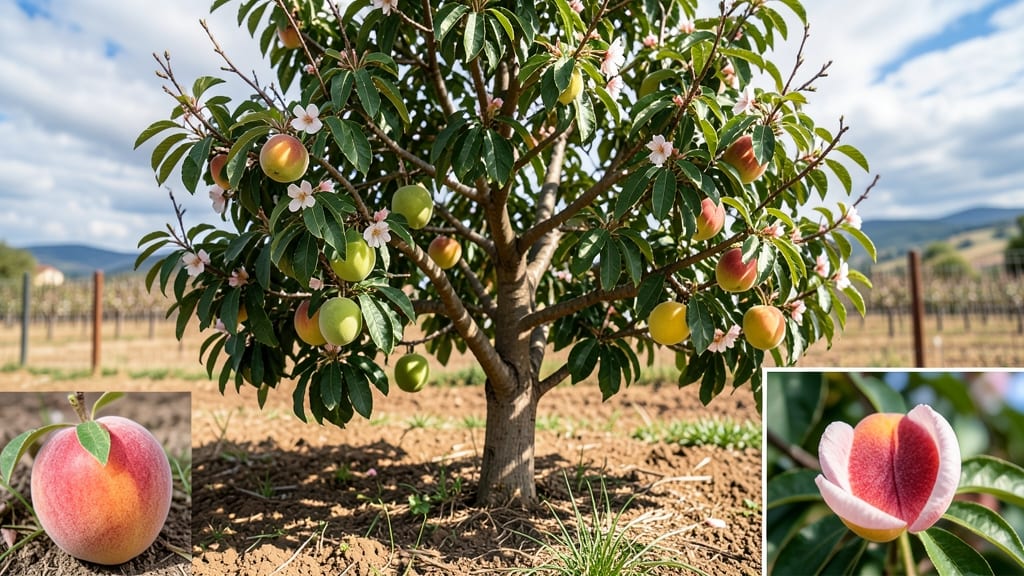
Peach trees in Zone 7 grow best when you select cold-resistant varieties and plant them at the right time: choose hardy types like 'Reliance' or 'Redhaven' and set them in the ground during late winter or early spring for strong establishment and fruit production.
Zone 7's climate presents unique challenges for peach trees, including unpredictable late frosts and temperature swings that can damage blossoms or fruit. 🌳 The key to success lies in selecting varieties bred for this specific climate zone—they've been developed to handle the 300-900 chill hours Zone 7 typically receives.
I've found that planting in early spring (after last frost date) gives young trees time to establish roots before summer heat arrives, while late winter planting allows for earlier root development before active growth begins.
Beyond variety selection, proper planting timing creates a foundation for healthy growth. The best planting windows are February-April or October-November, when soil temperatures are cool but workable. This timing helps prevent transplant shock while allowing roots to establish before the tree's first major growth flush.
Remember that peach trees need well-draining soil—amending heavy clay with compost can make all the difference in preventing root rot during Zone 7's occasional heavy rains.
💡 In This Article
- Why Cold Hardiness Matters for Zone 7 Peach Trees
- Zone 7 Peach Tree Planting and Care Calendar
Why cold hardiness matters for Zone 7 peach trees
Peach trees require a specific number of chill hours—hours below 45°F—to break dormancy and produce fruit successfully. Zone 7 typically accumulates between 300-900 chill hours annually, but this can vary dramatically by location.
Varieties like 'Reliance' thrive here because they've been bred to handle this range, while others (like 'Elberta') need more chill hours and may struggle with inconsistent flowering or poor fruit set. The science behind this is fascinating: cold temperatures trigger hormonal changes that prepare the tree's buds for spring growth.
Without enough chill hours, the tree remains dormant, unable to flower or fruit properly.
Zone 7's unpredictable late frosts add another layer of complexity. These can occur as late as April, when peach blossoms are already vulnerable. Cold-hardy varieties like 'Redhaven' have been selectively bred to flower slightly later, giving them a better chance of avoiding frost damage.
The timing of bloom is critical—each day below 32°F during bloom can reduce fruit set by up to 50%. This is why choosing varieties with staggered bloom times (early, mid, and late season) creates a safety net against frost-related losses.
The tree's ability to adapt isn't just about surviving winter—it's about synchronizing its growth cycle with Zone 7's climate patterns.
Soil temperature plays a surprising role too. Peach trees planted in Zone 7 need soil that warms quickly in spring but doesn't bake in summer. The ideal soil temperature for root growth is between 50-70°F.
If planted too early (before soil warms), roots may remain dormant while shoots begin growing, creating an energy imbalance that weakens the tree. This is why the February-April window works best—it balances root establishment with above-ground growth.
Cold-hardy varieties also have deeper root systems that can access moisture during Zone 7's occasional summer droughts, giving them an edge over less adapted types.
What most gardeners don't realize is how temperature swings affect peach tree health. Zone 7's climate can see 30°F temperature differences between day and night, which stresses trees by causing rapid cell expansion and contraction.
Cold-hardy varieties have developed thicker bark and more efficient water transport systems to handle this stress. For example, 'Reliance' peaches have been shown to recover better from freeze damage because their vascular tissue contains higher concentrations of protective compounds like proline.
This is why selecting the right variety isn't just about survival—it's about maximizing fruit quality and yield.
Let's talk about the visual clues that show a peach tree is struggling with cold stress. Look for brown, mushy spots on blossoms after a late frost—this indicates freeze damage at the cellular level. On leaves, you might see dark brown patches where cells have burst from ice crystal formation.
The tree's response to this damage is fascinating: it will often produce smaller, misshapen fruit as it redirects energy to repair damaged tissues.
This is why experienced growers in Zone 7 often plant windbreaks or use frost cloths during critical bloom periods—it's not just about protecting the tree, but about giving it the best chance to recover and produce quality fruit.
Here's what you can do to give your Zone 7 peach tree the best chance: mulch heavily around the base (3-4 inches of organic mulch) to protect roots from temperature extremes, and water deeply during dry spells to help the tree maintain proper cell turgor pressure.
Remember that peach trees in this zone need consistent care—skipping maintenance can lead to cumulative stress that manifests as poor fruiting or disease susceptibility.
The right variety, planted at the right time, with proper ongoing care, can transform Zone 7 from a challenging climate into an ideal growing environment for peaches.