
Pruning
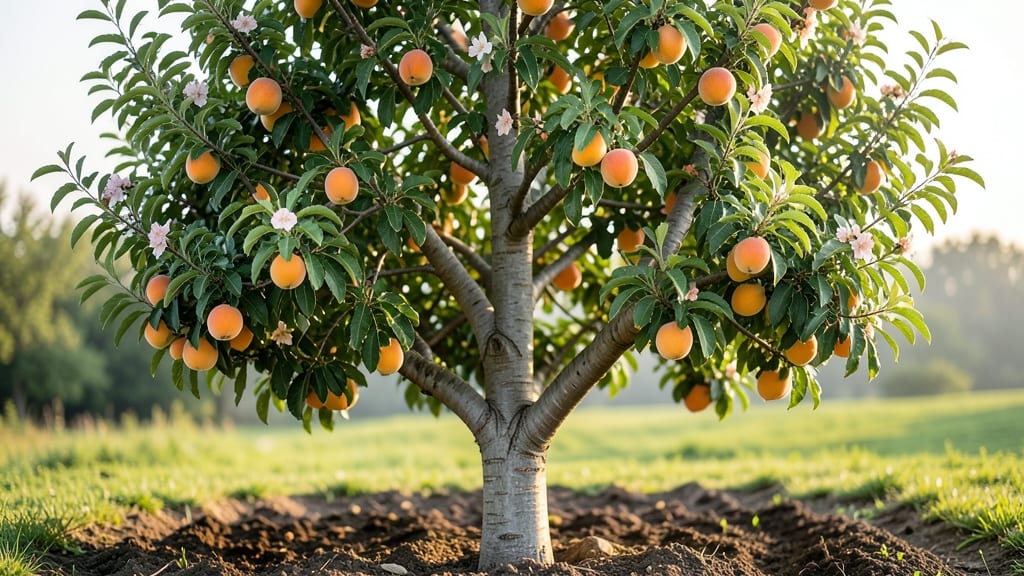
Growing peaches in Vancouver means choosing cold-hardy varieties that thrive in our chilly coastal climate. 🌱 I learned the hard way—my first tree froze to the ground in a late spring frost, but these resilient varieties have since given me sweet, juicy fruit every summer.
The key is selecting varieties like 'Reliance' or 'Redhaven,' which handle our damp winters and unpredictable frosts better than traditional peaches. Plant them in a sunny spot with well-draining soil, and watch them flourish even in small urban yards.
Pruning in late winter (before buds swell) keeps branches strong and open for airflow, preventing fungal issues. With the right care, you'll enjoy homegrown peaches by mid-summer—no grocery store needed. This method works for containers too, making it perfect for balconies or patios. Let's get those trees growing!
📚 In This Guide
- What you need
- Instructions
- Tips and common mistakes
- Wrapping up and next steps
What you need
- ● Pruning shears – Sharp, bypass-style (for clean cuts on branches Example: Felco F-2 or Corona.
- ● Loppers – Bypass or anvil type (for branches 1/2"–2" thick). Example: Fiskars X7.
- ● Pruning saw – Curved-tooth (for branches >2" thick). Example: Bahco Rabbit.
- ● Rubbing alcohol or bleach – 70% isopropyl or 10% bleach solution (to sterilize tools between cuts).
- ○ Pruning sealant – Optional but recommended for cuts >1" in diameter (e.g., Tanglefoot Tree Wound Pruning Seal).
- ● Gloves – Cut-resistant (to protect hands from thorns and rough bark).
- ● Ladder or step stool – Sturdy, extendable (for reaching higher branches safely).
- ● Disposable bags or bucket – For collecting pruned branches.
- ● Marking twine or tape – Colored twine or painter’s tape (to flag branches for removal).
- ● Handheld pole pruner – For high branches without a ladder.
- ● Tree wound dressing – Controversial but some swear by it (e.g., TreeHelp).
- ● Work vest with pockets – To keep tools organized.
- ● Safety glasses – Protective eyewear in case of debris.
- ● Notebook & pen – To sketch your pruning plan or track progress.
- ● Cold-resistant peach variety – Choose late-blooming cultivars like ‘Redhaven’, ‘Elberta’, or ‘Reliance’ (hardy to Zone 6-7 with winter protection).
- ● Prune at the right time – Late winter/early spring (after last frost, ideally February–March in Vancouver).
- ● Check for pests/disease – Inspect for peach leaf curl or aphids before pruning.
- ● City permit (if applicable) – Verify with Vancouver Parks Board if your tree is near a sidewalk or park.
Step-by-step guide for pruning cold-resistant peach trees in Vancouver
Vancouver’s mild but unpredictable winters mean your peach tree needs careful pruning to thrive. Here’s how to shape it for maximum fruit and hardiness.
✂️ Step 1: Choose the Right Time for Vancouver’s Climate
Prune your cold-resistant peach tree during late winter to early spring, ideally 4-6 weeks before the last frost date in your area. In Vancouver, this usually falls between mid-February and early March when the tree is still dormant but before buds begin to swell. Pruning at this time prevents disease spread and encourages strong new growth.
If you notice any dead, diseased, or damaged branches during the growing season, remove them immediately—just avoid heavy pruning then, as it stresses the tree. I always check for brown, brittle branches or suckers growing from the base, which compete with the main tree for nutrients.
✂️ Step 2: Gather Tools and Prepare for Safety
You’ll need a sharp bypass pruner for small branches, loppers for thicker limbs, and a pruning saw for any branches over 1 inch in diameter. Sterilize your tools with rubbing alcohol or a 10% bleach solution to prevent spreading disease. Wear gloves—peach tree thorns are no joke.
Before you start, sketch a rough outline of your tree’s structure. This helps visualize where to make cuts and ensures you maintain an open center for airflow and sunlight. Vancouver’s damp climate means poor airflow can lead to fungal issues, so keeping the tree open is critical.
✂️ Step 3: Remove Dead, Diseased, or Crossing Branches First
Start by identifying and removing dead wood—branches that are brown, brittle, or hollow. Next, look for diseased branches with black spots, oozing sap, or unusual growths. Cut these back to healthy wood, making your cuts just outside the branch collar (the swollen area where the branch meets the trunk).
Remove any branches that cross or rub against each other, as these create wounds that invite pests and disease. You’ll also want to eliminate water sprouts (fast-growing, vertical shoots) and suckers (shoots growing from the base or roots). These sap energy away from fruit production.
✂️ Step 4: Thin Out to Improve Airflow and Sunlight
Step back and assess the tree’s structure. Your goal is to create an open vase shape with a strong central leader (main trunk). Remove upward-growing branches that angle less than 45 degrees from the trunk, as these compete with the leader. Also, thin out branches that cast shade onto the interior of the tree.
Leave scaffold branches (the main branches forming the tree’s framework) spaced 8-12 inches apart. These should be thick, sturdy, and evenly distributed. If a scaffold branch is too weak, shorten it back to a strong lateral branch or bud facing the outside of the tree. This ensures the tree’s energy goes into fruit-bearing wood.
✂️ Step 5: Shape for Fruit Production and Winter Hardiness
To encourage fruit production, focus on outward-facing buds when making cuts. These buds will grow into branches that bear fruit more efficiently. Shorten last year’s fruit spurs (short, stubby branches) by one-third to stimulate new growth. Avoid cutting back more than one-third of the tree’s total growth in a single year.
In Vancouver’s climate, peach trees benefit from a slightly more compact shape to reduce wind damage. After pruning, apply wound dressing (like tree sealant) only to cuts larger than 1 inch in diameter. Smaller cuts should be left to heal naturally—they seal faster without interference. Finish by raking up debris around the base to prevent fungal diseases from overwintering.
Tips & tricks for pruning cold-resistant peach trees in Vancouver
Here's what nobody tells you about pruning that'll make all the difference for your Vancouver peach tree.
Timing is Everything: That 4-6 week window before last frost isn't just arbitrary—it's when your tree is in its dormant state but hasn't yet started active growth. I learned this the hard way after pruning too early in January and seeing delayed bud break. Check your local frost dates and mark your calendar for mid-February to early March. If you're unsure, err on the later side—better to wait a week too long than prune too early.
Tool Sharpness Matters: Dull pruners tear wood instead of making clean cuts, creating larger wounds that invite disease—especially critical in Vancouver's damp climate. I keep a small file in my toolkit to sharpen blades between uses. For branches over 1 inch, use your pruning saw instead of loppers, which can crush the wood and damage the branch collar. Remember, cleaner cuts heal faster and stronger.
Visualize Your Cuts: Before making any cuts, step back and mentally trace the tree's future shape. Look for branches that grow inward or downward—they'll create shade and reduce airflow. Focus on creating an open vase shape with scaffold branches spaced 8-12 inches apart. I always sketch a rough outline on paper first. This helps me see how each cut will affect the overall structure before I make it.
Vancouver-Specific Disease Prevention: Our city's humidity creates perfect conditions for fungal diseases like peach leaf curl. After pruning, rake up all debris and dispose of it in yard waste—not your compost bin. For cuts larger than 1 inch, apply a thin layer of tree sealant immediately. This isn't just about aesthetics—it's about preventing moisture from getting trapped in the wound, which is how many fungal infections start in our climate.
Pro Tips for Peach Tree Vancouver
- Here's what nobody tells you about pruning that'll make all the difference for your Vancouver peach tree.
- Timing is Everything: That 4-6 week window before last frost isn't just arbitrary—it's when your tree is in its dormant state but hasn't yet started active growth.
- Tool Sharpness Matters: Dull pruners tear wood instead of making clean cuts, creating larger wounds that invite disease—especially critical in Vancouver's damp climate.
Frequently asked questions
Got questions about growing peach trees in Vancouver’s climate? Here are some common concerns—and answers—to help you cultivate a thriving urban orchard.
What are the cold-hardiest peach tree varieties for Vancouver’s Zone 8a climate?
Look for Prunus persica varieties like ‘Reliance’ or ‘Redhaven’, which tolerate brief dips below -15°C (5°F). Dwarf varieties (e.g., ‘Bonanza’) are ideal for small spaces and mature faster. Always check local nurseries for grafted, cold-resistant stock—avoid tender varieties like ‘Elberta unless you have microclimate protection.
How do I protect my peach tree from Vancouver’s late frosts?
Use frost cloths or row covers during bloom (April–May) to shield flowers from <10°C (50°F) temps. Wrap the trunk with tree guard to prevent sunscald in winter. For young trees, mulch heavily (10–15 cm) with straw or wood chips to insulate roots. Avoid overhead watering before frost—wet blossoms freeze easier!
When is the best time to prune peach trees in Vancouver?
Prune late winter to early spring (February–March), before buds swell, to avoid spreading bacterial canker. Remove dead, crossing, or diseased branches first, then thin to improve airflow. Never prune in fall—it invites fungal infections. For heavy pruning, do it in two stages: first cut in late winter, second after harvest (July–August) to shape.
Why are my peach tree leaves curling, and how do I fix it?
Curling leaves often signal peach leaf curl (a fungal disease) or spider mites. For leaf curl, apply copper fungicide (e.g., Copper Soap) before bud break and again after harvest. For mites, spray with neem oil or introduce predatory mites. Improve airflow by pruning and avoid overhead watering. Resistant varieties like ‘Contender’ can reduce future issues.
Can I grow a peach tree in a container in Vancouver?
Yes! Choose dwarf varieties (e.g., ‘Bonanza’ or ‘Springcrest’) in a 20–30 gallon pot with drainage holes. Use well-draining soil (50% potting mix, 30% compost, 20% perlite) and move containers to a sunny spot (6+ hours/day). Water deeply when the top 5 cm of soil dries, and fertilize monthly with citrus-specific fertilizer. Note: Container trees fruit 2–3 years later than in-ground.
Wrapping up and next steps
Growing a peach tree in Vancouver is totally doable—especially with cold-resistant varieties like ‘Redhaven’ or ‘Reliance’—and proper pruning keeps your urban orchard thriving.
Whether you’re trimming for shape, health, or fruit production, remember: timing and technique are your best friends. 🌿 With the right tools, patience, and a little know-how, you’ll be harvesting juicy peaches in no time!
Ready to take the next step? Start small—plant a tree, grab your pruners, and dive into seasonal care. And if you’re feeling ambitious, share your progress (or questions!) with local gardening groups. Happy growing, Vancouver!