
Pruning
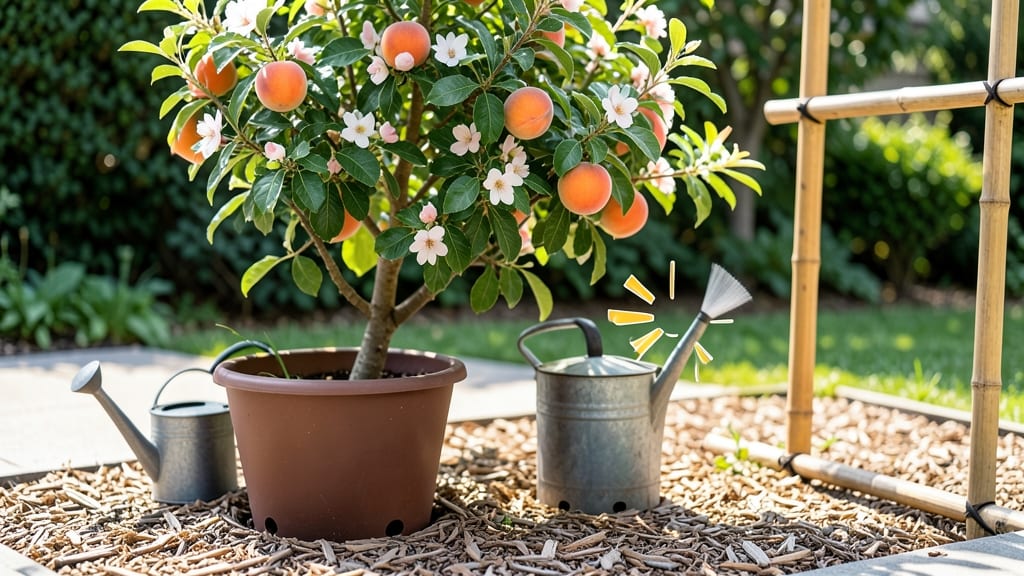
Growing a patio peach tree with proper care that produces fruit year after year isn't just possible—it's easier than you think, even with minimal pruning. 🌱 I've had mine thriving in a 15-gallon container for three seasons now, and the secret isn't fancy techniques but smart care that matches the tree's natural rhythm.
The first year is all about getting the setup right, and once you do, the tree rewards you with blossoms and fruit that outshine anything from the grocery store.
Peaches in containers need three things: the right soil mix, consistent watering, and a spot that gets at least 6-8 hours of sun daily. I use a blend of potting soil, compost, and a slow-release fertilizer to keep roots happy without overfeeding.
Watering is where most people trip up—drench the soil until water runs out the bottom, then let it dry slightly before watering again. Overwatering is the fastest way to kill a potted peach tree, so I check the soil with my finger before reaching for the hose.
By summer, you'll see the payoff: glossy green leaves, delicate white blossoms, and—if you're lucky—tiny peaches forming. The key to keeping your tree productive is pruning just enough to shape it and remove dead wood.
I do a quick cleanup in late winter and a light trim after harvest, never more than 20-25% of the branches at once. This keeps the tree compact, encourages new growth, and makes it easier to move if you need to adjust its spot.
Even in containers, peach trees face challenges like root-bound stress or pest issues, but these are easy to spot and fix early. Watch for aphids on new growth and treat with soapy water if you see them.
If your tree looks stressed, it might need a larger pot or a fresh soil mix. The good news? Patio peach trees are forgiving—with the right care, they'll keep bearing fruit for years, and you'll never need to leave home to enjoy fresh peaches again.
📚 In This Guide
- What you need
- Instructions
- Tips and common mistakes
- Wrapping up and next steps
What you need
- ● Patio peach tree: Dwarf variety (e.g., 'Bonanza' or 'Redhaven') in a 15-25 gallon container (ensure it’s at least 20 inches deep with drainage holes).
- ● High-quality potting mix: 10-20 lbs of well-draining, slightly acidic mix (pH 6.0–6.5). Look for blends labeled for fruit trees or citrus.
- ● Container: If repotting, choose a 5-gallon pot or larger with drainage holes (terracotta or plastic with good airflow).
- ● Pruning tools: Bypass pruners (for clean cuts on smaller branches).
- ● Loppers (for thicker branches up to 1.5 inches).
- ● Sterilizing solution (e.g., rubbing alcohol or 10% bleach) to disinfect tools.
- ● Fertilizer: Balanced organic fertilizer (e.g., 10-10-10 or 6-6-6) or fruit-tree-specific granules (follow package rates).
- ● Mulch: 2–3 inches of wood chips or straw (keep 3–4 inches away from the trunk to prevent rot).
- ● Watering can or hose: With a gentle spray nozzle (avoid blasting the soil).
- ● Support stake: 1–2 bamboo or metal stakes (if your tree is taller than 3 feet) + soft tree tie.
- ● Tree guard: Frost cloth or bubble wrap for winter protection in cold climates.
- ● Drip irrigation system: Automates watering (great for busy patio gardeners!).
- ● Epsom salt: 1 tbsp/month in water during fruiting season for magnesium boost.
- ● Pest control: Neem oil spray or beneficial nematodes (preventative measure).
- ● Grow lights: If indoors or in low-light areas (LED full-spectrum bulbs).
Step-by-step instructions for patio peach tree care
Here's how I keep my patio peach tree producing fruit year after year with just a few focused tasks.
🌱 Step 1: Plant in the Right Spot for Maximum Sun
Patio peach trees need 6-8 hours of direct sunlight daily—more than most fruit trees. I place mine where it gets morning sun and afternoon shade during summer's peak heat. The tree's south or southwest exposure ensures fruit ripens evenly without sunburn.
Check your patio's sun patterns over a week first. Mark where sunlight hits at different times—you'll notice some spots get full sun while others remain in shade. Choose the sunniest location possible, even if it means moving the tree once you see how light shifts.
☀️ Step 2: Water Deeply but Infrequently
Water your patio peach tree once a week during dry spells, delivering 1-2 gallons directly at the base. The key is deep watering that encourages roots to grow downward, not shallow watering that creates weak, surface roots.
You'll know you're doing it right when the soil feels moist 6 inches deep after watering. Stick your finger in the soil—if it's dry at that depth, it's time to water again. Mulch around the base with 2-3 inches of organic mulch to retain moisture and regulate soil temperature.
✂️ Step 3: Prune Only When Necessary
Minimal pruning is all you need—just remove dead, diseased, or crossing branches in late winter or early spring. I use clean, sharp pruners to make cuts just outside the branch collar where the branch meets the trunk. This prevents unsightly stubs and encourages faster healing.
Watch for branches growing inward or rubbing against each other—these compete for sunlight and nutrients. Remove them first, then thin out any branches that cast too much shade on fruit clusters. Never remove more than 25% of the tree's canopy in one season to avoid stressing the plant.
🌿 Step 4: Fertilize Lightly in Early Spring
Apply a balanced 10-10-10 fertilizer in early spring when new growth begins. Use about 1/4 pound per year of tree age (so a 5-year-old tree gets 1/2 pound). Spread the fertilizer evenly in a circle around the tree's drip line, then water deeply to help it reach the roots.
You'll see the difference within weeks—new leaves will emerge with vibrant green color, and the tree's growth will look more vigorous. Avoid fertilizing in late summer or fall, as this encourages tender new growth that can't survive winter frosts.
⏰ Step 5: Protect from Late Frosts
Patio peach trees are sensitive to late spring frosts. When temperatures drop below 28°F, cover the tree with a frost blanket or row cover secured loosely around the trunk. Leave the top open to allow sunlight during the day, then close it at night.
You'll know the frost protection worked if the tree's flowers and buds remain intact after the frost passes. Remove the cover as soon as temperatures rise above freezing to prevent heat buildup that could damage the tree.
Tips & tricks for perfect patio peach tree care
Between us, these small adjustments make a world of difference for your peach tree's health and fruit production.
Sunlight Strategy: If your patio only gets partial sun, consider placing the tree where it gets morning sun and afternoon shade—this mimics the natural light patterns peach trees thrive in. I've seen trees in full sun all day struggle with sunburned fruit, while those with morning sun produce sweeter, more consistent peaches.
Watering Wisdom: The once-a-week watering rule works best when you deliver that 1-2 gallons slowly at the base. I use a watering wand to avoid splashing leaves, which can lead to fungal issues. Also, water in the morning so the foliage has all day to dry out—this prevents common peach tree diseases that thrive in damp conditions.
Pruning Precision: When you're removing those crossing branches in Step 3, make your cuts just outside the branch collar—this is where the branch meets the trunk. I can't stress enough how important clean cuts are; they heal faster and prevent disease entry points. And remember, those 25% canopy limits are there for a reason—peach trees are sensitive to over-pruning.
Frost Protection Hack: For that 28°F threshold, I keep a small thermometer near my tree during frost warnings. When temps drop to 30°F, I start covering the tree—this gives me a 2-hour buffer before the critical temperature. Also, leave a small gap at the bottom of the frost blanket to allow air circulation, which prevents heat buildup that can actually harm the tree.
Pro Tips for Patio Peach Tree Care
- Between us, these small adjustments make a world of difference for your peach tree's health and fruit production.
- Sunlight Strategy: If your patio only gets partial sun, consider placing the tree where it gets morning sun and afternoon shade—this mimics the natural light patterns peach trees thrive in.
- Watering Wisdom: The once-a-week watering rule works best when you deliver that 1-2 gallons slowly at the base.
Frequently asked questions
Got questions about keeping your patio peach tree happy without the hassle? Here are some of the most common concerns—plus quick, practical answers to keep your tree thriving!
How often should I prune my patio peach tree?
Prune your patio peach tree once a year, ideally in late winter or early spring (before buds swell). This keeps it manageable while encouraging strong growth. Avoid heavy pruning in fall—it can stress the tree and leave it vulnerable to cold damage. Focus on removing dead, crossing, or overcrowded branches for a tidy, healthy look.
Can I grow a peach tree in a pot on my patio?
Patio peach trees are bred for containers, but choose a large pot (at least 15 gallons) with drainage holes. Use well-draining soil and repot every 2–3 years. Place it in full sun (6+ hours daily) and water deeply when the top inch of soil feels dry. Just remember: container-grown trees may need extra winter protection in cold climates.
How do I protect my peach tree from frost?
Patio peach trees are semi-dwarf, but they still need frost protection in chilly zones. Mulch the base with straw or wood chips to insulate roots, and cover the tree with frost cloth if temps dip below 25°F. Avoid pruning in late fall—wait until spring to prevent frost damage. If possible, move potted trees to a sheltered spot or indoors (like a garage) during extreme cold snaps.
Why aren’t my peach tree’s leaves turning green?
Yellow or pale leaves often signal nutrient deficiencies (like nitrogen or magnesium) or overwatering. First, check soil moisture—peach trees hate soggy roots. If the problem persists, fertilize in early spring with a balanced fruit-tree fertilizer. For container trees, flushing the soil with water occasionally can also help prevent buildup of salts that block nutrient uptake.
Will my patio peach tree produce fruit?
Yes! Patio peach trees are self-pollinating, meaning they don’t need another tree for fruit. However, fruit production may be smaller than full-sized trees. To boost yields, prune to improve airflow and thin fruit early (remove excess peaches when they’re golf-ball sized). Patience is key—young trees (under 3 years) focus on growth, so fruit may take 1–2 seasons to appear consistently.
What tools do I really need for pruning?
Keep it simple! You’ll need:
- Bypass pruners (for clean cuts on small branches)
- Loppers (for thicker branches up to 1.5 inches)
- Sterilizing solution (rubbing alcohol or bleach water) to prevent disease spread
- Garden gloves (to protect from thorns and sap)
Wrapping up and next steps
Caring for your patio peach tree is all about patience, consistency, and a little love—no fancy tools or endless pruning required! 🌱 With the right balance of sunlight, water, and seasonal adjustments, your tree will reward you with delicious fruit and lush foliage for years to come.
Start small, stay observant, and soon you’ll be enjoying homegrown peaches with confidence.
Ready to take the next step? Grab your pruners and a notebook—track your tree’s progress, experiment with a few new tips, and share your harvest with friends! 🍑 Who knows? You might just inspire your neighbors to grow their own patio peach paradise.