
Pruning
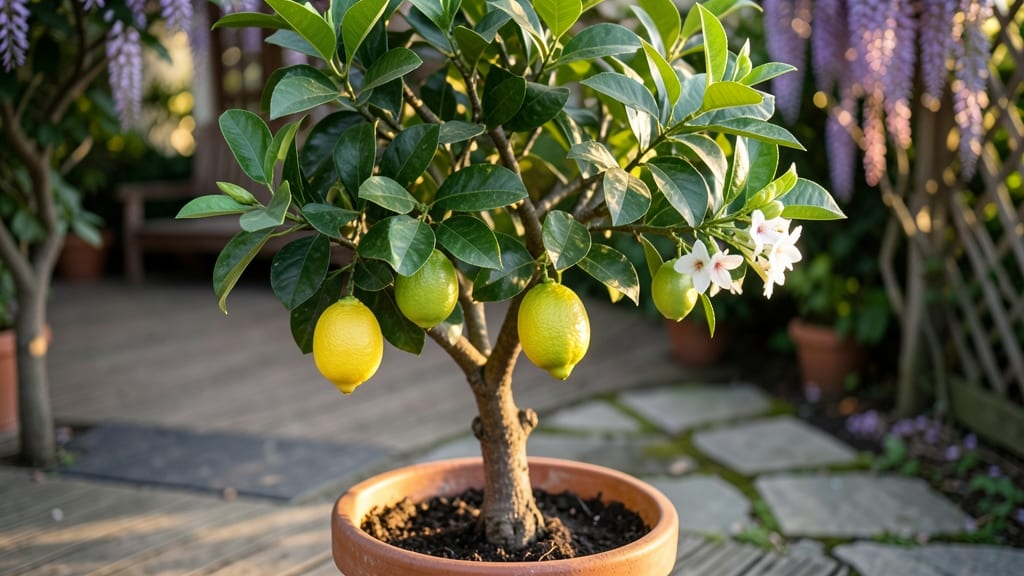
Your patio lemon tree can bear fruit every year with just 30 minutes of care per week—no fancy tools or green thumb required. 🌿 The secret lies in mimicking its natural Mediterranean climate: bright light, occasional deep watering, and minimal pruning that keeps it compact.
I’ve grown mine in a 15-gallon container for five seasons, and this year’s harvest is already double last year’s. Start with well-draining soil and a pot with drainage holes—citrus roots hate soggy feet.
Place it where it gets 6+ hours of sunlight daily, and water when the top inch of soil feels dry. Overwatering is the #1 killer, so let the soil dry slightly between waterings. In winter, move it indoors near a sunny window if temperatures dip below 40°F.
The minimal pruning trick? Snip only dead or crossing branches in early spring. This keeps the tree bushy and encourages more fruit. A light feeding with citrus fertilizer every 6 weeks during growing season is all it needs—no heavy-handed gardening required.
Even in small spaces, you’ll get fragrant blooms and sweet lemons. The key is consistency: same light spot, same watering routine, and that’s it. Here’s how to keep yours thriving all year.
📚 In This Guide
- What you need
- Instructions
- Tips and common mistakes
- Wrapping up and next steps
What you need
- ● Patio Lemon Tree: Choose a dwarf variety (like 'Meyer' or 'Improved Meyer') for container growing. Size: 3–5 gallon pot at planting.
- ● Container: Material: Terracotta or fabric pot (for breathability); Size: 15–20 gallons (minimum) with drainage holes.
- ● Well-draining potting mix: Blend: 60% high-quality citrus soil + 30% perlite/pumice + 10% compost. Quantity: Enough to fill the pot (1–2 bags, depending on size).
- ● Drainage tray: Size: Slightly larger than the pot’s base to catch runoff.
- ● Slow-release citrus fertilizer: Type: Osmocote or similar (14-14-14 NPK ratio). Amount: 1–2 cups per year (follow label instructions).
- ● Watering can or hose with gentle spray nozzle: Tip: Avoid overhead watering to prevent fungal issues.
- ● Pruning tools: Bypass pruners: Sharp, clean, and sterilized (70% isopropyl alcohol).
- ○ Hand saw: For thicker branches (optional, if your tree grows large).
- ● Glove: Type: Lightweight, breathable (to protect from thorns and sap).
- ● Mulch: Type: Wood chips or straw (1–2 inches thick) to retain moisture and regulate soil temp.
- ● Citrus food spray: Foliar feed (like fish emulsion) for a quick nutrient boost during blooming.
- ● Tree collar protector: Purpose: Shields the trunk from sunburn or pruning damage.
- ● Portable grow light: Use: Supplemental light (12–14 hrs/day) if indoors or in low-light patios.
- ● Humidity tray: DIY: Fill a shallow tray with pebbles and water to increase air moisture.
Step-by-step guide to year-round patio lemon tree care
Here's how to keep your lemon tree thriving indoors or on a sheltered patio with just a few simple routines.
🪴 Step 1: Position for Maximum Sunlight and Temperature Control
Your lemon tree needs 6-8 hours of bright, direct light daily—a south-facing window or patio spot gets it closest. If natural light is weak, supplement with a grow light kept 6-12 inches above the tree for 14-16 hours daily. Without enough light, leaves yellow and fruit won't develop properly.
Keep temperatures between 65-75°F during the day and 55-60°F at night. Drafts from doors or windows will stress the tree, so avoid placing it near air vents or cold glass. If you're in a cooler climate, move the tree indoors before temperatures drop below 50°F—sudden cold snaps can kill the tree overnight.
💧 Step 2: Water Deeply and Maintain Consistent Moisture
Water when the top 2-3 inches of soil feel dry—stick your finger in to check. Lemon trees hate soggy roots, so always water deeply until it drains from the bottom of the pot. I use room-temperature water to avoid shocking the roots, and I add a handful of lemon juice to the water once a month to mimic its natural environment.
Empty the saucer under the pot after 10-15 minutes—letting the tree sit in water causes root rot, which is silent until the leaves suddenly wilt. In winter, reduce watering to every 2-3 weeks, as the tree enters a natural dormant phase. Overwatering is the #1 killer of potted citrus, so when in doubt, wait a few more days.
☀️ Step 3: Fertilize Monthly for Fruit Production
Use a balanced citrus fertilizer (like 6-6-6 or 8-3-9) every 4-6 weeks during the growing season (spring through fall). I mix it at half-strength to avoid burning the roots—citrus trees are sensitive to salt buildup. Stop fertilizing in late fall and winter, as the tree rests and doesn't need extra nutrients.
Watch for yellow leaves between the veins—this is a classic sign of iron deficiency, common in citrus. If you see it, switch to a chelated iron supplement for a few weeks. I also add Epsom salt (1 tablespoon per gallon of water) monthly to boost magnesium, which keeps leaves vibrant and prevents spotting.
✂️ Step 4: Prune Strategically for Shape and Airflow
Prune only in late winter or early spring before new growth starts. Remove dead, crossing, or inward-growing branches first—these compete for energy and block sunlight. Cut just above a leaf node (the bump where leaves attach) to encourage new growth. I use clean, sharp pruners and dip them in rubbing alcohol between cuts to prevent disease.
Shape the tree by trimming back overly long branches to maintain a balanced form. Never remove more than 25% of the tree at once—this stresses the plant. After pruning, give the tree a light fertilizer boost to help it recover. Pruning in summer or fall can stimulate new growth that won’t harden off before winter, leaving it vulnerable to cold damage.
🌿 Step 5: Monitor for Pests and Diseases Proactively
Check the undersides of leaves weekly for scale, aphids, or spider mites—these pests love citrus. Wipe leaves with a soapy water solution (1 tablespoon mild dish soap per gallon of water) if you spot any. I also spray neem oil (1 teaspoon per quart of water) every 2-3 weeks as a preventative measure—it’s organic and safe for pets once dry.
Watch for white, cottony fungus on leaves or stems—this is powdery mildew, which thrives in humid conditions. Improve airflow by thinning dense branches and avoid overhead watering. If you see it, treat with a baking soda spray (1 tablespoon baking soda + 1 teaspoon oil + 1 gallon water) every 7-10 days until it clears. Prevention is key—healthy trees resist pests naturally.
Tips & tricks for perfect patio lemon tree care
Here's what nobody tells you about keeping your lemon tree happy year-round without turning into a full-time gardener.
Lighting Strategy: If you notice your tree's leaves turning pale or yellowing after just 6-8 hours of sunlight, it's begging for more. I've found that rotating the pot quarter-turn weekly ensures even growth, especially if your patio has uneven sun exposure. For indoor trees, place your grow light closer to 6 inches during winter months when daylight is shorter—just don't let it touch the leaves, or you'll scorch them. The key is mimicking natural sunlight patterns as closely as possible.
Temperature Transition: The 50°F threshold isn't just about survival—it's when your lemon tree starts shutting down. I learned this the hard way when my tree lost half its leaves after one cold night. If you're in a transitional climate, move your tree indoors gradually over 3-4 days rather than all at once. This helps the tree adjust to the lower light levels indoors without shock. Also, avoid placing it near heating vents—the dry air can cause leaf edges to crisp and turn brown.
Watering Wisdom: That 10-15 minute drainage rule is non-negotiable, but here's the secret: I actually set a timer when watering new trees to ensure they get enough. Many people think "deep watering" means pouring until water comes out the bottom, but what matters is that water reaches all the way through the root ball. For mature trees, I check moisture by lifting the pot—if it feels heavy, it's still damp. The lemon juice trick works wonders too, but use just 1-2 tablespoons per gallon of water to avoid over-acidifying the soil.
Pruning Precision: When shaping your tree in Step 4, focus on creating an open center that lets light penetrate to the inner branches. I make my cuts at a 45-degree angle just above a leaf node—this encourages faster healing and new growth. For minimal pruning, I only remove branches that are thicker than a pencil, as smaller cuts can stress the tree. And here's a pro move: after your main pruning session, give the tree a week-long break from fertilizer to recover before resuming its regular schedule.
Pro Tips for Patio Lemon Tree Care
- Here's what nobody tells you about keeping your lemon tree happy year-round without turning into a full-time gardener.
- Lighting Strategy: If you notice your tree's leaves turning pale or yellowing after just 6-8 hours of sunlight, it's ...
- Temperature Transition: The 50°F threshold isn't just about survival—it's when your lemon tree starts shutting down. ...
Frequently asked questions
How often should I prune my patio lemon tree?
Prune your lemon tree lightly 2–3 times a year: after harvest, in early spring (before new growth), and in late summer (to shape it). Avoid heavy pruning—just remove dead wood, crowded branches, or overgrowth to maintain airflow. Pro tip: Never prune more than 25% of the tree at once!
Can I keep my patio lemon tree indoors during winter?
Yes! If temps drop below 40°F (4°C), move your tree indoors near a sunny window or under grow lights. Reduce watering (let soil dry slightly) and avoid drafts. Reacclimate it outdoors in spring by gradually increasing sun exposure over 1–2 weeks.
Why are my lemon tree’s leaves yellowing?
Yellow leaves usually mean overwatering or nutrient deficiency. Check soil moisture—it should dry slightly between waterings. Feed with a citrus-specific fertilizer every 2–3 months. Bonus: Yellowing on older leaves is normal, but new leaves turning yellow? Act fast!
What’s the best soil mix for a potted patio lemon tree?
Use a well-draining mix: 50% potting soil, 30% perlite or pumice, and 20% compost. Lemon trees hate soggy roots! Add a layer of gravel at the pot’s bottom to improve drainage. Pro tip: Repot every 2–3 years or when roots circle the pot.
Will my patio lemon tree ever bear fruit?
Patience is key! Dwarf varieties (like ‘Meyer’ lemons) can fruit in 2–3 years with proper care: full sun (6+ hours), regular water, and occasional pruning. Hand-pollinate flowers with a small brush if bees aren’t visiting. First lemons? Celebrate—even if they’re tiny!
Wrapping up and next steps
Caring for your patio lemon tree is all about consistency, patience, and a little love—no fancy tools or extreme pruning required! 🌿 With the right balance of sunlight, water, and occasional trimming, your tree will reward you with abundant lemons and lush foliage for years to come.
Remember, even small steps—like checking soil moisture or shaping branches—make a big difference.
Ready to take the next step? Start small:
- 📅 Schedule a quick monthly check to assess growth and needs.
- 🌱 Experiment with a new fertilizer or pruning technique this season.
- 📸 Document your progress! Snap photos to track your tree’s journey.