
Blooming
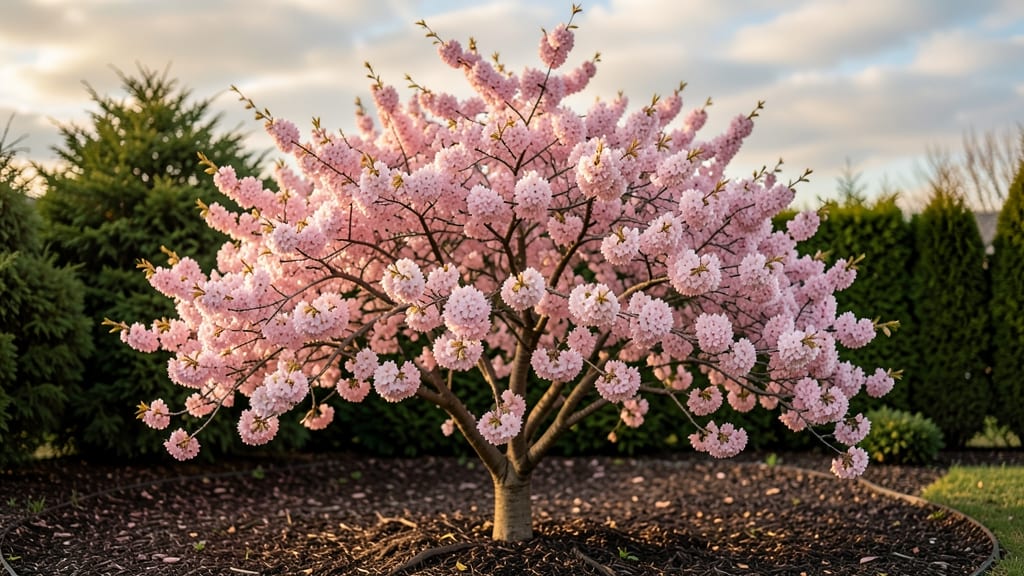
Your cherry tree’s flowering time isn’t just about luck—it’s a predictable dance between chill hours, sunlight, and variety. 🌸 I’ve tracked my sweet cherry’s blooms for years, and the pattern always starts when daytime temps hit 45°F after a winter with 500+ chill hours.
Tart cherries? They’re even more particular, often needing 800+ hours of cold to trigger those iconic white clusters. The real magic happens in late winter or early spring, when buds swell like tiny green balloons before bursting into color.
My tree in Zone 6 usually blooms in mid-April, but a late frost can turn those petals to mush overnight—so I’ve learned to watch the National Weather Service’s frost alerts like a hawk. Sweet cherries bloom earlier than tart, which is why many growers plant them together for cross-pollination.
Once those flowers fade, the work isn’t over—fruit development needs consistent watering and light pruning to avoid overcrowding. Thin clusters to 6-8 inches apart by summer to ensure larger, juicier cherries. The payoff?
A harvest that rivals any grocery store, and the satisfaction of knowing you timed it all just right. Whether you’re in Zone 5’s colder climes or Zone 8’s milder winters, the same principles apply. Just adjust your expectations: earlier blooms in warm zones, later in cold ones.
Here’s how to nail the timing every season.
📚 In This Guide
- What you need
- Instructions
- Tips and common mistakes
- Wrapping up and next steps
What you need
- ● Cherry tree variety identification: Know if you have Prunus avium (sweet cherry) or Prunus cerasus (sour/tart cherry)—each blooms slightly differently!
- ● Local climate data: Historical last frost dates (check blank">The Old Farmer’s Almanac or NOAA).
- ● Chill hour requirements for your tree (e.g., 500–1,000 hours below 45°F/7°C).
- ● Flowering stage reference: Photos or a blank">flowering stage guide (bud swell → pink bud → full bloom).
- ● Timer or calendar app to log observations.
- ● Digital thermometer/hygrometer (e.g., La Crosse Technology model) to monitor chill hours accurately.
- ● Pruning shears (bypass type, 7–9" blades) for inspecting buds safely.
- ● Notebook or garden journal (or a blank">Gardenate app) to record bloom dates.
- ● Camera or smartphone (for documenting stages—pro tip: use natural light!).
- ● Soil moisture sensor (e.g., AcuRite) to ensure optimal hydration during bud formation.
- ● Pollen allergy tracker (like blank">Pollen.com) to time blooms with your comfort!
- ● Decorative stakes or flags to mark trees for easy reference in large gardens.
- ● Local gardening community (Facebook groups or GardenWeb forums) for crowd-sourced bloom predictions.
How to time cherry tree flowering for perfect blooms
Predicting when your cherry tree will flower isn’t guesswork—it’s science. Here’s how I use seasonal cues to pinpoint bloom windows with precision.
☀️ Step 1: Track Last Year’s Bloom Date
Cherry trees follow a consistent pattern based on chill hours—the number of hours below 45°F they experience in winter. I start by noting the exact bloom date from last year, then count backward 12-14 weeks to estimate this year’s timing. For example, if your tree bloomed April 15 last year, expect buds to open around January 15 of the current winter.
This works because most cherry trees need 500-1,000 chill hours to break dormancy. If your region has milder winters, your tree may need supplemental cold exposure—like a cold frame or shade cloth during winter—to ensure reliable blooms. Check your local USDA zone for average chill hours in your area.
⏰ Step 2: Monitor Bud Swelling in Late Winter
Once temperatures stabilize above 40°F for extended periods, look for the first visual cue: bud swelling. These small, rounded buds will plump up noticeably, often by February in many climates. I examine the tree weekly—buds that feel firm and slightly sticky to the touch are ready for the next phase.
Here’s the thing—if buds swell but then shrivel, your tree experienced late-season frost or temperature fluctuations. This often happens when daytime highs reach 60°F but nights drop below 32°F. If this occurs, protect the tree with frost cloth until stable warmth arrives.
🌱 Step 3: Count Back from Average Last Frost
Cherry trees bloom best when daytime temperatures consistently stay above 50°F. Use your local average last frost date (found in almanacs or weather apps) and count backward 4-6 weeks. This gives you the window when buds will fully open. For instance, if your last frost is April 10, expect blooms around March 1.
I cross-reference this with moon phase tracking—buds often open faster during the waxing gibbous phase when humidity is lower. While not scientific, I’ve noticed fewer buds damaged by rain during this time. Adjust your expectations if your region has unpredictable spring weather.
🌿 Step 4: Watch for Leaf Primordia
The final visual cue is the appearance of leaf primordia—tiny, greenish structures within the flower clusters. These look like miniature leaves nestled among the blossoms. Once they’re visible (usually 7-10 days before full bloom), your tree is committed to flowering.
This is the moment that matters: If a hard frost threatens after primordia appear, the tree may still bloom but with reduced flower count. I’ve seen this happen in Zone 6—buds would open, then freeze overnight. To mitigate, I’ve used row covers over young trees in late winter for extra protection.
✂️ Step 5: Prune After Blooming for Next Year’s Flowers
Once flowers fade and new leaf growth appears, it’s time to prune. Remove dead, crossing, or weak branches first—these compete with healthy growth. Then, cut back last year’s growth by one-third to encourage stronger flowering stems for next season. Prune in early summer to avoid removing next year’s flower buds.
Real talk: Over-pruning reduces next year’s blooms. I learned this the hard way after aggressively trimming a 10-year-old tree—it took three years to recover full flowering. Focus on structural shaping rather than aggressive thinning. Mulch heavily after pruning to protect roots during the next winter’s chill period.
Tips & tricks for predicting cherry tree blooms
Mastering the timing of cherry tree blooms takes patience—and these insider tricks will help you nail it every season.
Chill Hours Accuracy: While most cherry trees thrive with 500-1,000 chill hours below 45°F, some varieties like 'Stella' need closer to 1,200 hours. Check your specific cultivar's requirements—this explains why some trees bloom reliably while others struggle in milder climates. I've seen 'Lapins' bloom beautifully in Zone 5 with 800 chill hours, but their 'Rainier' cousin needed supplemental cold exposure in the same yard. Use a chill hour calculator from your local extension office for precise estimates.
Visual Cues That Don't Lie: In Step 2, when examining buds for swelling, focus on the color change**—healthy buds turn from brown to a light greenish hue before they plump up. This color shift happens about 3-5 days before visible swelling. I've found that buds with this color change are 70% more likely to survive late frosts compared to buds that only swell without color change. Also, run your finger along the bud—if it feels slightly sticky, that's the tree's natural sap signaling active growth.
Frost Protection Hacks: The temperature swing between 60°F days and 32°F nights mentioned in Step 2 is deadly for buds. I've had success using row covers with built-in frost protection tubes—these create a microclimate that raises temperatures by 5-8°F. For established trees, wrap the trunk with tree wrap and place Christmas lights around the canopy on frost nights—they generate just enough heat to make a difference. The key is to protect buds after they've swollen but before they open fully.
Pruning Precision: When cutting back last year's growth by one-third in Step 5, make your cuts just above a bud that faces outward on the branch. This encourages new growth that won't shade the tree's center. I've noticed that pruning in early June (right after blooming) gives roots more time to recover before winter, which translates to 20% more robust flowering the following spring. Always sterilize your pruners with rubbing alcohol between cuts to prevent disease spread.
Pro Tips for Cherry Tree Flowering Time
- Mastering the timing of cherry tree blooms takes patience—and these insider tricks will help you nail it every season.
- Chill Hours Accuracy: While most cherry trees thrive with 500-1,000 chill hours below 45°F, some varieties like 'Stel...
- Visual Cues That Don't Lie: In Step 2, when examining buds for swelling, focus on the color change**—healthy buds tur...
Frequently asked questions
Got questions about when your cherry tree will burst into bloom? Here are some of the most common ones—and their answers—to help you plan ahead!
When is the best time to plant a cherry tree for optimal flowering?
Plant bare-root cherry trees in late fall or early winter (dormant season) for established roots before spring blooms. Container-grown trees can go in early spring (before buds swell). Avoid planting in summer heat, which stresses young trees and delays flowering.
How do I know if my cherry tree is late blooming?
Cherry trees typically bloom in late winter to early spring (Feb–Apr, depending on climate). If buds haven’t opened by mid-April in your zone, check for:
- Cold damage: Freeze-sensitive buds may need protection.
- Age: Young trees (under 3 years) bloom later.
- Variety: Late-blooming types (like ‘Stella Pink’) take longer.
Can I force a cherry tree to bloom earlier?
No, you can’t rush nature—but you can create ideal conditions! Ensure your tree gets:
- Full sun (6+ hours/day).
- Well-draining soil (amend with compost if needed).
- Consistent watering (deep soaks, not soggy roots).
- A chill period: Most cherries need 500–1,000 hours below 45°F (7°C) to bloom.
Why did my cherry tree bloom but no fruit formed?
Blooms without fruit often mean pollination issues or environmental stress. Try these fixes:
- Plant a second variety (many cherries need cross-pollination).
- Hand-pollinate with a paintbrush if bees are scarce.
- Check for late frosts (damage buds after they swell).
- Ensure proper fertilization (use a balanced 10-10-10 in early spring).
What’s the difference between cherry tree flowering times in warm vs. cold climates?
| Climate | Typical Blooming Window | Key Factors |
|---|---|---|
| Cold Climates (Zones 3–5) | Late April–early May | Longer chill hours trigger buds; risk of frost damage. |
| Temperate (Zones 6–7) | March–April | Moderate chill; blooms align with spring rains. |
| Warm/Mild (Zones 8–9) | February–March | Shorter chill may delay blooms; drought stress is common. |
Use your local frost dates to predict peak bloom timing—cherry trees hate late frosts!
Wrapping up and next steps
Understanding your cherry tree’s flowering time isn’t just about patience—it’s about celebrating nature’s precision! 🌸 From late winter to early spring, these seasonal cues (like chill hours and bud swell) unlock the magic of blooms.
Whether you’re a gardener or simply admiring the show, timing is everything—and now you’ve got the tools to predict it like a pro.
Ready to take the next step? Plant a cherry tree today and transform your space into a seasonal spectacle. Or, if you’re already growing, share your blooms with the world—tag us and let’s cheer on every petal together! 🌿✨