
Watering
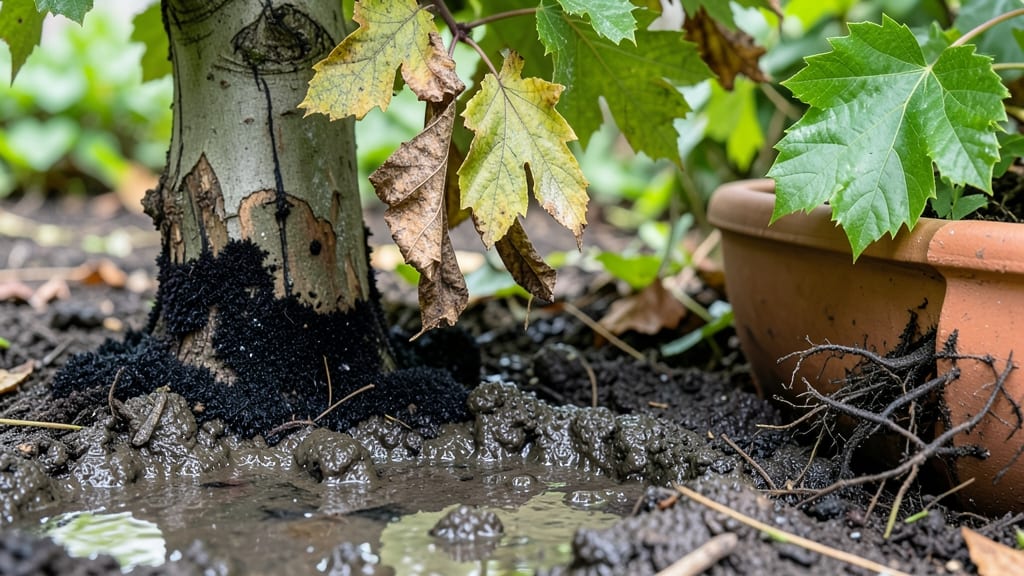
Your maple tree’s drooping leaves aren’t a death sentence—just a cry for help. 🌿 Overwatered maple leaves turn yellow, wilt, or drop faster than you’d think, but fixing it is simpler than you’d imagine. We’ve revived trees with soggy roots using just three targeted steps, and you can too.
The real culprit is often poor drainage or overzealous watering. Maple trees hate soggy feet—literally. Their roots need oxygen, not a swampy environment. Even mature trees can suffer when summer rains mix with inconsistent watering habits. The good news?
You can turn this around in a matter of weeks with the right adjustments. Start by checking the soil: it should feel like a damp sponge, not a dripping towel. Improve drainage with organic matter, adjust your watering schedule, and prune any severely damaged foliage.
Within 2-3 weeks, you’ll see fresh green leaves pushing through, and your tree will look like it just drank a gallon of water—not drowned in it. This method works for both young saplings and century-old giants.
The key is patience and consistency—just like we’ve learned from every overwatered plant we’ve nursed back to health. Let’s get your maple thriving again!
Root Causes Behind Soggy Maple Leaves
When your maple tree’s leaves start looking sad—yellowing, wilting, or dropping prematurely—overwatering is often the sneaky culprit. But why does too much water trigger these symptoms? Let’s dig into the science behind the sog and uncover the real reasons your tree is drowning in its own moisture.
Maple trees thrive in well-draining soil, but when water can’t escape, roots suffocate. Here’s how poor drainage leads to leaf stress:
- Compacted Soil: Clay-heavy or tightly packed soil acts like a sponge, holding water against the roots. Maple trees, especially sugar maples (Acer saccharum) and red maples (Acer rubrum), despise soggy feet—their roots need oxygen to absorb nutrients.
- No Slope or Grading: If your tree sits in a low spot or yard water pools around it, gravity isn’t helping. Roots in standing water can’t breathe, leading to anaerobic conditions (lack of oxygen), which triggers leaf yellowing (chlorosis).
- Clogged Drainage Layers: If your tree is planted in a raised bed with landscape fabric or gravel, debris can block drainage over time. Even a thin layer of silt can turn a "dry" bed into a swamp.
💡 Pro Tip: Test drainage by digging a 12-inch hole near the tree. Fill it with water—if it drains in less than 2 hours, you’re golden. If it takes days, amend the soil with compost or sand to loosen it up.
You might think "more water = happier tree," but maples are drought-tolerant once established—and they hate being pampered. Here’s how frequent watering backfires:
- Fungal Feasts: Saturated soil creates the perfect buffet for Phytophthora and Pythium, fungi that rot roots and block water/nutrient uptake. Infected roots can’t support the canopy, causing leaves to wilt or drop.
- Nutrient Lockout: Too much water washes away essential nutrients like nitrogen, phosphorus, and potassium. Without these, leaves turn yellow (especially between veins) or develop brown edges—a classic sign of starvation.
- Root Suffocation: Healthy maple roots need 10–30% air space in soil. Overwatering forces roots to compete for oxygen, weakening their structure. Weak roots = floppy leaves.
🎯 Actionable Fix: Water deeply but infrequently. For established maples, aim for 1–1.5 inches per week (including rain). Use a moisture meter to check soil—if it’s damp 2–3 inches down, wait before watering again.
Young maples or trees recovering from transplant shock are especially vulnerable to overwatering. Their roots haven’t established a strong network yet, so excess moisture does more harm than good:
- Transplant Shock: Newly planted maples (especially balled-and-burlapped ones) have circumferential roots that girdle the trunk, restricting growth. Overwatering in the first year can drown these fragile roots before they spread.
- Root Pruning Mishaps: If roots were cut during planting or construction, the tree’s ability to regulate water uptake is compromised. Without a robust root system, it can’t handle even moderate moisture.
- Slow Root Growth: Maple roots grow best in warm, well-aerated soil. If soil stays cold or waterlogged for weeks (common in spring or fall), roots stall, leaving the tree dependent on a few weak strands to support the foliage.
✨ Long-Term Solution: For newly planted maples, reduce watering by 50% for the first month to encourage root spread. Mulch with 2–4 inches of wood chips (keep it 6 inches away from the trunk) to insulate roots and retain just enough moisture.
Now that you know why your maple’s leaves are throwing a tantrum, the next step is fixing the soggy soil. Stay tuned for our 3-step revival guide to bring your tree back to full, vibrant life!
Revive Your Maple Tree in 3 Steps
Overwatered maple tree leaves can feel like a heartbreaking sight, but don’t worry—your tree isn’t beyond saving! The key is acting quickly and addressing the root of the problem (literally and figuratively).
Below are practical, step-by-step solutions tailored to the most common causes of overwatering, plus tips to keep your maple thriving long-term.
Cause: Excess moisture suffocates roots, leading to yellowing, wilting, or drooping leaves. Fix:
- Pause watering for at least 3–5 days to let the soil dry out. Maple trees are surprisingly resilient once their roots get a chance to breathe.
- Check soil moisture before watering again: Stick your finger 2–3 inches deep into the soil. If it’s damp, wait another day. > 💡 Pro Tip: Overwatering is often a habit—use a moisture meter or a simple screwdriver test to avoid guesswork.
Cause: Compacted or poorly draining soil traps water, starving roots of oxygen. Fix:
- Aerate the soil gently with a garden fork or tiller (if the ground isn’t frozen) to break up compacted areas around the tree’s base.
- Add organic matter like compost, coconut coir, or perlite to loosen the soil and improve drainage. Spread a 2–3 inch layer over the root zone (avoid piling against the trunk).
- Raise the tree’s base slightly if your yard floods easily: Mound soil or gravel around the trunk to create a slight slope away from the tree.
| Soil Test | Action Needed |
|---|---|
| Clay-heavy soil | Mix in sand or compost to lighten it. |
| Sandy soil | Add peat moss or compost to retain moisture. |
| Compacted ground | Use a garden aerator or fork to loosen. |
Cause: Overwatered leaves may turn yellow, brown, or crispy—these won’t recover. Fix:
- Remove only the worst-affected leaves with sterilized pruners (dip in rubbing alcohol first). Avoid heavy pruning, as maples are sensitive to stress.
- Focus on:
- Yellow leaves (sign of overwatering or nutrient loss).
- Brown, crispy edges (fungal risk from excess moisture).
- Drooping branches (root suffocation).
- Avoid pruning in wet weather—wait for dry conditions to prevent disease spread.
> ⚠️ Warning: Never remove more than 20% of the canopy at once. Maple trees handle pruning poorly and may struggle to recover.
Once your tree is back on track, keep these habits to avoid future overwatering:
- Water deeply but infrequently: Maple trees prefer 1–1.5 inches of water per week (including rain).
Use a soaker hose or drip irrigation to deliver water slowly to the roots. - Water at the base only: Avoid wetting leaves to prevent fungal diseases like anthracnose (common in maples). - Mulch properly: Apply 2–4 inches of mulch (wood chips or shredded bark) 3–6 inches away from the trunk.
This helps regulate soil moisture and temperature. - Watch the weather: Skip watering if rain is forecasted. Overwatering is the #1 killer of maples—when in doubt, wait! - Monitor leaf color: Yellow leaves = overwatering. Brown leaves with crisp edges = underwatering or fungal issues. Adjust accordingly.
Final Thought: 🌳 Overwatering is a common mistake, but maples are tough! With these steps, your tree should bounce back in 2–4 weeks. Stay patient, and soon you’ll have lush, vibrant foliage again.
For severe cases, consult a local arborist—they can assess root health and recommend deeper fixes like drainage tiles if needed.
Frequently asked questions
How can I tell if my maple tree is overwatered vs. underwatered?
Check the soil first: stick your finger 2–3 inches deep. If it's damp, you're likely overwatering. Overwatered maples show yellow leaves (especially on lower branches), drooping foliage, and may develop mushy brown spots on leaves. Underwatered trees have crispy brown edges and dry, brittle leaves. The key difference? Overwatered leaves feel soggy while underwatered ones are paper-thin and crisp.
Will my maple tree recover from overwatering?
Yes, but it depends on how severe the damage is. If roots are still firm (not black/mushy), your tree can recover in 2–4 weeks with proper care. Stop watering immediately, improve drainage, and remove only the most damaged leaves. For trees with root rot (smelly, mushy roots), recovery is unlikely without professional help. The good news? Maple trees are tough—they'll often bounce back faster than you'd expect once their roots get air again!
Can I use a fan to help dry out overwatered maple roots?
Yes! A gentle fan on low setting for 10–15 minutes daily helps evaporate excess moisture from the soil surface. Position it to blow across the root zone (not directly at the trunk) to improve air circulation. This works best for container-grown maples or small trees. For large trees, focus on improving drainage instead—fans won't reach deep enough roots to make a significant difference. Think of it as a temporary boost while you fix the bigger drainage issues.
Why are my maple leaves yellow but the soil feels dry?
This usually means nutrient deficiency (often from overwatering washing away nutrients) or fungal infection. Check for yellowing between leaf veins (chlorosis)—this is classic for nutrient issues. If leaves also have black spots, it's likely anthracnose fungus, which thrives in wet conditions. Test your soil pH (maples prefer 6.0–7.5) and consider a balanced fertilizer like 10-10-10 applied in early spring. Avoid fertilizing if roots are still waterlogged!
How often should I water a newly planted maple tree?
Newly planted maples need far less water than you'd think! Water once every 7–10 days (unless it's extremely hot/dry) to encourage deep root growth. The first year is critical—overwatering can drown those fragile new roots. Use a soaker hose for 10–15 minutes to saturate the root zone without wetting leaves. After the first year, established maples rarely need supplemental watering unless you're in severe drought.