
Trees
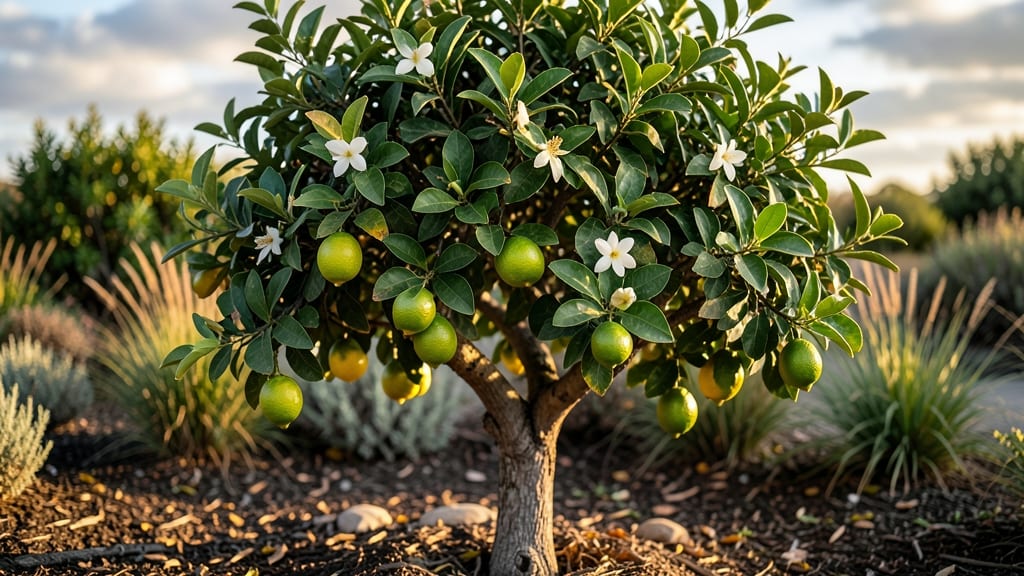
Your Meyer lemon tree dropping leaves isn’t a death sentence—it’s a wake-up call. 🌿 I’ve nursed back three of these trees from leaf-dropping disasters, and the fix always comes down to three core issues: water, pests, or stress.
The good news? Each has a simple solution if you catch it early.
Overwatering drowns roots faster than you’d think. Stick your finger in the soil—if it’s soggy, hold off on watering. Underwatering shows up as crispy edges, while pests like spider mites leave tiny yellow specks on leaves.
Grab a magnifying glass and check the undersides if you spot webbing. Even a sudden draft or temperature swing can trigger panic-dropping.
By the time you see bare branches, you’ve got 2-3 weeks to turn things around. Prune dead leaves immediately, adjust your watering schedule, and spray neem oil if pests are involved. Within weeks, you’ll see fresh green growth pushing through—proof your tree’s just asking for the right care.
Most cases resolve at home, but if the trunk starts oozing or leaves turn black overnight, call an arborist. The key is acting fast—my first tree lost half its leaves before I realized it was thirsty, not sick. Don’t let that be you.
Root Causes Behind Leaf Loss
If your Meyer lemon tree is shedding leaves like a cat in a wind tunnel, don’t panic—it’s often a sign of stress, not a death sentence. 🌿 Understanding the why behind the leaf drop is the first step to bringing your citrus queen back to her vibrant self.
Below, we break down the most common culprits, from environmental shocks to hidden pests, with science-backed explanations and actionable fixes.
Meyer lemon trees (Citrus × meyeri) thrive in USDA Zones 9–11, where temperatures stay between 60–85°F (15–29°C). When exposed to sudden cold snaps (<40°F/4°C) or scorching heat (>95°F/35°C), their leaves turn yellow, crisp, or drop entirely.
This is called chilling injury or heat stress, and it disrupts cellular respiration in the leaves.
Why it happens:
- Cold shock: Temperatures below 50°F (10°C) can damage cell membranes, causing leaves to wilt and fall. Meyer lemons are semi-tender—they can’t handle frost or prolonged cold.
- Heat stress: Above 90°F (32°C), photosynthesis slows, and transpiration (water loss) spikes, leading to leaf scorch and abscission (premature leaf drop).
- Windburn: Strong winds dry out leaves faster than roots can replace moisture, triggering drop-off.
Actionable fix:
- ✅ Move potted trees indoors (a garage or sunroom) if temps dip below 50°F (10°C).
- ✅ Use frost cloth as a lightweight barrier for outdoor trees in fall/winter.
- ✅ Mulch the root zone with 2–3 inches of organic mulch (straw or wood chips) to insulate roots.
- ✅ Provide afternoon shade in summer with a 30–50% shade cloth if temps exceed 90°F (32°C).
Meyer lemon trees hate soggy roots and thirsty roots—both can trigger leaf drop. Overwatering suffocates roots by cutting off oxygen, while underwatering causes hydraulic failure, where the tree can’t transport water to leaves fast enough.
Why it happens:
- Overwatering: Saturated soil leads to root rot (often from Phytophthora fungi), which blocks nutrient uptake. Leaves turn yellow (chlorosis) before dropping.
- Underwatering: Wilting leaves are a cry for help—when soil dries out, the tree prioritizes water to new growth and fruit, sacrificing older leaves to survive.
- Poor drainage: Containers without drainage holes or heavy clay soil trap water, stranding roots in anaerobic (oxygen-free) conditions.
Actionable fix:
- 💡 Check soil moisture by sticking your finger 2 inches deep—water when dry (not bone-dry, not soggy).
- 🔥 Upgrade containers with pots that have drainage holes and use a well-draining mix (50% potting soil, 30% perlite, 20% compost).
- 🌡️ Water deeply but infrequently: Aim for 1–1.5 gallons per foot of tree height every 7–10 days (adjust for climate).
- 🚰 Avoid wetting leaves—use drip irrigation or water at the base to prevent fungal diseases.
Meyer lemons love sunlight but can get sunburned if transitioned too quickly from shade to full sun. Direct afternoon sun (especially in hot climates) causes photoinhibition, where excess light damages chlorophyll, turning leaves white or brown before they drop.
Why it happens:
- Sudden sun exposure: Trees moved from indoors or shaded areas to full sun without acclimation suffer sun scald.
- Reflective surfaces: Light-colored walls, pavement, or sand can amplify UV rays, intensifying damage.
- Transplant shock: Newly planted trees struggle to establish roots fast enough to support leafy canopies in bright conditions.
Actionable fix:
- 🌿 Acclimate gradually: Move potted trees outdoors for 1–2 hours/day, increasing time over 1–2 weeks.
- 🏖️ Use shade cloth (30–50%) for the first month after transplanting or during peak sun hours (11 AM–3 PM).
- 🎯 Prune sun-exposed branches to reduce leaf surface area if damage is severe.
- ✨ Mulch heavily to keep roots cool and reduce heat stress from below.
Hidden invaders like spider mites, scale insects, or citrus leaf miners can drain your tree’s vitality, causing premature leaf drop. Fungal infections (e.g., root rot, anthracnose) also weaken the tree, making it shed leaves as a last-resort survival tactic.
Why it happens:
- Sap-sucking pests: Spider mites and scale insects pierce leaves, disrupting nutrient flow and causing yellowing/stippling before leaves fall.
- Bacterial/fungal infections: Citrus greening (HLB) or root rot block the tree’s vascular system, starving leaves of water/nutrients.
- Leaf miners: Larvae of Phyllocnistis citrella burrow into leaves, creating serpentine trails that kill leaf tissue.
Actionable fix:
- 🔍 Inspect leaves for:
- ⚫ Sticky residue (honeydew) = scale/sap-suckers.
- ⚫ Tiny webs = spider mites.
- ⚫ White serpentine trails = leaf miners.
- 💦 Blast pests off with a strong spray of water (disrupts their life cycle).
- 🛡️ Apply neem oil (1 tsp per quart of water) or insecticidal soap every 7–10 days for 3 weeks.
- 🌡️ Fungal issues? Prune infected branches, sterilize tools with 70% isopropyl alcohol, and treat with copper fungicide.
Pro tip: If leaf drop is paired with yellowing veins or stunted growth, suspect citrus greening (HLB)—a bacterial disease with no cure. Remove infected trees immediately to prevent spread!
Revive Your Tree with These Fixes
Now that you know what’s causing your Meyer lemon tree to drop leaves, it’s time to take action! The good news? Most leaf-dropping issues are fixable with a little care and consistency.
Below are practical, step-by-step solutions tailored to the most common causes, plus prevention tips to keep your tree thriving for years. Let’s get your lemon tree back to its lush, leafy glory!
If your tree’s leaves are yellowing, wilting, or dropping due to soggy roots, drainage and watering habits need an overhaul.
🔥 Step 1: Check the Soil
- Gently dig 1–2 inches into the soil near the base of the tree. If it feels damp or smells musty, you’re overwatering.
- Ideal soil should be slightly moist but not soggy—like a wrung-out sponge.
🍳 Step 2: Adjust Your Watering Routine
- Water deeply but infrequently: Meyer lemon trees prefer dry spells between waterings.
Aim for 1–1.5 inches of water per week (adjust for rain). - Water at the base, not the leaves, to prevent fungal diseases. - Use a moisture meter if you’re unsure—it’s a game-changer for citrus trees!
👨🍳 Step 3: Improve Drainage
- Repot if needed: If your tree is in a container, ensure it has drainage holes.
Add a layer of gravel or perlite at the bottom for better airflow. - Amend heavy soil: Mix in sand, compost, or coconut coir to improve drainage in garden beds. - Raise containers: Elevate pots slightly off the ground to prevent water pooling.
💡 Prevention Tips
✅ Water in the morning so excess moisture evaporates during the day. ✅ Avoid saucers under pots—empty them after watering to prevent root rot. ✅ Mulch lightly (1–2 inches) to retain moisture without suffocating roots.
Drooping or crispy leaves? Your tree might be thirsty or overheating, especially in hot, dry climates.
🔥 Step 1: Increase Water Frequency
- Water when the top 1–2 inches of soil are dry. Stick your finger in—if it’s bone-dry, it’s time to water.
- Give it a long drink: Slowly water until it seeps out the drainage holes (if potted).
🍳 Step 2: Provide Shade & Humidity
- Afternoon sun is brutal—provide partial shade (especially in summer) with a light shade cloth (30–50%).
- Mist leaves occasionally (early morning) to combat dry air, or place a pebble tray with water nearby.
- Group plants together to create a microclimate with higher humidity.
👨🍳 Step 3: Mulch & Protect Roots
- Apply 2–3 inches of mulch (straw, wood chips, or pine bark) to retain moisture and regulate soil temperature.
- Use a windbreak if your tree is exposed to harsh winds or direct heat.
💡 Prevention Tips
✅ Water deeply in the early morning to reduce evaporation. ✅ Avoid cold drafts—Meyer lemons hate sudden temperature drops. ✅ Move potted trees to a sheltered spot during extreme heat.
Yellowing leaves with green veins? Your tree might be hungry for key nutrients, especially nitrogen, iron, or magnesium.
🔥 Step 1: Test Your Soil
- DIY test: Use a soil test kit (available at garden centers) to check pH and nutrient levels.
- Ideal pH for Meyer lemons: 6.0–7.0. If it’s too alkaline (above 7.5), nutrients like iron become unavailable.
🍳 Step 2: Fertilize Correctly
- Use a balanced citrus fertilizer (e.g., 6-6-6 or 8-3-9) every 4–6 weeks during growing season (spring–fall).
- For iron deficiency (yellow leaves with green veins):
- Sprinkle iron chelate on soil or foliar spray with an iron supplement.
- Use Epsom salt (1 tbsp per gallon of water) for magnesium deficiency.
- Avoid over-fertilizing—it can burn roots!
Follow package instructions.
👨🍳 Step 3: Boost Organic Matter
- Add compost or worm castings to the topsoil to improve nutrient availability.
- Use fish emulsion or seaweed extract as a gentle, organic boost.
💡 Prevention Tips
✅ Fertilize lightly in winter—citrus trees rest then. ✅ Flush the soil every few months with water to prevent salt buildup. ✅ Rotate fertilizer types to avoid imbalances.
Spots, holes, or sticky residue on leaves? Pests or fungal infections could be the culprit.
🔥 Step 1: Identify the Problem
- Common pests: Aphids, spider mites, scale, or citrus leaf miners.
- Common diseases: Root rot, fungal leaf spot, or citrus canker.
- Check undersides of leaves and stems for signs (webbing, eggs, or discoloration).
🍳 Step 2: Remove Infestations
- For soft-bodied pests (aphids, mites):
- Spray with neem oil (1 tsp per quart of water) or insecticidal soap.
- Blast off pests with a strong stream of water.
- For scale insects:
- Scrape off with a soft brush or dab with rubbing alcohol.
- Apply horticultural oil in dormant season.
- For fungal issues:
- Prune infected leaves and sterilize pruners with rubbing alcohol.
- Spray copper fungicide or baking soda solution (1 tsp baking soda + 1 quart water + a drop of dish soap).
👨🍳 Step 3: Prevent Future Outbreaks
- Encourage beneficial insects: Ladybugs, lacewings, and parasitic wasps eat pests naturally.
- Keep the area clean: Remove fallen leaves and debris where pests hide.
- Avoid overhead watering to reduce fungal spores.
💡 Prevention Tips
✅ Inspect new plants before bringing them home. ✅ Rotate organic sprays to prevent resistance. ✅ Space trees properly for airflow (citrus needs good circulation).
- Prune strategically: Trim dead or diseased branches to redirect energy to healthy growth.
Use sterilized shears and cut at a 45-degree angle. - Repot if root-bound: If roots circle the pot, upgrade to a slightly larger container with fresh soil. - Be patient: It may take 4–8 weeks to see new growth—keep up with care!
Your Meyer lemon tree is resilient, and with these fixes, it’ll bounce back stronger than ever. Start with one solution at a time (e.g., adjust watering first, then check for pests) to avoid overwhelming your tree.
Soon, you’ll be back to harvesting sweet, juicy lemons under a canopy of vibrant green leaves! 🍋🌿
Frequently asked questions
Why does my Meyer lemon tree drop leaves in winter?
Meyer lemon trees naturally shed some leaves in winter due to dormancy, but excessive drop-off usually signals cold stress. These semi-tender trees can't handle temperatures below 50°F (10°C). Move potted trees indoors or cover outdoor trees with frost cloth. Mulch heavily to protect roots from freezing temperatures.
How often should I water a Meyer lemon tree with dropping leaves?
Check soil moisture first - stick your finger 2 inches deep. If dry, water deeply until it drains from the bottom. Overwatering is more dangerous than underwatering - aim for 1–1.5 gallons per foot of tree height every 7–10 days. Use pots with drainage holes and avoid saucers that trap water.
What does it mean if my Meyer lemon leaves turn yellow before dropping?
Yellowing before dropping usually indicates nutrient deficiency or overwatering. Check for yellowing between veins (iron deficiency) or overall yellowing (nitrogen deficiency). Test your soil pH - Meyer lemons prefer 6.0–7.0. Apply iron chelate for yellowing or use a balanced citrus fertilizer every 4–6 weeks during growing season.
Can I save my Meyer lemon tree if half its leaves are gone?
Yes! With immediate action, your tree can recover. Prune dead leaves to reduce stress, adjust watering, and check for pests. Most trees show new growth within 4–8 weeks if the root system is healthy. If the trunk is soft or leaves turn black overnight, you may need professional help - these could be signs of citrus greening disease.
How do I prevent my Meyer lemon tree from dropping leaves after transplanting?
Transplant shock causes leaf drop due to root disturbance. Acclimate gradually by moving potted trees outdoors for increasing durations over 1–2 weeks. Use shade cloth (30–50%) for the first month and water consistently. Apply a root stimulator at transplanting time to encourage faster root establishment.