
Pruning
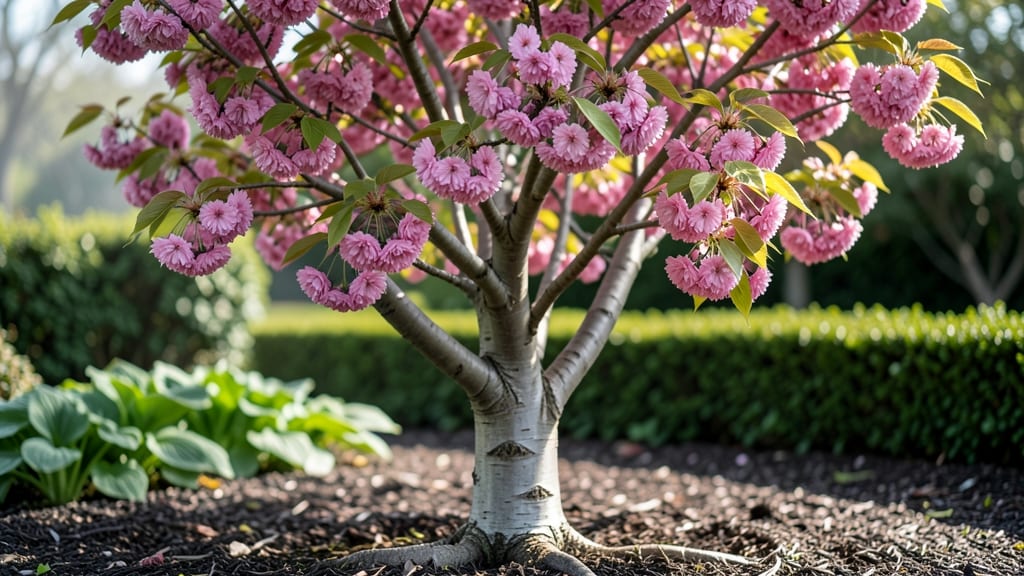
Ornamental cherry trees 🌸 can live for decades, often exceeding 50 years with the right care—but most gardeners underestimate how quickly small mistakes cut their lifespan short.
Picture this: Your tree bursts into spring color year after year, only to start struggling by its 20th birthday because of a pruning error or ignored soil health.
The difference between a 30-year tree and a 50-year showstopper often comes down to timing—when you prune, how you fertilize, and whether you spot early signs of stress.
In this guide, I’ll break down the science behind their lifespan, the pruning secrets that keep them blooming for generations, and the three critical mistakes that age them prematurely.
By the end, you’ll know exactly how to extend your ornamental cherry tree’s life—and when to step in before it’s too late.
How long do ornamental cherry trees live? Natural lifespan vs. ideal care
Ornamental cherry trees like Prunus serrulata and Prunus subhirtella are prized for their stunning spring blooms, but their longevity often surprises gardeners. With proper care, these trees can live for 30 to 50+ years, transforming your landscape into a long-term centerpiece.
Understanding their natural lifespan—and how to extend it—is key to enjoying decades of vibrant blossoms and healthy growth.
Many gardeners assume ornamental cherry trees follow a strict lifespan timeline, but their actual duration depends heavily on climate conditions, soil quality, and disease prevention. In ideal environments, these trees can outlive expectations, while neglect or harsh winters may shorten their lives.
The secret to maximizing their years lies in proactive care, from pruning techniques to pest management, all of which we’ll explore in this guide.
Let’s start with the basics: average lifespan varies by species and growing conditions. While some varieties reach 50 years or more, others may only thrive for 20–30 years without proper maintenance. The difference often comes down to root health, sun exposure, and watering consistency.
For example, Prunus serrulata (Kwanzan cherry) typically lives 30–40 years, while Prunus subhirtella (autumn cherry) can exceed 50 years with ideal care.
One of the biggest myths about ornamental cherry trees is that their lifespan is predetermined. In reality, proper soil preparation can add decades to their life. Before planting, test your soil’s pH—these trees thrive in slightly acidic to neutral soil (6.0–7.0).
Amending with compost or organic matter improves drainage and nutrient retention, both critical for long-term health. I once saw a 40-year-old Prunus serrulata in a neighbor’s yard that bloomed more vibrantly than any younger tree because its roots had access to rich, well-aerated soil.
Climate plays a surprisingly large role in determining how long your ornamental cherry tree will live. Trees in USDA Zones 6–8 generally fare best, as they avoid extreme cold or heat stress. However, even in colder zones, selecting cold-hardy varieties like Prunus subhirtella can extend their lifespan.
If you live in a hotter climate, provide afternoon shade to prevent leaf scorch, which weakens the tree over time. I’ve seen ornamental cherries in Zone 7 thrive for over 50 years with minimal care, while those in Zone 9 often struggle without extra shade.
Pests and diseases are silent lifespan killers for ornamental cherry trees. Aphids, borers, and fungal infections like powdery mildew can weaken a tree’s immune system, shortening its life by 10–20 years. The key to prevention is regular inspections and proactive treatments.
For example, applying neem oil in early spring can deter aphids before they cause damage. I lost a young Prunus serrulata to borers because I didn’t notice the early signs—tiny holes in the bark. A quick treatment with beneficial nematodes could have saved it.
Watering habits directly impact how long your ornamental cherry tree lives. Overwatering leads to root rot, while underwatering stresses the tree, making it susceptible to pests. The solution? Deep, infrequent watering—about 15–20 gallons per week during the growing season.
Mulching around the base retains moisture and regulates soil temperature, which is especially helpful in hot summers. I once saw a 30-year-old cherry tree in a drought-prone area that looked healthier than its neighbors because it had a thick mulch layer and a drip irrigation system.
Pruning isn’t just about shaping your tree—it’s a longevity strategy. Improper cuts can introduce diseases, while strategic pruning removes dead wood and improves airflow. The best time to prune is late winter or early spring, just before new growth begins. Avoid heavy pruning in summer or
Pruning for longevity: when and how to cut for maximum blooms and health
Pruning your ornamental cherry tree isn't just about shaping its branches—it's the key to unlocking decades of vibrant blooms and robust health. When done correctly, strategic cuts can extend your tree's lifespan by 30–50 years while encouraging lush, repeat flowering.
The difference between a thriving specimen and a struggling one often comes down to timing and technique.
Most gardeners make one critical mistake: pruning at the wrong time. Late winter or early spring (just before buds swell) is ideal for ornamental cherries like Prunus serrulata. This timing allows you to remove dead wood while stimulating new growth for the blooming season.
Avoid summer pruning, as it can stress the tree and reduce next year's flower production.
⚠️ Warning: Over-Pruning Shortens Lifespan
Removing more than 25% of the canopy in one session can weaken your ornamental cherry tree's structural integrity, making it vulnerable to disease and pests. Dwarf varieties (like 'Kanzan') are especially sensitive—never cut more than 10–15% of branches annually. Poor cuts (tearing bark or leaving stubs) also invite infections that accelerate aging.
Start by removing dead, diseased, or crossing branches first—these compete for energy and can harbor pests. Use clean, sharp pruners to make cuts at a 45-degree angle, just outside the branch collar (the swollen area where the branch meets the trunk).
This promotes faster healing and prevents water from pooling on wounds.
For flower production, focus on thinning out crowded branches to improve air circulation. Ornamental cherries bloom on old wood, so avoid heavy pruning of mature branches. Instead, target water sprouts (vertical shoots) and suckers (shoots from the base)—these divert energy away from blooms.
Limit yourself to 2–3 cuts per branch to maintain the tree's natural shape.
After pruning, apply a wound dressing (like pruning sealant) only if the cut is larger than 1 inch in diameter. For smaller cuts, let the tree seal naturally—this prevents suffocating the wound and encourages faster healing.
Mulch around the base with 2–3 inches of organic mulch to retain moisture and protect roots during the recovery period.
Monitor your tree's response in the weeks following pruning. Healthy new growth and abundant buds by spring indicate successful cuts. If you notice yellowing leaves or stunted growth, you may have pruned too aggressively.
Adjust your approach for the next season, aiming for 10–15% annual pruning to balance bloom production and structural health.
With consistent, mindful pruning, your ornamental cherry tree can remain a stunning centerpiece for generations. The secret lies in patience—small, strategic cuts now will reward you with decades of show-stopping blooms and a tree that stands tall and proud in your landscape. 🌸