
Blooming
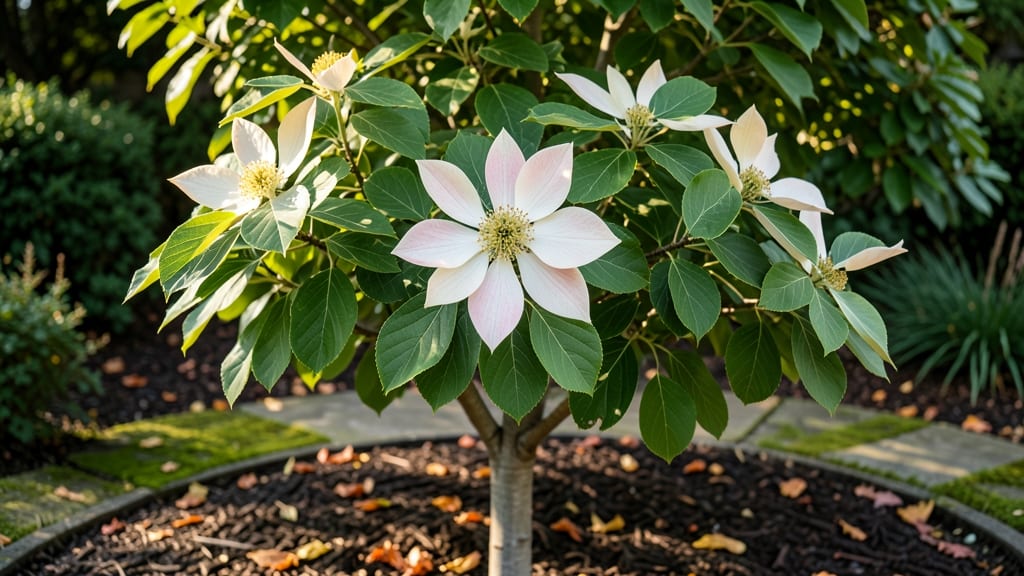
The dogwood tree blooming season transforms yards into vibrant spring canvases with its iconic pink and white blossoms 🌳 — but timing varies wildly depending on where you live.
If you’ve ever admired those stunning flowers and wondered why your neighbor’s tree blooms weeks before yours, the answer lies in your climate zone, soil health, and even last winter’s chill hours.
Some dogwoods burst into color as early as late March in warmer regions, while others in cooler zones wait until May.
Below, I break down the exact bloom windows by USDA zone, the 5 key factors that predict your tree’s schedule, and how to nudge it earlier or later with simple care tweaks.
Whether you’re planning a spring garden party or just love watching nature’s calendar, you’ll learn how to time your dogwood’s peak performance — and keep those blooms coming back year after year.
Dogwood tree blooming season by USDA climate zones: exact timing guide
The dogwood tree’s iconic spring blooms transform landscapes, but their timing varies dramatically across the U.S. Whether you’re in chilly Zone 4 or mild Zone 9, knowing your exact bloom window helps you plan garden parties, photography shoots, or simply enjoy nature’s calendar.
Dogwoods typically bloom in late winter to early spring, but regional differences can shift their peak by 4–6 weeks. Microclimates—like urban heat islands or sheltered valleys—can even advance or delay blooms by 10 days or more.
For example, in Zone 4, dogwoods often wait until late April or early May due to lingering frost risks, while Zone 9 trees may burst into color as early as February. Understanding these patterns lets you choose the right cultivar for your climate and troubleshoot delayed blooms.
Below, I’ve mapped out the exact timing by zone, including early, peak, and late-season variations so you can set your expectations—and your garden calendar!
In Zone 4, dogwoods often play the waiting game due to late spring frosts. The ‘White Winter Haze’ cultivar is a standout here, blooming reliably in early May when frost risks drop.
Meanwhile, Zone 9 gardeners can enjoy January blooms—perfect for adding winter color—but must choose heat-tolerant varieties like ‘Cherokee Brave’ to avoid bud drop in summer heat. Microclimates also play a role: a dogwood in a sheltered valley may bloom 2 weeks earlier than one exposed to wind.
Regional differences extend beyond zones. For example, Pacific Northwest dogwoods in Zone 7–8 often bloom in late February due to mild winters, while those in Appalachian Zone 6 might wait until mid-April. Even within a single zone, elevation changes can shift bloom times.
A mountain garden at 5,000 feet could see blooms 3 weeks later than a tree at sea level in the same zone. Pay attention to your local last frost date—dogwoods bloom when daytime temperatures consistently reach 50°F.
If
How to predict your dogwood’s bloom time: 5 key factors
Predicting when your dogwood will burst into bloom is easier than you think—once you know the 5 key factors that control its timing. Unlike some trees that bloom on a strict schedule, dogwoods respond to environmental cues like chilling hours, soil conditions, and even light exposure.
By understanding these, you can estimate bloom windows with surprising accuracy, even adjusting care to encourage earlier or later flowers. Let’s break down what truly moves the needle for your tree’s spring display.
First, most dogwoods need between 500 to 1,000 chilling hours—that’s 32°F or colder—to trigger blooms.
If your winters are mild (like in USDA Zone 7 or warmer), your tree might struggle to meet this requirement, leading to sparse or delayed flowers. Soil pH also plays a hidden role: dogwoods thrive in slightly acidic soil (pH 5.0 to 6.5).
Test your soil—if it’s alkaline, blooms may suffer. Finally, sunlight exposure matters, but not in the way you’d expect. Too much direct sun can stress the tree, while too little shade delays bud development.
🌱 5 Factors That Control Your Dogwood’s Bloom Time
- Chilling Hours: 500–1,000 hours below 32°F needed for bud set.
- Soil pH: Ideal range is 5.0–6.5—acidic soil boosts blooms.
- Sunlight: Partial shade (4–6 hours sun) prevents stress-induced delays.
- Watering: Deep, consistent moisture during bud formation (late winter).
- Pruning Timing: Prune after blooming to avoid cutting next year’s flower buds.
Let’s start with chilling hours, the most critical factor. Dogwoods are dormant bloomers, meaning they set buds in late summer/fall based on winter cold exposure.
If you’re in a warmer climate (Zone 8+), your tree might need a forced dormancy trick: lightly prune branches in late winter to encourage new growth, which can sometimes jumpstart blooming.
Conversely, in colder zones (Zone 4–5), late frosts can damage buds, so protect young trees with burlap wraps during extreme cold snaps.
Next, soil pH directly impacts nutrient uptake, which fuels bloom production. If your soil tests high (above 7.0), amend it with peat moss or sulfur to lower pH gradually.
I once had a dogwood in alkaline soil that barely bloomed until I adjusted the pH—within a year, the flowers doubled in number! Soil moisture also matters: dogwoods hate soggy roots but need consistent water during bud formation (February–March).
Water deeply once a week if rainfall is light, and always water at the base of the tree, not the leaves.
Sunlight is where many gardeners go wrong. While dogwoods tolerate partial shade, they need at least 4–6 hours of morning sun to set buds properly. Avoid planting under dense canopies or in full afternoon shade, which can delay blooming.
If your tree isn’t flowering well, try moving it to a sunnier spot with afternoon shade. Pruning also affects timing: Never prune in late summer or fall, as you’ll remove next year’s flower buds. Instead, prune right after blooming to shape the tree without sacrificing future blooms.
Troubleshooting off-schedule blooms? Here’s how to fix common issues:
- No blooms? Check chilling hours—consider a Zone 6 or cooler variety if you’re in Zone 7+.
- Late blooms? Thin nearby branches to improve airflow and reduce stress.
- Sparse blooms? Fertilize in early spring with a balanced 10-10-10 formula.
With these 5 factors in mind, you’ll not only predict your dogwood’s bloom time but also encourage the most vibrant display possible. Keep an eye on your tree’s cues—like bud swell in late winter—and adjust care accordingly.
Soon, you’ll be the first on your street to enjoy those iconic pink and white blooms every spring! 🌷