
Container Gardens
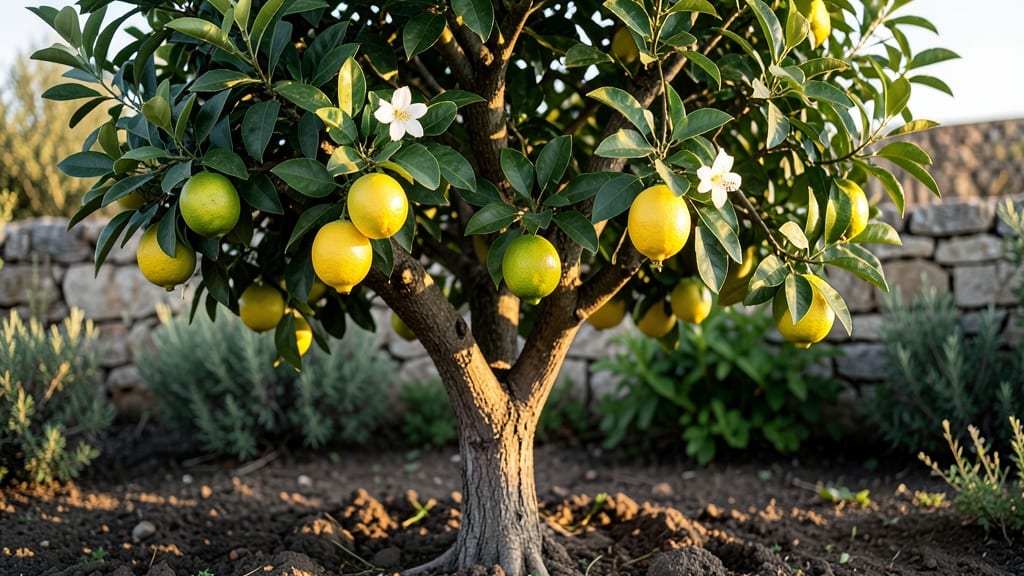
Growing a lemon tree indoors requires mastering the lemon tree growing conditions—sunshine, citrus scent, and homegrown fruit year-round—but only if you nail the basics. 🌞 I learned the hard way that lemon trees (Citrus limon) need bright light, well-draining soil, and consistent warmth to thrive, or they’ll just sit there looking sad.
The key is mimicking their Mediterranean homeland: lots of sun, moderate water, and a little pampering to keep them productive.
Start with a 6-8 inch pot and a mix of potting soil, perlite, and sand for drainage—lemon trees hate soggy roots. Place it in the sunniest window (south-facing if you're in the Northern Hemisphere) or under a grow light for 12+ hours daily.
Temperatures should stay between 60-80°F, and humidity levels above 50% (a pebble tray or humidifier helps). Water when the top inch of soil feels dry, but never let it sit in water.
With the right conditions, you’ll see bright green leaves, occasional blooms, and eventually fruit—though it takes patience (2-3 years for indoor trees). Prune in late winter to shape the tree and remove dead growth, and fertilize monthly with citrus-specific food during growing season.
The payoff? Fresh lemons for tea, baking, or garnish, all while your tree stays compact and manageable in containers.
Common mistakes? Overwatering (the #1 killer), drafty spots, and skipping winter rest—lemon trees need a cool, dry period to set buds. If your tree drops leaves or looks leggy, adjust light or water first.
With these tweaks, your lemon tree will reward you with years of fragrant, productive growth—even in small spaces.
📚 In This Guide
- What you need
- Instructions
- Tips and common mistakes
- Wrapping up and next steps
What you need
- ● Lemon Tree Seedling or Bare-Root Plant: Choose a dwarf variety (like Meyer lemon) for containers or a standard variety for in-ground planting.
- ● Ensure it’s healthy, with no yellowing leaves or pests.
- ● Well-Draining Potting Mix (for containers): 50% cactus/succulent mix + 50% perlite or pumice (for aeration).
- ● Add a handful of slow-release citrus fertilizer (10-10-10 or 8-3-9 ratio).
- ● Container (if potted): Minimum 12-inch diameter (15+ inches for mature trees).
- ● Must have drainage holes (no exceptions!).
- ● Terracotta or fabric pots preferred (they breathe better!).
- ● Garden Soil (for in-ground planting): Test soil pH (6.0–7.0 is ideal; amend with lime if needed).
- ● Mix in compost or aged manure (1–2 inches) for nutrients.
- ● Tools: Trowel or small shovel
- ● Gloves (to protect from thorns!)
- ● Watering can or hose with gentle spray nozzle
- ● Pruning shears (sterilized with rubbing alcohol)
- ● Mulch: Pine bark or straw (2–3 inches) to retain moisture and regulate temperature.
- ● Citrus-Specific Fertilizer: Liquid feed (like Miracle-Gro Citrus & Palm) for a mid-season boost.
- ● Support Stakes: For young trees in windy areas (bamboo stakes + soft ties).
- ● Humidity Tray: A pebble tray under pots to increase humidity (especially indoors).
- ● Pest Control: Neem oil or horticultural oil spray (preventative measure!).
Step-by-step guide to lemon tree growing conditions
Here’s how to create the perfect environment for your lemon tree to thrive indoors or outdoors.
☀️ Step 1: Provide Adequate Sunlight Daily
Lemon trees demand 6-8 hours of direct sunlight daily—this is non-negotiable for fruit production. Place your tree near a south-facing window or under grow lights if natural light is insufficient. A lack of light causes leggy growth and sparse foliage. I’ve seen trees stretch toward windows, only to develop weak stems that snap under fruit weight.
Outdoors, position your tree in full sun with partial afternoon shade in hot climates. Watch for leaves turning pale yellow—this signals insufficient light. Rotate the pot quarter-turn weekly to ensure even exposure and prevent lopsided growth. Morning sun is ideal because afternoon intensity can scorch tender new leaves.
🪴 Step 2: Use Well-Draining Soil and Proper Pot Size
Lemon trees despise soggy roots, so use a well-draining potting mix blended with perlite or sand. I mix equal parts cactus/succulent mix and compost for optimal aeration. Avoid garden soil—it compacts and suffocates roots, leading to root rot. Your pot should have drainage holes and be 2-3 inches larger in diameter than the root ball.
Repot every 2-3 years or when roots circle the pot. Choose a container 1-2 inches wider than the previous one to minimize transplant shock. Lemon trees grow slowly but need room to establish deep roots. If you notice roots emerging from drainage holes, it’s time to upgrade the pot size immediately.
💧 Step 3: Master Watering for Optimal Health
Water deeply once the top 1-2 inches of soil feel dry—this encourages deep root growth. Overwatering is the #1 killer of lemon trees, causing yellow leaves and root rot. I use the "finger test" to check moisture: insert your finger 1 inch deep into the soil. If it’s dry, water thoroughly until excess drains from the bottom.
Reduce watering in winter when growth slows—lemon trees need 30-50% less water during dormancy. Yellowing leaves often signal overwatering, while crispy edges mean underwatering. Adjust based on humidity: indoor trees may need watering every 5-7 days, while outdoor trees in hot climates may require daily checks during summer.
✂️ Step 4: Fertilize and Prune for Fruit Production
Feed your lemon tree monthly during spring and summer with a balanced citrus fertilizer (10-10-10 or 8-3-9). I dilute the fertilizer to half-strength to avoid burning roots. In fall and winter, reduce feeding to every 6-8 weeks as growth slows. Over-fertilizing causes salt buildup in soil, which stunts root development.
Prune in late winter or early spring before new growth begins. Remove dead, diseased, or crossing branches to improve airflow and sunlight penetration. I also trim back leggy growth to encourage bushier shape. Never prune more than 25% of the canopy in one session—this stresses the tree and reduces fruit yield.
🌿 Step 5: Monitor Temperature and Humidity
Lemon trees thrive in 65-85°F temperatures. Protect them from frost (below 32°F) and extreme heat (above 95°F). If growing outdoors in cold climates, bring potted trees indoors before temperatures drop. I’ve seen frost damage turn leaves black overnight—it’s devastating but preventable with proper planning.
Maintain 40-60% humidity—dry air causes leaf drop and bud failure. Mist leaves daily in summer or place the pot on a pebble tray with water to increase humidity. Avoid placing trees near heating vents or drafty windows, as temperature fluctuations stress the plant. A hygrometer helps track humidity levels accurately.
Tips & tricks for perfect lemon tree growing conditions
These game-changing insights will help you avoid common pitfalls and create the ideal environment for your citrus wonder.
Sunlight Strategy: That 6-8 hours of direct sunlight isn't just about quantity—it's about quality. I've found that positioning your tree slightly east of a south-facing window captures morning light without the harsh afternoon glare. For indoor growers, LED grow lights with a full spectrum (especially red and blue wavelengths) can supplement natural light when needed. The key is replicating natural sunlight patterns as closely as possible—lemon trees are tropical and evolved under these exact conditions.
Soil Science: The cactus/succulent mix and compost blend mentioned is perfect, but here's the secret: sterilize your potting mix first. Microwave it for 2 minutes or bake at 200°F for 30 minutes to kill any pathogens. I've seen root rot develop from contaminated soil even with proper drainage. Also, consider adding a handful of orchid bark to improve aeration—it breaks down slowly and maintains structure over time. The goal is to mimic the well-draining volcanic soil of lemon trees' native habitat.
Watering Wisdom: That finger test is brilliant, but let me add this: water in the morning rather than evening. This allows excess moisture to evaporate during the day rather than sitting in the soil overnight, which promotes fungal growth. I've noticed my trees develop fewer yellow leaves when following this schedule. Also, use room-temperature water—cold water can shock the roots, especially in warmer climates where trees are more sensitive to temperature fluctuations.
Temperature Troubleshooting: While 65-85°F is ideal, lemon trees are surprisingly adaptable. If you're in a hot climate and hitting 95°F+, provide afternoon shade using sheer curtains or shade cloth (30-50% coverage). For cold climates, don't just bring trees indoors—acclimate them gradually over 2-3 weeks by moving them to a sheltered outdoor spot during the day before bringing them inside completely. Sudden temperature changes can cause leaf drop even if the tree survives the cold.
Pro Tips for Lemon Tree Growing Conditions
- These game-changing insights will help you avoid common pitfalls and create the ideal environment for your citrus wonder.
- Sunlight Strategy: That 6-8 hours of direct sunlight isn't just about quantity—it's about quality.
- Soil Science: The cactus/succulent mix and compost blend mentioned is perfect, but here's the secret: sterilize your potting mix first.
Frequently asked questions
Got questions about growing your own lemon tree? You’re not alone—here are some of the most common ones, answered for your peace of mind! Whether you're a first-time gardener or a seasoned green thumb, these FAQs will help you avoid pitfalls and grow a thriving citrus tree.
How much sunlight does a lemon tree really need?
A lemon tree craves full sun—at least 6 to 8 hours of direct sunlight daily. If you’re in a hot climate, partial afternoon shade helps prevent leaf scorch. In containers, rotate the pot weekly for even sun exposure. Pro tip: Yellowing leaves? It’s often a sign of too little light!
Can I grow a lemon tree indoors, or does it need to be outside?
Yes! Lemon trees thrive indoors with a south-facing window or under grow lights (12–16 hours/day). Place it near a sunny spot, but avoid cold drafts. For best results, move it outdoors in spring/summer. Watch out: Sudden temperature drops can shock the tree.
What’s the best soil mix for a potted lemon tree?
Use a well-draining citrus mix (50% potting soil, 30% perlite, 20% sand or compost). Avoid heavy clay soil—it causes root rot. For containers, add orchid bark or coconut coir to improve aeration. Quick fix: If your soil compacts easily, fluff it with vermiculite!
How long does it take for a lemon tree to bear fruit?
Patience is key! Dwarf varieties (like ‘Meyer’) may produce fruit in 2–3 years, while standard trees take 5–7 years. Ensure the tree gets enough sun, water, and nutrients. Fun fact: Female flowers (with pistils) are needed for fruit—prune male-only blooms if pollination is poor.
Why are my lemon tree leaves turning yellow or dropping?
Yellow leaves often signal overwatering, underwatering, or nutrient deficiency. Check the soil moisture—it should be dry 1–2 inches down before watering. Yellow edges? Likely chlorosis (iron deficiency). Treat with chelated iron or adjust pH (lemon trees love 6.0–7.0). Red flag: Black spots = fungal disease—prune affected leaves and improve airflow.
Can I grow a lemon tree from a store-bought lemon?
Yes, but success isn’t guaranteed! Sprout seeds from an organic lemon (avoid hybrid varieties like ‘Meyer’). Soak seeds overnight, plant in moist soil, and keep warm. Seedlings may take 3–6 months to sprout and years to fruit. Better option: Buy a grafted tree for faster, more reliable results!
Wrapping up and next steps
Growing a lemon tree is a rewarding journey that combines patience, care, and a little sunshine! 🌞 With the right growing conditions—like well-draining soil, ample sunlight, and consistent watering—your citrus tree can thrive, even in containers.
Whether you're a beginner or a seasoned gardener, these secrets will help you nurture a healthy, fruit-bearing tree.
Now that you’re armed with the knowledge, roll up your sleeves and get planting! Start with a sturdy pot, the perfect soil mix, and a sunny spot—your lemon tree’s future is bright. Happy growing! 🍋✨