
Orchid Care
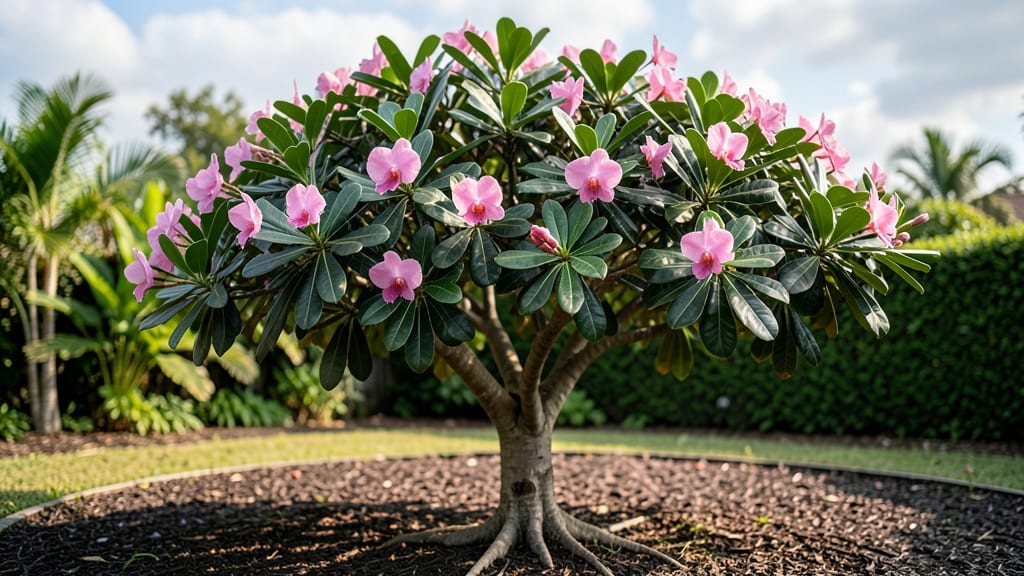
Drooping orchid tree leaves don’t mean your plant is doomed—just that it’s talking to you. 🌿 The moment I spotted those sad, limp fronds, I knew it was time to diagnose the problem before it got worse.
Most cases boil down to water stress, pests, or hidden diseases, and fixing them is simpler than you’d think. Start by checking the soil moisture with your finger—if it’s bone-dry or soggy, that’s your first clue.
Yellowing edges often mean overwatering, while crispy brown spots signal underwatering or sunburn. Once you identify the issue, the solution is usually just adjusting your care routine or a quick trim to remove damaged leaves.
📚 In This Guide
- What you need
- Instructions
- Tips and common mistakes
- Wrapping up and next steps
What you need
- ● Orchid tree (Bauhinia spp.) – Ensure it’s in a pot with drainage holes (4"-6" diameter pot for small plants, 8"+ for mature trees).
- ● Distilled or rainwater – 1-2 gallons (avoid tap water if it’s heavily chlorinated or mineral-rich).
- ● Well-draining potting mix – 2-3 gallons of a blend specifically for orchid trees or cacti/succulents (e.g., 50% cactus mix + 50% perlite/pumice).
- ● Pruning shears or sterilized scissors – Sharp, clean tools to trim damaged leaves or stems (disinfect with rubbing alcohol).
- ● Humidity tray or pebble tray – A shallow tray filled with water and pebbles (or a humidifier for larger setups).
- ● Balanced liquid fertilizer – 1 bottle of 10-10-10 or 20-20-20 diluted to half-strength (e.g., 1 tsp per gallon of water).
- ○ Spray bottle – 8-16 oz for misting leaves (optional but helpful for humidity control).
- ● pH testing kit – To check soil pH (ideal range: 6.0-7.0 for orchid trees).
- ○ Rooting hormone gel – For propagating cuttings (optional but increases success rate).
- ● Grow lights (LED or fluorescent) – If your orchid tree lacks natural light (12-14 hours/day for optimal growth).
- ● Mulch or bark chips – To retain moisture and mimic natural conditions (sprinkle lightly around the base).
- ● Glove – A pair of gardening gloves to protect your hands from sharp edges or sap.
How to revive drooping orchid tree leaves
Your orchid tree isn't dead—just thirsty or stressed. Here's how to bring it back to life in simple steps.
💧 Step 1: Check and Adjust Watering Habits
Orchid trees hate soggy roots but also can't tolerate drought. Stick your finger 1-2 inches deep into the soil—if it feels completely dry, it's time to water. Use room-temperature water and soak the pot until water runs freely from the drainage holes. Let it drain completely before placing it back in its saucer.
Overwatering is the #1 killer of orchid trees. I always wait until the top 1-2 inches of soil feel dry to the touch before watering again. Drooping leaves after watering? You're likely overdoing it—let the soil dry out more between waterings. If the leaves feel crispy, you've gone too far the other way.
☀️ Step 2: Evaluate Light Exposure
Orchid trees need bright, indirect light—think morning sun or filtered afternoon light. If your tree is drooping toward a window, it's reaching for more light. Move it to a spot where it gets 4-6 hours of bright, indirect sunlight daily. South or east-facing windows work best.
Too much direct sun causes leaves to scorch (you'll see brown patches), while too little causes them to stretch and droop. I test light levels by observing the leaves: if they're dark green and upright, the light is perfect. If they're pale yellow or reaching upward, it needs more light. Rotate the pot a quarter turn weekly to encourage even growth.
🌿 Step 3: Assess Humidity and Airflow
Orchid trees thrive in moderate humidity (around 40-50%). If your home is dry, especially in winter, place the pot on a tray filled with pebbles and water—just make sure the pot isn't sitting directly in water. Mist the leaves lightly in the morning, but avoid wetting them at night to prevent fungal issues.
Poor airflow can trap moisture and cause drooping. Ensure there's 1-2 inches of space around the pot for air to circulate. If your orchid tree is in a cramped spot, move it to a less congested area. You'll know airflow is good when the leaves dry quickly after misting and there's no foul smell from the soil.
✂️ Step 4: Prune Damaged Leaves (Optional but Helpful)
If some leaves are beyond revival—yellow, brown, or mushy—snip them off with clean, sharp scissors at the base. This helps the plant focus its energy on healthy growth. I always sterilize my scissors with rubbing alcohol before and after pruning to prevent spreading disease.
Don't prune more than 20-30% of the foliage at once. The goal is to reduce stress, not shock the plant. After pruning, give your orchid tree a light fertilizer (half-strength) to help it recover. You'll notice new growth within 2-4 weeks if the plant is otherwise healthy.
Tips & tricks for reviving orchid tree leaves
Between us, these simple tricks will help your orchid tree bounce back faster than you'd expect.
Soil Test Tip: Use a moisture meter or chopstick to check soil moisture more accurately than your finger. I learned this the hard way after overwatering twice—stick it in the soil, and if it comes out clean, it's time to water. For extra accuracy, test in multiple spots since moisture can vary in the pot.
Light Positioning: If your orchid tree is drooping toward a window, it's begging for more light! Place it within 3-4 feet of an east-facing window for gentle morning sun, or 4-5 feet from a south-facing window. I notice the biggest improvement in leaf perkiness within 24-48 hours after moving it to better light.
Humidity Hack: Group your orchid tree with other houseplants to create a natural humidity microclimate. I keep mine near my snake plant and ferns, and the combined transpiration raises humidity levels perfectly. In winter, add a pebble tray with water near the plants—just ensure the pot isn't sitting in water to prevent root rot.
Pruning Precision: When removing damaged leaves in Step 4, cut at a 45-degree angle just above a leaf node (the bump where leaves grow). This encourages new growth from that spot. I sterilize my scissors with rubbing alcohol between cuts to prevent spreading any potential pathogens—it's a small step that makes a big difference for plant health.
Pro Tips for Orchid Tree Leaves
- Between us, these simple tricks will help your orchid tree bounce back faster than you'd expect.
- Soil Test Tip: Use a moisture meter or chopstick to check soil moisture more accurately than your finger. I learned t...
- Light Positioning: If your orchid tree is drooping toward a window, it's begging for more light! Place it within 3-4 ...
Frequently asked questions
Got questions about your orchid tree’s leaves? You’re not alone! Here are some of the most common concerns—and quick fixes to keep your plant thriving.
Why are my orchid tree leaves turning yellow?
Yellowing leaves usually signal overwatering or poor drainage. Let the top 1–2 inches of soil dry out between waterings, and ensure your pot has drainage holes. If roots are mushy, trim the affected ones and repot in fresh, well-draining mix.
How often should I water my orchid tree?
Water your orchid tree every 7–10 days, adjusting for humidity and season. Stick your finger 1–2 inches into the soil—if it’s dry, it’s time to water. Pro tip: Water deeply until it drains from the bottom, then empty the saucer to avoid root rot.
Can I prune my orchid tree leaves?
Yes! Prune only dead, yellow, or brown leaves with clean, sharp scissors. Avoid cutting healthy leaves—orchid trees rely on them for energy. Bonus: Pruning encourages new growth and keeps your tree looking tidy.
Why are my orchid tree leaves drooping?
Drooping often means underwatering or low humidity. Check the soil moisture and give it a drink if dry. Boost humidity with a pebble tray or humidifier, especially in dry climates. Quick fix: Mist leaves lightly in the morning.
What’s the best soil mix for orchid trees?
Use a well-draining mix like a blend of orchid bark, perlite, and coconut coir (50/30/20 ratio). Avoid heavy garden soil—it traps moisture and suffocates roots. Repot every 2–3 years or when roots outgrow the container.
Can orchid trees handle cold weather?
Orchid trees are tropical and thrive in 65–80°F. Below 50°F, they’ll suffer. Keep them indoors if temperatures drop, or move them to a sheltered spot. Warning: Sudden cold snaps can shock the plant—gradual acclimation helps!
Wrapping up and next steps
Caring for your orchid tree’s leaves doesn’t have to be complicated—just a little attention and the right techniques can bring them back to life! 🌿 Whether it’s pruning, adjusting watering habits, or boosting humidity, these small steps make a big difference.
Your orchid tree will thank you with vibrant, healthy foliage in no time.
Ready to see the transformation? Start with one tip today—monitor your plant’s progress and adjust as needed. Happy growing! 🌱