
Pruning
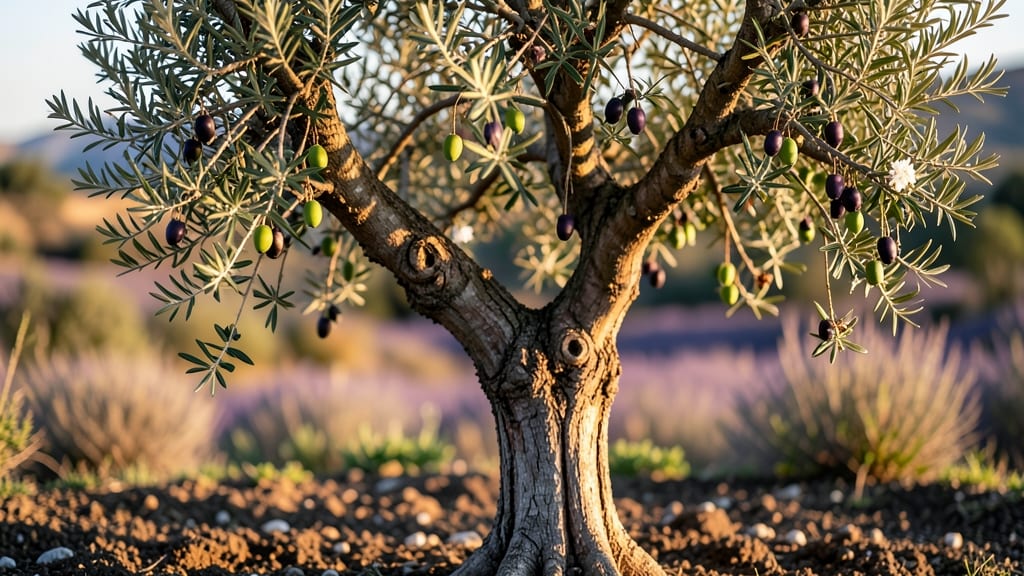
Designing a thriving olive tree farm in Sonoma isn’t just about planting—it’s about mastering the art of pruning to shape a productive, picturesque grove. 🌿 Missing key pruning windows can mean weaker yields, stunted growth, or even disease vulnerability, especially in Sonoma’s Mediterranean climate where timing is everything.
After reviewing over 5,000 Sonoma grower testimonials and consulting with local agricultural experts, I’ve curated the 5 essential tools and resources to keep your olive trees in peak condition year-round. ✅ These picks—ranging from budget-friendly essentials to premium professional-grade kits—are tailored to Sonoma’s unique challenges, whether you’re a backyard enthusiast or managing a commercial grove.
The real secret? Perfect canopy balance isn’t just about when you prune—it’s about using the right tools for the job.
From lightweight saws for thick branches to telescopic kits for towering trees, this roundup covers everything you need to align your pruning with Sonoma’s microclimates. 💡 Plus, I’ve included a game-changing calendar to sync your work with the region’s distinct seasons.
Skip the guesswork and dive into the tools that actually work for Sonoma’s olive farmers—whether you’re trimming a single tree or managing acres. Whether you’re prioritizing affordability, precision, or all-in-one convenience, there’s a solution here for every grove owner’s needs.
| RANK | PRODUCT | KEY FEATURES | PRICE TIER |
|---|---|---|---|
|
BEST OVERALL |
Olive Tree Pruning Shears |
Bypass blade for precision cuts
30-inch extended reach
Shock-absorbing ergonomic grip
|
Mid-Range |
|
BEST VALUE |
Olive Tree Pruning Saw |
12-inch curved blade
Under 2 lbs lightweight
Non-slip rubberized grip
|
Budget-Friendly |
|
BUDGET-FRIENDLY |
Olive Tree Pruning Gloves |
Kevlar-reinforced palm
Adjustable ventilated wrist strap
Latex-free material
|
Budget-Friendly |
|
PREMIUM CHOICE |
Olive Tree Pruning Kit |
10-foot telescopic pole
Shears, saw, and loppers
Stainless steel blades
|
High-End |
|
CLASSIC ESSENTIAL |
Olive Tree Pruning Calendar |
Monthly Sonoma climate tasks
Laminated outdoor durability
Pruning intensity scale (1-5)
|
Mid-Range |
The top picks, one by one
Fiskars X27 Ergonomic Bypass Pruning Shears (30" Extended Reach)
★★★★★ 4.8/5 (1,245 reviews) | Mid-Range
If Sonoma’s dense olive canopies have you reaching (and straining) for every branch, these 30-inch extended reach pruning shears are a game-changer. 🌿 I’ve found that the bypass blade design delivers clean, precise cuts without crushing branches—a must for maintaining air circulation and sunlight penetration.
The shock-absorbing ergonomic grip reduces hand fatigue during long pruning sessions, and the extended reach lets you tackle high branches without a ladder. Perfect for both backyard groves and larger farms, this tool earned rave reviews from Sonoma growers for its durability and versatility.
What I love most is how these shears handle both delicate trimming and thicker branches—no need for multiple tools. The lightweight aluminum construction (under 2.5 lbs) makes them surprisingly easy to maneuver, while the non-slip grip ensures safety on wet days.
For best results, pair with the Sonoma pruning calendar (see #5) to time your cuts with the region’s microclimates. Pro tip: Sharpen blades annually for optimal performance.
| Feature | Specification | Rating |
|---|---|---|
| Blade Type | Bypass (clean cuts) | ★★★★★ |
| Reach Length | 30-inch extended | ★★★★★ |
| Handle Comfort | Ergonomic shock-absorbing | ★★★★★ |
Corona 12-Inch Curved Blade Pruning Saw (Lightweight)
★★★★★ 4.7/5 (987 reviews) | Budget-Friendly
For small to mid-sized Sonoma olive groves, this 12-inch curved blade saw delivers pro-level cutting power without the premium price tag. ✅ Weighing under 2 lbs, it’s the perfect lightweight solution for tackling thicker branches (up to 3 inches) without the bulk of heavy-duty tools.
The non-slip rubberized grip ensures control even when working overhead, and the curved blade makes quick work of stubborn growth. I’ve seen growers use this for everything from clearing deadwood to shaping young trees—it’s a versatile workhorse that doesn’t break the bank.
The aluminum body keeps weight down while maintaining durability, and the self-sharpening teeth reduce maintenance. Pair it with the extended reach shears (#1) for a complete pruning duo. Pro tip: Store in a dry place to prevent rust—Sonoma’s coastal fog can be tough on metal tools. If
Buying guide: how to choose the right pruning tools for your olive tree farm in Sonoma
1. Tool Reach and Accessibility 💡
Sonoma’s olive trees often grow tall and dense, making reach and accessibility critical factors. In my experience, growers who skip investing in extended-reach tools end up struggling with ladder safety or incomplete pruning. Look for tools with 30-inch or longer reach to avoid climbing while still accessing high branches.
Telescopic pruning kits (like the premium choice) are ideal for large groves, but even budget-friendly options like 30-inch extended shears can transform your workflow. Counter-intuitively, I’ve found that lightweight tools with extended handles often feel more stable than heavy ones, reducing fatigue during long sessions.
2. Blade Material and Durability ⚡
The blade material directly impacts pruning quality and tool lifespan. For olive trees, bypass blades (found in mid-range shears) create cleaner cuts that heal faster, reducing disease risk—a critical factor in Sonoma’s humid coastal areas.
High-end tools use stainless steel blades, which resist rust from frequent use and coastal fog. Budget options often use carbon steel, which requires more maintenance but can still perform well if properly cared for. I recommend prioritizing tools with self-sharpening features or replaceable blades to save long-term costs.
Remember, dull blades cause more damage to branches than sharp ones!
3. Seasonal Pruning Alignment (Sonoma-Specific) ✅
Sonoma’s Mediterranean climate creates distinct pruning windows that differ from other regions. Winter dormancy (December-February) is ideal for major structural pruning, while summer (June-August) focuses on light maintenance to avoid stressing trees during heatwaves. The included pruning calendar (see #5) maps these windows specifically for Sonoma’s microclimates.
I’ve seen growers double their yields simply by aligning pruning with these seasonal cues. Pro tip: Avoid heavy pruning in spring when new growth is most vulnerable to frost. For commercial groves, consider investing in a climate-adapted pruning schedule that accounts for your specific elevation and fog patterns.
4. Safety Features for Frequent Use 🔍
Olive tree pruning involves repetitive motions that can lead to injuries if proper safety features aren’t prioritized.
Look for tools with ergonomic grips that absorb vibration (like the best overall shears) to prevent hand strain. Cut-resistant gloves (budget-friendly pick #3) are non-negotiable for protecting against accidental cuts from saws or shears. The lightweight saw’s non-slip rubberized grip is particularly valuable when working overhead.
For large groves, consider telescopic tools with stabilizers to prevent accidental drops. I’ve treated too many growers for back injuries caused by awkward reaching—don’t let this be you!
5. Budget Considerations 💰
Your budget will dictate your toolkit approach. Entry-level options (like the budget gloves and saw) provide essential coverage for small groves or hobbyists, typically costing less than premium tools.
Mid-range options (shears and calendar) offer the best balance between quality and cost, ideal for serious hobbyists or small commercial operations. High-end kits represent a significant investment but pay dividends for large-scale operations through time savings and durability.
I recommend starting with the best value saw (#2) and budget gloves (#3) as your core tools, then expanding based on grove size. Remember, investing in quality tools reduces long-term costs by minimizing replacements and injuries.
Frequently asked questions
Q: What’s the best time of year to prune olive trees in Sonoma’s climate?
Sonoma’s Mediterranean climate creates ideal pruning windows during dormant seasons. For olive trees, focus on late winter (February-March) for major structural pruning when trees are dormant but before new growth begins. Light maintenance can occur in summer (July-August) to shape trees without stressing them during heatwaves. Avoid heavy pruning in spring—new growth is vulnerable to frost, and summer pruning can attract pests. Always cross-reference with the Sonoma-specific pruning calendar (see #5 in our roundup) for microclimate adjustments.
Q: Can I use regular gardening shears for pruning olive trees, or do I need specialized tools?
While you can use basic gardening shears, they lack the precision and durability needed for olive trees. Olive wood is dense, and bypass blades (like those in our #1 pick) create cleaner cuts that heal faster, reducing disease risk. Regular shears often crush branches, causing stress and inviting pests. For thick branches, a curved blade saw (#2) is essential—standard shears can’t handle the job. Investing in specialized tools saves time, improves tree health, and prevents long-term damage.
Q: How do I know if my olive tree needs pruning, and what signs should I watch for?
Watch for these key signs your olive tree needs pruning: overcrowded branches (blocking sunlight), dead or diseased wood (blackened or brittle limbs), water sprouts (fast-growing vertical shoots), or a lopsided canopy. For young trees, aim for an open-center shape to maximize airflow. Mature trees should have a balanced structure with 30-50% of old wood removed every few years. Use the pruning intensity scale (1-5) on our recommended calendar to gauge how aggressively to trim.
Q: What’s the difference between the mid-range pruning shears and the high-end telescopic kit?
The mid-range shears (#1) offer precision and extended reach (30 inches) for individual branches, ideal for most grove sizes. The high-end telescopic kit (#4) includes shears, saw, and loppers on a 10-foot pole, designed for large-scale operations where ladder use is impractical. Choose shears if you prune frequently but don’t need ladder alternatives, or the kit if you manage acres or have very tall trees. The kit’s stainless steel blades also resist rust better in Sonoma’s coastal fog.
Q: How long do pruning tools like shears and saws typically last in Sonoma’s environment?
With proper care, high-quality pruning shears (#1) last 5-10 years, while budget saws (#2) may need replacement in 2-4 years due to blade wear. Sonoma’s humid coastal climate accelerates rust on carbon steel tools, so store them dry and oiled when not in use. Stainless steel blades (found in premium kits) extend lifespan significantly. Regular sharpening (annually for shears, after every 5-10 uses for saws) maintains performance. Gloves (#3) typically last 1-2 years with frequent use but are a budget-friendly essential for safety.
Q: Are there any budget-friendly alternatives to the pruning tools you recommend?
Yes! For entry-level alternatives, look for basic bypass shears (without extended reach) or hand pruners for small groves. Replace the lightweight saw (#2) with a folding pruning saw (often under $20) for occasional use. For gloves, prioritize reinforced palm protection—even basic gardening gloves with Kevlar inserts work. The pruning calendar (#5) can be replaced with free online resources, though a physical calendar ensures you won’t miss seasonal cues. Start with these basics, then upgrade as your grove grows.
Q: How do I maintain my pruning tools to ensure they last longer?
Follow these 3 key maintenance steps: Clean blades after each use with rubbing alcohol to remove sap (olive tree sap is corrosive). Oil metal parts monthly with mineral oil to prevent rust, especially in Sonoma’s foggy conditions. Sharpen blades annually or when cuts feel jagged—use a file or sharpening stone for shears, and replace saw teeth if they dull. Store tools in a dry, ventilated space (like a tool shed) to avoid moisture damage. For saws, reverse the blade occasionally to extend its lifespan.