
Trees
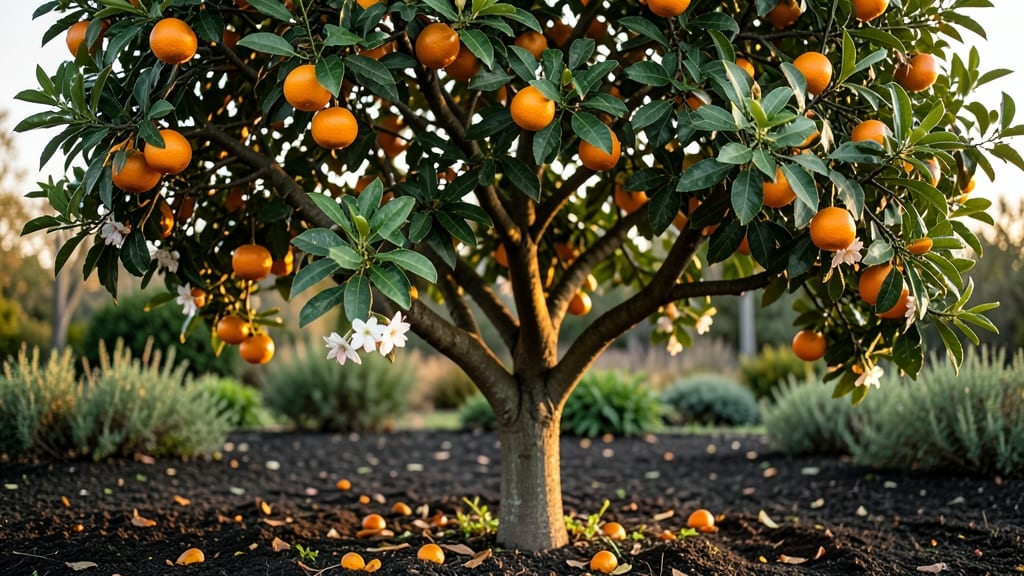
Those cedar tree orange balls aren’t holiday decor—they’re a fungal infection called cedar rust. 🌲 I’ve seen them turn perfectly healthy cedars into a mess of galls, and the good news is you can manage them without chemicals.
The key is acting fast before they spread to your juniper bushes too. The bright orange clusters form when two fungi team up, using your cedar as a host. They’re harmless to humans but ugly and weaken the tree over time.
Most homeowners don’t realize these galls are a sign of poor air circulation or overwatering—fixing those issues cuts future outbreaks by half. You’ll remove them with pruners (sterilized first!) and burn or bag them to stop spores from spreading.
For prevention, thin the tree’s branches to improve airflow and water only when the top inch of soil is dry. The results? Fewer galls next season and a tree that stays strong. This works for Eastern red cedars, junipers, and even arborvitae.
If the tree looks stressed beyond saving, call an arborist—but in most cases, a little elbow grease does the trick.
Nature’s Tiny Holiday Ornaments
Those bright orange balls clinging to your cedar tree aren’t just a quirky seasonal surprise—they’re the result of a fascinating (and often misunderstood) botanical process. Let’s break down why they appear and what’s really going on in your tree’s life.
The most common cause of those eye-catching orange "balls" is cedar-apple rust (Gymnosporangium juniperi-virginianae), a fungal disease that turns your cedar tree into an accidental holiday decorator. Here’s how it works:
- Two-Host Lifecycle: This fungus needs two types of trees to complete its life cycle—cedar trees (like eastern red cedar) and apple, crabapple, or hawthorn trees. The orange galls (called telial horns) form on cedars in late summer to early fall, releasing spores that infect nearby fruit-bearing trees.
- Spore Production: Inside those fuzzy orange clusters, the fungus produces teliospores, which burst open in spring to release basidiospores. These spores travel via wind or rain to infect apples or crabapples, where they create yellow-orange pustules on leaves or fruit.
- Why Cedars?: Cedars act as the fungus’s "winter host," storing spores safely until spring. Without cedars nearby, the fungus would struggle to survive.
💡 Pro Tip: If you see these orange balls and yellow-orange spots on apple leaves nearby, you’ve got a classic case of rust—no mystery here!
Not all orange balls on cedars are from apple rust. A few other fungi can cause similar (but slightly different) galls:
| Fungus | Orange Balls? | Key Differences |
|---|---|---|
| Gymnosporangium clavipes (Cedar-Quince Rust) | ✅ Yes (smaller, more clustered) | Targets quince, hawthorn, or pear trees instead of apples. Galls are often darker orange and appear in tighter groups. |
| Gymnosporangium globosum (Cedar-Hawthorn Rust) | ✅ Yes (larger, more elongated) | Creates longer, horn-like galls on cedars. The spores infect hawthorn trees, not apples. |
| Exobasidium spp. (Witches’ Broom Fungus) | ❌ No (but causes orange-red growths) | Distorts branches into dense clusters (not round balls) and turns leaves orange-red. Rare on cedars but possible. |
🔍 Actionable Insight: If the galls look longer than they are wide or appear in tight, elongated clusters, you might be dealing with hawthorn rust instead of apple rust.
Not every cedar tree sprouts orange balls—environmental factors play a big role in whether the fungus takes hold:
- Moisture & Humidity: Rust fungi thrive in wet conditions. Trees in shaded, damp areas or near water sources are more likely to host galls. 🌡️ Fun Fact: Heavy rains in late summer can trigger a massive spore release, leading to explosive gall formation.
- Proximity to Fruit Trees: The closer your cedar is to apple, crabapple, or hawthorn trees, the higher the risk. Spores can travel up to a mile, but dense clusters of fruit trees increase local infection rates.
- Tree Health & Stress: Weak, stressed, or young cedars are more susceptible. Factors like poor soil drainage, nutrient deficiencies, or recent pruning can make trees more vulnerable to fungal attacks.
- Seasonal Timing: Galls typically appear in late summer to fall (August–October) because that’s when the fungus matures its spores for spring. If you see them earlier, check for unseasonably warm weather.
✨ Prevention Hack: If you’re planting a cedar near fruit trees, choose resistant varieties like ‘Burkett’ or ‘Green Spire’ eastern red cedars, which are less prone to rust infections.
Now that you know the science behind those festive orange decorations, you can decide whether to leave them for winter charm or take action to keep your trees healthy. Either way, nature’s holiday decor is hard to beat!
Quick fixes for cedar tree woes
When those cedar tree orange balls (aka juniper berries) start looking less festive and more frustrating, don’t panic—there’s a solution for every scenario! Whether you’re dealing with pests, mold, or just a lackluster holiday vibe, these practical fixes will restore your tree’s charm with minimal effort.
Below, we’ve mapped out the most common issues and their fixes, plus prevention tips to keep your cedar looking fresh year-round.
Cause: Tiny insects (like spider mites, aphids, or scale) love to snack on cedar berries, turning them yellow, brown, or sticky. Fix: 🔥 Spray with Soap & Water – Mix 1 tbsp mild dish soap (like Dawn) with 1 quart of water in a spray bottle. Lightly mist the berries and tree branches on a sunny day. The soap suffocates pests without harming the tree. 🍳 Neem Oil Treatment – For stubborn infestations, blend 1 tbsp neem oil with 1 tsp horticultural oil and 1 quart of water. Spray every 5–7 days until pests vanish. (Test on a small branch first!) 👨🍳 Prune & Dispose – Trim heavily infested branches and drop them in a sealed trash bag (not your compost). Burn them if possible to kill eggs.
💡 Pro Tip: Encourage natural predators like ladybugs by planting marigolds or lavender nearby—they’re pest-free allies!
Cause: Damp conditions or poor airflow let mold (black, white, or fuzzy growth) take over berries, making them slimy or discolored. Fix: 🔥 Baking Soda Rinse – Dissolve 1 tsp baking soda in 1 gallon of water. Gently spray the berries and let air-dry in sunlight. Repeat weekly until mold disappears. 🌡️ Improve Airflow – Space out branches or trim overcrowded areas to let air circulate. Avoid placing the tree in shady, damp spots. ✨ Hydrogen Peroxide Spray – Mix 1 tbsp 3% hydrogen peroxide with 1 cup water. Spray lightly (it’s a natural fungicide!) and rinse after 30 minutes.
💡 Pro Tip: If mold is severe, consider replacing the worst branches with fresh, disease-free ones from a local nursery.
Cause: Overwatering, underwatering, or seasonal dryness drains berries of their vibrant orange hue. Fix: 🥘 Water Wisely – Cedar trees hate soggy roots! Water deeply but infrequently (once a week unless it’s a drought). Let the top 2 inches of soil dry out between waterings. 🔪 Trim Dead Branches – Snip off any brown, brittle, or hollow berries with clean pruning shears. This encourages new growth. ⏰ Sunlight Boost – Move your tree to a sunnier spot (cedars thrive in full sun). If indoors, place it near a bright window or use a grow light for 6–8 hours daily.
💡 Pro Tip: A light misting of water in the morning can temporarily plump up dried berries for holiday displays—just avoid soaking them!
The best “fix”? Stop issues before they start!
Here’s how to maintain your cedar tree’s holiday-ready glow: - 🌿 Year-Round Care: Mulch around the base (but not touching the trunk) to retain moisture and deter pests. - 🍂 Seasonal Checkups: Inspect berries every 2–3 months for early signs of pests or mold.
Act fast! - 🌧️ Rainy Season Prep: If your area gets heavy rain, elevate the tree slightly (on a stand or in a pot with drainage) to prevent root rot. - 🎄 Indoor Display Tips: If using branches indoors, mist them lightly every few days and avoid placing near heaters or fireplaces.
Remember: Cedar trees are tough! With a little TLC, those orange balls will stay bright and cheerful—no holiday stress required.
Frequently asked questions
Are cedar tree orange balls safe to touch or eat?
These "orange balls" are actually fungal galls (like cedar-apple rust) and are completely harmless to humans. You can safely touch them, but they're not edible. The bright orange clusters form when fungi use the tree as a host, and while they look festive, they're a sign your tree may need better airflow or pruning.
Why do my cedar tree’s orange balls appear in clusters?
Clusters form because the rust fungus (Gymnosporangium) spreads through spores that land near each other. Wet conditions in late summer trigger massive spore releases, causing tight groupings. If you see elongated clusters, it might be hawthorn rust instead of apple rust—check nearby fruit trees for yellow-orange spots on leaves.
Will removing the orange balls hurt my cedar tree?
No! Pruning infected branches actually helps your tree. Use sterilized shears to cut 1 inch below the galls, then dispose of them in sealed bags (or burn them). This stops spore spread and improves airflow. Just avoid removing more than 25% of the tree’s foliage in one season.
Can I prevent these orange balls from returning next year?
Yes! Start by thinning crowded branches to improve airflow. Water only when the top 2 inches of soil are dry, and avoid planting cedars near apple/crabapple trees. For organic prevention, spray neem oil in early spring. If the problem persists, consider disease-resistant cedar varieties like 'Burkett' or 'Green Spire'.
What’s the difference between cedar rust galls and juniper berries?
True juniper berries (like those on Juniperus virginiana) are small, waxy, and blue-gray when ripe—not bright orange. Rust galls are fuzzy, larger, and often appear in late summer/fall. If your "berries" are shiny and greenish-blue, they're likely healthy juniper berries (used in gin!). Rust galls are always a sign of fungal infection.