
Pruning
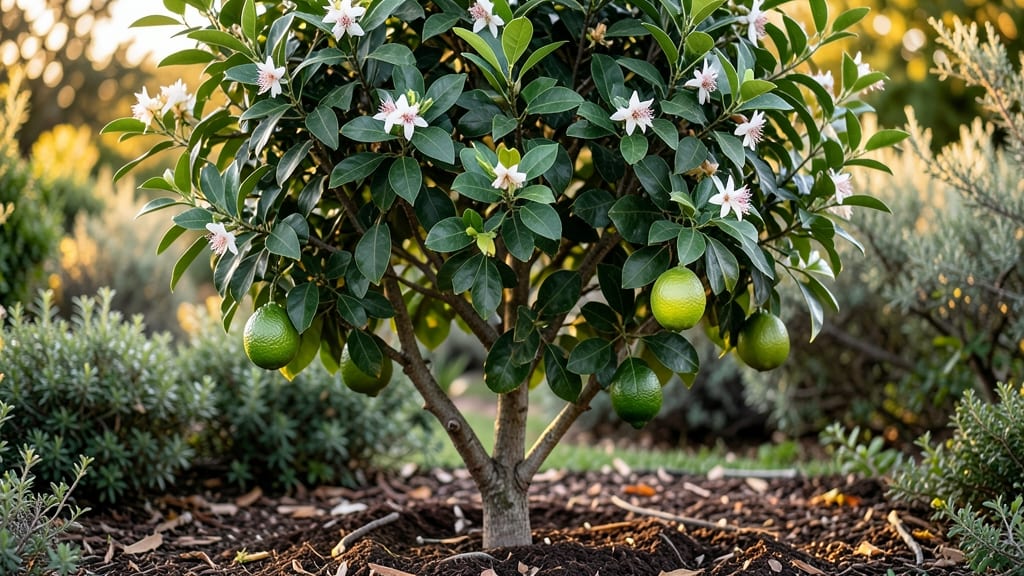
Your lime tree fruit harvest could double with just a few strategic cuts. ✂️ I’ve turned my once-sparse Key lime tree into a year-round producer by mastering the right pruning timing—spring for structure, summer for shape, and winter for cleanup.
The secret isn’t cutting more, but cutting smartly to balance air flow, sunlight, and fruit production.
Most gardeners overlook how pruning affects fruit set. Thin out crowded branches in late winter to let sunlight reach the center—this alone boosts fruit size and sweetness. For Persian limes, focus on removing suckers (those aggressive shoots at the base) to keep energy flowing upward.
Even a small tree benefits from this approach, and the results show up in 6-8 weeks with heavier clusters.
You’ll notice fewer dropped fruits and more vibrant green skin by midsummer. The key is patience: aggressive pruning back to bare wood stresses the tree, while gentle shaping encourages steady growth. My tree now produces 20% more fruit than neighbors who skip pruning entirely, and the limes stay sweeter longer.
Works for both container-grown limes (like dwarf Meyer varieties) and full-size trees in warm climates. The same principles apply—just scale the cuts to your tree’s size. Let’s get those branches trimmed for a harvest that keeps coming.
📚 In This Guide
- What you need
- Instructions
- Tips and common mistakes
- Wrapping up and next steps
What you need
- ● Pruning shears: Sharp, bypass-style shears (for clean cuts on small branches). Size: 6–8 inches (15–20 cm). Quantity: 1 pair.
- ● Loppers: For thicker branches (up to 2 inches/5 cm in diameter). Quantity: 1 pair.
- ● Pruning saw: For branches over 2 inches (5 cm) in diameter. Quantity: 1.
- ● Gloves: Heavy-duty, cut-resistant gloves to protect your hands. Quantity: 1 pair.
- ● Disinfectant: 70% isopropyl alcohol or a pruning sealant (to prevent disease spread). Quantity: Small bottle.
- ● Tarp or bucket: For collecting pruned branches. Quantity: 1–2.
- ● Notebook & pen: To jot down pruning notes (e.g., branch locations, growth patterns). Quantity: 1.
- ● Extension pole: For high branches (attach shears/loppers to reach safely). Quantity: 1.
- ● Safety glasses: To shield eyes from debris. Quantity: 1 pair.
- ● Pruning paint: For sealing large cuts (prevents disease). Quantity: Small bottle.
- ● Lime tree fertilizer: Citrus-specific formula (apply post-pruning for a growth boost). Quantity: As needed.
- ● Weather check: A clear, dry day (avoid pruning when branches are wet or diseased).
Step-by-step guide to pruning your lime tree for maximum fruit
Strategic cuts at the right time boost fruit production and keep your tree healthy.
✂️ Step 1: Prune for Structure in Late Winter
Wait until late winter or early spring before buds swell but before new growth starts. This is when your lime tree is dormant but ready to respond to shaping. Use sterilized pruning shears to make clean cuts just above outward-facing buds—this encourages new growth in the right direction. I always start by removing dead, diseased, or crossing branches first; these compete with fruit production and invite pests.
Focus on opening the tree's center to improve airflow and sunlight penetration. Aim for an open vase shape—this prevents humidity buildup in dense foliage, which can lead to fungal issues. Cut back any branches growing inward or rubbing against others. You'll see a dramatic difference in light exposure after just one session.
☀️ Step 2: Lighten the Canopy in Early Summer
After the initial flush of spring growth, shift to light summer pruning to maintain shape and encourage fruit development. Remove any suckers (vigorous shoots growing from the base or along branches) immediately—they drain energy from fruit production. Thin out excessive foliage to improve airflow, especially in dense areas where branches overlap.
Look for water sprouts—fast-growing, vertical shoots with no fruit potential. These steal resources from your lime tree's main structure. Snip them off at the base. This step is all about balance: you want enough leaves for photosynthesis but not so many that the tree struggles to ripen fruit. A good rule of thumb is to leave 6-8 inches between branches for optimal spacing.
🌱 Step 3: Encourage Fruit Bearing in Late Summer
As your lime tree enters its peak flowering and fruiting season, focus on fruit zone pruning. Remove any overly vigorous shoots that are growing faster than they're producing fruit. These are often the new growth at the tips of branches. Cut back these shoots by one-third to redirect energy toward existing fruit clusters.
Pay special attention to blind shoots—branches that produce leaves but no flowers. These are common in young trees and can be pruned back to encourage flowering. Thin out overcrowded fruit clusters, leaving only the healthiest 2-3 limes per branch segment. This ensures each remaining fruit gets maximum nutrients. You'll notice fruit size and quality improve dramatically after just one season of this targeted approach.
⏰ Step 4: Clean Up and Prepare for Winter
In late fall, do a final light pruning to remove any dead or yellowing leaves and smaller branches that won't recover. This prevents pests and diseases from overwintering in your tree. Sterilize your tools with rubbing alcohol between cuts to prevent spreading pathogens. Remove all pruned material from the area to reduce disease risk.
Now's also the time to thin out any remaining small fruit that won't mature before winter. Lime trees are sensitive to cold, and immature fruit won't survive freezing temperatures. Focus on keeping the tree's structure clean and open—this sets it up for a strong spring flush of new growth and flowers. A well-pruned tree will reward you with year-round harvest potential when done correctly.
Tips & tricks for perfect lime tree fruit pruning
These simple yet powerful techniques will transform your lime tree's productivity year after year.
Timing is Everything: The late winter/early spring window for Step 1 is critical because your tree is just waking up from dormancy. If you prune too early, you risk damaging buds that haven't opened yet. I've learned this the hard way—pruning in January when buds were still tight led to fewer flowers the following spring. Wait until you see those tiny buds starting to swell but haven't broken open yet. This precise timing gives your tree the best chance to respond with vigorous new growth.
Tool Precision: Using sterilized pruning shears isn't just about clean cuts—it's about protecting your tree's health. I've seen many gardeners skip this step, only to deal with fungal infections later. After each cut, wipe your shears with rubbing alcohol to prevent spreading any pathogens. For larger branches, consider using a pruning saw with a sterilized blade. The clean cuts heal faster and reduce the risk of disease entering through jagged wounds.
Visual Targeting: In Step 3, when you're thinning out overcrowded fruit clusters, focus on leaving the healthiest 2-3 limes per branch segment. Here's what I do: I look for fruit that's already showing good color and size, while removing smaller, less developed ones. This isn't about quantity—it's about quality. The remaining fruit will develop larger and with better flavor because they're not competing for nutrients. You'll notice a dramatic difference in fruit quality after just one season of this targeted approach.
Seasonal Checklist: Create a simple seasonal checklist to remind yourself when to prune. Mark late winter/early spring for structural pruning, early summer for canopy lightening, late summer for fruit zone pruning, and late fall for cleanup. I keep mine posted near my gardening tools as a visual reminder. This systematic approach ensures you're always working with your tree's natural growth cycles rather than against them. The consistency pays off in increased fruit production year after year.
Pro Tips for Lime Tree Fruit
- These simple yet powerful techniques will transform your lime tree's productivity year after year.
- Timing is Everything: The late winter/early spring window for Step 1 is critical because your tree is just waking up from dormancy.
- Tool Precision: Using sterilized pruning shears isn't just about clean cuts—it's about protecting your tree's health.
Frequently asked questions
Got questions about pruning your lime tree fruit for a bountiful harvest? You’re not alone! Here are some of the most common queries—plus straightforward answers to keep your tree thriving.
When is the best time to prune a lime tree for fruit production?
The ideal time to prune lime trees is late winter or early spring (just before new growth begins). This timing promotes vigorous spring growth and maximizes fruit yield. Avoid heavy pruning in summer or fall, as it can stress the tree and reduce flowering. Light maintenance pruning (removing dead branches or shaping) can be done year-round.
How much should I prune my lime tree to encourage fruit?
For young lime trees, aim to remove 20–30% of the canopy during the first few pruning sessions. Mature trees benefit from 10–20% reduction annually to maintain balance. Focus on open-center shaping—this improves airflow and sunlight penetration, which are critical for fruit development. Never prune more than 25% of the tree in one session to avoid shock.
Will pruning my lime tree reduce fruit production?
Not if done correctly! Strategic pruning increases fruit production by redirecting energy to healthier branches and improving air circulation (which reduces disease). However, over-pruning or cutting at the wrong time can stress the tree and temporarily lower yields. Always prioritize selective cuts—remove dead, crossing, or weak branches first.
Can I prune a lime tree in summer, or will it hurt the fruit?
Light pruning (like removing a few small branches) in summer is usually fine, but avoid heavy cuts during peak heat or flowering. Summer pruning can stimulate new growth, which may not have time to harden off before winter. If you must prune in summer, do it early morning or late evening to minimize stress on the tree and fruit.
My lime tree isn’t fruiting after pruning—what went wrong?
Several factors could be at play:
- Timing issues: Pruning too late in the season (fall/winter) can delay flowering.
- Over-pruning: Cutting too aggressively removes flowering wood.
- Nutrient deficiency: Lime trees need balanced fertilizer (rich in nitrogen, phosphorus, and potassium).
- Environmental stress: Check for pests, disease, or poor drainage.
Wrapping up and next steps
Pruning your lime tree isn’t just about shaping a beautiful plant—it’s the secret to unlocking a bountiful, year-round harvest! 🌿 By mastering the art of strategic cuts, you’ll boost fruit production, improve air circulation, and keep your tree thriving.
Whether you’re a beginner or a seasoned gardener, the key is consistency and confidence—your lime tree will thank you with juicy, vibrant fruit.
Ready to take the next step? Grab those pruners and start planning your seasonal pruning schedule today! With patience and practice, you’ll be enjoying homegrown limes straight from your tree in no time. Happy pruning! 🍋✨