
Pruning
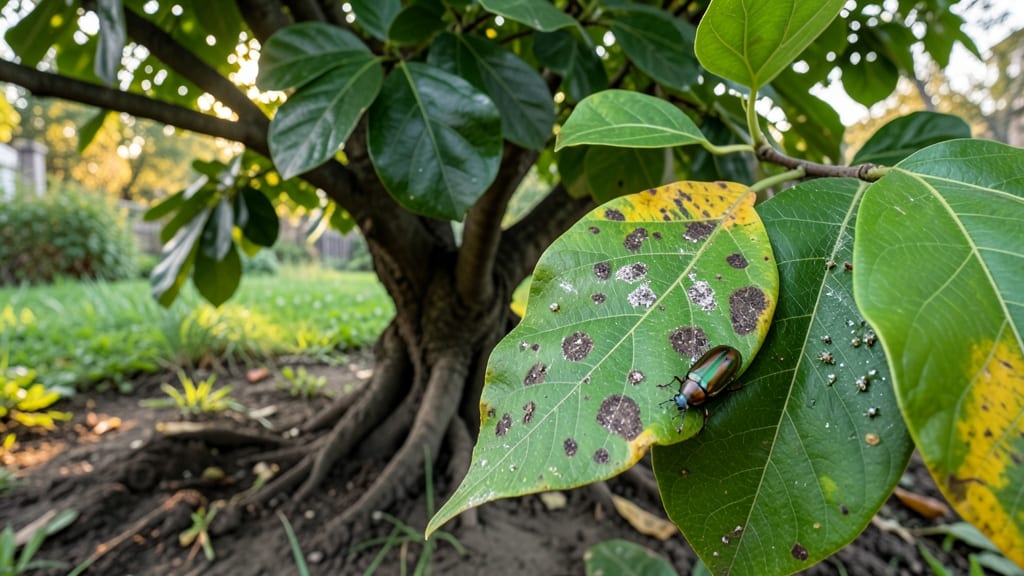
Oklahoma redbud tree problems—like brutal heat and unpredictable storms—can stress even the hardiest trees, but with the right care, they’ll thrive. 🌳 I've nursed my own struggling redbud through leaf spot outbreaks and drought stress, and these are the exact fixes that saved it.
The biggest threats here aren't pests but environmental stress—think drought cracks forming on bark or yellowing leaves from too much clay soil.
Redbuds hate soggy roots but also need consistent moisture, so we're talking mulch depth, watering schedules, and soil amendments that actually work in Oklahoma's alkaline dirt.
You'll learn to spot early signs of powdery mildew (white fuzzy patches) or aphid colonies (sticky leaves), and how to treat them without harming pollinators. The solutions are simple but require timing—like pruning in late winter before new growth starts.
This works for established trees and young transplants alike. Let's get your redbud back to its vibrant pink spring blooms—the ones that make Oklahoma gardens famous.
Root Causes of Redbud Stress
Understanding why Oklahoma redbud trees (Cercis canadensis) struggle starts with their environment, biology, and care habits. These trees are hardy but not invincible—let’s break down the key triggers behind their most common problems, from wilting leaves to pest infestations.
Oklahoma’s extreme temperature swings, drought cycles, and soil conditions often push redbuds past their comfort zone. Here’s how:
- Heat and Drought Redbuds thrive in well-draining, moist soil but wilt under prolonged dry spells. Oklahoma’s summer heat (often exceeding 95°F) forces trees to close stomata (leaf pores) to conserve water, slowing photosynthesis.
Without deep watering (1–2 inches per week), roots shrink, leaves yellow (chlorosis), and branches may die back. 💡 Pro Tip: Mulch 2–3 inches deep to retain moisture and shield roots from heat.
- Poor Soil Drainage or pH Imbalance Redbuds prefer slightly acidic to neutral soil (pH 6.0–7.5). Oklahoma’s clay-heavy soils or compacted urban landscapes trap water, leading to root rot (a fungal invasion).
Overly alkaline soil (pH >8.0) locks out nutrients like iron and manganese, causing yellowing between leaf veins (interveinal chlorosis). - Test your soil with a home kit or send a sample to OSU Extension for pH and nutrient analysis. - Amend clay soil with compost or gypsum to improve drainage.
- Late Frosts or Freeze Damage Redbuds bloom earlier than most trees (February–March in Oklahoma), making them vulnerable to late frosts (below 28°F).
Frost kills flowers and young leaves, weakening the tree’s energy reserves. 🌡️ Watch forecasts and protect young trees with frost cloth if frost is predicted during bloom.
Oklahoma’s pests and pathogens exploit stressed redbuds. Here’s how they strike:
- Japanese Beetles and Leaf Miners These insects skeletonize leaves (eating tissue between veins) or burrow into leaf tissue, causing silver trails (miners) or chewed holes (beetles).
Heavy infestations force the tree to divert energy from growth to repair. - Handpick beetles in the morning (they’re sluggish then) or use neem oil as a preventative spray.
- Powdery Mildew Fungus This white, powdery coating thrives in humid Oklahoma springs (60–80% humidity) and shady conditions.
It clogs leaf pores, reducing photosynthesis and causing premature leaf drop. - Improve airflow by pruning dense branches and avoid overhead watering. - Fungicide sprays (sulfur-based) work best preventatively in early spring.
- Bacterial Leaf Scorch Spread by spittlebugs or sap-feeding insects, this disease clogs a tree’s water vessels, causing brown, crinkled leaf edges (especially in late summer).
Oklahoma’s heat accelerates bacterial growth. - Remove infected branches 6 inches below damage and sterilize pruners with rubbing alcohol. - Water deeply to help the tree flush out bacteria.
Redbuds are sensitive to aggressive pruning and mechanical harm. Common mistakes include:
- Over-Pruning or Wrong Timing Pruning after bloom (April–May) removes next year’s flower buds (which form on old wood). Heavy pruning also stresses the tree, inviting disease.
- Prune in late winter (Feb) to shape the tree before buds swell, but avoid cutting more than 25% of foliage in one season.
- Lawnmower or String Trimmer Damage Scrapes on the trunk or roots create entry points for fungal infections (like cankers) or pests. Redbuds have thin bark, making them especially vulnerable.
- Create a 3-foot mulch ring around the base to protect the trunk from equipment.
- Root Disturbance from Construction Oklahoma’s urban sprawl often disrupts redbud roots during landscaping or foundation work.
Even minor root damage can lead to sudden wilting or dieback. - Water deeply for 2–3 weeks after disturbance to encourage root regrowth. - Avoid planting near sidewalks (roots need space to spread).
Redbuds show distinct deficiency symptoms when starved of key nutrients:
| Symptom | Likely Cause | Solution |
|---|---|---|
| Yellow leaves (all) | Nitrogen deficiency | Apply balanced fertilizer (10-10-10) in early spring. |
| Purple stems/leaves | Phosphorus deficiency | Work in bone meal or rock phosphate. |
| Weak, stunted growth | Potassium or magnesium issue | Use wood ash (for potassium) or Epsom salt (for magnesium). |
| Leaf curl or small leaves | Zinc or iron deficiency | Spray with chelated zinc or apply iron sulfate. |
💡 Test soil first—over-fertilizing can burn roots! Oklahoma’s clay soil often lacks organic matter, so compost top-dressing is a gentle fix.
Practical fixes for redbud health
Reviving your Oklahoma redbud tree starts with identifying the root cause—but once you know what’s ailing it, the fixes are often simpler than you’d expect. Below are targeted solutions for the most common redbud tree problems, paired with prevention tips to keep your tree thriving.
Problem: Poor drainage, compacted soil, or root rot. Solution: Loosen the soil and improve aeration while addressing moisture.
- 🔥 Assess the Drainage - Dig a small hole (6–12 inches deep) near the tree’s base. If water pools after 30 minutes, your soil is too dense. - Fix: Amend the soil with organic matter like compost or aged manure.
Mix in perlite or coarse sand (1 part amendment to 3 parts soil) to improve drainage.
- 🍳 Aerate Compacted Soil
- Use a manual soil aerator or a garden fork to poke holes around the root zone (avoid damaging roots).
- Pro Tip: 💡 Water deeply after aerating to help the soil settle and encourage root growth.
- 👨🍳 Treat Root Rot (If Present)
- If the roots smell foul or are mushy, prune away affected roots with sterilized pruners.
- Prevention: Plant redbuds in well-draining soil and avoid overwatering. Mulch (2–3 inches) to retain moisture without suffocating roots.
Problem: Powdery mildew, leaf spot, or canker diseases. Solution: Fungicides + cultural fixes to break the infection cycle.
- 🥘 Prune for Airflow
- Remove infected leaves, branches, or cankers (cut 6 inches below the affected area).
- Sterilize tools with rubbing alcohol between cuts to prevent spread.
- 🔪 Apply Fungicide
- Spray neem oil (natural) or copper fungicide (chemical) on both sides of leaves and the trunk.
- Timing: Apply early morning or evening to avoid burning leaves in Oklahoma’s heat.
- 🌡️ Prevent Future Outbreaks
- Water at the base (avoid wetting foliage).
- Space trees properly (10–15 feet apart) for airflow.
- Clean up debris in fall to remove fungal spores.
Problem: Aphids, Japanese beetles, or borers chewing on leaves/wood. Solution: Manual removal + targeted treatments.
- 🎯 Blast Off Soft-Bodied Pests (Aphids, Scale)
- Spray with soapy water (1 tsp mild dish soap + 1 quart water) to suffocate them.
- Repeat every 3–5 days until gone.
- 🔪 Remove Borer-Damaged Wood
- If you see sawdust-like frass or holes, cut out infested branches below the damage.
- Prevention: Wrap young trunks with tree guard to deter borers.
- 🌿 Natural Deterrents
- Plant companion flowers (like marigolds) to attract pest-eating predators.
- Apply horticultural oil in late winter to smother overwintering beetles.
Problem: Yellow leaves (iron/chlorosis), stunted growth (nitrogen), or weak branches (potassium). Solution: Test soil + targeted fertilizing.
- 📊 Get a Soil Test
- Send a sample to the OSU Extension Soil Testing Lab (or use a home kit). Results tell you exactly what’s missing.
- 💪 Fertilize Smartly
- For yellow leaves (iron/chlorosis): Apply chelated iron in early spring.
- For slow growth: Use a balanced fertilizer (10-10-10) in early spring.
- For weak wood: Add potassium-rich fertilizer (like greensand) in fall.
- 🥗 Organic Boosts
- Compost tea (for micronutrients).
- Bone meal (for phosphorus, aiding root growth).
Problem: Weak structure, sunburn, or winter damage. Solution: Proactive pruning and protection.
- 🌿 Prune for Structure
- Remove dead, crossing, or weak branches in late winter/early spring (before bud break).
- Thin the canopy to let light and air circulate.
- 🔥 Protect from Sunburn
- If leaves scorch in Oklahoma’s summer heat, provide afternoon shade temporarily.
- Water deeply during droughts (1–2 inches per week).
- 🌡️ Winterize Young Trees
- Mulch heavily (4–6 inches) to insulate roots.
- Wrap the trunk with burlap if temperatures drop below 10°F.
Final Pro Tip: ✨ Monitor your redbud regularly—catching issues early (like wilting leaves or holes) means smaller fixes and a happier tree! With these solutions, your Oklahoma redbud should bounce back stronger than ever.
Frequently asked questions
Why are my Oklahoma redbud leaves turning yellow between the veins?
This is likely iron chlorosis, common in Oklahoma’s alkaline soils. The yellowing occurs because the tree can’t absorb iron when soil pH exceeds 7.5. Test your soil and amend with chelated iron or sulfur to lower pH. Mulch with pine needles (acidic) to help over time.
How do I tell if my redbud has powdery mildew vs. aphids?
Powdery mildew appears as white, fuzzy patches on leaves, while aphids create sticky residue (honeydew) and tiny green/black bugs clustered on new growth. Check undersides of leaves—milkweed-like residue confirms aphids. Treat mildew with neem oil; aphids respond to soapy water sprays.
Can I prune my redbud in summer to fix its shape?
No—summer pruning stresses redbuds by removing next year’s flower buds (which form on old wood). Prune only in late winter (Feb) before buds swell. Remove dead/diseased branches first, then thin to improve airflow. Never cut more than 25% of foliage in one season.
My redbud’s bark is splitting—what’s causing this?
This is drought stress from Oklahoma’s extreme heat. Redbud bark cracks when roots can’t supply enough moisture. Water deeply 2–3 times per week during dry spells and apply 2–3 inches of mulch to retain moisture. Avoid overhead watering that encourages fungal issues.
When should I fertilize my Oklahoma redbud?
Fertilize only in early spring (March) with a balanced 10-10-10 formula. Oklahoma’s clay soil often lacks nutrients, but avoid fall fertilization—it encourages tender new growth vulnerable to winter damage. For yellow leaves, use chelated iron instead of general fertilizer.