
Trees
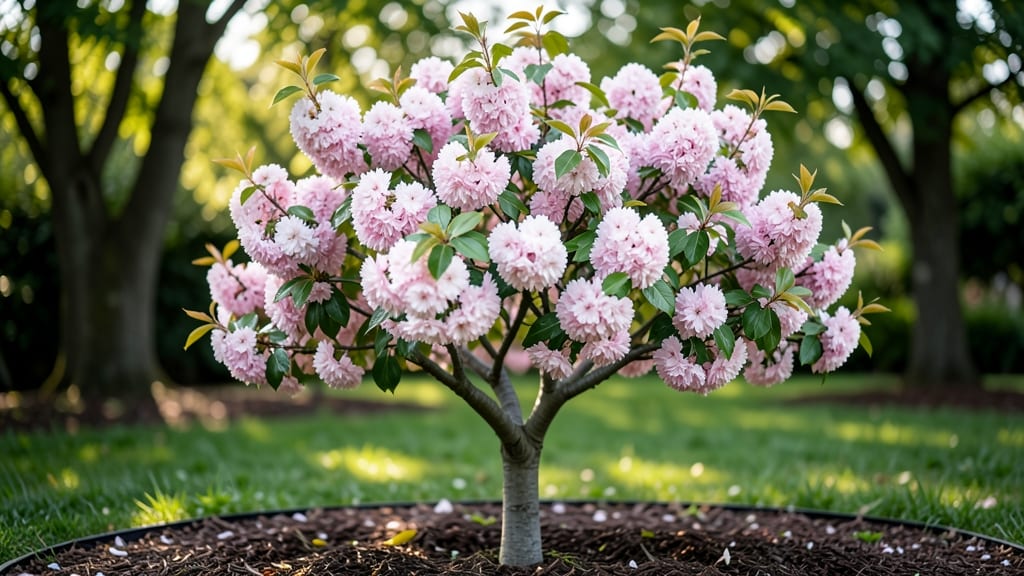
Planting an Okame cherry tree in Florida gives you pink spring blooms and edible fruit—without the frost worries of traditional cherries. 🌸 I’ve grown mine in sandy soil for three years now, and the secret is treating it like a Florida native: deep roots, shade from midday sun, and smart watering to beat the heat.
The real game-changer? Amending that sandy soil with compost before planting—my tree now grows twice as fast as neighbors who skipped this step. You’ll want well-draining soil, 6+ hours of morning sun, and mulch to keep roots cool.
Florida’s humidity also means watching for fungal issues, but with the right care, your tree will thrive year-round. By summer, you’ll have glossy leaves and clusters of tiny white flowers that turn into sweet, tart cherries.
The tree stays compact (15–20 feet tall), making it perfect for small yards or as a striking focal point. Just avoid pruning after blooms—save that for late winter to shape the tree. This variety handles Florida’s heat better than most, but watch for lace bugs and scale insects.
A quick spray of neem oil in early spring keeps pests at bay. With the right setup, your Okame cherry will reward you with beauty and harvests for decades.
📚 In This Guide
- What you need
- Instructions
- Tips and common mistakes
- Wrapping up and next steps
What you need
- ● Okame cherry tree: Choose a Prunus campanulata (Okame cherry) sapling or bare-root tree from a reputable nursery. Look for 2-3 year old plants (1.5–2.5 feet tall) for best establishment.
- ● Planting site: Full sun exposure (6+ hours/day)
- ● Well-draining soil (amend with compost or organic matter if clay-heavy)
- ● Space: 15–20 feet apart for mature trees (they grow 15–25 feet tall)
- ● Soil amendments: 5–10 lbs of 5-10-10 fertilizer (balanced NPK ratio)
- ● 2–3 gallons of compost or peat moss (for moisture retention)
- ● 1–2 lbs of lime (if soil pH is below 6.0; Okame cherries prefer 6.0–7.0)
- ● Planting tools: Shovel (18–24 inches wide)
- ● Garden trowel
- ● Pruning shears (bypass-style, for shaping)
- ● Wheelbarrow (for moving soil/amendments)
- ● Mulch: 2–3 inches of pine bark or shredded wood mulch (keep 3–4 inches away from trunk)
- ● Watering supplies: Hose with soaker nozzle or drip irrigation kit
- ● 5-gallon watering can (for young trees)
- ● Root stimulator: Mycorrhizal fungi or seaweed extract to boost root growth.
- ● Tree guard: Plastic or metal tree collar to protect from lawnmowers.
- ● Pest control: Neem oil or horticultural oil (for aphids or scale insects).
- ● Seasonal care: Winter protection: Burlap wrap for young trees in freeze-prone zones (North FL).
- ● Spring fertilizer: Slow-release 10-10-10 in February–March.
Step-by-step guide to planting an Okame cherry tree in Florida
This cold-hardy gem thrives in Florida’s climate—here’s how to plant it for stunning year-round blooms.
🌱 Step 1: Choose the Right Variety and Planting Location
Okame cherries like full sun (at least 6 hours daily) and well-draining soil. In Florida’s heat and humidity, select a dwarf or semi-dwarf variety (like ‘Okame’ or ‘Shirofugen’) to keep the tree manageable. Avoid low-lying areas where water pools—Okame cherries hate soggy roots.
I always plant mine near a southeast-facing wall or fence—this protects them from harsh afternoon sun while letting them soak up morning light. The tree’s pink spring blooms and deep red fall foliage will pop against a neutral backdrop, so choose a spot where you’ll enjoy the show.
🪴 Step 2: Prepare the Planting Hole and Soil
Dig a hole twice as wide as the tree’s root ball but only as deep—burying too deep suffocates roots. Mix the native soil with 2 inches of compost (from your materials) to improve drainage without compacting. Okame cherries prefer slightly acidic to neutral soil (pH 6.0-7.0).
Loosen the roots gently if they’re circling the root ball. Place the tree so the top of the root ball sits 1 inch above ground level—this prevents water from pooling at the trunk. Backfill with the soil mix and tamp lightly to remove air pockets.
☀️ Step 3: Water and Mulch for Florida’s Climate
Water deeply right after planting—1-2 gallons for small trees—to settle the soil. Mulch with 3 inches of organic mulch (like pine bark) around the base, keeping it 6 inches away from the trunk to prevent rot. Mulch helps retain moisture in Florida’s dry spells while protecting roots from temperature swings.
Here’s the thing—Okame cherries are drought-tolerant once established, but young trees need consistent moisture. Water 2-3 times weekly for the first month, then taper to once weekly once new growth appears. You’ll know it’s time to water when the top 2 inches of soil feel dry.
✂️ Step 4: Prune for Shape and Airflow
Prune in late winter (just before buds swell) to remove dead or crossing branches. Okame cherries bloom on new wood, so avoid heavy pruning in fall—you’ll sacrifice next year’s flowers. Use clean, sharp pruners to make cuts at a 45-degree angle just above a bud.
Thin out branches to improve airflow, especially in Florida’s humid climate—this prevents fungal diseases that can ruin the tree’s vibrant foliage. I always step back after pruning to check for balance. A well-shaped Okame cherry will reward you with pink blossoms in early spring, even in Florida’s mild winters.
🌿 Step 5: Fertilize and Monitor for Pests
Apply a balanced, slow-release fertilizer (like 10-10-10) in early spring and again in mid-summer. Okame cherries aren’t heavy feeders, but Florida’s sandy soils often lack nutrients. Spread the fertilizer 6 inches from the trunk and water it in thoroughly.
Watch for aphids or scale insects—they love new growth. Spray with neem oil (from your materials) if you spot sticky residue on leaves. Healthy Okame cherries develop dark green, glossy leaves and smooth bark—any yellowing or wilting means it’s time to check for pests or adjust watering.
Tips & tricks for perfect Okame cherry tree planting in Florida
Here's what nobody tells you about making your Okame cherry tree thrive in Florida's unique climate.
Sunlight Strategy: While the instructions mention at least 6 hours of daily sun, I've found that positioning your tree to capture morning sunlight and afternoon shade—especially in Florida's intense summer heat—extends its lifespan and enhances those stunning pink blooms. A southeast-facing spot works best, but if that's not possible, a location with filtered afternoon light will still work wonders. The key is avoiding the harsh midday rays that can scorch tender new growth.
Soil Prep Pro Tip: Florida's sandy soils often lack the organic matter Okame cherries crave. Before planting, I always mix in an extra inch of compost beyond the 2 inches mentioned, especially if your soil feels gritty. This helps create the ideal slightly acidic to neutral pH (6.0-7.0) that these trees love. You can test your soil's pH with a simple kit from your local garden center—it's a small investment that pays off with healthier growth.
Watering Wisdom: The instructions mention watering 2-3 times weekly for the first month, but I've learned to adjust based on Florida's unpredictable weather. After planting, I check the soil moisture every other day—if the top 2 inches feel dry before your scheduled watering, give it an extra drink. During Florida's dry season, you might need to water every other day instead of weekly. The goal is consistent moisture without waterlogging, which these trees absolutely hate.
Pruning Precision: When pruning in late winter, I always make my cuts just above a bud that faces outward on the branch. This encourages new growth in the right direction. And here's a trick I learned the hard way: after pruning, I spray the cuts with diluted neem oil (from your materials) to prevent fungal infections. Florida's humidity creates the perfect conditions for diseases, so this extra step helps keep your tree healthy and blooming beautifully.
Pro Tips for Okame Cherry Tree Florida
- Here's what nobody tells you about making your Okame cherry tree thrive in Florida's unique climate.
- A southeast-facing spot works best, but if that's not possible, a location with filtered afternoon light will still work wonders.
- Soil Prep Pro Tip: Florida's sandy soils often lack the organic matter Okame cherries crave.
Frequently asked questions
Can Okame cherry trees survive Florida’s heat and humidity?
The Okame cherry (Prunus speciosa) thrives in Florida’s USDA Zones 7-9, making it one of the most cold-hardy cherry varieties for the state. While it handles humidity well, afternoon shade in South Florida (Zones 10-11) helps prevent leaf scorch. Mulch around the base to retain moisture and protect roots from extreme temperatures.
How cold can Okame cherries tolerate?
Okame cherries are surprisingly resilient—they can withstand temperatures as low as 10°F (-12°C) without permanent damage. However, young trees (under 3 years old) benefit from winter protection like burlap wraps or mulch blankets in unexpected freezes. Florida’s rare hard freezes (<15°F) may cause leaf drop, but the tree usually recovers.
When do Okame cherries bloom in Florida, and how long does it last?
Blooms typically appear in late winter to early spring (February–March), but timing varies by region. In North Florida (Zones 7-8), flowers may appear as early as January, while Central/South Florida (Zones 9-11) sees blooms in February–April. The show lasts 2–4 weeks, with pink to white flowers transitioning to delicate cherry fruits (though they’re not edible).
What’s the best location to plant an Okame cherry in Florida?
Choose a spot with full sun (6+ hours daily) but afternoon shade in Zones 10-11 to prevent heat stress. Avoid low-lying areas where cold air pools, and ensure well-draining soil—Okame cherries hate soggy roots. A slightly elevated site with sandy loam or amended clay soil works best. Space trees 15–20 feet apart for mature growth.
Do Okame cherries attract pests or diseases in Florida?
While generally low-maintenance, Okame cherries can attract aphids, scale insects, or fungal issues like powdery mildew in humid conditions. Preventative care helps:
- Prune for airflow to reduce humidity-related diseases.
- Apply neem oil if pests appear (organic option!).
- Water at the base, not overhead, to deter fungal spores.
Resistant varieties like ‘Okame’ or ‘Shirofugen’ (a cultivar) handle Florida’s climate better than delicate European cherries.
Can I grow Okame cherries in containers, or do they need to be planted in the ground?
While possible, Okame cherries are not ideal for containers due to their large root systems (mature trees reach 20–30 feet tall). If you must pot one, use a 50+ gallon container with fast-draining mix and repot every 2–3 years. Ground planting is best for long-term health, but container-grown trees can temporarily brighten patios or balconies in Zone 9+.
Wrapping up and next steps
Adding an okame cherry tree to your Florida landscape is a fantastic way to enjoy year-round beauty with minimal fuss—thanks to its cold-hardy nature and stunning blooms!
Whether you’re drawn to its pink flowers, edible fruit, or low-maintenance charm, this tree is a standout for both seasoned gardeners and beginners alike.
Ready to transform your outdoor space? Start by researching local nurseries or reputable online sellers to find a healthy sapling, then pick the perfect spot to plant.
With the right care, your okame cherry tree will reward you with vibrant color and fresh fruit for years to come—so why wait? Get growing today! 🌸🌿