
Trees
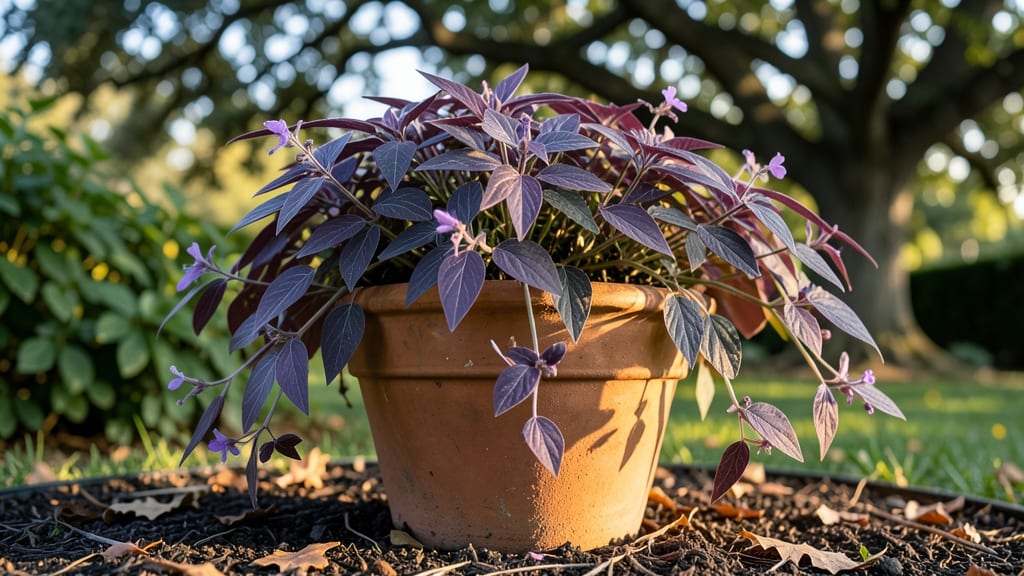
Those deep purple leaves of the Purpleheart tree (Peltophorum pterocarpum) are the kind of foliage that turns heads year-round. 🌿 I fell in love with its striking crimson hue during a trip to Florida, and now I’m growing mine in my backyard—it’s become the centerpiece of my shade garden.
The leaves aren’t just pretty; they’re tough, too, thriving in heat and humidity while still looking stunning in cooler months.
The secret to keeping those leaves vibrant lies in well-draining soil and full sun to partial shade—it’s surprisingly adaptable once established. My tree gets about 6 hours of sunlight daily, and the leaves stay glossy and rich, even in summer’s peak heat.
Watering is simple: deep soaks once a week, less in winter, and it handles drought surprisingly well once rooted.
You’ll love how the leaves change with the seasons—bright purple when young, maturing to a deep burgundy, and even turning a soft pink in cooler weather.
The tree’s hardwood is prized for furniture, too, but honestly? The leaves are the real star. They stay lush all year, making it a low-maintenance showstopper.
Watch out for spider mites in dry spells—they’ll dull the leaves—but a strong spray of water usually clears them up. In the right spot, this tree is nearly foolproof, with minimal pruning needed to shape it.
Perfect for tropical climates but adaptable enough for warmer zones in the South and West.
Leaf Color Shifts Explained
The vibrant purple heart tree (Lagerstroemia indica) is prized for its striking foliage, but those deep crimson leaves don’t just appear by magic. Several natural and environmental factors trigger—or sometimes disrupt—their iconic hue.
Understanding these causes helps gardeners nurture healthier trees and troubleshoot unexpected color changes. Let’s break down the science behind why these leaves turn—and stay—purple.
A purple heart tree’s leaves rely on precise nutrient ratios to maintain their bold color. When soil chemistry shifts, the tree may struggle to produce anthocyanins (the pigments responsible for purple hues). Here’s what’s likely happening:
- 💡 Phosphorus Shortage: Phosphorus is critical for energy transfer in plants, including pigment production. A deficiency often causes leaves to lose vibrancy, turning dull green or even yellowish before fading. Test your soil—ideal levels for purple heart trees hover around 40–60 ppm (parts per million). Apply a balanced 10-10-10 fertilizer in early spring to restore equilibrium.
- 🌡️ Nitrogen-Potassium Ratio: Too much nitrogen (common in fast-release fertilizers) can dilute anthocyanin production, leading to weaker purple tones. Aim for a lower nitrogen (N) to higher potassium (K) ratio (e.g., 5-10-15) to encourage deeper colors. Over-fertilizing with nitrogen also promotes leafy growth at the expense of pigment intensity.
- 🔄 Micronutrient Gaps: Magnesium and iron deficiencies can mimic nutrient stress, causing yellowing between veins (chlorosis). Purple heart trees thrive in slightly acidic to neutral soil (pH 6.0–7.0). If your soil is alkaline, amend it with sulfur or peat moss to improve micronutrient availability.
Actionable Fix: Conduct a soil test via your local extension office or use a home kit. If deficiencies are found, apply a chelated iron or magnesium supplement (like Epsom salt for magnesium) and re-test in 3 months.
Purple heart trees are adaptable but sensitive to extreme conditions. Stress from heat, cold, or drought can trigger a survival response—boosting anthocyanin production as a natural sunscreen or antioxidant. However, prolonged stress may lead to leaf drop or faded colors.
- 🔥 Heat & Sun Exposure: Intense sunlight (especially in hot climates) can cause leaves to darken as a protective measure. While this isn’t harmful, it may not be the rich purple you expect. Provide afternoon shade in zones with brutal summers (e.g., 9–11) to prevent leaf scorch. Mulch the root zone to keep soil temperatures stable.
- ❄️ Cold Snaps & Late Frosts: Purple heart trees are hardy to USDA zones 6–9, but sudden freezes can damage new growth, leading to patchy or muted colors. If your tree is in zone 6 or cooler, plant it in a sheltered location (e.g., near a south-facing wall) and mulch heavily in winter to insulate roots.
- 💧 Drought or Overwatering: Both extremes disrupt nutrient uptake. Purple heart trees prefer consistently moist but well-drained soil. During droughts, leaves may curl or fade to a dull red. Overwatering, however, can suffocate roots, leading to yellowing. Use a moisture meter to aim for soil that’s 60% moisture at 2–3 inches deep.
Pro Tip: 🌡️ Monitor your tree’s microclimate. If leaves turn brown and crispy (not just purple), it’s a sign of sunburn or dehydration. Adjust watering or prune to improve airflow.
While purple heart trees are relatively disease-resistant, certain pathogens and pests can alter leaf color as a side effect of their damage. Misdiagnosing these issues as natural pigmentation can lead to poor tree health.
- 🍄 Powdery Mildew: This fungal disease thrives in humid conditions and appears as a white, powdery coating on leaves. While it doesn’t directly cause purple hues, it weakens the tree, leading to premature leaf drop and reduced pigment vibrancy. Treat with neem oil or sulfur-based fungicides and improve airflow by pruning dense branches.
- 🐜 Spider Mites & Scale Insects: These sap-sucking pests cause yellow stippling or sticky honeydew on leaves. Their damage stresses the tree, sometimes triggering a darkening reaction as the tree tries to compensate. Blast leaves with water to dislodge mites or apply insecticidal soap in early morning hours.
- 🍂 Anthracnose: A less common but serious fungal infection, anthracnose causes purple-brown spots with yellow halos on leaves. Unlike natural pigmentation, these spots will spread and cause defoliation. Remove infected leaves immediately and apply a copper fungicide preventatively in spring.
Actionable Fix: 🔍 Inspect leaves undersides for pests or fungal growth. If you spot webbing, spots, or unusual textures, act quickly—early intervention prevents systemic damage.
By addressing these root causes—whether through soil amendments, environmental adjustments, or pest control—you can help your purple heart tree maintain its stunning foliage year-round. The key is observation and balance: too much of one thing (sun, water, or fertilizer) can throw off the delicate chemistry behind those show-stopping leaves.
Revive Your Purple Heart Tree
If your Purple Heart tree (Lagerstroemia indica) is struggling with discolored, wilting, or unhealthy leaves, don’t panic—most issues have simple fixes. Below, we break down the most common problems and their solutions, from quick remedies to long-term care.
With a little attention, your tree can bounce back to its stunning crimson glory! 🌿💜
Yellowing or pale leaves often signal a lack of essential nutrients. Purple Heart trees thrive in well-balanced soil, and deficiencies can creep in over time.
🔥 Step 1: Test Your Soil
- Use a soil test kit (available at garden centers) to check pH and nutrient levels. Purple Heart trees prefer slightly acidic to neutral soil (pH 5.0–6.5).
- If the test reveals low nutrients, amend the soil with:
- Organic compost (for general health)
- Slow-release granular fertilizer (10-10-10 or 8-3-9 ratio) in early spring
🍳 Step 2: Target-Specific Fertilizers
For quick fixes:
- Iron deficiency (yellow leaves with green veins)? Sprinkle chelated iron around the root zone and water thoroughly.
- Nitrogen deficiency (overall pale green)? Apply a high-nitrogen fertilizer (like blood meal) in spring.
- Magnesium deficiency (yellow patches between veins)? Use Epsom salt (1 tbsp per gallon of water) as a foliar spray or soil drench.
💡 Pro Tip:
Over-fertilizing can burn roots. Always water the soil before and after applying fertilizer, and follow package instructions for dosage.
Purple Heart trees are drought-tolerant but still need consistent moisture—especially in their first few years. Overwatering or underwatering can both cause leaf issues.
👨🍳 Step 1: Check Soil Moisture
- Stick your finger 2–3 inches into the soil. If it’s dry, it’s time to water. If it’s soggy, hold off.
- Mulch heavily (2–4 inches of organic mulch) to retain moisture and regulate temperature.
🥘 Step 2: Adjust Your Watering Routine
- Young trees (1–3 years): Water deeply 2–3 times per week (1–2 inches per session).
- Mature trees: Water once a week during dry spells (more in extreme heat).
- Signs of overwatering: Yellowing leaves, mushy stems, or fungal growth. Let the soil dry out slightly between waterings.
⏰ Step 3: Improve Drainage
- If your tree is in a clay-heavy or compacted soil, amend with:
- Sand or perlite (for sandy soils)
- Compost or coconut coir (for clay soils)
- Consider raising the planting bed slightly to prevent waterlogging.
Purple Heart trees are generally resilient, but pests like aphids, spider mites, or fungal diseases (like powdery mildew) can turn leaves unsightly.
🔪 Step 1: Identify the Problem
Common culprits and their signs:
| Issue | Symptoms | Solution |
|---|---|---|
| Aphids | Sticky residue (honeydew), curled leaves, black sooty mold | Spray with neem oil or insecticidal soap. Introduce ladybugs (natural predators). |
| Spider Mites | Tiny webs, speckled/yellowing leaves | Blast leaves with water to dislodge mites. Use horticultural oil or miticide soap. |
| Powdery Mildew | White, powdery coating on leaves | Prune affected branches. Apply baking soda spray (1 tsp baking soda + 1 quart water + a drop of soap) or fungicide. |
| Root Rot | Wilting, yellowing, foul-smelling soil | Improve drainage, reduce watering, and treat with fungicide. In severe cases, repot or replace the tree. |
🌡️ Step 2: Prevent Future Outbreaks
- Encourage airflow: Prune dense branches to improve circulation.
- Clean up debris: Remove fallen leaves and prunings to reduce fungal spores.
- Avoid overhead watering: Water at the base to keep foliage dry.
Prevention is key to keeping your Purple Heart tree’s foliage bold and healthy year-round.
✨ Seasonal Maintenance Checklist
- Spring: Prune dead/diseased branches. Apply a balanced fertilizer.
- Summer: Monitor watering. Watch for pests (especially after heatwaves).
- Fall: Reduce watering slightly. Mulch to protect roots from winter chill.
- Winter: In cold climates, wrap young trees with burlap to prevent frost damage.
🎯 Pro Tip:
Purple Heart trees love full sun (6+ hours daily). If leaves fade or lose color, they may need a sunnier spot. Gradually move the tree over a few weeks to avoid shock.
With these solutions, your Purple Heart tree should regain its lush, crimson foliage in no time. Most issues are fixable with a little patience and the right care—so roll up your sleeves and give your tree the TLC it deserves! 🌸💪
Frequently asked questions
What's the difference between Purple Heart tree leaves and Crepe Myrtle leaves?
Purple Heart trees (Peltophorum pterocarpum) have small, glossy leaves with a deep purple hue that turns burgundy as they mature. Crepe Myrtle (Lagerstroemia indica) leaves are larger, more papery, and often feature multiple shades of purple, pink, or green on the same branch. While both are stunning, Purple Heart leaves stay consistently vibrant year-round without seasonal color shifts.
Can I grow a Purple Heart tree in a container?
Yes, but it requires a large pot (at least 20 gallons) with excellent drainage. Use a fast-draining potting mix (like cactus/succulent blend) and repot every 2-3 years to refresh nutrients. Container-grown Purple Hearts need more frequent watering (every 3-4 days in summer) and winter protection if temperatures drop below 20°F.
Why are my Purple Heart tree leaves turning brown at the edges?
This usually signals underwatering or salt buildup from tap water. Check soil moisture by sticking your finger 2-3 inches deep—if dry, water deeply. For salt issues, flush the soil with 3-4 inches of water to leach out minerals. Brown edges can also appear in hot, dry winds, so mulch heavily and provide afternoon shade in extreme climates.
How fast do Purple Heart tree leaves change color?
New growth emerges bright purple in spring, maturing to deep burgundy over 4-6 weeks. In cooler months, leaves may develop pinkish tones, especially in partial shade. The color transformation accelerates with bright sunlight and proper fertilization. For fastest color development, plant in full sun (6+ hours daily) and use a low-nitrogen, high-potassium fertilizer (like 5-10-15).