
Pruning
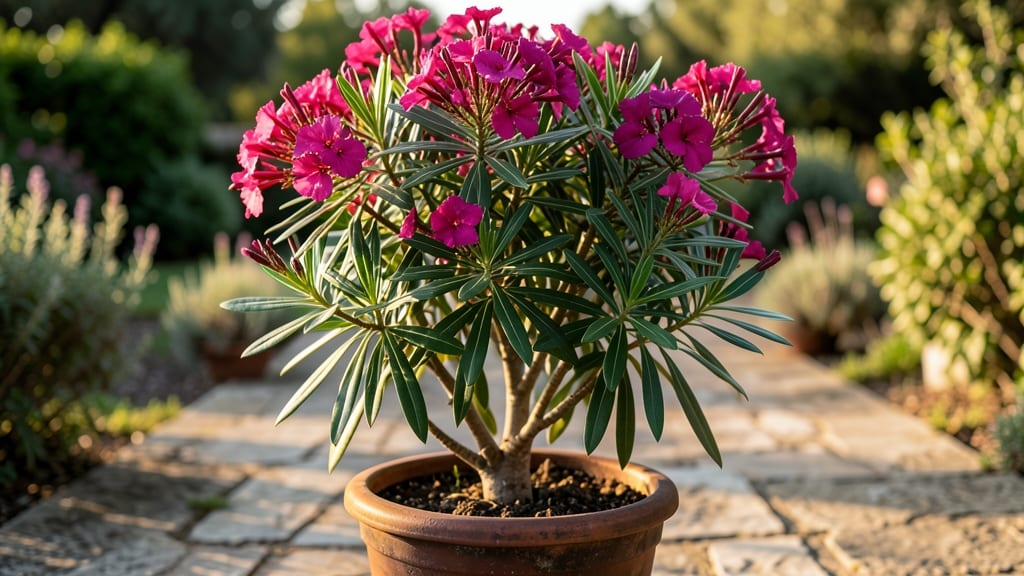
Growing an oleander tree in Florida 🌿 means unlocking its full potential with the right pruning schedule—and skipping it can turn your showstopper into a sparse, leggy shadow of itself.
Picture this: your oleander’s vibrant blooms fading into a few straggly stems by midsummer, while neighbors’ trees stay lush and full. The difference? A strategic pruning timeline that aligns with Florida’s heat, humidity, and seasonal storms. Without it, you’re missing out on the year-round flowering these trees are famous for.
Pruning isn’t just about shaping—it’s about revitalizing your oleander’s growth cycle. In this guide, I’ll walk you through the exact months to trim, how to spot overgrown branches before they become a problem, and the one mistake that kills blooms faster than Florida’s summer droughts.
By the end, you’ll know when to prune for maximum blooms, how to recover from hurricane damage, and why your dwarf variety needs a different approach than a 15-foot standard. Let’s get started.
Florida oleander pruning schedule by season: when to trim for maximum blooms
Florida’s oleander trees (Nerium oleander) produce their most vibrant blooms when pruned strategically throughout the year. Unlike many plants, oleanders bloom on new and old wood, meaning you can shape them year-round without sacrificing flowers.
The key is understanding seasonal growth patterns—pruning too late in the season can cut off next year’s blooms, while trimming at the wrong time may stress the plant during Florida’s intense heat or hurricane season.
Timing matters most in Florida’s humid subtropical climate. Pruning during the dormant winter months (December-February) gives the tree time to recover before spring’s intense growth surge. Summer pruning should focus on light shaping and deadheading to avoid inviting pests or diseases during the rainy season.
Hurricane season (June-November) requires a different approach—strategic thinning to reduce wind resistance while preserving bloom potential.
Pro Tip: Always use sterilized pruning shears and cut at a 45-degree angle just above a leaf node. Oleanders bleed white latex sap when cut, which hardens quickly—seal cuts with pruning sealant if making large cuts during dry months to prevent disease entry.
| Season | Pruning Goal | Best Time | What to Cut | Avoid |
|---|---|---|---|---|
| Late Winter (Dec-Feb) | Structural shaping | January-February | Dead/diseased branches, crossing limbs | Over-pruning (never remove >30%) |
| Early Spring (Mar-Apr) | Bloom stimulation | March (after last frost) | Light heading cuts (1/3 of stem) | Heavy cuts (wait for new growth) |
| Summer (May-Aug) | Deadheading & shaping | June-July (after blooms fade) | Spent flowers, leggy growth | Pruning during storms/hurricanes |
| Hurricane Season (Jun-Nov) | Storm prep | September-October | Thin dense branches (reduce wind catch) | Heavy pruning (wait until Dec) |
| Fall (Sep-Nov) | Minimal maintenance | November (post-hurricane season) | Only remove storm-damaged wood | Fertilizing after pruning |
Your late-winter pruning (January-February) is the most critical window. This is when oleanders enter their active growth phase, and shaping the tree now ensures a fuller canopy by spring. Focus on removing dead, diseased, or crossing branches first—these compete with healthy growth.
For structural shaping, never remove more than 30% of the tree’s foliage in one session, or you risk shocking the plant during Florida’s humid recovery period.
In early spring (March-April),
How to prune oleander trees in Florida: step-by-step techniques for healthy growth
Pruning your oleander tree in Florida isn’t just about shaping—it’s about encouraging year-round blooms and preventing storm damage. Start by selecting the right tools: a sharp bypass pruner for clean cuts and sterilized shears to avoid disease spread.
Always prune on a dry, sunny morning when the plant is actively growing.
Before you begin, identify your oleander’s growth habit. Florida’s standard varieties grow 15–20 feet tall, while dwarf types like ‘Petite Pink’ stay compact. Focus cuts on overlapping branches and crossing limbs first—these compete for energy and weaken the tree’s structure.
⚠️ callout warning ⚠️
All parts of the oleander tree are highly toxic—sap, leaves, and flowers contain cardiac glycosides. Wear gloves and long sleeves during pruning. Never burn clippings—they release toxic fumes. Dispose of trimmings in sealed bags.
🌱 Pro Tip: Sterilize tools with rubbing alcohol before and after pruning to prevent sooty mold.
For healthy growth, cut just above a bud or leaf node at a 45-degree angle. This encourages new shoots to grow outward, not inward. Avoid topping (cutting the main stem flat)—this creates weak, leggy growth.
Instead, prune to shape naturally, removing no more than 25% of the canopy in one session.
After pruning, apply a balanced fertilizer (7-7-7 NPK) to replenish nutrients lost during cutting. Water deeply at the base of the tree to reduce stress.
If your oleander looks wilting or yellowing after a storm, trim only broken branches immediately—wait to assess full damage until new growth appears in 2–3 weeks.
Mulch around the root zone with 2–3 inches of organic mulch (like pine bark) to retain moisture and regulate soil temperature. This is especially critical in Florida’s summer heat, where roots can dry out quickly.
Monitor for aphids or scale insects, which thrive on stressed oleanders—spray with neem oil if needed.
Prune lightly in summer to remove spent blooms and heavily in late winter (January–February) to shape for spring growth. With consistent care, your oleander’s vibrant blooms will reward you with seasonal color from spring through fall. 🌿