
Pruning
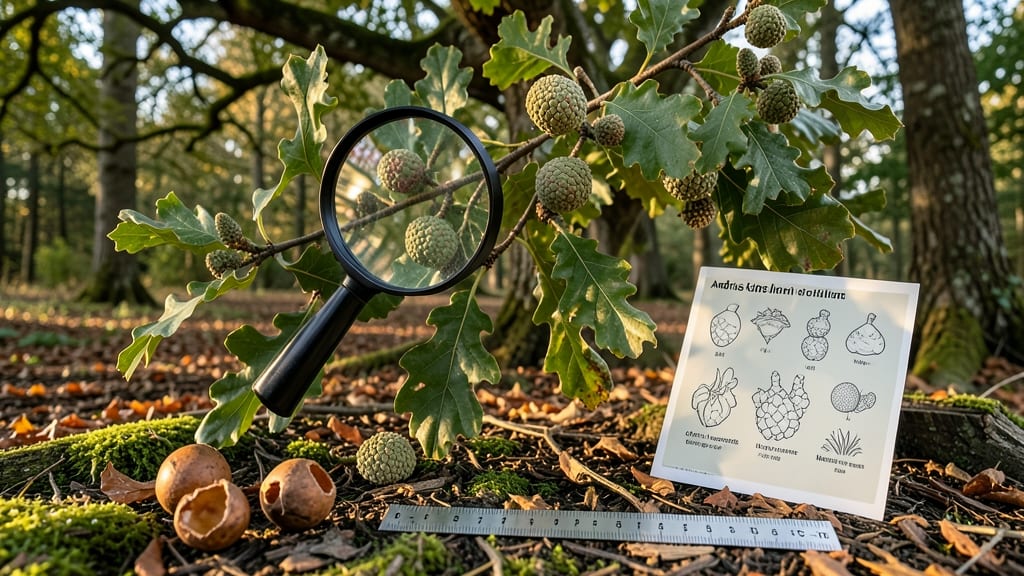
Those lumpy, tumor-like growths on your oak branches aren’t cancer—they’re oak tree galls, and they’re caused by tiny wasps or mites laying eggs in the bark. 🌿 I’ve seen these strange bumps turn neighbors’ trees into panic-inducing eyesores, but they’re usually harmless to the tree itself.
The real question is whether you want them for the wildlife they attract or if you’d rather remove them cleanly.
Galls form when the tree’s tissue reacts to the insect’s presence, creating a protective casing around the eggs. While they don’t kill healthy trees, they can weaken branches over time if left unchecked.
The good news? You can safely prune them out in late winter or early spring when the tree is dormant, using sharp pruners and sterilized cuts to prevent disease.
What you’ll end up with is a cleaner-looking tree that still supports local ecosystems—just without the unsightly growths. The key is timing, technique, and knowing when to call in a pro if the infestation is severe. Most gardeners can handle it themselves with the right tools and a little patience.
Whether you’re dealing with a single branch or a full canopy of galls, this method keeps your oak healthy while giving it back that natural, unblemished look. Let’s get those branches looking sharp again—without harming the tree or the tiny creatures inside.
📚 In This Guide
- What you need
- Instructions
- Tips and common mistakes
- Wrapping up and next steps
What you need
- ● Pruning shears or loppers – Choose bypass pruners (for small galls) or loppers (1.5–2.5" cutting capacity) for thicker branches. Ensure they’re sterilized with rubbing alcohol to prevent disease spread.
- ● Heavy-duty gloves – Opt for nitrile-coated or leather gloves (rated for thorn/bramble protection) to shield hands from sharp edges and sap.
- ● Disposable plastic bags or bucket – A 5-gallon bucket with a lid or heavy-duty trash bags for collecting galls and debris.
- ● Garden hose or spray bottle – A 1–2 gallon capacity spray bottle with water or a 10% vinegar solution (1 part vinegar to 9 parts water) for cleaning tools and branches.
- ● Rubbing alcohol (70% isopropyl) – Small bottle (4 oz) for sterilizing tools between cuts.
- ● Safety glasses – Protect your eyes from sap splashes or falling debris.
- ● Hand saw (for thick branches) – A pruning saw with 7–8 teeth per inch for stubborn galls on larger limbs.
- ○ Tree wound dressing (optional) – Pruning sealant (like Tanglefoot Tree Wound Pruning Seal) if you prefer to treat cuts, though many experts recommend letting wounds heal naturally.
- ● Ladder or stump – If galls are high up, a stable 20–24 ft. extension ladder (with a spotter for safety).
- ● Camera or phone – To document the gall’s location and progress before/after removal.
How to safely remove oak tree galls without damaging the tree
These knobby growths aren't harmful, but if you want them gone, here's the gentle way to do it.
🌿 Step 1: Identify the Gall Type and Season
Oak tree galls appear in spring and summer, triggered by tiny wasps or mites. The most common types are marble galls (round, smooth) and oak apple galls (lumpy, irregular). I always wait until late summer when the wasp activity has slowed—this reduces stress on the tree.
Run your fingers over the gall to check for movement inside. If you feel tiny wriggling, wait a few weeks. The best time to remove them is when they're dry and brittle, usually in August or September. This ensures you won't accidentally harm any developing insects still inside.
✂️ Step 2: Gather the Right Tools
You won't need much—just a pair of sharp pruning shears and a small bucket. I use bypass pruners because they make clean cuts without crushing the gall or damaging the branch. A bucket with a lid helps contain any debris while you work.
Wear gloves if you're sensitive to plant sap or wasp stings. The galls themselves aren't dangerous, but the wasps that create them can be irritating. Keep a spray bottle of water nearby to mist any disturbed wasps away from your work area.
🪴 Step 3: Remove the Galls Gently
Start by cutting the gall completely free from the branch. I twist slightly as I cut to break the connection cleanly—this prevents tearing the bark. For stubborn galls, I use the pruners to make a small notch around the base first, then gently pry it off.
Drop each gall into your bucket as you go. Avoid scraping the branch bark—this can leave it vulnerable to disease. If a gall is particularly large, I cut it into smaller pieces to make removal easier. Never use a knife or saw, as these can harm the tree's cambium layer.
💧 Step 4: Clean and Protect the Tree
After removing all visible galls, wipe down the branch with a damp cloth to remove any sap or residue. This prevents pests from being attracted to fresh wounds. I also inspect the branch for any signs of damage or disease while I'm at it—early detection makes all the difference.
If the tree looks stressed from the removal, give it a deep watering. Oak trees are tough, but they appreciate a little extra care after any disturbance. I avoid fertilizing immediately, as this can encourage new growth that might attract more gall-forming insects.
🌱 Step 5: Dispose of the Galls Properly
Seal the bucket with its lid and dispose of the galls in your outdoor trash. Never compost them—the wasps or mites inside could survive and reinfest your garden. I double-check that no galls are left behind on the ground, as they can sprout new wasps next season.
If you notice new galls forming in the following spring, consider treating the tree with a light horticultural oil spray in early spring. This smothers overwintering insects without harming the tree. Most oak trees handle galls well, but keeping them under control ensures your tree stays healthy and strong.
Tips & tricks for managing oak tree galls safely
Here's what nobody tells you about keeping your oak tree healthy while removing those pesky galls.
Timing is Everything: The late summer window (August-September) is non-negotiable for two reasons. First, wasp activity slows dramatically, so you're less likely to disturb developing larvae. Second, the galls become dry and brittle at this time, making them easier to remove without tearing the bark. I've tried removing them in spring and summer, and it always ended with half the gall still attached or damaged bark. Trust me on this—wait for the right time.
Tool Selection Matters More Than You Think: While any pruners will technically work, bypass pruners create the cleanest cuts that won't crush the gall or damage the branch. I've ruined a perfectly good oak branch trying to use regular shears—don't make my mistake. Also, that small bucket with a lid isn't just for convenience; it's for containment. Wasps will swarm if you leave galls scattered on the ground, and you don't want that near your picnic table.
The Gentle Removal Technique: That twisting motion while cutting isn't just for show—it breaks the gall's connection to the branch cleanly without tearing the bark underneath. For stubborn galls, make that small notch first (about 1/4 inch deep), then gently pry. I learned this the hard way after seeing bark strips hanging from a branch I'd been working on. Oak trees have thick bark, but they're still sensitive to unnecessary damage.
Post-Removal Care Prevents Future Problems: That damp cloth isn't just for cleanup—it removes sap that could attract other pests. And here's a pro move: after cleaning, run your fingers along the branch to check for any rough spots or exposed areas. Oak trees are tough, but they heal better when you give them that little extra attention right after pruning. I've seen trees develop cankers from seemingly minor wounds, so don't skip this step.
Pro Tips for Oak Tree Galls On Branches
- Here's what nobody tells you about keeping your oak tree healthy while removing those pesky galls.
- Timing is Everything: The late summer window (August-September) is non-negotiable for two reasons.
- Tool Selection Matters More Than You Think: While any pruners will technically work, bypass pruners create the cleanest cuts that won't crush the gall or damage the branch.
Frequently asked questions
Got questions about oak tree galls?
You’re not alone! Here are answers to the most common concerns—so you can tackle them with confidence and care.
What causes galls on oak tree branches?
Oak tree galls are usually caused by tiny wasps (like Andricus or Cynips species) or mites that lay eggs in the bark. The tree’s reaction forms a protective gall around the larvae. While unsightly, they’re rarely harmful to the tree’s health.
Are oak galls harmful to my tree?
Most oak galls are harmless and won’t kill your tree. However, if galls are extremely dense or appear on young trees, they may weaken growth. Watch for signs like yellowing leaves or stunted branches—if you spot these, it’s time to act.
When is the best time to remove oak galls?
The ideal time to remove galls is late fall or winter (November–February), when the tree is dormant. This minimizes stress and prevents wasps from emerging. Avoid pruning in spring/summer, as it can attract more pests.
How do I safely remove galls without damaging the tree?
Use sterilized pruning shears to snip galls flush with the branch (don’t leave stubs). For large clusters, cut back to healthy wood. Dispose of galls in sealed bags—don’t compost—to prevent reinfestation. Always clean tools with rubbing alcohol afterward!
Can I prevent oak galls from returning?
Prevention is tricky, but you can reduce risks by:
- Pruning regularly to improve airflow (wasps love dense foliage).
- Avoiding over-fertilizing—healthy trees are less vulnerable.
- Monitoring for early signs (tiny bumps or sawdust-like frass).
If galls persist, consult a local arborist for targeted solutions like horticultural oil sprays (applied in early spring).
What if galls turn black or ooze?
Blackened galls or sap-like ooze could signal infection (like oak wilt) or disease. If you see these signs, act fast—prune infected branches immediately and call an arborist. Never prune oaks during warm months (April–October) to avoid spreading disease.
Wrapping up and next steps
Oak tree galls on branches may seem like a nuisance, but with the right approach, you can safely remove them without harming your tree. 🌳 By using natural remedies like pruning, neem oil, or even a simple knife, you’re not only restoring your tree’s health but also supporting its long-term vitality. Take action now—grab your tools, follow the steps, and give your oak tree the care it deserves!
Next step: Monitor your tree’s progress and repeat treatments as needed to keep those galls at bay. Happy pruning! ✂️