
Pruning
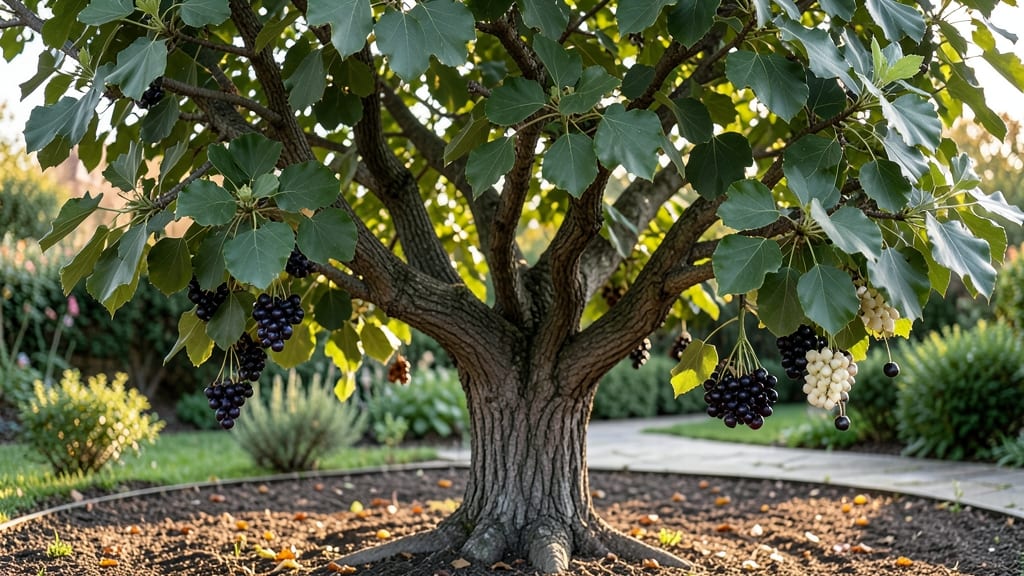
A large mulberry tree can reach towering heights of 30+ feet—but only if you choose the right cultivar and care for it properly.
If you're dreaming of a towering mulberry tree but worried about space constraints, the right cultivar can grow 30+ feet tall—without sacrificing fruit production or garden harmony. Discover the fastest-growing varieties that dominate landscapes while delivering sweet, juicy berries.
Some mulberry trees grow aggressively, while others stay more compact—so selecting the ideal type for your yard is key. Whether you're after Illinois Everbearing or Texas Everbearing, understanding their mature size helps you plan for long-term growth.
In this guide, I’ll break down the fastest-growing cultivars, pruning techniques to manage height, and common mistakes that lead to uncontrollable growth. By the end, you’ll know exactly how to nurture a large mulberry tree 🌳 without losing control.
Fastest-growing mulberry tree cultivars and their mature height limits
If you're dreaming of a towering mulberry tree but worried about space constraints, the right cultivar can grow 30+ feet tall—without sacrificing fruit production or garden harmony. Large mulberry varieties like Illinois Everbearing and Texas Everbearing dominate landscapes while delivering sweet, juicy berries.
These fast-growing giants can reach their mature height in just 5-7 years under ideal conditions, making them perfect for large properties or urban homesteads with space to spare.
Choosing the right cultivar is critical because mature height limits vary significantly. Some varieties like Black Diamond stay more compact, while others like Illinois Everbearing can reach 50+ feet if unchecked. Understanding growth rates and height potential helps you plan your garden layout and pruning strategy from day one.
Let's compare the fastest-growing large mulberry trees and their height limits to help you make an informed decision.
| Cultivar | Mature Height Range | Annual Growth Rate | Time to Mature Height | Ideal Climate Zones | Fruit Production |
|---|---|---|---|---|---|
| Illinois Everbearing | 40-50 ft | 3-5 ft/year | 5-7 years | USDA Zones 5-9 | Very high (2 crops/year) |
| Texas Everbearing | 35-45 ft | 2.5-4 ft/year | 6-8 years | USDA Zones 6-10 | High (1-2 crops/year) |
| Black Diamond | 25-35 ft | 2-3 ft/year | 8-10 years | USDA Zones 5-8 | Moderate (1 crop/year) |
🌱 Growth Rate Key: Illinois Everbearing grows fastest, Black Diamond most compact
The Illinois Everbearing mulberry is the fastest-growing cultivar on this list, capable of adding 3-5 feet to its height each year during its prime growth years. This variety thrives in USDA Zones 5-9 and produces two crops of fruit annually, making it ideal for home orchards.
However, its rapid growth means you'll need to plan for aggressive pruning if you want to control its height, especially if you're working with limited space.
For those in warmer climates, the Texas Everbearing mulberry offers a slightly slower growth rate but excellent heat tolerance. It reaches 35-45 feet at maturity and produces large, sweet berries that are perfect for fresh eating or baking.
This cultivar is particularly well-suited for southern gardens where other mulberries might struggle in extreme heat. Its annual growth of 2.5-4 feet makes it a more manageable option for those who want a fast-growing tree without the same level of aggressive pruning.
If you're looking for a more compact but still substantial mulberry tree, the Black Diamond cultivar is an excellent choice.
While it grows at a slower rate of 2-3 feet per year, it tops out at a more manageable 25-35 feet, making it ideal for smaller properties or urban landscapes.
This variety produces dark, rich berries that are highly prized for their flavor and are perfect for those who want a large mulberry tree without the space constraints of taller varieties.
When shopping for mulberry trees, always verify the nursery's claims about fast growth. Ask for growth rate documentation or check with local gardeners who have grown the same cultivar.
Many nurseries use terms like "fast-growing" loosely, so it's essential to clarify whether the tree will reach 30+ feet in 5 years or if that's the mature height over 10+ years. A reputable nursery will provide specific growth expectations based on local climate conditions.
Another critical factor to consider is soil quality and sunlight exposure. Large mulberry trees need well-draining soil and full sun exposure (6-8 hours daily) to reach their full growth potential.
If you're planting in a location with poor soil or partial shade, expect slower growth rates and potentially lower fruit production. Amending your soil with compost and organic matter before planting can significantly boost growth and ensure your mulberry tree reaches its mature height more quickly.
For maximum growth, plant your mulberry tree in early spring after the last frost date in your area. This timing allows the tree to establish a strong root system before the first winter, setting the stage for rapid growth in subsequent years.
Water deeply once a week during the first growing season to encourage root development, and apply a balanced fertilizer in early spring to provide essential nutrients for vigorous growth.
Remember that while these mulberry trees are fast-growing, their height can be managed with proper pruning techniques. Regular pruning not only controls height but also improves fruit production by allowing more light to reach the inner branches.
If you're unsure about pruning, consider consulting a local arborist or researching selective thinning techniques to keep your mulberry tree at a manageable height while still enjoying its abundant fruit harvest.
With the right cultivar, proper planting techniques, and ongoing care, you can enjoy a towering mulberry tree that provides shade, beauty, and delicious fruit for decades to come.
Whether you choose the rapidly growing Illinois Everbearing or the more compact Black Diamond, understanding these height limits and growth rates will help you create a thriving garden space that balances size and productivity.
How to control a large mulberry tree’s height without pruning it down
Large mulberry trees (Morus spp.) can reach 60 feet tall if left unchecked, but you don’t need to prune them drastically to keep them manageable. The key lies in strategic pruning techniques, root management, and companion planting to redirect growth while maximizing fruit production.
These methods allow your tree to thrive without sacrificing its natural beauty or productivity.
Instead of aggressive crown reduction, focus on selective thinning to maintain an open canopy. This approach improves air circulation, reduces disease risk, and encourages stronger branch structure.
Pair this with root barriers to limit underground expansion, and companion plants like dwarf fruit trees or ground covers to create natural boundaries.
Timing is everything—prune during late winter or early spring before new growth begins. Avoid heavy pruning in summer, as it stresses the tree and reduces fruit yield. For a side-by-side pruning schedule, we’ll break down seasonal tasks to keep your mulberry tree’s height in check without stunting its growth.
3 Proven Ways to Manage Mulberry Tree Height
Remove 10-20% of branches annually to maintain an open canopy. Focus on weak or crossing branches first.
Install 2-3 ft deep barriers at planting to limit root spread. Use HDPE plastic or metal for durability.
Plant dwarf fruit trees or ground covers beneath the mulberry to compete for nutrients and slow vertical growth.
Crown reduction—cutting back large branches to stubs—should be a last resort. This method can shock the tree and reduce fruit production for 2-3 years. Instead, opt for selective thinning, where you remove entire branches back to their point of origin. This preserves the tree’s natural shape while reducing height incrementally.
For root management, install underground barriers at planting or within the first year. These barriers redirect roots horizontally, preventing them from spreading too far and encouraging a more compact growth habit.
Pair this with mulching (3-4 inches of organic mulch) to suppress weeds and retain moisture, which further supports controlled growth.
Companion planting is another low-effort strategy to manage height. Plant dwarf varieties of fruit trees (like apple or pear) beneath the mulberry, or use ground covers like clover or creeping thyme. These plants compete for nutrients and water, subtly slowing the mulberry’s vertical expansion while adding biodiversity to your garden.
Finally, seasonal pruning schedules are critical. In late winter (February-March), remove dead or diseased branches. In early spring (April), thin out 10-15% of the canopy to improve light penetration. Avoid pruning in summer or fall, as this can stimulate weak growth and reduce winter hardiness.
With these techniques, your large mulberry tree can stay 20-30 feet tall—tall enough to provide shade and fruit, but manageable for your landscape. The key is patience and consistency; small, strategic adjustments yield the best results over time. 🌳