
How To
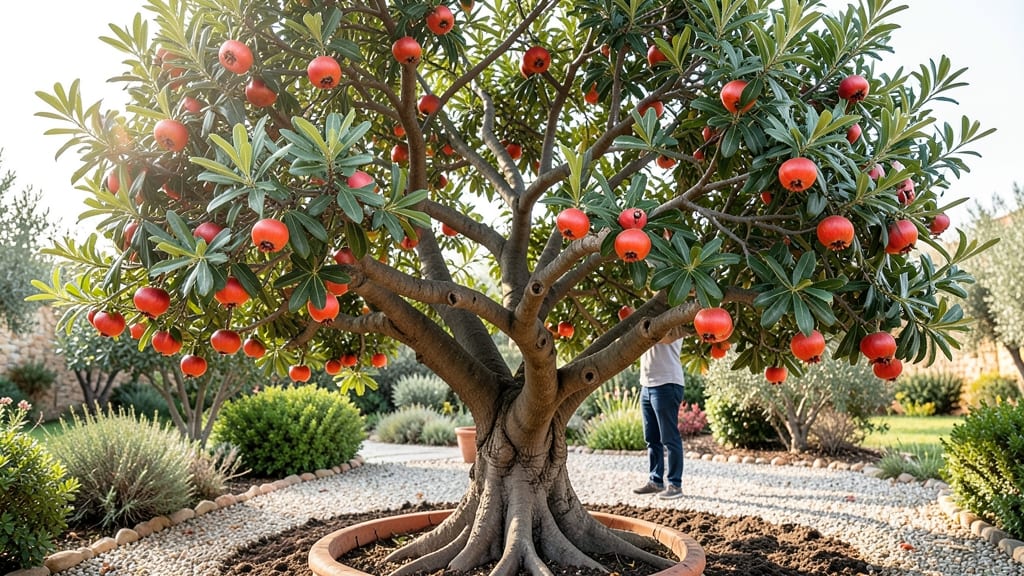
A pomegranate tree grows anywhere from 10 to 30 feet tall at maturity, depending on the variety and growing conditions — and that range makes it a surprisingly adaptable choice for almost any garden.
If you're dreaming of a stunning 🍇 pomegranate tree in your garden but wondering whether it’ll tower over your backyard or stay compact, the answer depends on the variety—and your climate zone.
Some pomegranates grow as small as shrubs, while others reach small tree heights, making them a versatile choice for any outdoor space.
The dwarf varieties like 'Sweetheart' max out around 8 to 12 feet, perfect for containers or small yards, while standard types like 'Wonderful' can stretch toward 20 to 30 feet if left unpruned. Even the tallest, though, can be managed with strategic pruning or spacing.
Below, I’ll break down the height differences by cultivar, how climate affects growth, and the 5 easiest ways to keep a pomegranate tree at your desired size—whether you want it as a showstopper or a manageable shrub.


Pomegranate tree height by variety: dwarf vs. standard vs. giant sizes
Choosing the right pomegranate variety is key if you're planning your garden layout. Some varieties stay under 10 feet, perfect for containers or small yards, while others reach towering 30 feet heights.
The difference often comes down to genetics—whether you select a dwarf cultivar, a standard tree, or a fast-growing variety. Let’s break down the most popular options so you can pick the perfect fit for your space.
For small gardens or urban patios, dwarf varieties like 'Sweetheart' or 'Mini Red' are game-changers. These stay compact, often under 8 feet, and produce abundant fruit without dominating your outdoor space.
Meanwhile, standard varieties like 'Wonderful' or 'Eversweet' can reach 20–30 feet, making them ideal for larger backyards or orchards. Even within these categories, growth habits vary—some grow upright, while others spread wider.
Here’s a quick comparison to help you visualize the differences:
If you’re growing pomegranates in containers, focus on dwarf or semi-dwarf varieties like 'Sweetheart' or 'Granada Seedless'. These thrive in 15–25 gallon pots and can produce fruit even in limited spaces. Just ensure your container has drainage holes and you’re using a well-draining potting mix.
For ground planting, standard varieties like 'Wonderful' will need ample space—plant them 15–20 feet from structures or other trees to avoid overcrowding.
Another factor to consider is pruning practices. Even standard varieties can be kept smaller with regular pruning, though this may reduce fruit size slightly. For example, heading back branches in late winter can encourage bushier growth and manage height.
Just avoid heavy pruning in summer, as this can stress the tree and reduce next year’s fruit production. Instead, focus on structural pruning during dormancy.
For cold climates (USDA Zones 7–8), dwarf varieties are your best bet—they’re less likely to suffer winter damage and recover faster from frost. In warmer zones (9–11), standard trees like 'Wonderful' thrive with minimal care, but they’ll need regular watering during dry spells to maintain their height and vigor.
Always plant in full sun (6+ hours daily) for optimal growth, regardless of variety.
One common misconception is that taller pomegranate trees always produce more fruit. While standard varieties may yield larger individual fruits, dwarf trees often produce earlier and more consistently due to their manageable size.
This makes them ideal for container growing or small-space gardening. If you’re after high-volume harvests, consider planting multiple dwarf trees instead of one large standard tree.
Before planting, check your local frost dates—pomegranates need 200–300 frost-free days to mature. In colder regions, opt for dwarf varieties or use container growing to move the tree indoors during winter.
For warmer climates, standard trees will flourish with minimal intervention, but watch for pests like aphids or diseases like powdery mildew, which can stunt growth if left unchecked.
Ready to plant? Start by selecting a variety that matches your space and climate. For containers or small yards, 'Sweetheart' or 'Mini Red' are foolproof choices. For larger gardens, 'Wonderful' or 'Eversweet' will deliver stunning height and abundant fruit.
Just remember: prune early and often to guide growth, and always plant in well-draining soil to prevent root rot.
🌱 Need more tips? Check out our guide on pruning pomegranate trees for height control to keep your tree at your desired size without sacrificing fruit production.
How climate zones affect pomegranate tree growth and height
Your USDA hardiness zone plays a crucial role in determining how tall your pomegranate tree will grow. These trees thrive best in zones 7 through 11, where warm winters and hot summers create ideal conditions.
In cooler zones, growth slows dramatically, while extreme heat can stress the tree if not managed properly. Understanding your climate zone helps you choose the right variety and care approach.
In zones 9-11, pomegranates reach their full potential, often growing 20-30 feet tall with proper care. However, in zone 7, they may struggle to exceed 10-15 feet without winter protection.
The right variety and microclimate adjustments can make all the difference in achieving your desired tree height and fruit production.
In zone 7, where winters can dip below 10°F, pomegranates may not survive outdoors without winter mulching or container growing. I recommend choosing dwarf varieties like 'Sweetheart' or 'Mini Marvel' for smaller spaces. These stay under 8 feet and produce fruit reliably even in cooler climates when protected.
For gardeners in zones 9-11, you’ll find the most dramatic growth potential. Standard varieties like 'Wonderful' can easily reach 25 feet with proper pruning and care.
The warmer climate allows for faster growth and larger fruit yields, but be prepared for more aggressive pruning to maintain manageable height in smaller yards.
If you live in a hot, dry climate (like zone 10b+), your pomegranate may grow taller but could suffer from heat stress without adequate water. I always recommend deep, infrequent watering and afternoon shade cloth during peak summer months to protect young trees.
This balance keeps your tree healthy while encouraging strong vertical growth.
No matter your zone, pruning in late winter helps control height and shape. In cooler zones, prune lightly to avoid stressing the tree before winter. In warmer zones, more aggressive pruning encourages bushier growth and better fruit production. Always use sterilized tools to prevent disease spread during pruning sessions.