
Pruning
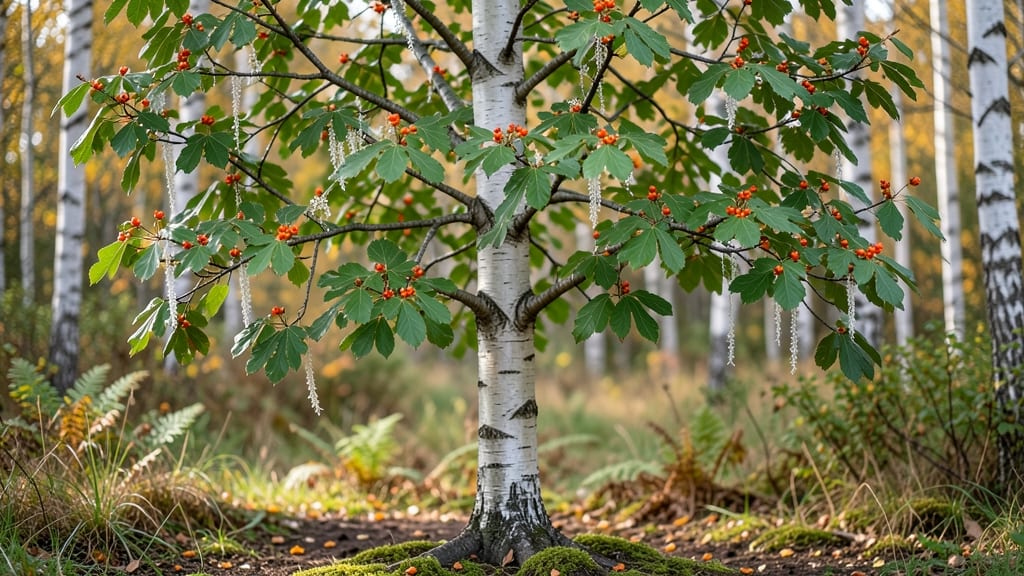
Mastering mountain ash tree leaf identification feels like solving a nature puzzle—especially when those deep red berries and jagged edges look familiar but just aren’t quite right. 🌿 The key lies in the fine serrations, pale undersides, and how the leaves fan out along the branches, which sets them apart from rowan or hawthorn.
Most people confuse mountain ash with rowan because both have red berries, but mountain ash leaves are 2-4 inches long, oval-shaped, and have 12-15 sharp teeth along each edge. Flip one over, and you’ll see a lighter green underside with visible veins that branch out like a spiderweb.
When you spot these leaves in late spring or summer, you’re looking at a tree that thrives in cool, moist climates—think mountain slopes, riverbanks, or even city parks in the Northeast. The berries come later, but the leaves give it away long before.
If you’re still unsure, compare them side by side with hawthorn (smaller leaves, thorns) or rowan (more rounded teeth, fewer veins). Grab a magnifying glass—this is where the real clues hide.
Understanding Leaf Changes in Mountain Ash
Mountain ash trees (Sorbus spp.) are prized for their striking foliage and vibrant red berries, but their leaves can sometimes exhibit unexpected changes—whether it’s unusual discoloration, premature drop, or distorted shapes. These shifts aren’t random; they’re usually the tree’s way of responding to stress or environmental factors.
Below, we break down the most common causes behind leaf irregularities, so you can diagnose the issue and take action.
Mountain ash trees are resilient, but extreme or prolonged environmental conditions can push them beyond their comfort zone. Here’s how heat, cold, drought, and humidity play a role:
- Heatwaves and Drought:
When temperatures spike or rainfall dwindles, mountain ash leaves may curl inward or develop brown edges—a survival tactic to reduce water loss.
The tree prioritizes keeping its core hydrated, often at the expense of leaf health. Actionable fix: Deep watering (1–2 inches per week) and mulching (2–3 inches of organic mulch) to retain soil moisture.
- Frost or Late Freezes:
Young leaves are especially vulnerable to late-spring frosts (below 28°F). This can cause blackened or mushy spots, mimicking disease symptoms. Mountain ash trees in high-altitude or northern climates are more susceptible. Actionable fix: Plant in sheltered locations or use frost cloths for newly planted trees.
- Humidity and Fungal Pressure:
Stagnant, humid air (common in dense forests or poorly drained soils) creates the perfect breeding ground for fungal spores.
Look for yellowing between leaf veins or powdery mildew on undersides—a classic sign of Podosphaera pannosa or Venturia inaequalis. Actionable fix: Prune for airflow, avoid overhead watering, and apply neem oil or copper fungicide preventatively in spring.
While mountain ash trees are hardy, pests and pathogens can exploit their defenses. Here’s how to spot the culprits:
| Symptom | Likely Cause | What’s Happening |
|---|---|---|
| Tiny holes or chewed edges | Japanese beetles, sawfly larvae | Caterpillars or beetles feed on leaf tissue, leaving a lace-like pattern. Sawfly larvae, in particular, skeletonize leaves, stripping them of chlorophyll. Actionable fix: Handpick beetles, use Bacillus thuringiensis (Bt) for larvae, or apply horticultural oil. |
| Sticky residue + black sooty mold | Aphids or scale insects | Aphids excrete honeydew, which fosters sooty mold—a black fungal growth that blocks sunlight. Scale insects suck sap, causing curled or yellowing leaves. Actionable fix: Blast leaves with water to dislodge aphids or apply insecticidal soap. |
| Dark, tar-like spots | Fire blight (Erwinia amylovora) | A bacterial infection that oozes dark, gummy exudate and kills leaf tissue. It spreads via rain or pruning tools. Actionable fix: Prune infected branches 6 inches below the damage, sterilize tools with rubbing alcohol, and avoid overhead irrigation. |
Mountain ash trees thrive in well-draining, slightly acidic soils (pH 5.0–6.5), but poor soil quality can lead to telltale leaf symptoms:
- Yellowing Between Veins (Chlorosis):
Iron or manganese deficiency often causes pale yellow leaves with green veins, especially in alkaline soils. Mountain ash trees struggle to absorb these micronutrients when soil pH exceeds 7.0. Actionable fix: Test soil pH and amend with elemental sulfur or chelated iron. Avoid lime if pH is already high.
- Purple or Red Undersides:
Phosphorus deficiency can cause leaves to develop a reddish-purple hue, particularly on younger foliage. This is common in sandy or overly leached soils. Actionable fix: Apply bone meal or a balanced fertilizer (10-10-10) in early spring.
- Small, Stunted Leaves:
Nitrogen starvation (or poor root health) leads to slow growth and tiny leaves. This is often seen in container-grown trees or those planted in compacted soil. Actionable fix: Top-dress with compost or a slow-release nitrogen fertilizer (e.g., blood meal).
Even the hardiest trees suffer from human—or animal—interference. Here’s how to avoid unintended harm:
- Over-Pruning or Improper Cuts:
Removing too many leaves at once (especially in late summer) starves the tree of energy. Ragged cuts or leaving stubs can also invite disease.
Mountain ash trees should lose no more than 25% of their foliage in a single pruning session. Actionable fix: Prune in late winter/early spring, using clean, sharp tools. Make cuts just outside the branch collar.
- Mechanical Injury (Lawnmowers, Weed Whackers):
Trees with trunks or branches near walkways often suffer girdling damage, where the bark is stripped away. This severs the flow of nutrients and water, causing wilting or dead patches above the injury. Actionable fix: Create a 3-foot buffer zone with mulch or ground cover around the tree’s drip line.
- Animal Browzing (Deer, Rabbit):
Young mountain ash trees are a buffet for deer and rabbits, which chew leaves into jagged, irregular shapes. Actionable fix: Install tree guards or use repellents like rotten egg spray (ammonia-based).
Before diving into treatments, eliminate the simplest explanations:
- ✅ Check for recent changes: Did you move the tree? Change watering habits? Fertilize differently?
- ✅ Inspect the soil: Is it waterlogged, cracked, or devoid of organic matter?
- ✅ Look at the big picture: Are all leaves affected, or just a few branches? Spotty issues often point to localized stress (e.g., a girdling root or pest hotspot).
Mountain ash trees are forgiving—once you address the root cause (literally!), their leaves often bounce back with minimal long-term damage. When in doubt, consult a local arborist for soil tests or disease diagnostics.
How to Fix Leaf Issues
Mountain ash trees are stunning when healthy, but leaf problems like discoloration, spots, or unusual growth can signal stress or disease. The good news? Most issues are fixable with the right approach. Below, we’ve mapped common causes to practical solutions—plus prevention tips to keep your tree thriving.
Cause: Overwatering, nutrient deficiency, or fungal infections like Phytophthora or anthracnose. Solution:
- 🔥 Check Soil Moisture
- Stick your finger 2–3 inches into the soil. If it’s soggy, reduce watering. Mountain ash trees prefer well-draining soil—amend heavy clay with compost or sand.
- Pro Tip: 💡 Water deeply but infrequently (1–2 times per week in dry spells). Avoid overhead sprinkling to prevent fungal spores from splashing onto leaves.
- 🍳 Boost Nutrients
- Spread a balanced, slow-release fertilizer (10-10-10 or 20-20-20) in early spring. For yellowing between veins (chlorosis), add iron sulfate or chelated iron.
- Test Soil First: 🌡️ A simple soil test kit (available at garden centers) can pinpoint deficiencies like magnesium or potassium.
- 👨🍳 Treat Fungal Issues - Prune infected leaves/branches (sterilize tools with rubbing alcohol) and dispose of them in the trash (not compost). - Apply copper fungicide (like Bonide Copper Fungicide) every 2–3 weeks during wet seasons.
For organic options, try neem oil spray (1 tsp neem oil + 1 quart water + a drop of dish soap).
Prevention: ✨ Improve air circulation by thinning dense branches. ✨ Mulch with 2–3 inches of wood chips to retain moisture without suffocating roots.
Cause: Pests (e.g., Japanese beetles, mites, or leaf miners) or bacterial/fungal spots (Cercospora leaf spot). Solution:
- 🔪 Remove Damaged Leaves
- Collect and destroy heavily spotted leaves to stop the spread. For holes, check the underside of leaves for pests—shake them into soapy water.
- 🐞 Pest Control - Japanese Beetles: Handpick adults into a bucket of soapy water. Use milky spore powder (organic) or neem oil for larvae in the soil. - Mites/Spiders: Spray leaves with a strong stream of water to dislodge them.
Repeat weekly if needed. For severe cases, use horticultural oil (follow label rates). - Pro Tip: 🎯 Attract predators like ladybugs or lacewings by planting dill, fennel, or marigolds nearby.
- 🌡️ Fungal Spot Treatment
- Prune out spotted branches and apply copper fungicide or baking soda spray (1 tbsp baking soda + 1 quart water + a few drops of soap).
- Avoid wetting leaves when watering—water at the base instead.
Prevention: ✨ Install fine mesh netting over young trees to block beetles. ✨ Avoid overhead irrigation to keep leaves dry.
Cause: Root rot, compacted soil, or aphid infestations. Solution:
- 🌱 Aerate Compacted Soil
- Use a garden fork to loosen soil around the tree’s drip line (the area under the canopy). Mix in compost to improve structure.
- 💧 Drainage Fix
- If the tree sits in a low spot, create a slight berm (raised mound) around the base to encourage runoff. For container-grown mountain ash, ensure pots have drainage holes.
- 🐜 Aphid Eradication
- Blast aphids off with water. For stubborn clusters, spray with soapy water (1 tsp mild soap per quart) or insecticidal soap.
- Introduce aphid-eating ladybugs (available at garden centers).
Prevention: ✨ Plant mountain ash on slopes or raised beds if your yard has poor drainage. ✨ Monitor for aphids in spring—catch them early!
Cause: Shock from transplanting, drought stress, or bacterial leaf scorch. Solution:
- 🌧️ Adjust Watering
- Deep water once a week (or more in extreme heat). Use mulch to retain moisture and cool roots.
- 🌿 Support Recovery
- If the tree was recently transplanted, avoid heavy pruning for the first year. Focus on root care—water deeply and fertilize lightly with kelp meal for stress relief.
- 🦠 Treat Bacterial Scorch
- Prune out infected branches (sterilize tools!). There’s no cure for bacterial scorch, but copper fungicide may slow progression. Improve tree health to boost resilience.
Prevention: ✨ Transplant in early spring or fall (avoid summer heat). ✨ Choose a permanent spot—mountain ash trees hate being moved!
Final Reminder: 🎯 Most leaf issues are manageable with timely action. Start with identification (see our visual guide), then tackle the root cause. Healthy soil, proper watering, and regular checks will keep your mountain ash’s leaves lush and vibrant for years!
Frequently asked questions
How do mountain ash leaves differ from rowan or hawthorn leaves?
Mountain ash leaves are 2-4 inches long, oval-shaped with 12-15 sharp, serrated teeth along each edge. Flip one over, and you'll see a lighter green underside with visible veins. Rowan leaves have more rounded teeth (8-12 per side) and fewer veins, while hawthorn leaves are smaller (1-2 inches) with jagged edges and often accompanied by thorns.
When is the best time to identify mountain ash leaves?
Late spring through summer is ideal for leaf identification. Young leaves emerge bright green and fully develop by early summer. The serrated edges and pale undersides become most distinct during this period—perfect for comparison with other trees.
Can I identify mountain ash by its leaves alone, or do I need the berries?
You can often identify it by leaves alone, but the red berries (which appear in fall) confirm it. The key leaf features—oval shape, sharp serrations, and pale undersides—are unique enough to distinguish it from similar trees like rowan or serviceberry when examined closely.
Why do mountain ash leaves sometimes turn yellow or brown?
Yellowing often signals iron deficiency (common in alkaline soils) or overwatering. Brown edges may indicate drought stress or fungal issues like powdery mildew. Check soil moisture and leaf undersides for signs of pests or disease. A soil test can pinpoint nutrient imbalances.
Are mountain ash leaves toxic to pets?
No, mountain ash leaves are not toxic to pets. However, the berries (while bright red and tempting) contain cyanogenic glycosides in small amounts, which can cause mild stomach upset if ingested in large quantities. Keep an eye on curious pets during berry season!