
Pruning
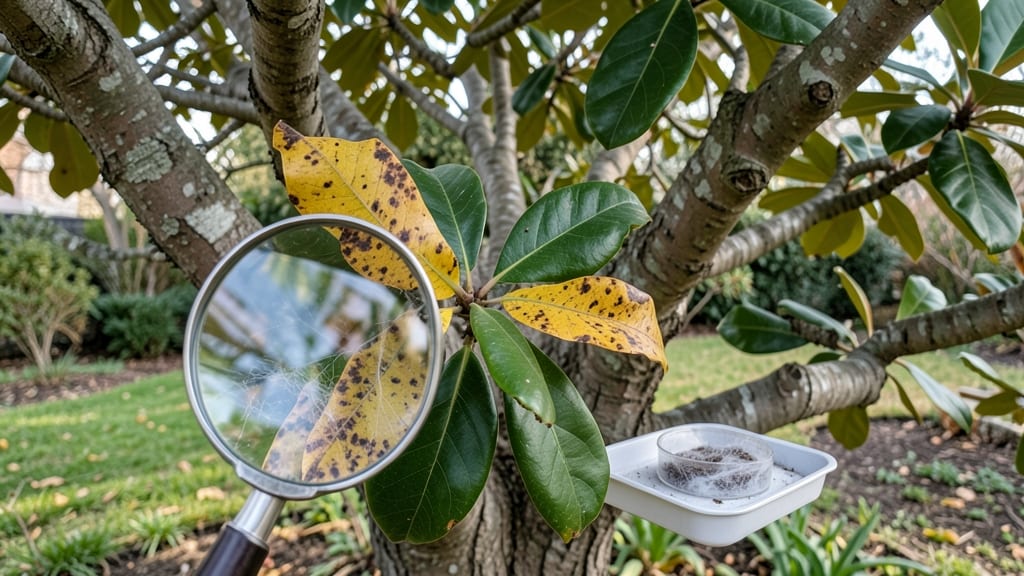
Your magnolia tree’s leaves shouldn’t look like that—spotted, yellowing, or suddenly crispy. 🌿 I’ve seen this exact struggle with my 10-year-old Southern magnolia, and the good news is most leaf problems boil down to three causes: fungal blight, nutrient stress, or environmental mismatches.
The first step is identifying which one you’re dealing with before reaching for treatments.
Fungal blight (often the culprit) shows up as dark, greasy spots that spread fast in humid weather. Nutrient deficiencies cause yellowing between veins, while environmental stress—like sudden drought or frost—leaves edges brown and brittle.
The key is catching it early: prune infected branches 6 inches below the damage, and clean your tools with rubbing alcohol to stop spread.
Once you know the cause, solutions get simple. For fungus, neem oil or copper fungicide works; for nutrients, a slow-release azalea/camellia mix fixes the imbalance. Mulch helps retain moisture, and avoiding overhead watering keeps leaves dry. Within weeks, you’ll see fresh, glossy growth pushing out—no more sad, spotted foliage.
This works for all magnolia types, whether you’re dealing with a mature tree or a young sapling. The secret is acting fast and staying consistent. Let’s get those leaves healthy again—your tree will thank you with blooms next spring.
Root Causes Behind Leaf Issues
Magnolia trees are stunning additions to any landscape, but their leaves can sometimes tell a story of distress—whether from hidden pests, environmental stress, or microbial invaders. Understanding why these problems arise is the first step to restoring your tree’s health.
Below, we break down the most common culprits and the science behind their damage.
Fungi thrive in warm, humid conditions, making them a frequent villain in magnolia leaf problems. The most notorious offenders include:
- Magnolia Leaf Spot (Elsinoë magnoliae) - How it spreads: Spores land on leaves, germinate in wet conditions, and create dark, circular lesions with yellow halos.
Over time, these spots merge, causing premature leaf drop. - Why it’s sneaky: Fungal spores can survive on fallen leaves or debris year-round, waiting for the right moisture to reactivate.
Rain splashing or overhead watering spreads them like wildfire. - Key trigger: Prolonged leaf wetness (think 12+ hours of humidity) gives fungi the perfect breeding ground.
- Anthracnose (Colletotrichum spp.) - How it attacks: This fungus targets young, tender leaves, causing brown, sunken lesions that ooze in damp weather.
Severe cases lead to defoliation and weakened branches. - Why it’s aggressive: Anthracnose exploits stressed trees—those with poor air circulation, compacted soil, or nutrient deficiencies become easy targets. - Seasonal peak: Cool, wet springs are its favorite time to strike.
- Powdery Mildew (Erysiphe spp.) - How it looks: A white, powdery coating on leaves that resembles flour dust.
While less destructive than leaf spot, it weakens the tree’s ability to photosynthesize. - Why it persists: This fungus loves high humidity and low light—shady magnolias or those planted too close to structures are prime candidates.
Not all leaf problems come from fungi—some are the work of hungry insects that chew, suck, or inject toxins into your magnolia’s foliage. Here’s how they do it:
- Scale Insects (e.g., Magnolia Scale, Neolecanium cornuparvum) - How they damage: These sap-sucking pests attach to stems and undersides of leaves, excreting sticky "honeydew" that fosters sooty mold (a black fungal growth).
Infested leaves may yellow, curl, or drop prematurely. - Why they win: Scale thrives in drought-stressed trees—their natural defenses weaken, making them an all-you-can-eat buffet for these pests. - Tell-tale sign: White, waxy bumps on branches or leaves.
- Spider Mites (Tetranychus spp.)
- How they attack: These tiny arachnids spin webs on leaf undersides and pierce cells to feed, causing stippling (tiny white or yellow dots) and eventual leaf bronzing.
- Why they explode: Dry, hot conditions trigger their populations—think summer droughts or poor watering practices.
- Red flag: Fine webbing on leaves or buds that fail to open.
- Japanese Beetles (Popillia japonica) - How they destroy: Adult beetles skeletonize leaves—chewing between veins while leaving the tough structure intact.
Larvae (grubs) damage roots, further stressing the tree. - Why they target magnolias: These beetles are drawn to healthy, lush foliage—your tree’s vibrant leaves are like a neon "eat me" sign.
Sometimes, the problem isn’t a pathogen or pest but the tree’s surroundings. Magnolias are resilient, but push them too far, and their leaves will scream for help.
- Water Woes: Too Much or Too Little - Overwatering: Soggy soil leads to root rot (Phytophthora fungi), which chokes the tree’s ability to absorb nutrients.
Symptoms include yellowing leaves, wilting, and blackened stems. - Underwatering: Drought stress causes leaves to curl, scorch (brown edges), or drop as the tree conserves water.
Deep roots are cut off from moisture, triggering survival mode. - Solution check: Stick your finger 2–3 inches into the soil—if it’s dry, water deeply; if it’s muddy, improve drainage.
- Nutrient Deficiencies: Starving for Survival - Iron chlorosis: Yellowing between leaf veins (while veins stay green) signals low iron, common in alkaline soils. Magnolias hate alkaline—roots can’t absorb iron when pH > 7.0. - Nitrogen deficiency: Pale green or yellow leaves with poor growth?
Your tree’s hungry for nitrogen, the building block of chlorophyll. - Fix it: Test soil pH (aim for 5.5–6.5) and amend with chelated iron or compost. A balanced fertilizer (e.g., 10-10-10) can help.
- Physical Damage: Wind, Hail, or Poor Pruning - Windburn: Leaves may develop brown, crispy edges from cold winds or salt spray (common near coastal areas).
New growth is especially vulnerable. - Hail or mechanical injury: Punctures or torn leaves create entry points for fungi and bacteria, leading to secondary infections. - Pruning blunders: Cutting too late in the season or using dirty tools can spread pathogens or leave wounds that heal poorly.
Even well-meaning gardeners can create problems. Here’s how:
- Planting in the Wrong Spot - Shade lovers: Magnolias need 4–6 hours of sunlight to thrive. Too much shade = weak growth, compact foliage, and susceptibility to mildew. - Poor drainage: Waterlogged roots = root rot.
If your tree sits in a low spot where water pools, it’s begging for trouble.
- Over-Fertilizing
- Too much nitrogen: While it greens up leaves, excess nitrogen delays dormancy, leaving trees vulnerable to late-season fungal attacks.
- Salt buildup: Synthetic fertilizers can raise soil salinity, burning roots and causing leaf tip burn.
- Ignoring Mulch and Airflow
- Thick mulch piles: More than 3–4 inches smothers roots and traps moisture, inviting fungi.
- Overcrowded plantings: Blocked airflow = higher humidity = fungal paradise. Prune nearby branches to improve circulation.
Use this quick-reference table to narrow down the cause of your magnolia’s leaf problems:
| Symptom | Likely Culprit | Key Differentiator |
|---|---|---|
| Circular brown spots with yellow halos | Magnolia leaf spot fungus | Spots often have a greasy texture; common in wet springs |
| White powdery coating | Powdery mildew | Appears on upper leaf surfaces; no leaf drop |
| Brown, sunken lesions | Anthracnose | Lesions ooze in damp weather; targets new growth |
| Sticky honeydew + black soot | Scale insects | White bumps on stems; ants may farm them |
| Fine webbing + stippling | Spider mites | More common in dry, hot conditions |
| Yellowing between veins | Iron deficiency (chlorosis) | Veins stay green; soil pH > 7.0 |
| Scorched, curled edges | Underwatering or windburn | Dry soil + crispy leaf edges |
Fixing Fungal Blight on Magnolia Leaves
Now that you’ve identified the culprit behind your magnolia’s leaf woes—whether it’s anthracnose, powdery mildew, or bacterial blight—it’s time to roll up your sleeves and restore your tree’s health! The good news? Most fungal issues are treatable with a mix of proactive care, targeted remedies, and smart prevention.
Below, we’ll break down step-by-step solutions tailored to each common cause, plus long-term strategies to keep your magnolia thriving.
Anthracnose thrives in wet, humid conditions, so your first move is to dry out the tree and boost airflow.
🔥 Step 1: Prune Infected Branches (Safely!)
- ✂️ Remove all leaves with dark, sunken spots (at least 6–12 inches below the damage).
- Sterilize your pruners with rubbing alcohol (70% or higher) between cuts to prevent spreading spores.
- Dispose of infected foliage in a sealed bag—do not compost!
🍳 Step 2: Apply a Fungicide (Organic or Chemical)
| Option | How to Use | Best For |
|---|---|---|
| Neem Oil (Organic) | Mix 1–2 tbsp neem oil + 1 tsp mild soap per gallon of water. Spray leaves, stems, and soil at dusk (avoids burning). Repeat every 7–10 days until new growth appears. | Mild infections, organic gardens |
| Copper Fungicide | Follow label rates (typically 1–2 tbsp per gallon). Spray thoroughly, including undersides of leaves. Reapply after heavy rain. | Severe cases, preventive care |
| Baking Soda Spray | Mix 1 tbsp baking soda + 1 tsp oil + 1 gallon water. Spray early morning or evening. | Early-stage prevention |
🌡️ Step 3: Improve Airflow & Reduce Moisture
- Thin out dense branches to allow sunlight and air circulation.
- Water at the base (not overhead) early in the day so leaves dry by evening.
- Mulch properly: Use 2–3 inches of organic mulch (like pine bark) 3 inches away from the trunk to regulate soil moisture.
💡 Pro Tip:
If anthracnose keeps returning, your magnolia may be stressed. Test soil pH—acidic soil (pH 5.0–6.0) helps prevent recurrence.
Powdery mildew is highly contagious but responds well to quick action and environmental tweaks.
👨🍳 Step 1: Clean Up Debris & Prune Lightly
- Remove all infected leaves (they’ll turn brown and mummify).
- Rake up fallen leaves from the base of the tree—they’re spore factories!
- Prune for airflow: Cut back overlapping branches and thick growth blocking sunlight.
🥘 Step 2: Spray with a Mildew Fighter
| Remedy | Application |
|---|---|
| Horticultural Oil | Apply early morning or late evening (avoids leaf burn). Reapply every 7–10 days. |
| Potassium Bicarbonate | Mix 1 tbsp baking soda + 1 tsp horticultural oil + 1 gallon water + 1 tsp soap. Spray until leaves glisten. |
| Sulfur Fungicide | Use only in dry conditions (sulfur burns leaves when wet). Follow package rates. |
⏰ Step 3: Adjust Watering & Fertilizing
- Water deeply but infrequently—powdery mildew loves damp leaves.
- Avoid high-nitrogen fertilizers (they encourage soft, mildew-prone growth). Instead, use a balanced 10-10-10 in early spring.
- Mulch with straw or wood chips to reduce soil splashing onto leaves.
🎯 Pro Tip:
Prevent recurrence by spraying neem oil preventatively in spring and fall—even if no mildew is visible.
Bacterial blight is tricky because it can’t be cured—but you can slow it down and prevent spread.
🔪 Step 1: Sterilize & Remove Infected Parts
- Cut out all blackened, oozing branches (use sterilized tools).
- Burn or bag infected debris—do not compost! (Bacteria survive in soil.)
- Disinfect pruning tools with bleach (1 part bleach : 10 parts water) or 70% alcohol between cuts.
🚿 Step 2: Wash Leaves & Apply Copper
- Hose down leaves with water + a few drops of dish soap to remove bacteria.
- Spray copper fungicide (like Copper Sulfate) every 2–3 weeks during wet seasons.
- Avoid overhead watering—water at the base instead.
🌡️ Step 3: Boost Tree Health for Resistance
- Fertilize with phosphorus & potassium (like 5-10-10) to strengthen cell walls.
- Reduce stress by watering consistently (don’t let soil dry out completely).
- Plant in full sun—shady magnolias are more susceptible.
✨ Pro Tip:
If bacterial blight is severe, consider replacing the tree—some varieties (like Southern Magnolia) are more resistant than others.
Once you’ve treated the issue, lock in your progress with these long-term strategies:
- 🌧️ Improve Drainage: If your soil stays soggy, amend with compost or plant on a slight mound.
- ☀️ Prune for Sunlight: Thin out branches to reduce humidity inside the canopy.
- 🕒 Time Your Watering: Early morning (6–9 AM) is best—avoid evening watering.
- 🍂 Clean Up Fallen Leaves: Rake and remove leaves twice a year (spring & fall).
- 🌱 Choose Resistant Varieties: If fungal issues are chronic, opt for ‘Little Gem’ or ‘Ann’ magnolias (less prone to blight).
Final Thought: 🌟 With consistent care, your magnolia can bounce back stronger—and even develop natural resistance over time. Stay vigilant, and your tree will reward you with lush, disease-free foliage for years to come!
Frequently asked questions about magnolia tree leaf problems
Why are my magnolia leaves turning yellow between the veins?
This classic symptom signals iron chlorosis, often caused by alkaline soil (pH > 7.0). Magnolias need acidic soil to absorb iron—test your soil and amend with chelated iron or sulfur to lower pH. Yellowing between veins while keeping green veins is the key clue!
What do those dark, greasy spots on my magnolia leaves mean?
Those are likely signs of magnolia leaf spot fungus, thriving in wet conditions. Remove infected leaves immediately and apply copper fungicide or neem oil spray. Prune for better airflow and avoid overhead watering to prevent spread.
Can I save my magnolia if the leaves have white powdery residue?
Yes! That’s powdery mildew, treatable with baking soda spray (1 tbsp baking soda + 1 tsp oil + 1 gallon water). Thin out branches for airflow and water at the base—never overhead. Repeat every 7-10 days until cleared.
Why do my magnolia leaves have brown edges but stay green in the middle?
This usually means underwatering or windburn. Check soil moisture—if dry 2-3 inches down, water deeply. For windburn, protect young trees with burlap wraps in harsh weather. Mulch helps retain moisture too!
How do I know if my magnolia’s leaf problems are from pests or disease?
Look for these clues: Pests (like spider mites) cause stippling or webbing; disease (like anthracnose) creates sunken, oozing spots. Check leaf undersides for eggs or webs. If unsure, collect a sample in a bag and compare with local extension service photos.