
Pruning
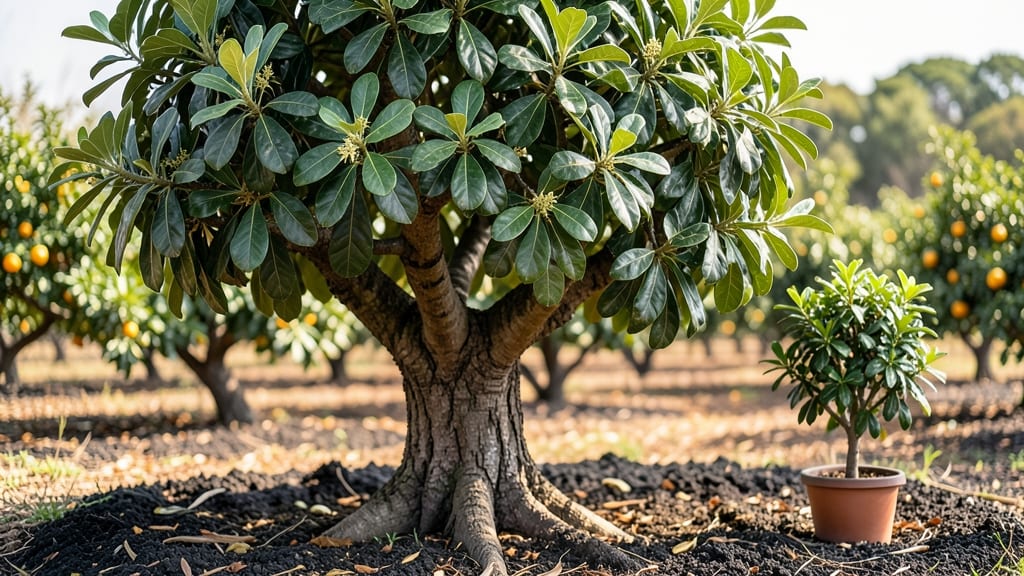
Mastering avocado tree leaf identification starts with spotting their distinctive elliptical shape and leathery texture—but when something goes wrong, those same leaves become your early warning system. 🌿 I’ve seen healthy avocado foliage turn yellow overnight from overwatering or develop tiny white webs from spider mites, and knowing the difference saved my tree from irreversible damage.
The key is matching leaf markings to common issues: brown spots could mean fungal infection, while curled edges often signal pest infestation.
Healthy avocado leaves shine with a deep green, glossy finish on top and lighter undersides, but stress changes everything. Too much sun? Leaves scorch with crispy brown edges. Not enough water? They droop and develop a dull, grayish cast.
Even the smallest discoloration—like yellowing between veins—can reveal nutrient deficiencies like iron chlorosis, which is surprisingly common in alkaline soils. The good news? Most problems have simple fixes if you catch them early.
Once you recognize the patterns, treatment becomes straightforward. Fungal spots? Prune affected leaves and apply neem oil. Spider mite webs? Blast them off with water and introduce ladybugs.
The goal isn’t just to restore appearance—it’s to keep your tree thriving so it produces those creamy, dreamy avocados you’re growing it for. Think of your leaves as the tree’s silent SOS system.
This guide covers the most common leaf issues, but every avocado tree is unique—your local climate and soil play huge roles. For example, coastal trees often battle salt spray damage, while inland varieties struggle with dry heat.
Start by comparing your leaves to healthy reference photos, then match symptoms to solutions. The sooner you act, the sooner your tree bounces back—and those glossy green leaves return as nature’s way of saying, “All is well.”
Root Causes Behind Leaf Confusion
Understanding why avocado tree leaves can be mistaken for other plants—or why they may appear abnormal—often boils down to a mix of environmental stress, disease, and even human interference. Here’s a breakdown of the most common culprits, explained in clear scientific terms:
Avocado trees thrive on a precise balance of nutrients, and even slight imbalances can distort leaf shape, color, or texture. Here’s what’s likely happening:
- Nitrogen Deficiency (💡 Yellowing Between Veins) Nitrogen is critical for chlorophyll production. When soil lacks it, older leaves develop interveinal chlorosis (yellowing between green veins). This is often the first sign of nitrogen starvation.
Avocados are heavy feeders, so poor soil or improper fertilization can trigger this. Actionable fix: Conduct a soil test and apply a slow-release nitrogen fertilizer (e.g., blood meal or composted manure).
- Potassium or Magnesium Deficiency (📉 Edge Scorch or Mottling) Potassium helps regulate water and nutrient transport, while magnesium is central to chlorophyll.
Deficiencies cause: - Marginal necrosis (brown, crispy edges) for potassium. - Yellow patches between veins (especially on older leaves) for magnesium. Actionable fix: Use Epsom salt (magnesium sulfate) for magnesium or a potassium-rich fertilizer like greensand.
- Toxic Buildup (🚨 Salinity or Heavy Metals) Over-fertilization or poor drainage can lead to salt toxicity, causing leaf tips to brown and curl.
Similarly, high levels of manganese or zinc can induce iron chlorosis (yellow leaves with green veins), mimicking deficiencies. Actionable fix: Flush the soil with water, adjust pH (avocados prefer 6.0–7.0), and avoid over-salting fertilizers.
Avocado trees are sensitive to their surroundings, and extreme conditions can force leaves to adapt—or fail—in ways that confuse identification:
- Water Stress (💧 Drought or Overwatering) - Underwatering: Leaves may curl inward and feel dry to the touch, a survival mechanism to reduce water loss. - Overwatering: Leaves turn yellow and mushy, often with a foul smell from root rot.
Poor drainage or compacted soil worsens this. Actionable fix: Water deeply but infrequently (1–2 times per week, depending on climate) and ensure well-draining soil. Mulch to retain moisture without suffocating roots.
- Temperature Extremes (❄️☀️ Cold Damage or Sunburn) Avocados are subtropical and struggle with: - Cold snaps (<32°F/0°C): Leaves develop brown, water-soaked spots or blackened edges.
Cell membranes rupture from frost damage. - Intense heat + wind: Leaves may scorch (brown patches) or develop a leathery texture as a protective response. Actionable fix: Protect young trees with frost cloth in winter and provide afternoon shade in scorching climates.
- Wind or Physical Damage (💨 Tattered or Distorted Leaves) High winds can tear leaves or cause abnormal growth patterns (e.g., stunted or twisted foliage). This is common in exposed orchards. Actionable fix: Plant windbreaks or stake young trees to prevent mechanical stress.
Diseases and insects often leave telltale marks on leaves that can be mistaken for environmental issues or nutrient problems:
- Spider Mites or Scale Insects (🕷️ Stippling or Sticky Residue) These pests pierce leaves, causing:
- Honeydew (sticky sap) leading to sooty mold (black fungal growth). Actionable fix: Spray with neem oil or insecticidal soap, and introduce predatory mites for biological control.
Sometimes, the confusion isn’t about the avocado’s health but about what’s growing nearby.
Avocado leaves can be mistaken for: - Laurel leaves (similar glossy texture but smooth edges vs. avocado’s serrated lobes). - Bay leaves (smaller, with a distinctive aroma when crushed). - Young citrus leaves (thinner, with a more pointed tip). Actionable fix: Compare leaf shape, vein pattern, and aroma (avocado leaves have a mild, slightly peppery scent).
Use a leaf identification app (like PlantNet) for cross-referencing.
Even well-meaning gardeners can trigger leaf abnormalities:
- Over-Pruning (✂️ Stunted Growth or Weak Leaves) Cutting too aggressively removes energy reserves, leading to smaller, paler leaves or excessive leaf drop. Actionable fix: Prune only to remove dead/diseased branches (never more than 25% of the canopy at once).
- Incorrect pH Levels (🧪 Nutrient Lockout) Soil pH outside 6.0–7.0 can block nutrient uptake, causing chlorosis even if nutrients are present. Actionable fix: Test soil pH and amend with lime (to raise) or sulfur (to lower).
- Transplant Shock (🌳 Wilting or Yellowing) Moving an avocado tree disrupts root systems, leading to leaf drop or slow recovery. Actionable fix: Water deeply post-transplant and avoid fertilizing for 4–6 weeks.
Fixing Common Avocado Leaf Issues
Avocado trees are stunning, but their leaves can sometimes signal trouble—whether it’s pests, disease, or environmental stress. The good news? Most issues have simple fixes. Below, we’ll break down common causes of abnormal avocado leaves and practical solutions to restore your tree’s health.
Cause: Yellowing leaves (chlorosis) often mean your avocado tree isn’t getting enough iron, zinc, or nitrogen, or it’s sitting in soggy soil.
How to Fix It: 🔥 Test Your Soil – Use a soil test kit to check pH (avocados prefer 6.0–7.0). If it’s too alkaline, nutrients like iron become unavailable. 🍳 Amend the Soil – Mix in compost, peat moss, or sulfur to lower pH and improve drainage. 👨🍳 Fertilize Correctly – Use a balanced citrus/avocado fertilizer (high in nitrogen) in early spring. For iron deficiency, try chelated iron supplements. 🥘 Adjust Watering – Avocados hate "wet feet." Water deeply but only when the top 2–3 inches of soil are dry.
Prevention Tips: ✔ Mulch properly – Use organic mulch (wood chips) to retain moisture and nutrients. ✔ Avoid overwatering – Stick your finger in the soil before watering. ✔ Monitor leaves – Yellowing on new growth = nitrogen deficiency; on older leaves = iron/zinc issue.
Cause: Spider mites, scale insects, or avocado lace bugs suck sap, causing leaves to curl, brown, or drop prematurely.
How to Treat It: 🔥 Inspect Closely – Check the undersides of leaves for tiny webs (mites), sticky residue (scale), or tiny black bugs (lace bugs). 🍳 Blast Off Pests – Spray leaves with water to knock off mites and scale. Repeat every few days. 👨🍳 Use Neem Oil – Mix 1 tsp neem oil + 1 tsp mild soap per quart of water and spray every 5–7 days until pests vanish. 🥘 Introduce Beneficial Insects – Ladybugs and lacewing larvae eat mites and aphids naturally.
Prevention Tips: ✔ Keep trees healthy – Strong trees resist pests better. ✔ Prune regularly – Remove infested branches immediately. ✔ Monitor new growth – Early detection = easier treatment.
Cause: Sudden leaf drop can mean root rot, fungal infection (like anthracnose), or extreme temperature swings.
How to Fix It: 🔥 Check Roots – If soil smells rotten, your tree may have root rot from overwatering. Dig carefully—healthy roots are firm and white. 🍳 Improve Drainage – If roots are soggy, raise the tree’s base with gravel or amend soil with perlite/sand. 👨🍳 Fungal Treatment – For anthracnose (dark spots on leaves), spray with copper fungicide and remove fallen leaves. 🥘 Protect from Cold – Avocados hate frost. If temps drop below 30°F (-1°C), cover the tree with frost cloth.
Prevention Tips: ✔ Water at the base – Avoid wetting leaves to prevent fungal spores. ✔ Space trees properly – Poor airflow = more disease risk. ✔ Mulch to regulate soil temp – Helps prevent shock from heat/cold.
Cause: Drought stress, salt buildup (from tap water), or sudden heat waves can make leaves wilt or turn crispy.
How to Revive It: 🔥 Deep Water Slowly – Water deeply 2–3 times a week (not daily shallow watering). 🍳 Flush the Soil – If using hard water (high in salts), give the tree a slow soak with rainwater or distilled water. 👨🍳 Provide Shade – Young trees need afternoon shade in hot climates. 🥘 Mulch Heavily – 4–6 inches of mulch keeps roots cool and moist.
Prevention Tips: ✔ Use drip irrigation – More efficient than sprinklers. ✔ Collect rainwater – Best for avocado trees. ✔ Gradually acclimate – If moving a tree, harden it off over weeks.
Final Pro Tip: 💡 When in doubt, observe! Healthy avocado leaves are dark green, leathery, and oval-shaped. Compare yours to a reference photo (like the ones in our guide) to spot issues early.
With these fixes, your avocado tree should bounce back—and keep producing those lush, vibrant leaves (and delicious fruit!) for years. 🥑✨
Frequently asked questions
How can I tell if my avocado tree leaves are healthy?
Healthy avocado leaves are dark green, glossy, and leathery with smooth edges and a slightly elliptical shape. The undersides should be lighter green, and leaves should feel firm to the touch. Look for uniform color without spots, curling, or yellowing—these are key indicators of a thriving tree.
What do brown spots on avocado leaves mean?
Brown spots on avocado leaves usually signal fungal infections (like anthracnose) or bacterial leaf spot, especially if they appear with yellow halos. Overwatering or poor airflow can worsen these issues. Check for dark, sunken lesions—if so, prune affected leaves immediately and apply a copper fungicide to prevent spread.
Why are my avocado leaves curling?
Curling leaves often mean pest infestation (spider mites, lace bugs) or underwatering. Check the undersides for tiny webs or bugs—if found, spray with neem oil or blast off pests with water. For drought stress, water deeply 2–3 times per week and mulch heavily to retain moisture.
Can I use a leaf identification app to confirm it's an avocado tree?
Yes! Apps like PlantNet or PictureThis can help verify your avocado tree by comparing leaf shape, vein patterns, and texture. Avocado leaves are elliptical with serrated edges and a peppery scent when crushed. Upload clear photos of both leaf tops and undersides for the best results.
What should I do if my avocado leaves turn yellow?
Yellowing leaves usually indicate nutrient deficiencies (iron, nitrogen, or magnesium) or overwatering. Test your soil pH—avocados prefer 6.0–7.0. If deficient, apply chelated iron or a balanced fertilizer. For overwatering, let the soil dry out between waterings and improve drainage with perlite or sand.