
Container Gardens
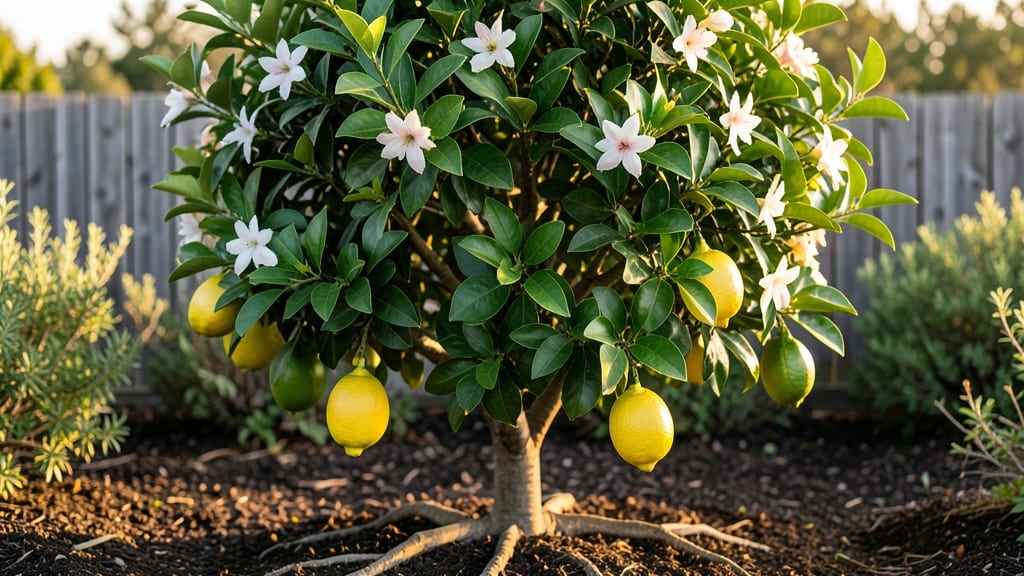
Growing a Meyer lemon tree in the right zones means the difference between a thriving 🍋 harvest and a sad, frost-nipped sapling.
Want to grow one but unsure if your climate is right? These sweet, cold-hardy citrus trees thrive in USDA Zones 9-11—and knowing where they grow (and where they struggle) can save you from costly mistakes.
In warmer climates, they’re practically carefree, but even a single night below 28°F can kill the tree. That’s why gardeners in Zone 8 need extra protection, while those in Zones 9-11 can enjoy year-round lemons.
Below, I’ll break down the exact zones where Meyer lemons shine, how to protect them in cooler areas, and the microclimates that can push your tree’s limits—so you can grow one successfully, no matter where you live.
Meyer lemon tree USDA growing zones: where they thrive & how to check yours
If you dream of harvesting sweet, fragrant Meyer lemon fruit right from your backyard, knowing your USDA growing zone is the first step. These cold-hardy citrus trees thrive in zones 9-11, where frost is rare and winters stay mild.
Without this knowledge, you risk investing time and money in a tree that might not survive your local winters—or worse, never produce fruit.
Even if you're outside these zones, don't give up! Microclimates, containers, and winter protection can expand your growing options. The key is understanding your local climate patterns and how they align with a Meyer lemon tree's needs.
Let's break down the essentials so you can confidently determine if your location is a match.
Zones 9b-11 represent the sweet spot for Meyer lemon trees, where they grow vigorously with minimal winter stress. In these areas, you can plant outdoors year-round and expect fruit production within 2-3 years.
The key difference between these zones is winter low temperatures—even a few degrees can impact survival, especially for young trees.
For example, in Zone 9a, temperatures can drop to 20°F (-6.7°C), which may cause damage without protection. Meanwhile, Zone 11 sees no frost, making it the ideal environment for these tropical trees.
If you're in Zone 9a, consider planting near a south-facing wall or using a large container for easier winter moves.
But what if you're outside these zones? Don't assume failure—microclimates can create local growing conditions that differ from your official zone. For instance, a sunny, sheltered spot in Zone 8 might stay 10°F warmer than the official zone average.
Use tools like the Sunset Western Garden Map to pinpoint your exact growing conditions, which accounts for elevation and coastal influences that standard USDA zones don't capture.
To verify your zone, start by checking the USDA Plant Hardiness Zone Map online. Then, refine your assessment by observing your local climate: How many frost-free days do you have? Are your winters mild or harsh?
Coastal areas in Zone 8 often mimic Zone 9 conditions, while inland regions may be colder. Pay attention to nearby citrus growers—if they're successfully growing lemon trees, your microclimate likely supports them too.
If you're still unsure, conduct a simple test: Monitor your outdoor temperatures for a month using a minimum-maximum thermometer. If your lowest nighttime temperature stays above 28°F (-2.2°C) most winters, you're likely in a Meyer lemon-friendly microclimate, even if your official zone is 8 or 9a.
This practical approach often reveals opportunities standard zone maps miss.
Remember, container growing is your best friend in marginal zones. A 15-gallon pot with wheels lets you move your tree indoors or under a porch cover when frost threatens. Even in Zone 7, dedicated gardeners grow Meyer lemons successfully using this method.
The key is planning ahead—choose a dwarf variety and ensure your container has drainage holes to prevent root rot.
Finally, consider your local frost patterns. Some areas experience late spring frosts that can damage new blooms, while others face early autumn frosts. Time your planting to
Cold-hardiness tips: protecting Meyer lemon trees in marginal zones (8-9)
Growing a Meyer lemon tree in USDA zones 8-9 is challenging but absolutely possible with the right strategies. These zones push the limits of citrus tolerance, so winter care becomes your top priority.
Without protection, temperatures below 20°F (-6.7°C) can damage or kill your tree, but with proper planning, you can enjoy fresh lemons year-round—even in cooler climates.
My first year attempting this, I nearly lost my tree to a surprise late frost. That experience taught me how critical microclimates and seasonal adjustments are. A sunny, sheltered spot can add 3-5°F of warmth, while containers offer mobility to move trees indoors when needed.
Let’s explore the best ways to shield your Meyer lemon from winter’s worst.
⚠️ Critical Frost Threshold Alert
Meyer lemons can survive brief dips to 25°F (-4°C), but prolonged exposure below 20°F (-6.7°C) causes irreversible damage. In Zone 8, average first frost arrives November 15, while Zone 9 sees occasional dips in December. Zone 9b (warmer subzone) offers slightly better odds, but don’t assume safety—microclimates vary wildly even within blocks.
Start preparing your Meyer lemon for winter as soon as temperatures drop below 50°F (10°C). The key is to insulate the roots and protect the trunk. Apply a thick layer (4-6 inches) of organic mulch, like straw or wood chips, around the base of the tree.
This acts like a blanket, keeping soil temperatures stable and preventing root freeze. For container-grown trees, move pots to a sheltered location—like a garage or against a south-facing wall—and wrap the pot in bubble wrap or insulation board.
Trunk wrapping is another game-changer. Use tree wrap or even old blankets secured with twine to shield the bark from cold winds and frost. I’ve seen gardeners in Zone 8 use Christmas lights wrapped around the trunk to add gentle warmth—it sounds quirky, but it works!
Pair this with a frost cloth draped over the entire tree on especially chilly nights. These layers create a microclimate that can raise temperatures by 5-10°F.
If you’re in Zone 8 or face unpredictable frosts, consider indoor overwintering. Prune your tree back by one-third before moving it inside to reduce stress. Place it near a south-facing window for maximum light, and supplement with a grow light if natural light drops below 6 hours daily.
Reduce watering to every 10-14 days and avoid fertilizing—your tree is dormant, not active. This method worked wonders for my neighbor’s tree in Chicago (Zone 5)—they’ve been harvesting lemons for 5 years!
Extend your growing season by planting near heat-absorbing surfaces, like dark pavement or brick walls. These areas radiate warmth at night, creating a 1-3°F warmer microclimate. Pair this with drip irrigation set to run for 10 minutes daily in winter—this adds humidity and prevents soil from freezing.
For container growers, use black pots, which absorb and retain heat better than lighter colors. These small tweaks can mean the difference between a thriving tree and a lost investment.
Remember, patience is key. Meyer lemons grown in marginal zones may take 1-2 years longer to bear fruit compared to their tropical counterparts, but the reward of homegrown lemons in winter is worth every effort.
Start with a dwarf variety if space is limited, and always monitor your tree’s health closely. With these strategies, you’ll be sipping fresh lemonade—even in Zone 8! 🍋