
Pruning
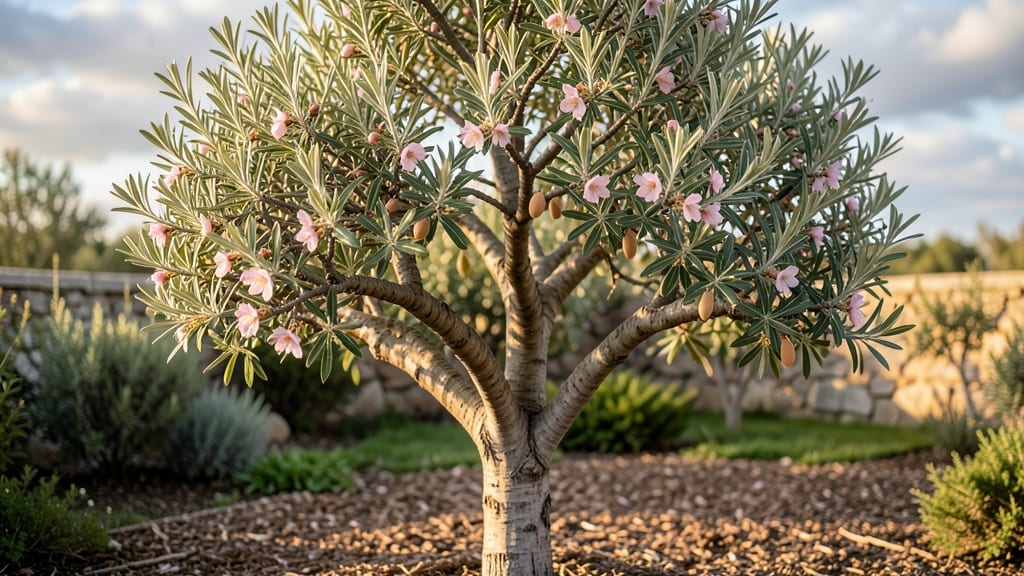
Almond tree growth zones span USDA zones 5 through 9, where mild winters and hot, dry summers create ideal conditions. These trees need at least 200 frost-free days yearly and well-drained soil to develop strong roots and produce abundant nuts.
Almond trees are picky about their environment because they rely on specific climate patterns for flowering and fruit development. 🌡️ In zones 5-9, the balance of winter chilling hours (around 300-600) and summer heat triggers their natural growth cycle.
For example, zone 5 growers often plant cold-hardy varieties like 'Texas' or 'Fritz,' while zone 9 gardeners might choose heat-tolerant types such as 'Nonpareil.' The key is matching your local climate to the tree's needs—too much cold can damage buds, while insufficient heat reduces pollination success.
What many don't realize is that microclimates can expand your growing options. A sunny, sheltered spot in zone 4 might work for hardy varieties, while urban heat islands in zone 8 can support trees that would normally struggle in cooler areas.
Always check your specific location's frost dates and summer temperatures before planting—this small step can mean the difference between a thriving orchard and a failed experiment.
💡 In This Article
- USDA Zones 5-9: Climate Requirements for Almond Trees
- Choosing the Best Almond Varieties for Your Growth Zone
USDA zones 5-9: climate requirements for almond trees
The core reason almond trees thrive in zones 5-9 comes down to their biological need for 300-600 hours of winter chilling (temperatures between 32-45°F) followed by hot, dry summers. This chilling requirement triggers dormancy release and proper bud development.
In zones colder than 5, like zone 4, the extended sub-freezing periods can cause flower bud damage, while zones hotter than 9 (like parts of zone 10) often experience insufficient winter chilling, leading to poor flowering and fruit set. 🌡️
Summer heat tolerance is equally critical. Almond trees require at least 200 frost-free days to complete their growth cycle, with ideal temperatures between 75-95°F during pollination (February-March).
The trees' deep root systems (extending 6-8 feet) help them access moisture in dry conditions, but excessive humidity can promote fungal diseases like brown rot. This is why California's Central Valley—with its Mediterranean climate—produces 99% of U.S. almonds: it perfectly balances these requirements.
Microclimates play a surprising role in expanding growing regions. A south-facing slope in zone 4 might accumulate enough heat to support cold-hardy varieties like 'Texas', while urban areas in zone 8 can create "heat islands" that benefit heat-tolerant types.
For example, Las Vegas (zone 9b) successfully grows 'Nonpareil' almonds despite its extreme summer heat, thanks to irrigation and shade management techniques. Always check your local last spring frost date and first fall frost date—these determine your frost-free window.
The flowering process itself is temperature-sensitive. Almond trees bloom in late winter/early spring, and temperatures below 40°F can damage flowers before pollination occurs. Meanwhile, summer temperatures above 100°F stress the trees, reducing nut development.
This is why zone 7 growers often plant varieties like 'Carmel' that tolerate moderate heat, while zone 9 gardeners might choose 'Butte' for its drought resistance and heat tolerance.
Soil drainage is equally vital. Almond trees hate "wet feet"—their roots require well-drained soil with pH 6.5-7.5. In zones with heavy clay soils (like parts of zone 6), growers often amend soil with sand or plant on raised beds.
The trees' deep taproots can access groundwater, but surface waterlogging causes root rot. This is why many commercial orchards use drip irrigation systems that deliver water directly to the root zone without saturating the soil.
What most gardeners overlook is the pollination window. Almond trees are self-sterile, requiring cross-pollination from different varieties. Bees need warm days (65°F+) and cool nights (50-55°F) for optimal foraging during bloom.
In zone 5, this typically occurs in May, while zone 9 trees may bloom as early as February. Planting multiple compatible varieties within 100 feet ensures successful pollination and nut production.