
Trees
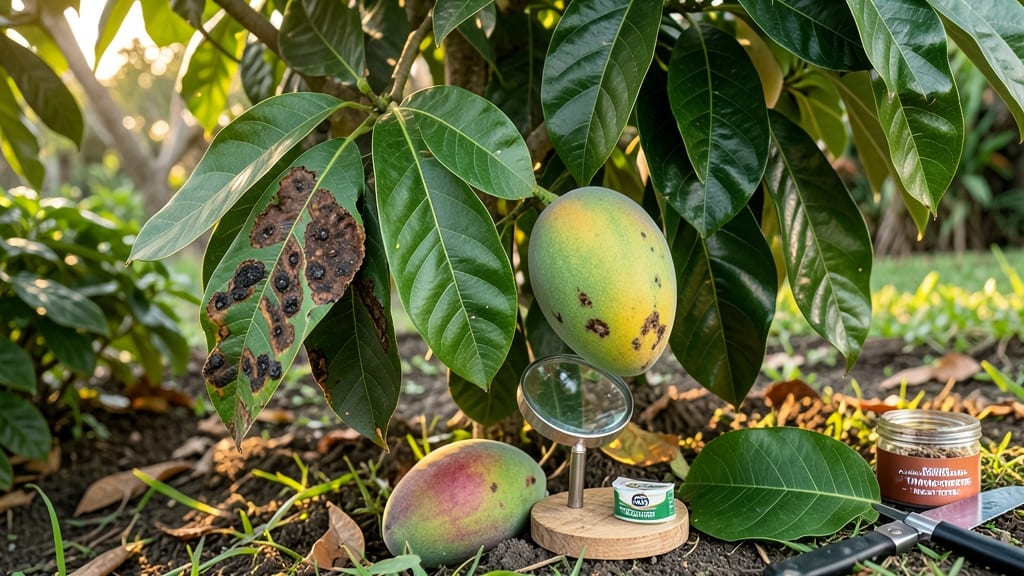
Mango tree fungus can turn your lush, fruiting tree into a shadow of its former self—unless you act fast. 🌱 I’ve watched anthracnose and powdery mildew turn vibrant green leaves into mottled, wilting messes, but the right approach can save your tree without harsh chemicals.
The key is catching it early and using targeted, organic solutions that work with your tropical climate. Most fungal infections start with poor airflow or overwatering, creating the perfect damp environment for spores to thrive. Pruning to improve circulation and removing infected leaves immediately stops the spread.
I’ve seen trees recover completely in just a few weeks when treated this way—no need for heavy-duty fungicides. You’ll restore that glossy, healthy foliage and keep your tree producing sweet, juicy mangoes for years.
The secret lies in consistent care: a mix of preventive pruning, copper-based sprays, and proper watering habits. Let’s get your tree back to its thriving best.
Anthracnose and powdery mildew are the most common culprits, but sooty mold can also appear when sap-sucking insects leave behind sticky residue. The first sign is usually yellowing leaves or a white, powdery coating—don’t ignore these warnings.
I’ve learned that a single application of neem oil or baking soda spray can stop mild infections in their tracks.
Prevention is easier than cleanup. Keep your tree’s canopy open with strategic pruning, water at the base (not overhead), and apply a fungicide spray every few weeks during rainy seasons. My trees stay fungus-free with this routine, and the mango harvest never suffers.
Root Causes of Tree Fungus
Fungal infections in mango trees don’t just appear out of thin air—they thrive due to specific conditions that create the perfect storm for spores to germinate and spread. Understanding these triggers is the first step to preventing and treating the problem effectively.
Below, we break down the key reasons why fungal diseases take hold in your mango tree, along with the science behind each one.
Fungi love water—literally. Most fungal pathogens, like Anthracnose or Powdery Mildew, require high humidity or prolonged wetness to infect plant tissues. Here’s why moisture is such a big problem:
- Overwatering or Flooding: Mango trees need well-drained soil, but when roots sit in soggy conditions, they weaken, making the tree vulnerable to fungal entry points (like wounds or leaf lesions). - Poor Air Circulation: Dense foliage or crowded trees trap moisture, creating a humid microclimate that fungi exploit.
Think of it like a sauna for spores—ideal for growth! - Rain or Overhead Irrigation: Water droplets on leaves (especially at night) can carry fungal spores directly onto the plant, accelerating infection.
Actionable Fix: 💡 Space trees properly, water at the base (not overhead), and ensure soil drains quickly. If your tree is in a humid climate, prune for airflow.
Fungi are opportunistic—when temperatures and humidity align just right, they explode in activity. Mango trees, native to tropical regions, are especially susceptible during:
- Monsoon Season: Heavy rains + warm temps = fungal feast.
Spores spread rapidly in these conditions. - Sudden Temperature Drops: Fungi like Fusarium thrive when nights are cool but days stay warm, stressing the tree and lowering its defenses. - High Humidity (70%+): Fungal spores germinate faster in moist air, turning leaves into a buffet.
Actionable Fix: 🌡️ Monitor weather forecasts and prune before monsoon season to reduce leaf density. Use shade cloth if humidity spikes consistently.
A healthy tree fights off fungi, but stress makes it an easy target. Common stressors include:
- Nutrient Deficiencies: Lack of potassium (K) or phosphorus (P) weakens cell walls, making them easier for fungi to penetrate.
- Physical Damage: Pruning wounds, insect bites (like borers), or hail scars create entry points for spores.
- Over-Fertilization: Too much nitrogen (N) promotes soft, lush growth that’s prone to fungal infections.
Actionable Fix: 💪 Conduct a soil test to balance nutrients, avoid heavy pruning during rainy seasons, and use copper-based fungicides on fresh wounds.
Fungi spread via spores, and if your tools or soil are already infected, you’re basically handing the problem a welcome mat.
- Dirty Pruning Tools: Knives or shears contaminated with Colletotrichum (Anthracnose) can transfer spores to healthy trees.
- Infested Mulch or Compost: Old mulch or poorly decomposed organic matter can harbor fungal colonies.
- Cross-Contamination: Moving infected branches or leaves near healthy trees spreads spores via wind or water.
Actionable Fix: 🧼 Sterilize tools with 70% alcohol or bleach, remove infected debris immediately, and use fresh, disease-free mulch.
Not all mango varieties are equally resistant to fungi. Younger trees or grafted varieties (like ‘Keitt’ or ‘Kent’) are often more susceptible because:
- Juvenile Trees: Young mango trees have underdeveloped immune systems, making them prime targets for early infections.
- Grafted Trees: The graft union (where the scion meets the rootstock) can be a weak spot if not properly healed.
- Susceptible Varieties: Some mango types (e.g., ‘Alphonso’) are more prone to Powdery Mildew without preventive care.
Actionable Fix: ✨ Choose fungus-resistant varieties (like ‘Amrapali’ or ‘Langra’) if possible, and give young trees extra care with neem oil sprays for protection.
Insects like fruit flies, aphids, or scale insects don’t just weaken trees—they create open wounds that fungi exploit. For example:
- Aphids leave sticky residue (honeydew) that fosters sooty mold.
- Borers tunnel into wood, creating dark, damp cavities where fungi like Fusarium thrive.
Actionable Fix: 🐜 Use neem oil or insecticidal soap to control pests before fungal outbreaks. Remove heavily infested branches promptly.
Fungal infections in mango trees are rarely random—they’re the result of environmental conditions, poor practices, or tree stress. By addressing moisture, nutrition, hygiene, and pest control, you can starve out fungi before they take hold.
The good news? Most of these fixes are preventive and easy to implement—no advanced degree required! 🌿
Quick Fixes for Fungal Tree Troubles
Fungal infections in mango trees can feel like a slow-motion disaster—spots spreading, leaves wilting, and fruit spoiling—but the good news is that early action works.
Below, we’ve mapped out practical solutions for the most common fungal issues, from anthracnose to powdery mildew, along with prevention tips to keep your tree thriving. No fancy tools or chemicals required—just smart, natural fixes.
Cause: Colletotrichum fungus thrives in wet, humid conditions, creating dark sunken spots on leaves, stems, and fruit.
How to Fix It:
- 🔥 Prune the Problem Areas
- Cut off infected leaves, branches, and fruit (even if they’re not ripe) using sterilized pruners (wipe with rubbing alcohol between cuts).
- Dispose of infected material far from the tree (burning or sealing in a bag works best).
- 🍳 Homemade Fungicide Spray (Safe & Effective) Mix 1 tsp baking soda + 1 tbsp vegetable oil + 1 tsp mild soap + 1 gallon water.
Spray every 7–10 days during rainy seasons or high humidity. Why it works: The oil smothers spores, while baking soda raises the leaf pH, making it hostile to fungi.
- 👨🍳 Boost Tree Immunity
- Fertilize with compost or organic matter (like well-rotted manure) to strengthen roots.
- Avoid overhead watering—use drip irrigation to keep foliage dry.
💡 Prevention Pro Tip:
- Space trees properly (15–20 ft apart) for better airflow—fungi love crowded, damp spots.
- Apply copper fungicide (organic option) before monsoon season as a shield.
Cause: Oidium fungus appears as white, powdery patches on leaves, blocking sunlight and weakening the tree.
How to Fix It:
- 🔪 Scrape Off the Fungus (Gently!)
- Use a soft brush or cloth to remove mildew from leaves. Do this early in the morning when humidity is lower.
- 🥘 Neem Oil Spray (Nature’s Fungicide)
- Mix 1 tbsp neem oil + 1 tsp dish soap + 1 quart water. Spray every 5–7 days until mildew disappears. Why it works: Neem oil disrupts fungal spores while soap helps it stick to leaves.
- ⏰ Adjust Watering Habits
- Water deeply at the base (not the leaves) and avoid late-day watering (wet leaves overnight = mildew party).
💡 Prevention Pro Tip:
- Plant mildew-resistant varieties like ‘Keitt’ or ‘Kent’ mangoes if possible.
- Mulch around the base with straw or wood chips to reduce soil moisture that fuels spores.
Cause: Phytophthora or Fusarium fungi thrive in overwatered, compacted soil, causing blackened roots and wilting leaves.
How to Fix It:
- 🌡️ Improve Drainage (Fast!)
- Dig a 6-inch-deep trench around the tree and fill it with gravel or coarse sand to redirect water away from roots.
- If soil is heavy clay, mix in compost or coconut coir to loosen it.
- 💪 Reduce Watering & Aerate Soil
- Let the top 2 inches of soil dry out between waterings.
- Use a manual aerator or garden fork to poke holes in compacted soil.
- 🍄 Beneficial Microbes to the Rescue
- Apply mycorrhizal fungi (available as powder) to the soil—these good fungi outcompete the bad ones.
💡 Prevention Pro Tip:
- Never plant mango trees in low-lying areas where water pools.
- Install a French drain if your yard has poor drainage.
No matter the fungus, these universal fixes keep mango trees healthy:
- 🌿 Mulch Properly: Use straw or wood chips (not plastic) to suppress weeds (which harbor spores) and retain moisture without suffocating roots.
- 🍃 Sanitize Tools: Always clean pruners with alcohol between cuts to avoid spreading spores.
- 🌱 Plant Companion Crops: Interplant with marigolds or garlic—their natural antifungal properties repel harmful fungi.
Final Reminder: Fungal infections are manageable—but the key is speed. The moment you spot discolored leaves, spots, or odd growths, act within 3–5 days to prevent a full-blown outbreak. Your mango tree will thank you with juicier fruit and lusher leaves! 🌱🍈
Frequently asked questions about mango tree fungal issues
What are the first signs of fungus on my mango tree?
Watch for yellowing leaves, dark sunken spots (anthracnose), or white powdery coatings (mildew) on foliage. These appear first on older leaves or fruit. Check the undersides of leaves too—fungus often hides there. Act within 3-5 days to prevent spread.
Can I use vinegar to treat fungal infections?
Neat vinegar is too harsh for mango trees, but a 1:10 vinegar-water mix (1 part vinegar to 10 parts water) can help as a preventive spray. Always test on a small leaf first—vinegar can burn tender foliage. For active infections, use neem oil instead.
How often should I spray fungicide on my mango tree?
Apply every 7-14 days during rainy seasons or when humidity exceeds 70%. For organic sprays (like neem oil), 5-7 day intervals work best. Always spray early morning or late afternoon to avoid leaf burn from sunlight.
Will pruning alone stop fungus from spreading?
Pruning removes infected areas, but it’s only 50% of the solution. Always combine pruning with sterilized tools and fungicide sprays. Remove pruned material far from the tree (burn or bag it). Without follow-up treatment, spores will reinfect.
Are there fungus-resistant mango varieties?
Yes! Varieties like ‘Amrapali’ and ‘Langra’ show better resistance than others. For existing trees, focus on proper spacing (15-20ft apart) and copper-based fungicides during high-risk seasons. Even resistant varieties need basic care.