
Plants
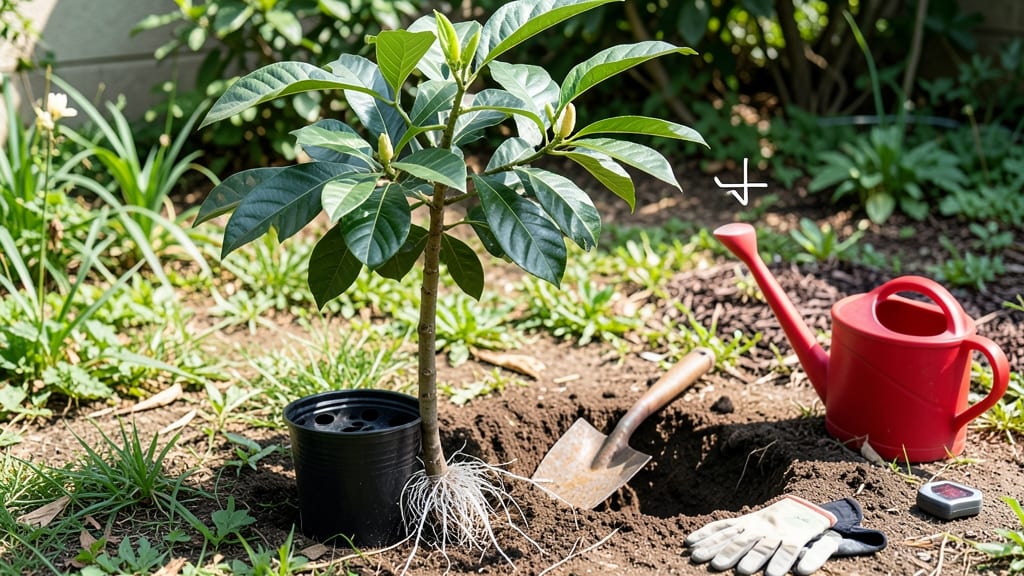
To plant a mango tree 🥭 in the ground at the right time means the difference between a thriving fruit producer and a slow-growing disappointment.
Picture this: you’ve spent months nurturing your sapling, only to set it in the ground too early—then watch it shiver through a late frost or sit stagnant in cold soil. The clock isn’t just ticking; it’s the key to unlocking fast growth and those juicy harvests you dream of.
Your climate zone dictates the perfect window, whether you’re in frost-free Florida or the milder stretches of California. Too soon, and your tree struggles; too late, and you miss the ideal soil warmth that fuels root development.
I’ll break down the exact months for your zone, plus how to tell when your soil is truly ready—because the calendar isn’t the whole story.
By the end, you’ll know not just when to plant, but how to give your mango tree the head start it needs for rapid fruit production. Let’s get those roots in the ground the right way.
Best planting months for mango trees by USDA climate zones
Mango trees (Mangifera indica) thrive in warm climates, but their planting window varies dramatically across USDA zones 6-11. In tropical zones (10-11), you can plant year-round, while temperate zones (6-9) require precise timing to avoid frost damage.
The key is planting when soil temperatures stay above 65°F (18°C) consistently—this ensures root establishment before cooler months arrive.
For zones 10-11, your best bet is planting during the wet season (spring to early summer), when natural rainfall supports root growth. In zones 6-9, aim for late spring (after the last frost) to give your tree a full growing season before winter.
Microclimates—like urban heat islands or sheltered valleys—can shift these windows by 2-4 weeks, so always monitor local conditions.
Pro Tip: Use a soil thermometer to confirm temperatures. Mango roots struggle below 60°F (15°C), so never plant if nighttime temps dip closer to freezing. In zone 9, for example, March-April is ideal, while zone 11 gardeners can plant anytime except during monsoon season when soil becomes waterlogged.
In zone 6, the narrow window means you must act fast. Plant dwarf varieties like 'Cogshall' in late May and protect young trees with burlap wraps if frost threatens.
For zone 7, early April planting gives roots time to establish before summer heat peaks. Always amend soil with compost and sand to improve drainage—mangoes hate soggy roots.
Tropical zones (10-11) offer flexibility, but timing still matters. Plant during the dry season to reduce fungal risks. In Florida (zone 10), March-May is ideal, while Hawaii (zone 11) allows planting year-round except during heavy rains.
If you're in a high-altitude zone 9 (like Denver), wait until mid-May when mountain nights warm up.
Watch for local frost dates—even in zone 9, late spring frosts can kill young trees. Use a frost clock or local agricultural extension service for precise data.
For container growing in colder zones, plant in large pots (20+ gallons) and move them indoors when temps drop below 50°F (10°C). This extends your growing season by 2-3 months.
One common mistake? Planting too early in zone 8 and having roots freeze. Always check 7-day forecasts before digging. If your area has unpredictable springs, opt for container planting until you're confident in the weather pattern.
Patience pays off—mango trees planted at the right time can bear fruit in as little as 3-5 years.
Remember: dwarf varieties (like 'Julie' or 'Ice Cream') adapt better to cooler zones and fruit faster. If you're in zone 7 or below, these are your best bet for success.
For tropical zones, standard varieties like 'Haden' or 'Keitt' thrive with minimal adjustments. The right timing isn't just about the calendar—it's about giving your mango tree the perfect start.
🌱
Signs your climate is ready for mango tree planting (beyond the calendar)
While calendar months provide a general guideline, your local climate holds the real clues about when to plant your mango tree. Mangoes thrive in warm soil and consistent heat, but cold snaps or soggy conditions can stall growth—or worse, kill your sapling before it starts.
Instead of guessing by date, watch for these five key indicators that your climate is finally ready.
First, focus on soil temperature—mango roots need soil that stays above 65°F (18°C) for at least three weeks straight. Use a soil thermometer to check 6 inches deep in your planting spot.
If the ground feels cool to the touch, even in spring, wait. Cold soil slows root development, leaving your tree vulnerable to root rot or fungal diseases like Phytophthora.
Next, monitor rainfall patterns. Mango trees despise waterlogged soil, which can suffocate roots. If your area has had consistent dry spells (with only 1-2 inches of rain per week), that’s a green light.
Too much rain means delaying planting until the ground dries out. In humid climates, like Florida or Hawaii, aim for the driest part of your region’s rainy season to reduce fungal risks.
- Soil temp ≥65°F (18°C) for 3+ weeks 🌡️
- Frost-free forecast for 6+ months ahead ❄️
- Dry soil conditions (no standing water) 💧
- Night temps above 50°F (10°C) consistently 🌙
- No rain predicted for 24–48 hours post-planting ☀️
Don’t overlook frost risk, even in warmer zones. Mango trees are tropical and can’t tolerate temps below 32°F (0°C). Check your local weather forecasts for the next six months—if frost is predicted within that window, your tree won’t survive.
In USDA Zones 9–11, frost is rare, but high-altitude areas (like parts of California or Arizona) can still see late frosts. If you’re in a marginal zone, consider planting in a large container for mobility.
Finally, observe local plant behavior. Notice when native citrus trees (like oranges or lemons) bloom or when hibiscus flowers stay open all day—these are heat-loving plants like mangoes. If your yard’s microclimate mirrors their success, it’s likely safe for your mango.
Avoid planting until you see consistent signs of warmth, like butterflies and bees actively pollinating flowers. These tiny clues tell you the ecosystem is primed for tropical growth.
Once all these signs align, your mango tree will have the best shot at rapid root establishment and early fruiting. Planting at the right time isn’t just about avoiding cold snaps—it’s about giving your tree the perfect start in its new home.
With these indicators, you’ll skip the guesswork and enjoy juicy mangoes in just 3–5 years instead of waiting a decade.