
Pruning
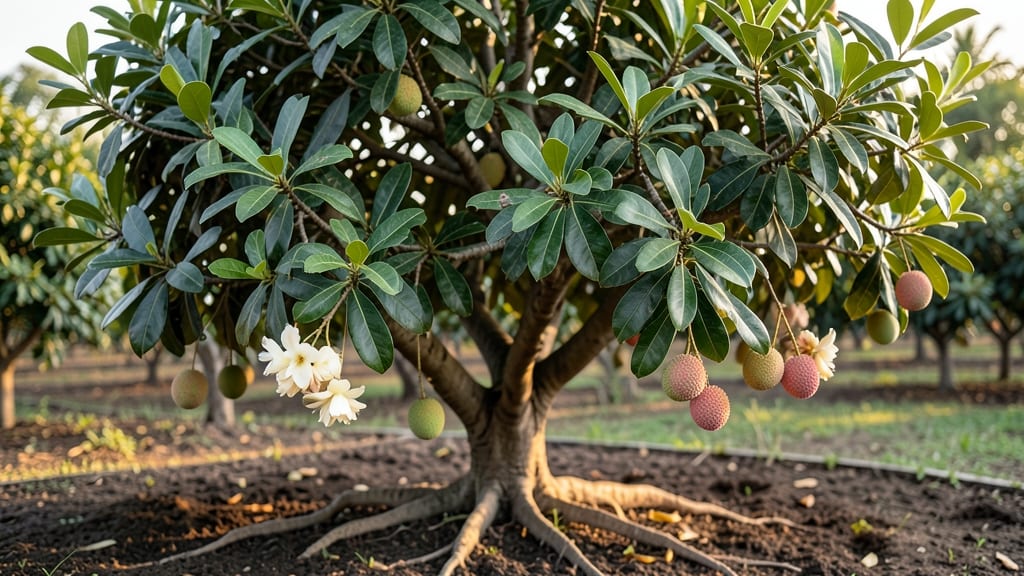
Growing lychees in USDA zones 9-11 means you're already halfway to success—these tropical trees thrive where winter temps stay above 25°F. 🌱 I learned the hard way that even a light frost will kill young trees, but with the right location and care, you can harvest sweet, fragrant fruit in your own backyard.
Start by picking the sunniest, most sheltered spot—lychees need 6+ hours of direct light daily and hate wind. Amend heavy soil with compost to improve drainage, since soggy roots lead to root rot.
A microclimate near a heat-retaining wall or under a patio overhang can extend the growing season in marginal zones.
Once established, your tree will reward you with harvests in 3-5 years, producing clusters of aromatic fruit that taste like a mix of grape and rose.
The key is patience—young trees need consistent moisture, while mature ones handle dry spells better. Prune lightly in late winter to encourage airflow and fruit production.
For zones 8 and below, consider container growing with winter protection or stick to ornamental varieties that tolerate cooler temps. The payoff? Fresh lychees straight from your yard instead of the grocery store—sweet victory for patient gardeners.
📚 In This Guide
- What you need
- Instructions
- Tips and common mistakes
- Wrapping up and next steps
What you need
- ● Lychee Tree Sapling: 1 healthy, grafted lychee tree (varieties like Brewer, Kwai Mai Pink, or Mauritius work well). Choose a 2–3-year-old tree for faster fruiting.
- ● Well-draining soil: 5+ bags of a mix like cactus/succulent blend (or amend native soil with 30% perlite/sand and compost). pH 5.5–6.5 is ideal.
- ● Container (if potted): 1 large pot (20+ gallons) with drainage holes or a 5-gallon fabric grow bag for mobility.
- ● Pruning tools: 1 pair bypass pruners (sharp, clean, for small branches).
- ● 1 pruning saw (for thicker branches >0.5 inches).
- ● 1 sterilizing solution (70% isopropyl alcohol or bleach water) to prevent disease.
- ● Mulch: 2–3 bags of wood chips or pine straw to retain moisture and regulate temperature.
- ● Fertilizer: 1 balanced fertilizer (e.g., 6-6-6 or 8-3-9) for initial planting.
- ● 1 citrus/acid-loving plant fertilizer (e.g., 8-1-12 with micronutrients) for ongoing care.
- ● Drip irrigation system: 1 soaker hose or micro-sprinkler (lychees need 1–2 inches of water weekly).
- ● 1 shade cloth (30–50%) for young trees in hot zones (protects from sunburn).
- ● 1 humidity tray or mist system (lychees love 60–80% humidity!).
- ● 1 tree support stake (if planting in windy areas).
- ● 1 soil moisture meter to avoid over/under-watering.
- ● 1 pollination aid (e.g., a small brush or bee-friendly flowers nearby for cross-pollination).
Step-by-Step guide to selecting and planting lychee trees in USDA Zones 9-11
Here's how to choose the right location and prepare your site for successful lychee cultivation.
🌱 Step 1: Choose the Perfect Microclimate Within Your Zone
Lychees thrive in USDA Zones 9-11, but not all spots in these zones work equally well. Look for areas with mild winters (never below 28°F) and hot, humid summers—think coastal lowlands or sheltered inland valleys. I always check frost pockets first; even a single cold snap below 30°F can kill the tree.
South-facing slopes get the most sun and warm up faster in spring, which is critical for lychees. If your yard has a north-facing wall or large tree, plant there—it creates a microclimate that stays warmer at night. Avoid low-lying areas where cold air pools, as lychees despise frost.
☀️ Step 2: Select the Right Variety for Your Local Conditions
Not all lychee varieties perform equally in Zones 9-11. Brewer and Mauritius are the most cold-hardy, tolerating brief dips to 25°F with protection. If you're in Zone 11, Kwai Mi and Wai Chee produce heavier yields but need consistent humidity—think 70-80% relative humidity during flowering and fruiting.
I always check local nursery recommendations before buying. Some varieties, like Salathiel, need very high heat (above 85°F for fruit set) and won’t thrive in cooler Zone 9 areas. Ask growers about chilling hour requirements—lychees need 100-200 hours below 70°F annually to break dormancy properly.
🪴 Step 3: Prepare the Planting Site for Optimal Growth
Lychees need well-draining, slightly acidic soil (pH 5.0-6.5). Before planting, mix 2-3 inches of compost into the top 12 inches of soil to improve fertility. If your soil is heavy clay, amend it with sand or perlite—lychees hate wet feet and will decline if roots sit in soggy soil.
Dig a hole twice as wide as the root ball but no deeper. Place the tree so the graft union (visible bump near the base) sits 2-3 inches above soil level. This prevents water from pooling around the trunk, which causes rot. Mulch with 3 inches of organic mulch (like wood chips) but keep it 6 inches away from the trunk to avoid moisture buildup.
💧 Step 4: Water and Fertilize for Strong Establishment
After planting, water deeply once a week for the first month, then taper to every 10-14 days once established. Lychees need 1-2 inches of water per week, but overwatering is worse than underwatering. Check soil moisture by sticking your finger 2 inches deep—if it’s dry, water; if damp, wait.
Feed young trees with a balanced 6-6-6 fertilizer in early spring (before new growth starts) and again in early summer. Once the tree is 3-4 years old, switch to a low-nitrogen, high-potassium fertilizer (like 2-4-4) to encourage fruiting. Avoid high-nitrogen fertilizers—they promote leafy growth at the expense of fruit.
✂️ Step 5: Prune and Protect for Long-Term Success
Prune in late winter or early spring before new growth begins. Remove dead, crossing, or diseased branches first, then thin the canopy to allow sunlight to penetrate to the inner branches. Lychees fruit on new wood, so avoid heavy pruning—just shape the tree to maintain an open center for airflow.
In Zones 9-10, protect young trees from unexpected cold snaps with frost cloth or a small greenhouse. Mature trees can handle brief dips to 28°F, but young trees (under 5 years old) need extra care. I’ve seen lychees recover from 30°F with protection, but below 25°F is usually fatal.
Tips & tricks for thriving lychee trees in USDA Zones 9-11
Here's what I've learned from years of growing lychees in the perfect climate—avoid these common pitfalls.
Microclimate Mastery: In Step 1, when selecting your planting spot, consider installing a small weather station to monitor temperature fluctuations. Lychees thrive in the 28-85°F range, but even brief dips below 30°F can damage young trees. I've planted mine near a south-facing wall where the afternoon sun creates a natural heat buffer—this microclimate difference can mean the difference between success and failure.
Variety Selection Strategy: For Step 2, don't just grab the first lychee tree you see at the nursery. Brewer and Mauritius varieties are your best bet for Zones 9-10, but if you're in Zone 11, Kwai Mi and Wai Chee will reward you with heavier harvests. I always ask nurseries about their local success stories—some varieties perform surprisingly well in specific microclimates despite the zone guidelines.
Soil Science Secret: When preparing your planting site in Step 3, test your soil pH before amending. Lychees need that 5.0-6.5 range, but many Zone 9-11 soils run alkaline. I've used sulfur amendments to lower pH in my clay-heavy soil, and the difference in tree health after just one growing season was dramatic. Also, consider installing a French drain if your site has poor drainage—lychees will literally rot if their roots stay wet.
Cold Protection Hack: For Step 5's cold protection needs, I've found that wrapping young trees in burlap (not plastic) and covering with frost cloth creates a better insulated barrier than just using frost cloth alone. The burlap adds an extra layer of protection against wind chill, which can be just as damaging as the cold itself. Remember, young trees under 5 years old need this extra care—mature trees can handle brief dips to 28°F without protection.
Pro Tips for Lychee Tree Zone
- Here's what I've learned from years of growing lychees in the perfect climate—avoid these common pitfalls.
- Microclimate Mastery: In Step 1, when selecting your planting spot, consider installing a small weather station to mo...
- Variety Selection Strategy: For Step 2, don't just grab the first lychee tree you see at the nursery. Brewer and Maur...
Frequently asked questions
Got questions about growing lychee trees in your USDA Zones 9-11? Here are some common ones answered for you!
What’s the coldest temperature a lychee tree can handle?
A lychee tree thrives in warm climates and can’t tolerate frost. Most varieties die when temperatures drop below 28°F (-2°C). In USDA Zone 9, young trees may need winter protection like frost cloth or a greenhouse. In Zones 10-11, they’re frost-free year-round!
How long does it take for a lychee tree to bear fruit?
Patience is key! Lychee trees typically take 3-5 years to produce fruit after planting. Young trees focus on root and branch growth first. With proper care—like regular pruning and fertilization—they’ll reward you with sweet, aromatic fruit in no time.
Can I grow a lychee tree in a container?
Yes, but it’s tricky! Lychee trees have sprawling roots, so a large container (at least 20 gallons) with drainage holes is a must. They also need full sun and consistent moisture. Containers work best in Zones 10-11—bring them indoors if temps dip below 50°F (10°C).
What’s the best way to prune a lychee tree for fruit production?
Prune during late winter or early spring to shape the tree and encourage fruit-bearing branches. Remove dead, diseased, or crossing branches first. Thin out some fruit clusters to improve size and quality—overloaded branches can break. Never prune heavily; lychees produce fruit on new growth.
Why aren’t my lychee tree’s flowers turning into fruit?
Several factors could be at play: inconsistent pollination (hand-pollinate with a soft brush), nutrient deficiencies (add citrus-specific fertilizer), or stress from heat/drought. Ensure your tree gets 6+ hours of sunlight daily and well-draining soil. If flowers drop early, it might need more phosphorus.
Wrapping up and next steps
Growing a lychee tree in USDA Zones 9-11 is a rewarding journey, blending patience with the joy of harvesting sweet, aromatic fruit. 🌱 With the right pruning techniques, soil prep, and climate awareness, you’re well on your way to a thriving tree.
Remember, consistency is key—whether it’s trimming for airflow or protecting young branches from frost.
Ready to take the next step? Start small: plant your tree in a sunny spot, monitor its growth, and adjust care as needed. Before you know it, you’ll be savoring homegrown lychees—nature’s perfect treat! 🍈✨