
Pruning
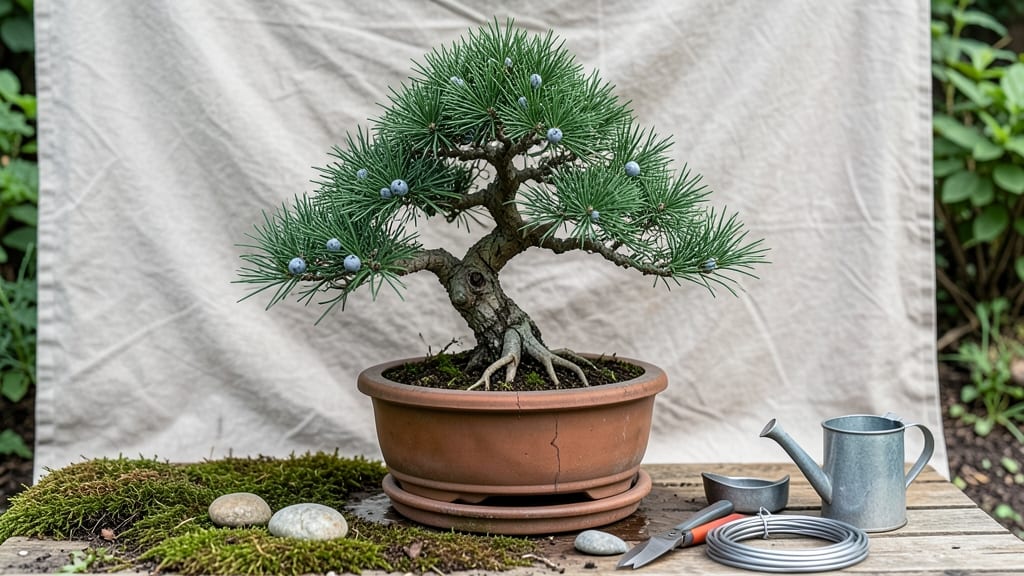
Transforming grief into growth, these living urn tree options become eternal tributes. 🌿 The right plant turns a memorial into a living, breathing reminder of love—something that thrives, not just stands. My first living urn, a delicate Japanese maple, still grows stronger every spring, its leaves unfurling like memories unfolding.
Low-maintenance options like dwarf conifers, crepe myrtles, or trailing ivy need minimal care but deliver maximum beauty. They thrive in containers, adapt to partial shade, and require watering just once or twice a week once established. The key is choosing plants that match your climate and sunlight—no guesswork needed.
You’ll end up with a graceful centerpiece that evolves with time, its branches reaching out like a gentle embrace. The urn becomes a sanctuary, where sunlight and care nurture life just as love once did. Seasonal care keeps it vibrant year-round, from spring blooms to autumn colors.
Perfect for patios, porches, or garden corners—these living urns honor loved ones naturally. Here’s how to select, plant, and care for yours, so it grows as beautifully as the memories it holds.
📚 In This Guide
- What you need
- Instructions
- Tips and common mistakes
- Wrapping up and next steps
What you need
- ● Tree: A fast-growing, hardy tree (e.g., dogwood, willow, or fruit trees like apple or cherry). Choose a species native to your climate!
- ● Size options: Seedling (3–6 inches tall, $10–$30)
- ● Sapling (1–3 feet tall, $20–$50)
- ● Pre-planted memorial tree (engraved or marked, $50–$150+)
- ● Soil & Fertilizer: High-quality potting mix or garden soil (5–10 gallons, depending on pot size)
- ● Slow-release organic fertilizer (e.g., 10-10-10 or compost, 1–2 tbsp per planting)
- ● Container or Planting Site: Pot option: A durable, drainage-friendly container (10–20 gallons, with holes at the bottom)
- ● Ground planting: A hole twice as wide as the root ball + mulch (2–3 inches deep)
- ● Tools: Trowel or shovel (for digging)
- ● Gloves (to protect hands)
- ● Watering can or hose (with gentle spray nozzle)
- ○ Optional: Engraving tool (for personalizing pots or markers)
- ○ Memorial Touches (Optional but Meaningful!): Custom tree tag or plaque (engraved with a name/date)
- ● Decorative stone or marker (for ground plantings)
- ● Biodegradable memory capsule (e.g., a small box with ashes or a handwritten note)
- ● A sunny or partially shaded spot (check your tree’s light needs!)
- ● Access to water (trees need 1–2 inches per week, especially when young)
- ● Patience! Some trees take 1–3 years to mature—choose based on your timeline.
- ○ Optional: Research local planting regulations if using ashes (some areas restrict burial).
Step-by-step guide to selecting and planting living urn trees
Transforming a memory into living greenery is deeply personal—here’s how to choose and plant a tree that grows with your story.
🌱 Step 1: Choose a Tree Species That Honors Your Loved One
Select a tree variety that reflects their personality or the season they passed. For example, a cherry blossom tree symbolizes fleeting beauty, while an oak represents strength and endurance. I always recommend disease-resistant species like Japanese maple or dogwood—they thrive with minimal fuss and grow into graceful memorials.
Consider the climate where you’ll plant. A weeping willow needs moist soil and full sun, while a white pine tolerates cooler, drier conditions. Check your local hardiness zone to ensure the tree will flourish for decades. If you’re unsure, consult a local nursery—they often have charts comparing species to your region.
☀️ Step 2: Prepare the Planting Site with Thoughtful Care
Pick a spot that feels meaningful, like a backyard, park, or garden near where they loved to spend time. The hole should be twice as wide as the root ball but no deeper—this prevents root suffocation. I dig a shallow trench around the hole to guide roots outward naturally as the tree grows.
Amend the soil with compost or organic matter if your native soil is heavy clay or sandy. Mix it into the bottom of the hole to give roots a nutrient-rich foundation. Avoid fertilizers at planting—you’ll shock the tree’s delicate roots. Water the hole deeply before planting to settle the soil.
🪴 Step 3: Plant the Tree with Intention and Precision
Gently remove the tree from its container and loosen any circling roots with your fingers. Place it in the hole so the top of the root ball sits level with the surrounding soil—burying the trunk too deep suffocates it over time. I always check this by comparing the root flare (where roots meet trunk) to the ground level.
Backfill the hole with native soil, tamping lightly every 6 inches to remove air pockets. Create a watering basin by mounding soil outward to hold moisture. Water deeply until the soil settles—you’ll know it’s right when water pools slightly but doesn’t run off. Mulch with 2-3 inches of organic mulch, keeping it 6 inches away from the trunk to prevent rot.
💧 Step 4: Establish a Watering and Care Routine
Water the tree twice weekly for the first month, then taper to once weekly once leaves appear. Overwatering is the biggest mistake—you’ll see yellowing leaves or mold at the base if the soil stays soggy. Instead, water deeply until it drains 6 inches down, then let the top inch dry before watering again.
After planting, avoid pruning—let the tree focus on root growth. In the first year, protect it from extreme weather: stake only if necessary (like for young maples in windy areas) and use tree guards to deter animals. I’ve seen too many memorial trees lost to deer or rabbits in their first winter.
⏰ Step 5: Nurture the Tree as a Living Tribute
Mark the planting date on your calendar—this becomes a ritual. In spring, apply a slow-release fertilizer (like 10-10-10) to encourage growth, but skip fertilizers in drought or extreme heat. Prune in late winter to remove dead branches and shape the tree, always using sterilized tools to prevent disease.
As the tree matures, its leaves will whisper stories. A cherry blossom might bloom pink in spring, while an evergreen stays green year-round—a constant reminder. I like to sit beneath mine during seasonal changes, imagining the laughter and love that first brought it home.
Tips & tricks for perfect living memorial trees
Creating a lasting tribute with living greenery means paying attention to details that make all the difference over time.
Species Selection Wisdom: When choosing between a cherry blossom tree for delicate beauty or an oak for enduring strength, consider how the tree's growth pattern will complement the space. For example, a Japanese maple with its graceful branches thrives in partial shade, while a dogwood offers vibrant spring blooms in full sun. I always recommend visiting nurseries to see how mature specimens grow—some trees look small in pots but develop wide canopies that might overwhelm your planting site over time.
Soil Preparation Secret: The instructions mention amending soil with compost or organic matter, but here's what nobody tells you—if your soil is extremely compacted, consider adding a layer of coarse sand or perlite to improve drainage. This is especially important for trees like weeping willows that need consistently moist but not waterlogged roots. I've seen too many memorial trees fail because their roots suffocated in heavy clay, so take the extra 10 minutes to test your soil's drainage by filling a jar with soil and water—if it doesn't drain within an hour, you need amendments.
Planting Precision: That shallow trench around the planting hole isn't just decorative—it creates a natural pathway for roots to spread outward rather than circling the trunk. I've learned this the hard way after seeing girdling roots strangle young trees. When backfilling, use a stick to poke holes in the soil every 6 inches—this helps air reach the roots during the critical first year. And here's a pro move: water the newly planted tree before you finish backfilling. The moisture helps settle the soil and eliminates air pockets that could suffocate tender roots.
Long-Term Care Ritual: Marking the planting date on your calendar turns maintenance into a meaningful ritual. I suggest creating a simple care schedule that includes seasonal check-ins: spring for fertilization, summer for deep watering, fall for leaf cleanup, and winter for protective measures. For the first year, consider adding a small flag or marker at the planting site—it helps you remember exactly where to water and protects against accidental damage from lawn equipment. This small gesture makes the tree feel like an intentional part of your landscape rather than an afterthought.
Pro Tips for Living Urn Tree Options
- Creating a lasting tribute with living greenery means paying attention to details that make all the difference over time.
- Species Selection Wisdom: When choosing between a cherry blossom tree for delicate beauty or an oak for enduring strength, consider how the tree's growth pattern will complement the space.
- This is especially important for trees like weeping willows that need consistently moist but not waterlogged roots.
Frequently asked questions
Got questions about creating a living urn tree? Here are some of the most common concerns—and their answers—to help you plan with confidence.
What types of trees work best for a living urn?
A living urn tree typically uses slow-growing, long-lived species like Juniperus (juniper), Thuja (arborvitae), or Taxus (yew). These trees thrive in containers, tolerate pruning, and can be shaped over time. Avoid fast-growing trees like willows or poplars—they outgrow containers quickly and may not last.
How long does it take for a living urn tree to mature?
Most living urn trees take 5–15 years to reach full maturity, depending on the species and care. Smaller varieties (like dwarf junipers) may take less time, while larger trees (like weeping willows) can take decades. Start early if you want a meaningful, long-term memorial!
What’s the best way to care for a living urn tree?
Living urn trees need consistent watering (especially in containers), well-draining soil, and regular pruning to maintain shape. Place them in partial shade to avoid stress, and fertilize lightly in spring. Pro tip: Use a moisture meter to check soil levels—overwatering is a common mistake!
Can I plant a living urn tree outdoors permanently?
Yes! Once established (usually after 2–3 years in a container), you can transplant your living urn tree into the ground. Choose a spot with good drainage and plenty of space for roots to spread. Just be mindful of local climate—some trees (like junipers) thrive in colder regions, while others (like magnolias) prefer warmth.
What if my living urn tree starts to decline?
Declining trees often suffer from root rot (overwatering), pests, or nutrient deficiency. Check for yellowing leaves, wilting, or unusual growth. Adjust care (like reducing water or adding fertilizer) and consult a local nursery if issues persist. Troubleshooting tip: If roots are circling, gently loosen them during repotting to encourage healthier growth.
Wrapping up and next steps
Transforming grief into something meaningful is a powerful way to honor a loved one—and a living urn tree offers a beautiful, enduring tribute. Whether you choose a resilient Memorial Tree, a delicate Bonsai, or a vibrant Flowering Plant, each option grows with love and time.
The key is to select a plant that resonates with your memories and aligns with your care routine.
Now that you’re inspired, take the next step: visit a local nursery or trusted supplier to explore your options in person. Bring photos of your loved one or a vision board for extra guidance—this is your chance to create a legacy as unique as they were. 🌱✨