
Pruning
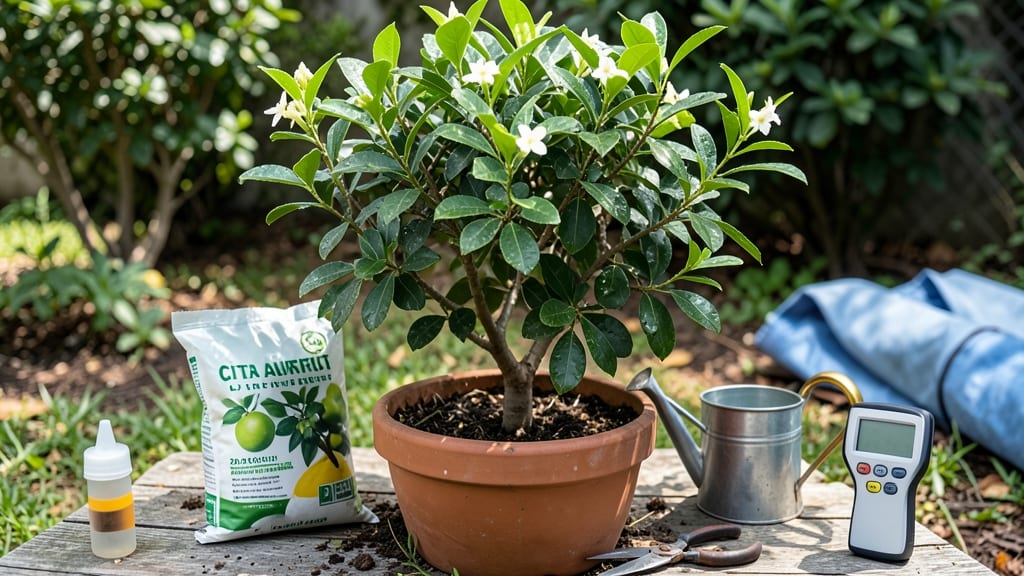
Your lime tree not fruiting could be fixed with just a few strategic cuts—honestly, I thought mine was doomed until I tried this. 🌱 The issue often boils down to how (or if) you're pruning, and once you adjust, those bright green limes will start appearing within a season.
Most gardeners overlook the simple fact that lime trees need open airflow and sunlight to set fruit, and pruning creates exactly that.
Start by removing any dead, diseased, or crossing branches—these compete for energy that should go to fruit production. Then, thin out the canopy by cutting back about 20-30% of the densest growth to let sunlight reach the inner branches.
I pruned my tree in late winter, and by spring, new growth was already pushing toward the sun, setting the stage for fruit. The key is balance: too much pruning stresses the tree, but too little leaves it crowded and unfruitful.
You’ll notice a difference in just 4-6 weeks—fresh green shoots will appear where you made cuts, and by summer, those branches will be heavy with blossoms. The tree will also look fuller and healthier, with fewer pests hiding in thick foliage.
This method works for both dwarf and standard lime trees, whether you're growing in containers or in the ground.
For best results, prune in late winter or early spring before new growth starts, and avoid heavy pruning in fall. If your tree is young (under 3 years), hold off on aggressive pruning—let it establish first.
The goal is to encourage fruit-bearing branches while keeping the tree strong enough to support a harvest. Once you see those first limes, you’ll wonder why you didn’t try this sooner.
Hidden Reasons Your Lime Tree Skips Fruit
If your lime tree is thriving in foliage but playing hard to bear fruit, the issue likely stems from one (or more) of these common biological or environmental roadblocks. Understanding the root cause is the first step to restoring those tangy, juicy limes to your tree—and your kitchen!
Let’s break down the science behind why your tree might be holding back.
Lime trees (Citrus aurantifolia or Citrus latifolia) are self-pollinating, meaning they can produce fruit without cross-pollination—but they’re not always efficient at it. Here’s why pollination fails and how to fix it:
- Lack of Bees or Wind: Lime blossoms rely on bees, butterflies, or gentle breezes to transfer pollen. Urban settings, early blooms (before pollinators wake up), or heavy foliage blocking airflow can starve flowers of pollination.
- Actionable fix: Hand-pollinate with a soft paintbrush or cotton swab, gently transferring pollen from one flower to another on cool, dry mornings (when bees are least active but flowers are open).
- Pro tip 💡: Plant bee-friendly flowers (like lavender or marigolds) nearby to attract pollinators naturally.
- Poor Flower Health: Stress (drought, overwatering, or nutrient deficiencies) can cause aborted flowers—buds that form but drop before pollination occurs.
- Check for: Flowers that fall off within 3–5 days of opening (a sign of stress).
- Fix: Ensure consistent moisture (1–1.5 inches of water weekly) and balanced fertilization (high in nitrogen early in the season, then shift to phosphorus/potassium for flowering).
Lime trees are tropical at heart but can get overwhelmed by extreme conditions. These factors disrupt flowering cues and fruit set:
- Temperature Shocks:
- Cold Snaps: Lime trees need warmth to flower—temperatures below 50°F (10°C) can kill blossoms or prevent them from forming.
- Heatwaves: Temperatures above 95°F (35°C) during bloom can sterilize pollen, making it useless for fertilization.
- Solution: Use frost cloths in winter and provide afternoon shade in scorching summers (e.g., with a 30% shade cloth).
- Water Stress:
- Drought: Wilting leaves trigger the tree to conserve energy by dropping flowers/fruit.
- Overwatering: Soggy roots suffocate the tree, leading to nutrient deficiencies (like calcium) that cause blossom end rot or poor fruit development.
- Fix: Water deeply 2–3 times per week in dry spells, then reduce to once weekly once established. Use a moisture meter to avoid guesswork.
Lime trees need specific nutrients to produce fruit. A deficiency in these key elements can halt flowering or cause fruit to drop early:
| Nutrient | Symptoms of Deficiency | How to Fix It |
|---|---|---|
| Nitrogen (N) | Yellowing leaves (older first), stunted growth | Apply balanced fertilizer (e.g., 10-10-10) in early spring. |
| Phosphorus (P) | Purple stems/leaves, weak roots, no flowers | Use a high-phosphorus fertilizer (e.g., 5-10-10) before blooming season. |
| Potassium (K) | Brown leaf edges, poor fruit set, weak stems | Feed with potassium-rich fertilizer (e.g., 0-0-50) during flowering. |
| Calcium (Ca) | Blossom end rot (black spots on fruit), weak cell walls | Apply calcium nitrate or crushed eggshells to soil. |
| Zinc (Zn) | Small, deformed leaves, stunted growth | Spray with zinc sulfate solution (1 tsp/gallon) or use chelated zinc fertilizer. |
- Pro tip ✨: Soil test first! Many lime trees suffer from locked-up nutrients in alkaline soil (pH > 7.0). If needed, amend with sulfur or peat moss to lower pH.
Pruning is essential for lime trees, but wrong timing or technique can backfire by removing potential fruit-bearing wood:
- Pruning at the Wrong Time:
- Late winter/early spring (before blooms open) is ideal. Pruning after flowering removes next year’s fruit buds.
- Fix: Wait until after harvest (or in late winter) to prune. Focus on opening the canopy to improve airflow and sunlight.
- Over-Pruning:
- Removing more than 25% of foliage in one go stresses the tree, reducing energy for fruit production.
- Fix: Prune lightly (10–20% max) annually, and never cut into old wood (lime trees fruit on new growth).
- Removing Flowering Wood:
- Lime trees produce flowers on current-season growth. If you prune too aggressively, you’re trimming off next year’s blossoms.
- Fix: Use selective pruning—only remove dead, diseased, or crossing branches, and avoid cutting back fruit-bearing stems.
Now that you know the real culprits behind your lime tree’s fruit drought, the next step is action. The good news? Most of these fixes are simple and fast—whether it’s a quick hand-pollination session or a soil test to uncover hidden deficiencies. 🚀
Revive Your Lime Tree’s Fruit Production
If your lime tree is refusing to bear fruit, don’t panic—there’s almost always a fix! The key is identifying the root cause (like poor pollination, overpruning, or nutrient deficiencies) and taking targeted action.
Below, we’ll break down practical, step-by-step solutions for the most common issues, plus prevention tips to keep your tree thriving.
Lime trees rely on bees, wind, or cross-pollination to produce fruit. If your tree is isolated or blooms without pollinators, flowers may drop before fruiting.
How to Fix It: ✅ 🐝 Attract Pollinators – Plant bee-friendly flowers (like lavender, marigolds, or basil) near your lime tree. Avoid pesticides, which can harm bees. ✅ 🤝 Hand-Pollinate (If Needed) – On cloudy or windless days, gently shake branches to disperse pollen. For self-pollinating varieties (like ‘Bearss’ limes), use a small brush to transfer pollen from one flower to another. ✅ 🌳 Choose the Right Location – If possible, plant your lime tree near other citrus trees (like lemons or oranges) to encourage cross-pollination.
💡 Prevention Tip:
- 🌱 Space trees properly (15–20 ft apart) to improve natural pollination.
- 🌿 Avoid heavy pruning during bloom—this can remove flowers before they set fruit.
Aggressive pruning—especially cutting back too much in one session or removing too many fruiting branches—can shock the tree and halt fruit production.
How to Fix It: ✅ 📝 Assess the Damage – If you’ve overpruned, stop cutting for at least 6 months to let the tree recover. ✅ 🌿 Prune for Fruit Bearing – Focus on:
- 🍋 Removing only dead, diseased, or crossing branches (never more than 25% of the canopy at once).
- 🌱 Encouraging sunlight penetration to the center of the tree (where fruit forms).
- 🍃 Lightly thinning out dense foliage to improve air circulation (but leave some leaves for photosynthesis).
✅ 🌱 Time It Right – Prune after harvest (late winter/early spring) to avoid cutting off next year’s fruit buds.
💡 Prevention Tip:
- 📅 Follow a schedule – Prune once a year (never in fall, as it can delay spring blooms).
- 👀 Watch for water sprouts (fast-growing vertical shoots)—remove them promptly to redirect energy to fruit production.
Lime trees need balanced nutrients to flower and fruit. Deficiencies in nitrogen, phosphorus, zinc, or iron can stunt growth and prevent fruiting.
How to Fix It: ✅ 📊 Test Your Soil – Use a citrus-specific soil test kit (available at garden centers) to check pH (ideal: 6.0–7.0) and nutrient levels. ✅ 🌿 Apply Organic Fertilizer – Use a balanced citrus fertilizer (like 6-6-6 or 8-3-9) every 4–6 weeks during growing season (spring–fall).
- 💪 For nitrogen boost: Add compost, fish emulsion, or alfalfa meal to the soil.
- 🔥 For zinc deficiency (yellow leaves): Sprinkle zinc sulfate around the base (follow package instructions).
✅ 💧 Water Deeply & Consistently – Lime trees need 1–2 inches of water per week (more in extreme heat). Drought stress reduces flowering.
💡 Prevention Tip:
- 🍂 Mulch heavily (3–4 inches of wood chips or straw) to retain moisture and nutrients.
- 🌱 Avoid over-fertilizing with nitrogen—too much promotes leafy growth at the expense of fruit.
Lime trees need full sun (6+ hours daily) and warmth to produce fruit. Shade or cold snaps can delay or prevent blooming.
How to Fix It: ✅ 🌞 Move or Prune for Sun – If your tree is in shade, transplant it to a sunnier spot or thin surrounding plants. ✅ 🔥 Protect from Cold – If you’re in a frost-prone area, plant near a south-facing wall or use frost cloth in winter. ✅ 🌡️ Ensure Warmth for Blooming – Lime trees bloom best in temperatures above 60°F (15°C). If spring is slow to warm, avoid late pruning (which can expose new growth to cold).
💡 Prevention Tip:
- 🌿 Choose a microclimate – Plant in a spot sheltered from wind but fully exposed to sun.
- 🌱 Use black plastic mulch in early spring to warm the soil and encourage root growth.
Scale insects, aphids, or fungal diseases (like citrus greening or root rot) can weaken your tree, reducing its ability to fruit.
How to Fix It: ✅ 🔍 Inspect Leaves & Branches – Look for:
- 🐜 Sticky residue (honeydew) = aphids or scale.
- 🍃 Yellowing leaves = possible fungal infection.
- 🌱 Dieback = root rot or overwatering.
✅ 🧼 Treat Infestations Early –
- 🍋 For soft-bodied pests (aphids): Spray with neem oil or insecticidal soap.
- 🛡️ For scale: Scrape off with a soft brush and treat with horticultural oil.
- 🌿 For fungal issues: Apply copper fungicide or baking soda spray (1 tsp baking soda + 1 quart water + a drop of dish soap).
✅ 💧 Fix Watering Issues – Overwatering causes root rot; underwatering stresses the tree. Keep soil moist but not soggy.
💡 Prevention Tip:
- 🌱 Space trees properly to improve airflow and reduce disease risk.
- 🍃 Clean up fallen leaves to prevent fungal spores from overwintering.
To ensure your lime tree starts fruiting again, follow this quick action plan:
- 🐝 Boost pollination (bees, shaking, or hand-pollinating).
- ✂️ Prune lightly (only remove dead/diseased wood).
- 🌿 Fertilize properly (balanced citrus food + zinc if needed).
- ☀️ Maximize sun & warmth (no shade, frost protection).
- 🚫 Eliminate pests/diseases (neem oil, copper spray, proper watering).
With these steps, your lime tree should bloom, set fruit, and reward you with a bountiful harvest in as little as 6–12 months! 🍋✨
Frequently asked questions
Why does my lime tree have flowers but no fruit?
This usually means pollination failed. Lime trees need bees, wind, or gentle shaking to transfer pollen. Try hand-pollinating with a soft brush on dry mornings, or plant bee-friendly flowers nearby like lavender. If flowers drop within 3-5 days, your tree may be stressed from drought or nutrient deficiencies.
How long does it take for a lime tree to bear fruit after pruning?
With proper care, you’ll see new blossoms in 4-6 weeks after pruning, and fruit should appear in 6-12 months. The key is timing—prune in late winter/early spring before blooms open. Avoid heavy cuts that remove flowering wood, which produces next year’s fruit.
Can I force my lime tree to fruit faster?
Not reliably, but you can optimize conditions. Ensure full sun (6+ hours daily), protect from cold snaps (below 50°F/10°C kills blossoms), and fertilize with phosphorus-rich food before blooming. Hand-pollination helps, but patience is key—mature trees (3+ years) fruit more reliably than young ones.
What’s the difference between lime tree varieties for fruiting?
‘Bearss’ limes (most common) are self-pollinating but need warmth to fruit. ‘Key’ limes require cross-pollination and thrive in hotter climates. Dwarf varieties like ‘Meyer’ lime fruit earlier (2-3 years) but need container care. Choose based on your climate—cooler areas need frost protection.
Why did my lime tree fruit this year but not last?
Fruiting cycles depend on environmental factors like temperature, water, and sunlight. Last year’s cold snap or drought may have stressed the tree. Check for consistent care this year—proper pruning, balanced fertilization, and pest control can restore production. Most citrus trees alternate between heavy and light fruit years naturally.