
Pruning
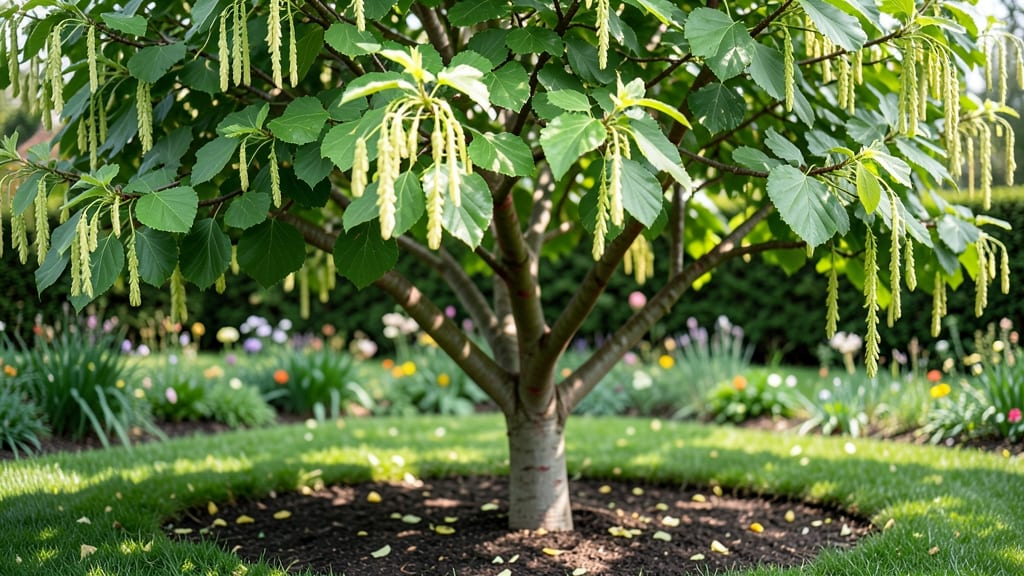
Spring is when your lime tree wakes up from winter dormancy—and the right pruning cuts can turn that sleepy growth into a fruit explosion by summer. 🌿 I’ve learned the hard way that timing matters: prune too early, and you’ll cut off next year’s blooms; wait too long, and you’ll stress the tree before the heat hits.
The sweet spot? Late winter to early spring, when buds swell but leaves haven’t unfurled yet.
This isn’t just about shaping the tree—it’s about encouraging fruit production. Focus on removing dead wood, crossing branches, and thinning out crowded growth to let sunlight and air circulate. A well-pruned lime tree rewards you with more blooms, bigger fruit, and fewer pests come summer.
Just grab your pruners, a bucket for clippings, and a sharp eye for the branches that need to go.
You’ll see the difference in just a few months: thicker foliage, brighter green leaves, and—if you’re lucky—tiny lime blossoms by late spring. The key is light cuts, not radical hacking, and always sterilizing your tools between trees to avoid disease.
Think of it as a spa day for your tree, setting it up for a juicy, productive season.
Works for both dwarf and standard lime trees, whether you’re growing in pots or in the ground. Just remember: patience pays off—these trees take a year or two to really bounce back after heavy pruning, but the long-term fruit payoff is worth it. Ready to get started?
📚 In This Guide
- What you need
- Instructions
- Tips and common mistakes
- Wrapping up and next steps
What you need
- ● Pruning shears – Bypass pruners (sharp, clean, and sterilized with rubbing alcohol to prevent disease). Quantity: 1 pair.
- ● Loppers – For thicker branches (½–1½ inches in diameter). Quantity: 1 pair.
- ○ Hand pruners – For small twigs and precision cuts. Quantity: 1 pair (optional if loppers are used).
- ● Pruning saw – Only if dealing with very thick branches (>1½ inches). Quantity: 1 (if needed).
- ● Gloves – Heavy-duty, cut-resistant (thorns on some lime varieties!). Quantity: 1 pair.
- ● Disposable pruning bags – To collect debris and diseased branches. Quantity: 1–2 bags.
- ● Rubbing alcohol (70% or higher) – For sterilizing tools between cuts. Quantity: Small bottle.
- ○ Sealer (optional) – Pruning sealant for large cuts (>½ inch) to prevent infection. Quantity: Small bottle.
- ● Weather check – Prune on a dry, cloudy day (avoid midday sun and rain).
- ● Ladder or step stool – If your tree is taller than 6 feet. Safety: Use a stable, non-slip ladder.
- ● Eye protection – Safety goggles to shield from debris. Quantity: 1 pair.
- ● First-aid kit – Just in case! (Thorns and tools can be sneaky.)
- ● Water & snacks – Hydration breaks keep you sharp! 💧
Step-by-step guide to pruning your lime tree in spring
Spring is the perfect time to shape your lime tree for bigger blooms and more fruit—just follow these precise cuts.
☀️ Step 1: Time Your Pruning for Peak Growth
Wait until after the last frost but before new leaves emerge—typically late February to early April in most climates. You’ll see swollen buds forming along the branches; these signal the tree is waking up but hasn’t yet broken dormancy. Pruning too early risks damaging tender new growth, while waiting too long removes potential bloom sites.
Check the weather forecast for a week of dry, sunny days before you start. Wet conditions invite fungal infections, and cloudy weather slows the tree’s healing process. Mornings are ideal—cooler temps reduce stress on the tree.
✂️ Step 2: Remove Dead, Diseased, or Crossing Branches
Start by inspecting the tree from top to bottom. Use sharp, clean pruning shears to cut away any branches that are dead (brown, brittle), diseased (black spots, oozing sap), or crossing (rubbing against others). These cuts encourage airflow and sunlight penetration, which prevents fungal issues and boosts fruit production.
Make cuts just outside the branch collar—the swollen area where the branch meets the trunk. Avoid leaving stubs, as they invite rot and weak growth. If a branch is thicker than ½ inch, use a pruning saw instead of shears to avoid tearing the bark.
🌿 Step 3: Thin the Canopy for Sunlight and Airflow
Step back and visualize the tree’s shape. Aim for an open, vase-like form with a dominant central leader. Remove up to 25% of the tree’s total branches—never more—to avoid shocking it. Focus on branches growing inward or downward, as these block light and reduce fruit yield.
Cut back to a healthy outward-facing bud or side branch. You’ll see these as small, rounded bumps. Avoid leaving long stubs; the closer your cut is to the bud, the faster new growth will emerge. Thin branches should be spaced 6-12 inches apart along the main stems for optimal airflow.
🌱 Step 4: Encourage Fruit Production with Strategic Cuts
Look for clusters of blooms or small fruit already forming. Prune back any overly vigorous shoots that are growing straight up—these divert energy away from fruiting. Instead, cut just above a side branch or leaf node where new growth can sprout.
If your lime tree is young (3 years old), avoid heavy pruning. Focus on removing only dead or crossing branches to establish a strong structure. Older trees can handle more aggressive thinning, but always prioritize cuts that open the canopy to sunlight.
💧 Step 5: Clean Up and Protect the Tree
After pruning, sterilize your tools with rubbing alcohol to prevent spreading disease. Collect and dispose of all clippings—don’t leave them on the ground, as they can harbor pests or fungi. A light application of copper fungicide (optional) on fresh cuts adds an extra layer of protection.
Water the tree deeply at the base to help it recover. Avoid overhead watering for 24 hours to let the cuts dry and seal naturally. Within 4-6 weeks, you’ll see new growth emerging from the pruned areas—this is your sign the tree is healing and preparing for a fruitful season.
Tips & tricks for perfect springtime lime tree pruning
Here's what I've learned after helping gardeners transform their lime trees from scraggly to spectacular—these details make all the difference.
Timing is Everything: Those swollen buds you see in late February to early April are your green light to prune. I learned this the hard way—pruning too early can damage tender new growth, while waiting too long removes potential bloom sites. Check for buds that are plump but haven't yet burst open. If you're in a warmer climate, wait until you've seen at least a few leaves unfurl to confirm the tree is ready.
Tool Prep Prevents Problems: Sterilizing your pruning shears with rubbing alcohol between cuts is non-negotiable. I once saw a fungal infection spread through an entire citrus grove because tools weren't cleaned properly. For branches thicker than ½ inch, switch to a pruning saw—shears will tear the bark and create wounds that take forever to heal. Keep your tools sharp too; dull blades crush rather than cut cleanly.
Canopy Vision: Step back and visualize your tree's shape before making any cuts. The goal is an open vase form with branches spaced 6-12 inches apart. I like to imagine sunlight streaming through the center—this helps me identify which branches need to go. Remember the 25% rule: never remove more than a quarter of the tree's branches at once, or you'll shock it. For young trees under 3 years old, be especially gentle—focus only on removing dead or crossing branches to establish structure.
Recovery Matters: That 24-hour no-overhead-watering rule isn't arbitrary. The cuts need time to dry and seal naturally, which prevents fungal infections. After pruning, I always water deeply at the base and add a 1-inch layer of mulch (keeping it 2 inches away from the trunk) to retain moisture. Within 4-6 weeks, you should see fresh green growth emerging from the pruned areas—this is your tree's way of saying "thank you" for the careful shaping.
Pro Tips for Lime Tree In Spring
- Here's what I've learned after helping gardeners transform their lime trees from scraggly to spectacular—these detail...
- Timing is Everything: Those swollen buds you see in late February to early April are your green light to prune. I lea...
- Tool Prep Prevents Problems: Sterilizing your pruning shears with rubbing alcohol between cuts is non-negotiable. I o...
Frequently asked questions
Got questions about pruning your lime tree in spring? You’re not alone! Here are some of the most common queries—plus straightforward answers to keep your tree thriving and fruiting like a pro.
When is the exact best time to prune my lime tree in spring?
The ideal window is late winter to early spring (February–March in most climates), once the last frost has passed but before new growth sprouts. For tropical lime trees, aim for February–March; in cooler zones, wait until March–April. Pruning too early risks frost damage, while waiting too long may stress the tree.
How much can I trim off without harming my lime tree?
For healthy growth, remove no more than 25–30% of the tree’s canopy in a single session. Focus on dead, diseased, or crossing branches first, then thin out excess growth to improve airflow. Over-pruning can reduce fruit production, so less is often more—especially for young trees.
Will pruning my lime tree in spring actually increase fruit yield?
Strategic pruning boosts fruit production by redirecting energy to healthy, sun-exposed branches. Removing crowded or weak limbs improves airflow, reducing fungal diseases that can stunt fruit development. Plus, open canopies mean more sunlight for sweeter, higher-quality limes!
What if my lime tree isn’t flowering or fruiting after pruning?
If your tree skips blooms or fruit post-pruning, check these fixes:
- Timing: Ensure you pruned in late winter/early spring (not summer or fall).
- Nutrients: Lime trees need balanced fertilizer (high in nitrogen early, phosphorus/potassium later).
- Location: Verify it gets 6+ hours of sunlight daily—partial shade can delay fruiting.
- Patience: Heavy fruit production may take 1–2 years after pruning.
Can I prune a lime tree in a container the same way as one in the ground?
Yes, but with two key adjustments:
- Prune more aggressively in containers (up to 30–40%) to control size and encourage bushier growth.
- Repot or refresh soil every 2–3 years—root-bound trees fruit poorly. Use a well-draining mix with perlite or sand.
Wrapping up and next steps
Spring is the perfect time to give your lime tree the care it deserves—pruning isn’t just about shaping, it’s about unlocking its full potential. 🌿 With the right cuts, you’ll encourage lush foliage, bountiful fruit, and a healthier tree for years to come.
Now that you’re armed with the how-tos, tools, and answers to common questions, there’s no better moment than today to roll up your sleeves and get pruning!
Start small if you’re new—even a few strategic snips can make a difference. And remember: patience and consistency are key. Over time, your lime tree will reward you with vibrant blooms, juicy fruit, and a stunning centerpiece for your garden. Happy pruning—your future harvests will thank you! 🍋✨