
Pruning
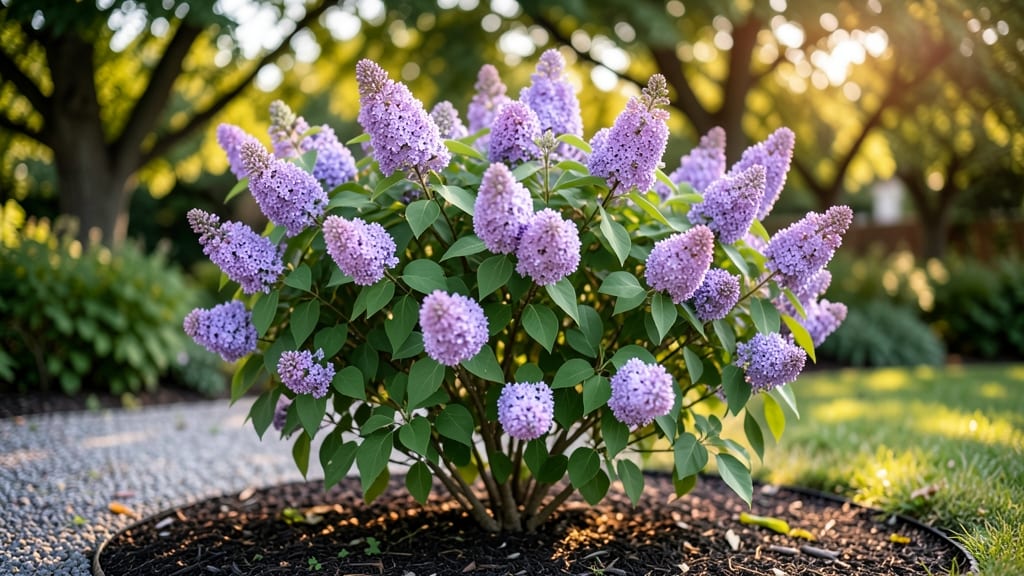
Your purple lilac tree’s vibrant blooms start with a sharp pair of pruners and a little timing. ✂️ I’ve turned my once-sparse lilac into a fragrant purple cloud by mastering the art of strategic cuts—when to trim, how much to remove, and why it matters for next year’s flowers.
The secret isn’t just cutting back; it’s understanding how lilacs grow.
Most gardeners prune at the wrong time, sacrificing blooms for the sake of shape. But lilacs bloom on old wood, meaning last year’s growth holds this year’s flowers. Wait until right after blooming—never in fall or winter—and you’ll trigger a second flush of flowers in some varieties.
My ‘Katherine Havemeyer’ now bursts with purple twice a season, and it’s all about the timing.
By the end of spring, you’ll have a tree covered in fragrant, deep purple clusters that last for weeks. The air will smell like childhood memories, and your neighbors will ask how you did it.
The best part? This method works for any purple lilac, from classic ‘Miss Elizabeth’ to heirloom varieties. Let’s get those pruners ready!
Whether you’re dealing with a young sapling or a mature tree, the principles stay the same. Just remember: patience and precision pay off in show-stopping blooms. And if you skip a year, don’t worry—lilacs are forgiving. They’ll bounce back with even more vigor once you get the rhythm right.
📚 In This Guide
- What you need
- Instructions
- Tips and common mistakes
- Wrapping up and next steps
What you need
- ● Pruning shears (bypass or anvil type): Sharp, clean, and sized for medium branches (6- to 8-inch blades).
- ● Loppers: For thicker branches (10- to 12-inch blades).
- ● Pruning saw: For large stems (16- to 24-inch blade).
- ● Garden gloves: Heavy-duty, cut-resistant (e.g., leather or Kevlar).
- ● Disinfectant (70% isopropyl alcohol or bleach solution): 1 part bleach to 9 parts water.
- ● Rag or paper towels: For cleaning tools between cuts.
- ○ Marking twine or tape: Optional, for tagging branches to prune later.
- ● Extension pole pruners: For high branches (10- to 14-foot reach).
- ● Step ladder or stool: Sturdy, non-slip, and tall enough to reach the tree’s canopy.
- ● Tree wound dressing: Controversial but useful for large cuts (e.g., pruning sealant).
- ● Notebook & pen: To sketch the tree’s shape or track pruning progress.
- ● Safety glasses: To protect against debris.
Strategic pruning for year-round lilac blooms
Here's how to coax your purple lilac into abundant, seasonal flowers with precise timing and cuts.
⏰ Step 1: Time Your First Cut After the First Bloom
Wait until after the first flush of flowers has fully faded and turned brown—this is your signal that the plant has finished flowering for the season. I always mark my calendar when the last purple bloom drops because this determines when I can prune without sacrificing next year's display. Cut back one-third of the oldest stems to the ground, using clean, sharp pruners to avoid tearing the bark.
This aggressive cut stimulates new growth from the base, which produces stronger stems for next season's blooms. If you prune too early, you risk cutting off flower buds that form on last year's growth. The key is patience—waiting until mid-summer ensures you don't accidentally remove next year's blooms.
✂️ Step 2: Shape and Thin Stems in Late Summer
In late August or early September, focus on shaping the tree by removing crossing, rubbing, or weak branches first. These compete for energy and create entry points for disease. Next, thin out one-third of the oldest stems again, cutting them back to the base. This maintains an open center that allows light and air to circulate, preventing fungal issues and encouraging more blooms.
I always step back and visualize the tree's natural shape—lilacs have a lovely rounded form when given room to breathe. Avoid cutting into the center too much, as this can create a "cavity" that collects rainwater and invites rot. Aim for a balanced silhouette where you can see light through the branches.
🌿 Step 3: Light Maintenance Pruning in Early Spring
Before buds swell in early spring, do a quick inspection for any dead, diseased, or damaged branches and remove them immediately. This prevents pests and pathogens from spreading as the tree wakes up. For any remaining stems that look crowded, trim back just above a outward-facing bud to encourage outward growth rather than inward.
Here's the thing—lilacs bloom on old wood, so avoid heavy pruning now. A light touch keeps the tree healthy without sacrificing next year's flowers. If you see any suckers (shoots growing from the base), remove them completely—they divert energy from the main tree.
☀️ Step 4: Post-Bloom Deadheading for Extended Color
After the main bloom cycle ends, snip off spent flower clusters but leave the stems intact. This encourages a second, sometimes even third flush of blooms later in the season. I use clean shears to make the cut just above a leaf node or bud, which promotes new growth. The more you deadhead, the longer your lilac will display color—sometimes into early summer.
Don’t overdo it, though. If you cut back too aggressively after the first bloom, you risk weakening the tree before winter. The goal is to extend the blooming season without stressing the plant. A well-maintained lilac can reward you with purple blooms for 6-8 weeks if you stay on top of deadheading.
Tips & tricks for perfect lilac pruning
Mastering the art of lilac pruning transforms your tree from a one-season showstopper to a year-round blooming powerhouse.
Timing Precision: The mid-summer cut in Step 1 is your golden opportunity to reset the tree's energy. I've learned this the hard way—pruning too early in summer risks cutting off next year's flower buds, which form on old wood. Mark your calendar for when the last purple bloom turns brown, then wait another week. This ensures you're cutting only spent stems while preserving next season's potential. The key is patience; lilacs reward precise timing with dramatic results.
Tool Selection: Sharp, clean pruners aren't just recommended—they're essential. Dull blades tear bark, creating wounds that invite disease and pests. I keep a dedicated pair of pruners for lilacs and sterilize them with rubbing alcohol between cuts. For thicker branches, use loppers with bypass blades that close cleanly. Never use hedge trimmers—they shred stems and damage the tree's structure.
Visual Pruning Guide: Step 2's late summer shaping requires a different mindset. Instead of focusing on how much to cut, think about the tree's natural silhouette. Imagine an upside-down cone—lilacs thrive when they have room to breathe. Step back frequently and visualize light filtering through the branches. If you can't see the center clearly, you're cutting too much. The goal is an open, airy structure that prevents fungal issues while maximizing bloom potential.
Seasonal Maintenance: Early spring's light pruning (Step 3) is where most gardeners go wrong. Many over-prune when the tree is already stressed from winter. Focus only on removing dead wood and shaping crowded areas—never more than 10% of the tree's total growth. Lilacs bloom on old wood, so every cut you make now reduces next year's flowers. Think of this as a health check rather than a dramatic transformation.
Pro Tips for Lilac Tree Purple
- Mastering the art of lilac pruning transforms your tree from a one-season showstopper to a year-round blooming powerh...
- Timing Precision: The mid-summer cut in Step 1 is your golden opportunity to reset the tree's energy. I've learned th...
- Tool Selection: Sharp, clean pruners aren't just recommended—they're essential. Dull blades tear bark, creating wound...
Frequently asked questions
Got questions about keeping your lilac tree purple and blooming year-round? You’re not alone! Here are some of the most common queries—plus quick, actionable answers to keep your tree thriving.
When is the best time to prune lilacs for maximum purple blooms?
Prune your lilac tree right after flowering (late spring to early summer) to encourage robust blooms for next year. Avoid heavy cuts in fall or winter, as this can stimulate late-season growth that won’t harden off before cold snaps. For year-round color, do a light shaping trim in late winter (before buds swell) to remove dead wood and open the canopy.
How much can I cut back my lilac tree without killing it?
Lilacs are tough! You can safely remove up to ⅓ of the oldest wood (thick stems near the base) to rejuvenate the tree. For younger trees, focus on selective pruning—cutting back only the oldest stems by half to encourage new growth. Avoid "topping" (cutting flat across the top), as this stresses the tree and reduces blooms.
Why aren’t my lilacs blooming as purple as they used to?
Over-fertilizing (especially with high-nitrogen fertilizer) can dilute color and reduce blooms. Instead, use a balanced, low-nitrogen fertilizer in early spring. Sunlight also matters—lilacs need 6+ hours of direct sun daily for vibrant purple hues. If your tree is shaded, consider relocating it or thinning nearby foliage.
Can I prune lilacs in fall, or should I wait?
Fall pruning is not recommended for lilacs, as it can stimulate tender new growth that won’t survive winter. If you must prune in fall, do so very lightly (only to remove dead/diseased branches) and avoid heavy cuts. Wait until late winter or early spring for shaping or rejuvenation pruning to avoid winter damage.
What’s the best way to keep my lilac tree healthy between prunings?
Healthy lilacs = happy blooms! Water deeply during droughts (1–2 inches per week) and mulch around the base (but keep mulch away from the trunk) to retain moisture. Watch for powdery mildew (common in humid climates)—prune for airflow and apply fungicide if needed. Pro tip: Deadhead spent blooms in early summer to redirect energy to next year’s flowers!
Wrapping up and next steps
Your lilac tree doesn’t have to be a one-season wonder—with the right pruning strategies, you can unlock year-round bursts of purple and keep it thriving! 🌸 The key is timing (late winter or early spring), sharp tools, and a little patience to shape those branches just right.
Whether you’re trimming for health, blooms, or aesthetics, strategic cuts make all the difference.
Ready to transform your yard? Grab your shears, follow the steps, and watch your lilac tree reward you with vibrant blooms season after season. Start pruning today! 🌿