
Pruning
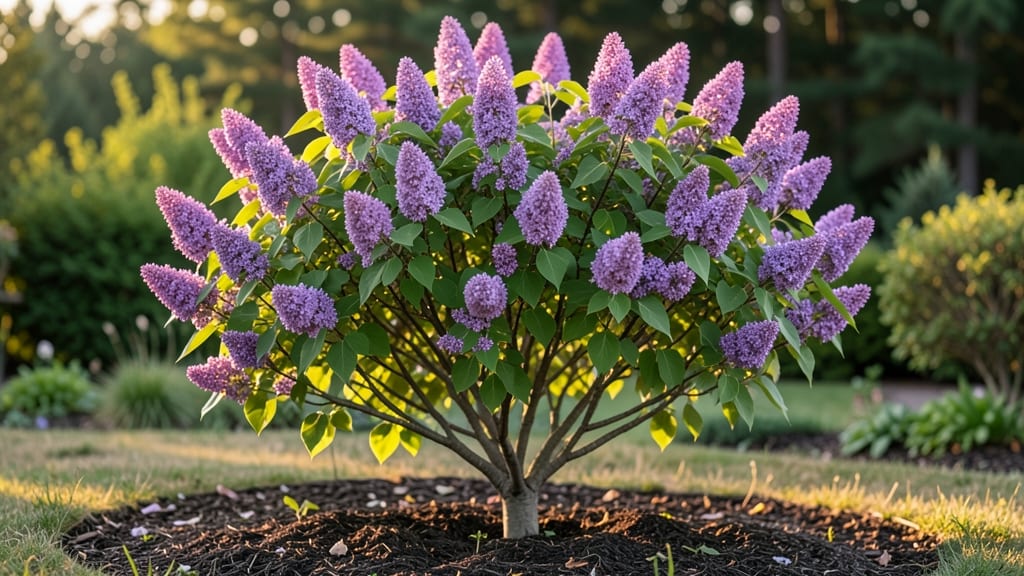
Pruning lilac trees in Colorado isn’t just about timing—it’s about unlocking that shockingly intense fragrance that makes spring unforgettable. 🌸 I’ve learned the hard way that cutting at the wrong time can rob you of next year’s blooms, but the right approach transforms your yard into a fragrant paradise by May.
The secret lies in Colorado’s climate: prune after blooms fade but before summer heat sets in (usually late May to early June). This gives your lilacs time to set next year’s flower buds while avoiding the stress of high-altitude summers.
Most gardeners mess this up by pruning too early or too late—don’t be one of them. What you’ll end up with is a lilac tree that bursts with vibrant purple, pink, or white blooms every spring, filling your yard with that classic sweet scent.
The right cuts also keep the tree’s shape open and airy, reducing pests and diseases that thrive in dense foliage. Works for all Colorado hardiness zones (3-7), whether you’re in Denver’s urban heat or the cooler mountain valleys. Let’s get those shears ready!
📚 In This Guide
- What you need
- Instructions
- Tips and common mistakes
- Wrapping up and next steps
What you need
- ● Pruning shears: Bypass pruners (sharp, clean, and capable of cutting up to ¼-inch thick branches). Quantity: 1 pair.
- ● Loppers: For thicker branches (½-inch to 1.5-inch diameter). Quantity: 1 pair.
- ● Hand saw: Pruning saw with a fine-tooth blade for stubborn, larger branches. Quantity: 1.
- ● Disinfectant: Rubbing alcohol (70% isopropyl) or a commercial pruning sealant to sterilize tools and prevent disease. Quantity: Small bottle or spray.
- ● Gloves: Heavy-duty gardening gloves (cut-resistant for safety). Quantity: 1 pair.
- ○ Pruning paint/sealant: (Optional but recommended for Colorado’s dry climate) to seal larger cuts and prevent moisture loss. Quantity: Small bottle.
- ● Trash bags: For collecting pruned branches. Quantity: 2–3 large bags.
- ● Ladder: (If your lilac is taller than 6 feet). Type: Sturdy, extendable ladder with non-slip feet.
- ● Pruning saw stand: To stabilize cuts on thick branches.
- ● Work apron: With pockets to hold tools and gloves.
- ● Safety glasses: To protect eyes from debris.
- ● Notebook & pen: To jot down pruning notes or mark branches for future reference.
- ● Compost bin: For repurposing small pruned branches as mulch.
Step-by-Step guide for pruning lilac trees in Colorado
Colorado's climate demands special timing—here's how to prune for those showstopping spring blooms.
✂️ Step 1: Prune Immediately After Spring Blooming
Wait until 4-6 weeks after your lilac finishes flowering—usually late May to early June in Colorado. This timing ensures you never cut off next year's flower buds, which form on last year's growth. I always mark my calendar after the last lilac bloom fades because waiting too long risks pruning away next season's blossoms.
Start by removing any dead, diseased, or crossing branches first. These are easy to spot—they're either brown and brittle or growing inward and rubbing against other branches. Use sharp bypass pruners to make clean cuts just above a leaf node or outward-facing bud. Colorado's dry air can dry out wounds, so seal larger cuts with pruning sealant if they're over ½ inch thick.
✂️ Step 2: Thin the Canopy for Better Airflow
Step back and look at your lilac's shape. You want an open vase form with light in the center. Remove 20-30% of the oldest wood—these are the thicker branches near the trunk. I target branches that are older than 3 years because they've already bloomed and won't produce new flowers. Cut them back to a strong lateral branch or to the trunk if needed.
For younger trees, focus on removing suckers at the base and any branches growing toward the center. These compete for energy and reduce flowering. Make your cuts at a 45-degree angle just outside the branch collar. The goal is to create a balanced shape where light reaches all parts of the plant—this prevents fungal issues common in Colorado's humid summers.
✂️ Step 3: Lightly Shape for Next Year's Blooms
After removing the major branches, do a light shaping pass to encourage new growth. I never cut more than ⅓ of any branch's length in one season—this prevents shock. For branches that need shortening, cut back to just above a pair of leaves or a strong lateral bud facing outward.
Pay special attention to the tree's outer edges. These are where next year's flower buds will form. Avoid heavy pruning here—just tidy up any awkward growth. In Colorado's climate, lilacs respond well to this gentle approach, producing stronger blooms the following spring. Water deeply after pruning to help the tree recover, especially if we've had a dry spring.
Tips & tricks for perfect lilac tree pruning in Colorado
Timing and technique make all the difference with Colorado's lilacs—here's what I've learned after years of perfecting the process.
Timing is Everything: That 4-6 week window after blooming is critical because lilac flower buds form on last year's growth. I set a reminder on my phone for when the last bloom fades—this ensures I never accidentally prune away next year's blossoms. Colorado's late spring frost dates can push this window later in higher elevations, so check your local frost forecast if you're unsure.
Branch Selection Strategy: When removing 20-30% of oldest wood in Step 2, focus on branches thicker than your thumb—these are the ones that have already bloomed and won't produce new flowers. For younger trees, those suckers at the base are energy vampires—remove them completely to redirect energy to flowering branches. I always make my cuts at a 45-degree angle just outside the branch collar for faster healing.
Colorado-Specific Care: Our dry air means larger cuts (over ½ inch) need sealing to prevent moisture loss. I keep pruning sealant handy and apply it immediately after making cuts. After pruning, I give my lilacs a deep watering—especially important if we've had a dry spring—which helps the tree recover faster and encourages strong new growth for next year's blooms.
Pro Tips for Lilac Tree Colorado
- Timing and technique make all the difference with Colorado's lilacs—here's what I've learned after years of perfecting the process.
- Timing is Everything: That 4-6 week window after blooming is critical because lilac flower buds form on last year's growth.
- Branch Selection Strategy: When removing 20-30% of oldest wood in Step 2, focus on branches thicker than your thumb—these are the ones that have already bloomed and won't produce new flowers.
Frequently asked questions
Got questions about pruning lilac trees in Colorado for that stunning spring fragrance? We’ve got answers!
Here are the most common queries from gardeners eager to keep their lilacs thriving.
When is the best time to prune lilacs in Colorado?
Prune lilacs right after they bloom (late spring to early summer) to encourage next year’s flowers. Avoid pruning in fall or winter—it can trigger early blooming, which weakens the plant. Colorado’s late frosts make timing extra critical!
Can I prune lilacs in Colorado’s cold winters?
Nope! Pruning in winter stresses lilacs and can damage buds. Wait until after the last frost (typically late April–May in Colorado). If you must clean up dead branches, do it in late winter before new growth starts.
How much can I cut back my lilac tree?
Never remove more than 1/3 of the plant’s height in one year. For mature lilacs, focus on shaping and thinning out old wood (over 3 years old). Colorado’s dry climate means aggressive pruning can stress your tree—go gentle!
Why aren’t my lilacs blooming after pruning?
Lilacs bloom on old wood, so heavy pruning too late (after summer) can reduce flowers. If blooms are sparse, check for:
- Over-pruning (leave at least 3–5 buds per stem)
- Underwatering (Colorado’s heat dries soil fast!)
- Nutrient deficiency (fertilize in early spring)
Are there Colorado-friendly lilac alternatives?
Yes! Try these drought-tolerant picks for Colorado gardens:
Variety
Notes
Syringa meyeri ‘Palibin’
Compact, fragrant, and cold-hardy (Zone 3+). Blooms early!
Syringa × hyacinthiflora ‘Annabelle’
Heat-tolerant, white blooms, and low-maintenance.
Philadelphus (Mock Orange)
Similar fragrance, thrives in partial shade, and handles altitude.
Wrapping up and next steps
Pruning your lilac tree in Colorado at the right time is the secret to unlocking that showstopping spring fragrance and lush blooms! By following the timing secrets—like pruning right after flowering—you’ll encourage healthier growth and maximize those intoxicating blooms. 🌸
Ready to transform your yard? Grab your pruners, mark your calendar, and give your lilac the care it deserves. Start small—even a few cuts can make a big difference—and watch your tree thrive for years to come!