
Diseases
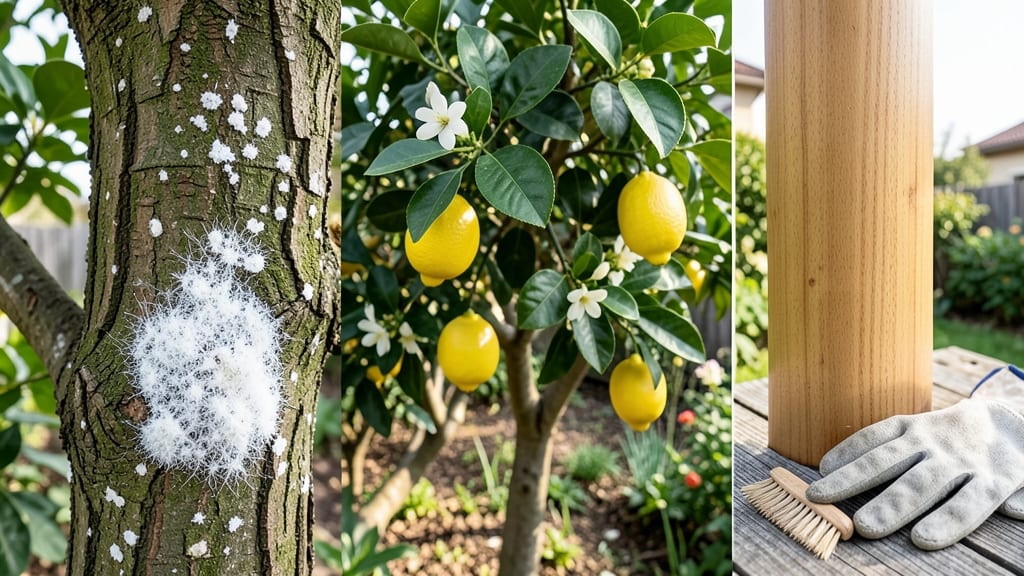
White spots creeping up your lemon tree trunk? 🌿 That chalky residue isn't just cosmetic—it's a fungal blight screaming for attention. I've seen this ruin citrus trees in just weeks, but the good news? You can turn things around with the right diagnosis and treatment plan.
Most cases are powdery mildew or sooty mold, both thriving in humid conditions. The white spots start small, then spread like snowfall, smothering bark and blocking sunlight. Left unchecked, they weaken the tree, drop fruit early, and leave it vulnerable to secondary infections.
The key is acting fast—before the spots merge into a full-blown fungal blanket.
We'll tackle this with a three-step approach: cleaning the trunk, applying organic fungicides, and adjusting care to starve the fungus. Within 2-3 weeks, you'll see fresh green bark pushing through, and new growth will emerge stronger than before. The secret is consistency—this isn't a one-time spray job.
This works for both potted and in-ground lemon trees, and the methods adapt to other citrus varieties too. Let's get your tree back to its vibrant self before the spots take over completely.
Understanding The Root Causes
When you spot those mysterious white patches creeping up your lemon tree’s trunk, it’s not just cosmetic—it’s a cry for help. These spots can signal serious trouble, from fungal infections to environmental stressors. Let’s break down the key culprits behind this issue, so you can diagnose and act fast.
Fungi are the most common cause of white spots on a lemon tree trunk. Two primary offenders stand out:
-
Powdery Mildew (Erysiphe spp.):
This fungal disease thrives in humid, shaded conditions and appears as white, powdery patches that can spread to leaves and branches. Unlike other fungi, powdery mildew doesn’t penetrate the bark deeply at first—it just settles on the surface, making it easier to treat early.
Why it happens: Spores spread via wind, water, or even garden tools. Warm nights (60–80°F) with cool, damp days create the perfect breeding ground.
-
White Mold (Sclerotinia or Botrytis spp.):
Less common but more aggressive, this fungus produces fluffy white growths that may later turn gray or brown. It often appears near wounds, pruning cuts, or leaf litter.
Why it happens: Poor air circulation, overwatering, or organic debris trapped against the trunk encourage spore germination. Unlike powdery mildew, white mold can invade the bark, leading to rot if untreated.
💡 Pro Tip: Scrape a small patch with a sterile knife. If the white residue wipes off easily (like chalk), it’s likely powdery mildew. If it’s fuzzy or embedded, suspect white mold.
Not all white spots are fungal. Sometimes, your lemon tree’s trunk reacts to physical or environmental damage, leading to unsightly (but non-contagious) spots.
-
Sun Scald or Sunscald:
If your tree’s trunk develops white, cracked, or peeling patches on the sun-exposed side, it’s likely suffering from sunscald. This happens when rapid temperature swings—like hot days followed by chilly nights—cause the bark to split or bleach.
Why it happens: Young trees or those with thin bark are most vulnerable. Lemon trees in arid climates or those suddenly moved from shade to full sun are at higher risk.
-
Lichen or Algal Growth:
Don’t confuse white spots with lichen or algae—they’re not harmful but can look similar. These non-parasitic organisms grow on the bark’s surface, thriving in moist, shaded conditions.
Why it happens: Lichen spreads via spores in the air or water, while algae clings to damp bark. Neither damages the tree, but their presence signals excess moisture or poor airflow.
🌡️ Quick Check: Gently scrape the spot. If it’s crusty and doesn’t wipe away (like lichen) or slippery when wet (like algae), it’s environmental—not fungal.
Some white spots aren’t from fungi or stress—they’re a side effect of pest activity. Here’s how insects contribute:
-
Scale Insects or Mealybugs:
These sap-sucking pests leave behind white, cottony residue (mealybugs) or brown, shell-like bumps (scale). While the insects themselves aren’t white, their waxy secretions can create a white, fluffy appearance on the trunk.
Why it happens: Weak trees (stressed by drought, poor soil, or over-fertilization) attract these pests. They thrive in warm, sheltered areas, like the base of the trunk or under leaf litter.
-
Whitefly Damage:
Though they prefer leaves, whiteflies can cluster near the trunk, leaving behind sticky honeydew that encourages sooty mold—a black or gray fungus that can appear white when mixed with sap.
Why it happens: Overhead watering or dense foliage traps whiteflies, and their honeydew provides a food source for mold.
🔍 Look Closer: Inspect the spot with a magnifying glass. Tiny bugs, eggs, or webbing confirm a pest problem. Use a damp cloth to wipe away residue—if it reveals black sooty mold, pests are likely the culprit.
Now that you know the why, the next step is how to fix it. Stay tuned for actionable solutions to restore your lemon tree’s health!
Revive Your Lemon Tree Naturally
Finding white spots on your lemon tree’s trunk can feel alarming, but the good news? Most causes have simple, effective fixes—especially when you act early. Below, we break down targeted solutions based on the likely culprit, from quick fixes to long-term prevention.
Think of this as your step-by-step repair manual for a healthier, happier citrus tree. 🌱🍋
If white spots resemble powdery mildew, sooty mold, or other fungal growths, your first move is to disrupt the fungus’s life cycle while strengthening your tree’s defenses.
🔥 Step 1: Prune and Remove Infected Areas
- 👨🍳 Trim away any branches, leaves, or bark with visible white spots using sterilized pruners (wipe with rubbing alcohol between cuts).
- 🔪 For stubborn spots, gently scrape off loose bark or growth with a knife—just avoid damaging healthy tissue.
- ⏰ Do this on a dry day to prevent spreading spores.
🍯 Step 2: Apply Fungicidal Sprays (Natural or Store-Bought)
| Option | How to Use | Frequency |
|---|---|---|
| Neem Oil Solution | Mix 1 tbsp neem oil + 1 tsp mild soap + 1 quart water. Spray evenly on trunk and foliage. | Every 7–10 days for 3 weeks |
| Baking Soda Spray | Dissolve 1 tbsp baking soda + 1 tsp oil in 1 gallon water. Spray undersides of leaves too. | Weekly until spots fade |
| Copper Fungicide | Follow label instructions for concentration. Best for severe cases. | Every 2–4 weeks (as needed) |
💡 Pro Tip: Spray early in the morning or late afternoon to avoid burning leaves in direct sunlight.
🌡️ Step 3: Improve Airflow and Light
- ✂️ Thin out dense branches to allow sunlight and air to circulate.
- 🌿 Move potted trees to a sunnier spot (6+ hours of light daily).
- 💨 Use a small fan near the tree for 10–15 minutes daily if humidity is high.
🎯 Prevention for Fungal Recurrence
- 🌧️ Water at the base (avoid wetting leaves/trunk) and early in the day so foliage dries quickly.
- 🍂 Clean up fallen leaves/debris regularly—fungi love hiding there!
- 🌿 Space trees properly (3–4 feet apart) to reduce humidity buildup.
If white spots are actually scale, mealybugs, or spider mites, you’ll need to starve them out and disrupt their colonies.
🕷️ Step 1: Identify the Pest
- Scale insects = Bumpy white/beige spots that don’t wipe off.
- Mealybugs = Cottony white clusters in leaf crevices.
- Spider mites = Tiny white dots + webbing (check undersides of leaves).
🍳 Step 2: Blast Them Off
- 💦 Spray with water (strong stream) to knock off pests—repeat 2–3 times over a week.
- 🧼 Use insecticidal soap: Mix 2.5 tbsp mild soap + 1 quart water. Spray directly on infested areas.
🐝 Step 3: Introduce Natural Predators (Optional)
- 🐜 Ladybugs or lacewings eat spider mites and aphids. Buy them online or attract them with dill or fennel plants nearby.
- 🐝 Release beneficial nematodes (for soil-dwelling pests) by watering them into the root zone.
🔥 Prevention for Pest-Free Trees
- 🍋 Inspect new plants before bringing them home (quarantine for 2 weeks).
- 🌿 Avoid over-fertilizing—soft new growth attracts pests.
- 🌡️ Keep humidity moderate (40–60% is ideal for citrus).
If white spots are from sap oozing, fertilizer burn, or pesticide residue, your tree needs gentle detoxing.
🚿 Step 1: Rinse the Trunk
- 💦 Use a hose to gently wash the trunk (avoid high pressure).
- 🧼 For stubborn residue, mix 1 tsp mild dish soap in a gallon of water and wipe with a soft cloth.
🍯 Step 2: Apply a Healing Coat
- 🥛 Prune paste (50% petroleum jelly + 50% beeswax) to seal minor wounds.
- 🌿 For chemical burns, spray with hydrogen peroxide (3%) diluted to 10% strength to disinfect.
🌱 Prevention for a Healthy Trunk
- 📊 Test soil pH (citrus prefers 6.0–7.0). Adjust with lime (to raise pH) or sulfur (to lower).
- 🍋 Use organic, slow-release fertilizer to avoid nutrient spikes.
- 🚫 Avoid overhead watering—it dilutes natural protective waxes on leaves.
If white spots stem from sun scorch, frost, or improper watering, tweak your tree’s environment.
☀️ For Sun Scorch (White Patches on South/West Side)
- 🌿 Move potted trees to partial shade (especially in peak afternoon sun).
- 🎨 Use shade cloth (30–50%) if outdoor conditions are extreme.
❄️ For Frost or Cold Damage
- 🔥 Cover the tree with a frost blanket if temperatures drop below 28°F (-2°C).
- 🌱 Wait to prune until spring—damaged areas may recover.
💧 For Over/Under-Watering Stress
- 🌱 Water deeply but infrequently (1–2 inches per week; let soil dry slightly between waterings).
- 🧂 Add mulch (2–3 inches of wood chips) to retain moisture and regulate temperature.
✨ Remember: Consistency is key! Check your lemon tree weekly for new spots, and adjust care as needed. With these fixes, your tree should bounce back stronger—and those white spots will be a distant memory. 🌿💚
Frequently asked questions
Are white spots on my lemon tree trunk always dangerous?
Not always! While fungal infections like powdery mildew or sooty mold are common causes, some white spots are harmless. Lichen or algae may appear similar but don’t harm the tree. However, if the spots are fuzzy, spreading rapidly, or accompanied by leaf yellowing, they’re likely fungal and need treatment ASAP.
How can I tell if the white spots are from pests instead of fungus?
Check for tiny insects or webbing. Mealybugs leave cottony white clusters, while scale insects create bumpy white spots. If you see sticky residue (honeydew), whiteflies are likely the culprit. Scrape a small area—if you find black sooty mold underneath, pests are the root cause.
Will pruning infected branches help stop the spread?
Prune infected areas immediately using sterilized tools to prevent spreading spores. Remove all visible white spots and dispose of clippings away from your garden. Thin out dense branches to improve airflow, which helps dry the trunk faster and discourages fungal growth.
Can I use household items like vinegar to treat white spots?
Vinegar can help as a natural fungicide, but use it carefully. Mix 1 part white vinegar with 3 parts water and spray on affected areas. Avoid using it on hot days or in direct sunlight, as it can burn leaves. For best results, apply in the early morning and rinse after 1 hour.
How often should I check my lemon tree for white spots?
Inspect your tree weekly during growing seasons (spring and summer) when conditions are ideal for fungal growth. Pay extra attention after rain or high humidity. Early detection makes treatment much easier, so don’t wait until the spots cover large areas before acting.