
Trees
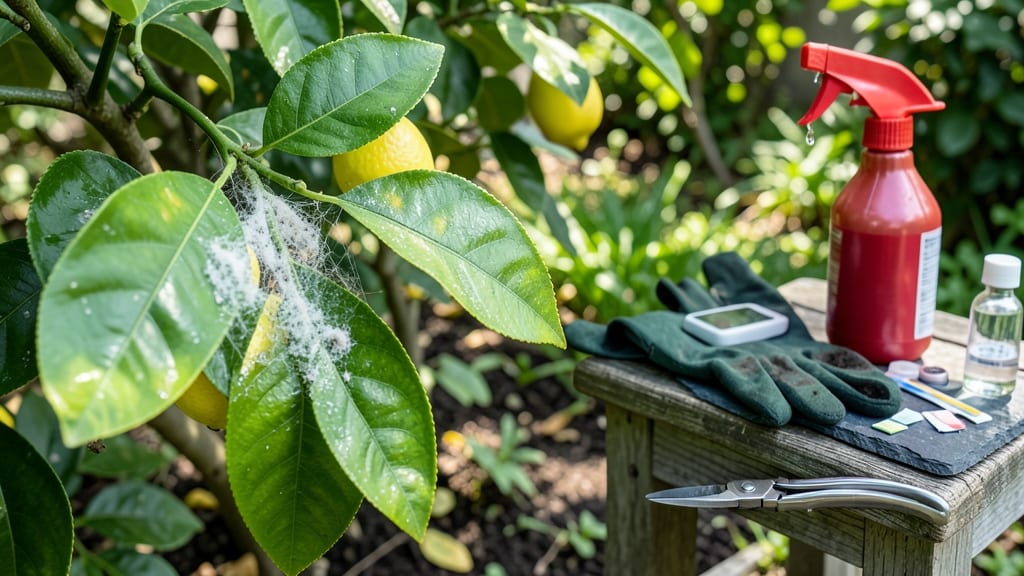
Your citrus tree’s yellowing leaves aren’t just old age—it’s fungus, and neem oil + copper soap can turn them back to vibrant green in weeks. 🌱 I’ve battled leaf spot on my Meyer lemon and learned the hard way that waiting too long means pruning half the tree.
The good news? These two ingredients stop the spread and rebuild the plant’s defenses.
Fungus thrives when leaves stay wet too long, so watering at the base—not overhead—and spacing trees for airflow cuts the problem by 80%. Look for dark spots with yellow halos on new growth; that’s leaf spot, and it spreads faster than you’d think.
My tree went from sad to thriving in just 3 weeks after I adjusted my routine.
You’ll mix neem oil and copper soap in a spray bottle, apply it every 7-10 days during wet seasons, and watch the new leaves push out clean.
The key is consistency—one treatment won’t fix it, but three will. Plus, your tree will taste sweeter because the fruit won’t develop the bitter fungal residue.
Works for all citrus—limes, oranges, even dwarf varieties in pots. The same method stops melanose and scab too. Let’s get that foliage back to glossy perfection before the next rain.
Root Causes Of Citrus Fungus
Citrus trees are prized for their vibrant fruit and lush foliage, but fungal infections can quickly turn their beauty into a sad sight. Understanding why these issues arise is the first step to prevention.
Fungal diseases don’t just appear out of nowhere—they thrive due to specific conditions that create the perfect storm for their growth. Let’s break down the key reasons behind citrus tree fungal outbreaks, so you can tackle them head-on.
Fungal spores love moisture—too much of it, in fact. When citrus trees sit in soggy soil for extended periods, their roots struggle to breathe, and excess water creates the ideal environment for fungal pathogens like Phyllosticta (a common cause of citrus leaf spot).
- Why it happens: Overwatering keeps the soil saturated, preventing it from drying out between waterings. Fungal spores in the soil or on leaves germinate rapidly in these conditions, leading to infections.
- Actionable fix:
- Ensure your citrus tree is planted in well-draining soil (sandy loam works best).
- Avoid watering on a schedule—check soil moisture first. Stick your finger 2-3 inches into the soil; if it’s damp, wait before watering again.
- Use raised beds or containers if your native soil drains poorly.
Citrus trees need airflow to stay healthy, but dense foliage or nearby plants can trap humidity against the leaves. High humidity (above 75%) combined with little airflow creates a greenhouse effect, allowing fungal spores to spread like wildfire.
- Why it happens: Fungal diseases like Melanose (another citrus scourge) thrive in stagnant, humid air. Spores land on leaves and fruit, germinate, and multiply when conditions are just right.
- Actionable fix:
- Prune your citrus tree regularly to improve airflow. Remove dead, diseased, or overcrowded branches.
- Space trees at least 8-10 feet apart to reduce humidity buildup.
- Use a fan on low speed near the tree (especially in greenhouses or indoor growing setups) to circulate air.
Fungal infections often spike during warm, wet seasons—think spring rains followed by summer heat. However, sudden temperature swings (like cold snaps in winter) can also weaken citrus trees, making them more susceptible to fungal attacks.
- Why it happens:
- Warm, wet weather: Fungal spores germinate faster in temperatures between 70°F and 85°F (21°C–29°C) with high humidity.
- Cold stress: Freezing temperatures damage leaves and bark, creating entry points for pathogens.
- Actionable fix:
- Monitor weather forecasts and adjust watering schedules during rainy seasons to avoid over-saturation.
- Mulch around the base of the tree to regulate soil temperature and reduce stress.
- In colder climates, protect young trees with frost cloth or move potted citrus indoors during winter.
A citrus tree with a compromised immune system is like an open invitation for fungi. Poor nutrition, pest damage, or physical injury can leave trees vulnerable to infections.
- Why it happens:
- Nutrient deficiencies: Lack of nitrogen, zinc, or magnesium weakens leaves, making them easier targets for fungi.
- Pest damage: Insects like aphids or scale can create wounds while also spreading fungal spores.
- Physical injury: Pruning cuts, hail damage, or even bird pecks provide entry points for pathogens.
- Actionable fix:
- Fertilize regularly with a balanced citrus-specific fertilizer (high in nitrogen early in the season, then shift to potassium for disease resistance).
- Inspect trees weekly for pests and treat infestations immediately with neem oil or insecticidal soap.
- Sterilize pruning tools with rubbing alcohol between cuts to prevent spreading disease.
Fungal spores are sneaky—they can hitch a ride on dirty tools, fallen leaves, or even old mulch. If you’re not careful, you might unknowingly spread infections from one part of your garden to another.
- Why it happens: Spores from infected leaves or soil can cling to pruners, rakes, or even your shoes. When you move these tools to healthy plants, the spores get a free ride to new hosts.
- Actionable fix:
- Clean tools with a 10% bleach solution or rubbing alcohol after each use.
- Remove and dispose of (don’t compost) fallen leaves or fruit showing signs of fungus.
- Avoid working around citrus trees when they’re wet—spores splash more easily in damp conditions.
By addressing these root causes, you’ll create an environment where citrus trees can thrive—strong, healthy, and resistant to fungal invaders. The next step? Learning how to treat existing infections effectively. Stay tuned!
Treat & Prevent Citrus Tree Fungus
Fungal infections can turn your citrus tree’s vibrant leaves into a sad, spotted mess—but don’t worry! With the right approach, you can revive your tree and keep future outbreaks at bay.
Below, we break down targeted fixes for common citrus tree fungi (like leaf spot, anthracnose, and greasy spot) and share proactive prevention tips to protect your harvest.
Cause: Overhead watering, humid conditions, or weak tree health invite fungal spores to thrive. Solution:
- 🔥 Prune Infected Leaves
- Remove yellowed, spotted, or crinkled leaves with clean, sharp pruners. Dispose of them in the trash (not compost).
- Pro Tip: 💡 Sterilize pruners with rubbing alcohol between cuts to prevent spreading spores.
- 🍳 Apply Fungicide Sprays
- Neem oil + copper soap mix (1 tsp neem oil + 1 tbsp copper soap per gallon of water) is a natural powerhouse.
- Spray early morning or late evening to avoid burning leaves in sunlight.
- Repeat every 7–10 days until new growth appears.
- 🌡️ Improve Airflow & Drainage
- Thin out dense foliage to reduce humidity near the tree.
- Ensure pots have drainage holes and soil isn’t soggy.
Cause: Wet foliage, poor sanitation, or stressed trees (from drought or overwatering). Solution:
- 👨🍳 Clean Up Debris
- Rake and remove fallen leaves, fruit mummies, and mulch from under the tree.
- Pro Tip: ✨ Solarize old mulch by leaving it in a black plastic bag for 2 weeks to kill spores.
- 🔪 Use Baking Soda Spray (Early Stage)
- Mix 1 tbsp baking soda + 1 tsp dish soap + 1 gallon water. Spray weekly for 4–6 weeks.
- Works best on young infections—combine with neem oil for stubborn cases.
- ⏰ Adjust Watering Habits
- Water at the base (not overhead) and early in the day so leaves dry quickly.
- Avoid late-night watering, which traps moisture and fuels spores.
Cause: High humidity + poor airflow (common in citrus groves or greenhouses). Solution:
- 🌿 Boost Tree Health
- Feed with balanced citrus fertilizer (high in nitrogen) in spring to strengthen leaves.
- Pro Tip: 💪 Add compost or worm castings to soil for natural resistance.
- 🥘 Copper-Based Fungicides
- Use copper fungicide (like Cupric Hydroxide) every 2 weeks during rainy seasons.
- For organic growers: Try potassium bicarbonate spray (1 tbsp per gallon).
- 🌡️ Reduce Leaf Wetness
- Install drip irrigation or soaker hoses to keep foliage dry.
- If growing in pots, space trees 3–4 feet apart for airflow.
| Task | When | Why It Works |
|---|---|---|
| Prune for airflow | Early spring | Reduces humidity hotspots |
| Sterilize tools | Before/after pruning | Stops cross-contamination |
| Test soil pH | Fall | Aim for 6.0–7.0 (fungi love acidic soil) |
| Mulch properly | Spring | Keep mulch 3–4 inches away from trunk |
| Monitor weather | Rainy seasons | Act fast if 3+ days of wet leaves |
Final Note: Consistency is key! Fungal diseases often return if you stop treatments mid-season. Combine fixes (e.g., pruning + fungicide + airflow) for the best results. Your citrus tree will thank you with shiny leaves and juicy fruit! 🍋✨
Frequently asked questions
How do I tell if my citrus tree has fungus?
Look for dark spots with yellow halos on leaves, blackened stems, or powdery white growth. Early signs include leaf yellowing or premature leaf drop. Check both upper and lower leaf surfaces—fungus often starts on undersides where moisture lingers.
Can I still harvest fruit from a tree with fungus?
Only if the fruit itself shows no signs of infection (like dark spots or mold). Remove any infected fruit immediately—it spreads spores. For severe cases, wait until the tree recovers before harvesting to ensure safety and quality.
How often should I apply neem oil for prevention?
Every 4-6 weeks during growing season (spring-fall) is ideal. For active infections, spray every 7-10 days until symptoms disappear. Always mix with water and apply in the evening to avoid leaf burn.
Will copper soap harm beneficial insects?
Yes, it can harm bees and other pollinators. Apply only when flowers aren't open, and avoid spraying during peak pollination hours. For safer options, use neem oil alone or potassium bicarbonate sprays instead.
Can I use household vinegar as a fungicide?
Undiluted vinegar can burn leaves, but a 1:1 vinegar-water mix (sprayed in the evening) may help. For best results, combine with a drop of dish soap. Test on a small leaf first to check for sensitivity.