
Diseases
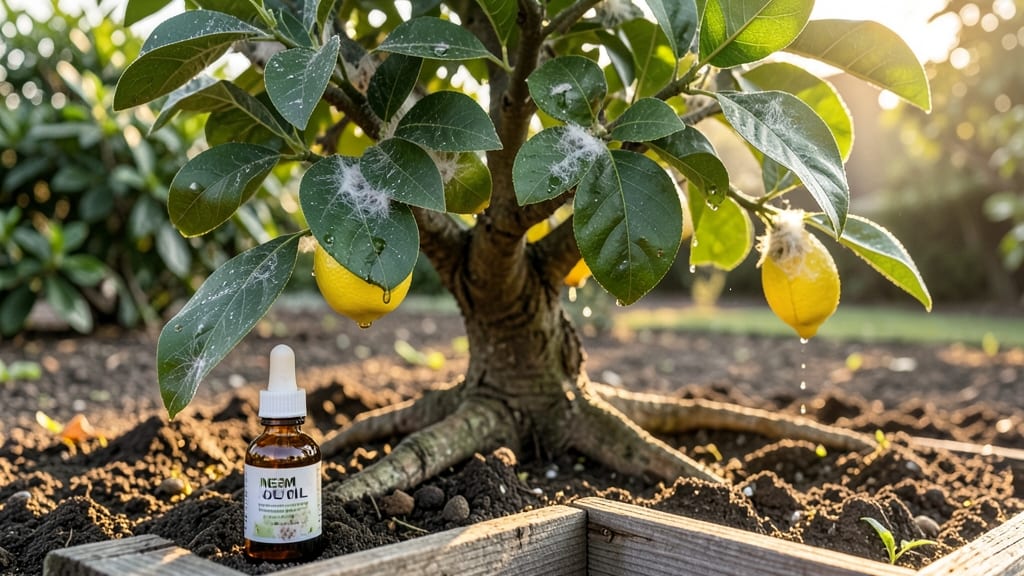
White fungus on your lemon tree leaves can signal serious disease—but early identification and organic treatments can save your plant. These 10 common white fungal issues, their causes, and natural cures will help you restore your tree’s health without harsh chemicals.
Powdery Mildew on Lemon Tree Leaves
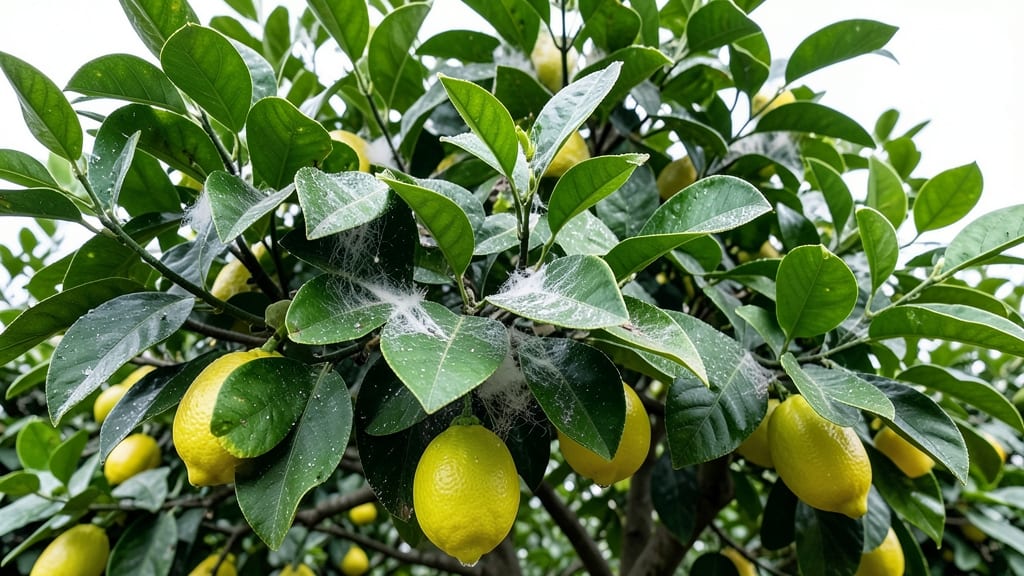
That fine, white powder dusting your lemon tree leaves isn’t just dust—it’s powdery mildew, the most common fungal foe for citrus trees in humid climates. This airborne pathogen thrives when temperatures hover between 60-80°F with high humidity, turning your tree’s foliage into a fungal buffet.
To confirm it’s powdery mildew, gently rub an infected leaf—if the white residue comes off like chalk, you’ve got the problem. For treatment, mix 1 tablespoon of organic sulfur with a gallon of water and spray thoroughly (early morning or evening avoids burning leaves). Prevent future outbreaks by spacing plants for airflow and avoiding overhead watering.
This fungus spreads faster than you can say "lemon harvest," so act quickly—your tree’s year-round productivity depends on it. 🌱
White Rust Fungus Identification Guide
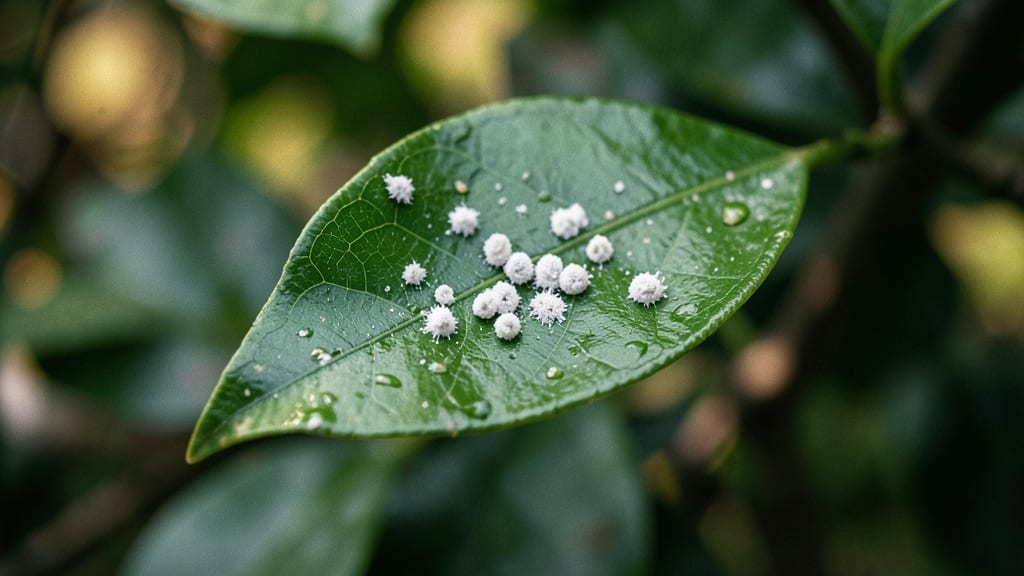
If your lemon tree leaves look healthy on top but have suspicious white bumps on the undersides, you’re likely dealing with white rust fungus—a sneaky but serious threat that thrives in warm, moist conditions. Unlike powdery mildew, this fungus appears as small, pustule-like growths that can weaken leaves and reduce fruit production if left untreated.
To confirm the issue, flip leaves to check for white, blister-like spots that may turn yellow or brown over time. The most effective organic treatments are copper fungicides (like copper soap) and neem oil
This fungus is particularly troublesome for gardeners in humid climates or those who overwater their lemon trees. Early action is key—once established, white rust can spread rapidly, so don’t wait to treat. 🌟
Sooty Mold from Lemon Tree Sap
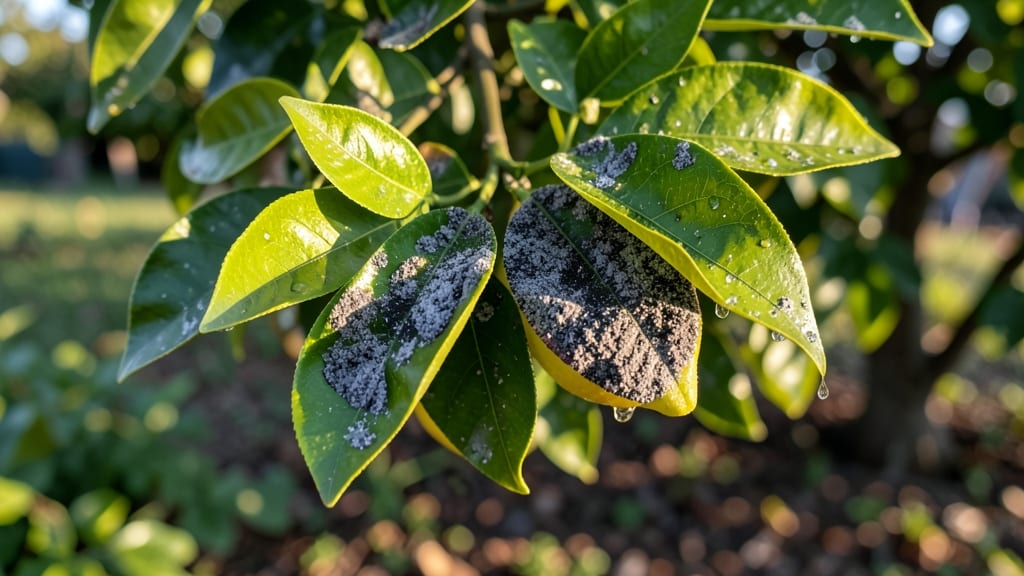
That sticky, blackish-white grime clinging to your lemon tree’s leaves isn’t just dirt—it’s sooty mold, a fungal hitchhiker that thrives on the sugary honeydew left behind by pests like aphids and scale insects. Unlike other white fungi, this one won’t lift off with a wipe; you’ll need to tackle the root cause first.
Start by scraping off visible pests with a damp cloth or spray of soapy water, then apply horticultural oil (like neem or refined oil) to smother remaining insects and disrupt their life cycle. Reapply every 7-10 days until the mold fades—this dual approach stops both the fungus and its food source. Prune heavily infested branches to improve airflow and prevent recurrence.
This issue is especially tricky for container-grown lemon trees or those in shaded areas where pests thrive. Catching it early means your tree can bounce back without losing leaves—or fruit. 💚
Downy Mildew on Young Lemon Leaves
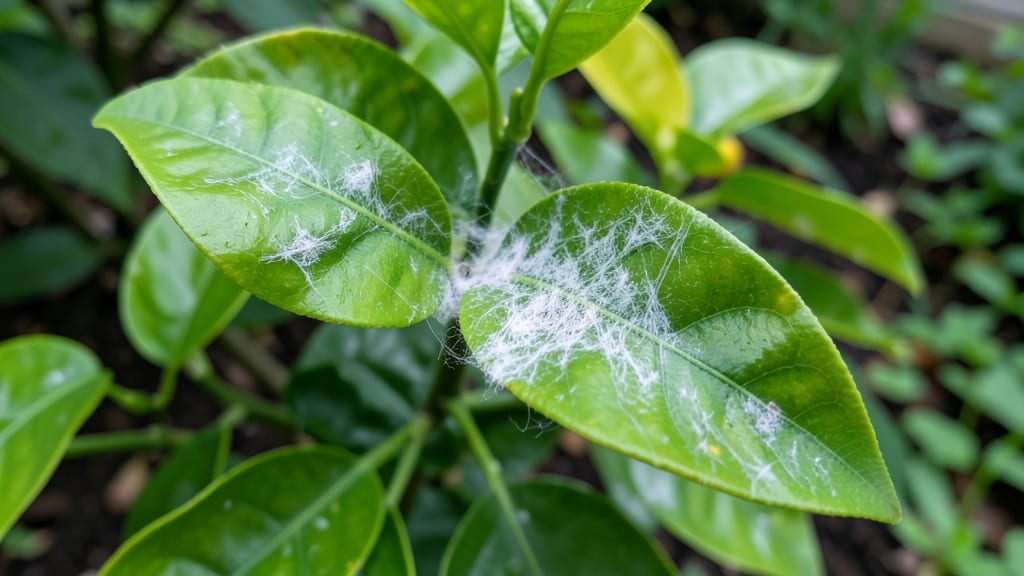
If you’ve noticed a white, fuzzy growth creeping along the undersides of your lemon tree’s newest leaves, you’re likely dealing with downy mildew—a fast-spreading fungal infection that thrives in damp, humid conditions. Unlike powdery mildew, this sneaky invader hides on leaf undersides, making it easy to miss until it’s too late.
To tackle it organically, whip up a simple baking soda spray (1 teaspoon per liter of water) and apply it to both leaf surfaces every 7–10 days. For extra protection, improve airflow around your tree by pruning dense foliage and watering at the base rather than overhead. This fungus spreads quickly in wet climates, so act fast to prevent it from stunting leaf growth or dropping them entirely.
This remedy is perfect for eco-conscious gardeners who want to avoid chemical fungicides while keeping their lemon tree healthy and productive. 🌱
White Mold on Lemon Tree Soil
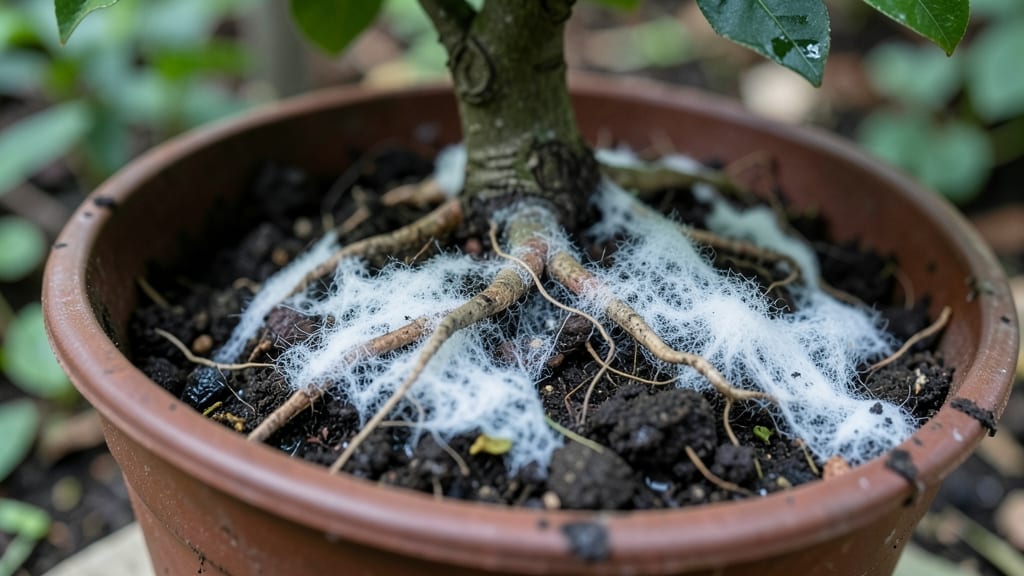
That fluffy white growth clinging to your lemon tree’s soil isn’t just dirt—it’s a white mold thriving on excess moisture and poor drainage, which can strangle your tree’s roots if ignored. Unlike leaf fungi, this soil-based issue often goes unnoticed until roots start rotting.
First, remove the top 1-2 inches of infected soil and discard it (never compost it). Replace it with a mix of well-draining potting soil and compost to restore balance, then adjust your watering schedule to let the top inch dry between waterings. For potted trees, ensure drainage holes are clear and consider adding perlite to improve aeration.
This fix is especially critical for container-grown lemon trees or those in humid climates. By addressing soil moisture levels, you’ll prevent root rot and give your tree the healthy foundation it needs to thrive. 💚
Alternaria Leaf Spot Fungus
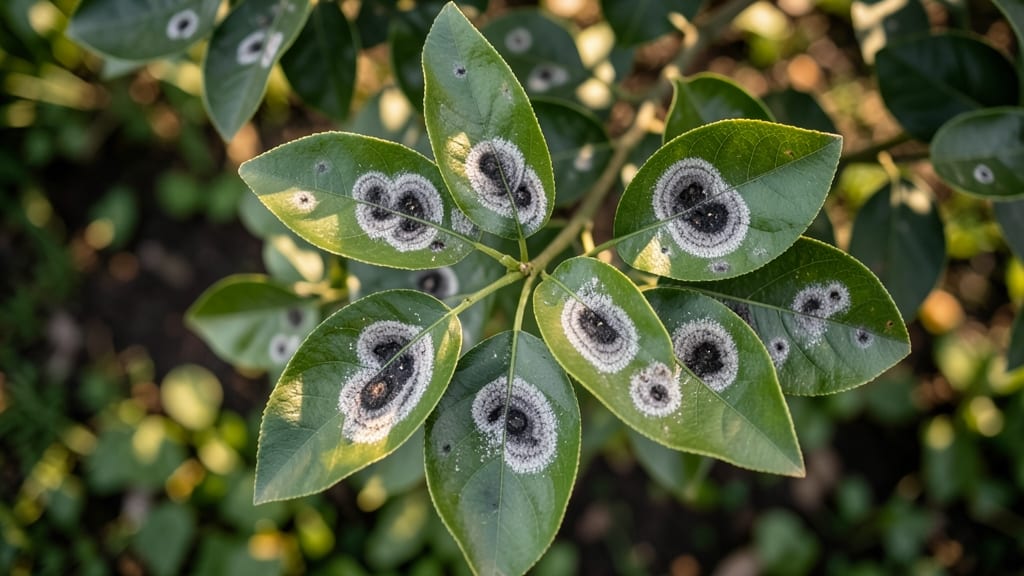
If your lemon tree leaves develop white to grayish spots with dark centers, you’re likely dealing with Alternaria leaf spot fungus—a common but treatable issue in warm, humid climates. Unlike powdery mildew, this fungus creates distinct concentric rings, often spreading quickly if left unchecked.
Start by pruning infected leaves immediately to prevent spores from spreading. Apply a copper-based fungicide (like copper sulfate or copper hydroxide) every 7-10 days until the problem clears—this disrupts the fungus’s life cycle while being safe for organic gardening. Improve airflow around the tree by thinning dense branches and avoid overhead watering to keep leaves dry.
This fungus thrives in high-humidity conditions, so gardeners in tropical or subtropical regions should monitor their trees closely during rainy seasons. Early action is key—once the spots expand, recovery becomes more difficult. 💡
White Fungal Growth on Lemon Fruit
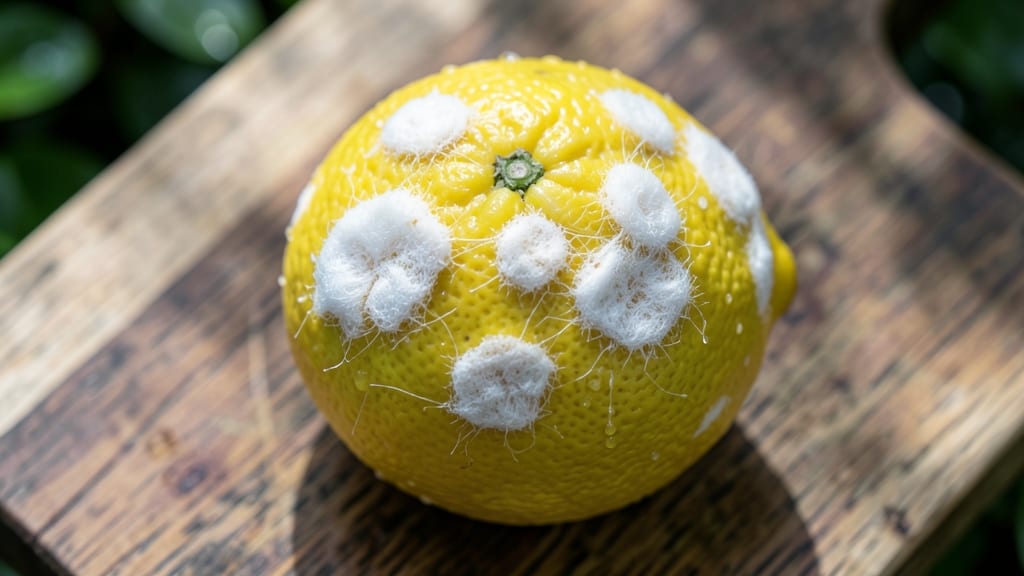
When you spot white, cottony patches on your lemon fruit instead of leaves, it’s a red flag—this rare but serious fungal issue can ruin your harvest if ignored. Unlike other white fungi that target foliage, this growth appears directly on the fruit’s surface, often starting as small fluffy spots that spread quickly in warm, humid conditions.
Act fast by removing infected fruit immediately to prevent spores from spreading to healthy fruit. After cleanup, spray your tree with a 3% food-grade hydrogen peroxide solution (1 part peroxide to 3 parts water) every 7–10 days until the issue resolves. For extra protection, ensure your tree has good airflow and avoid overhead watering during fruit development.
This problem is especially critical for home growers who rely on their lemon tree for fresh fruit—early action can save your entire crop. 🌱
Root Rot Fungus in Lemon Trees
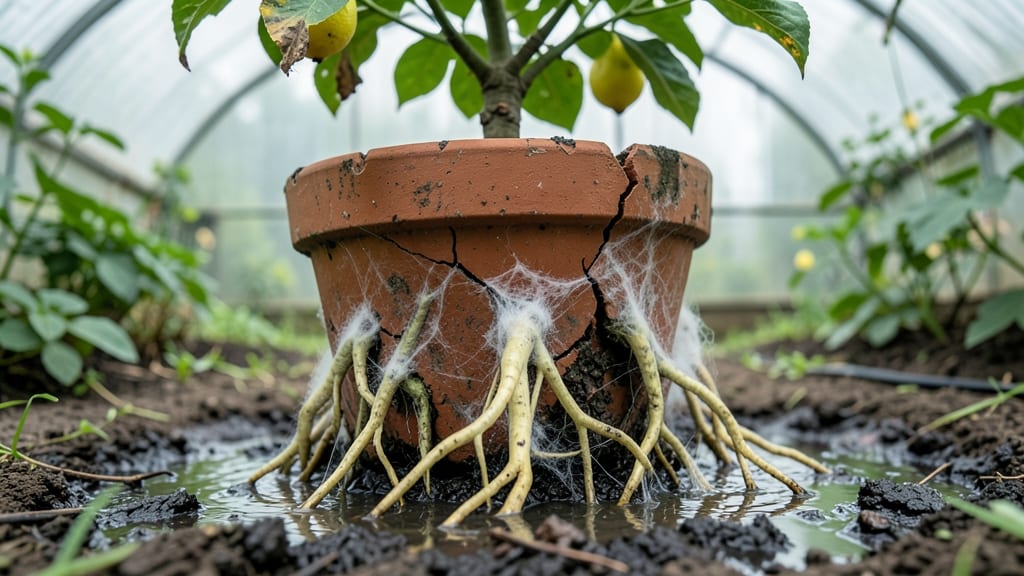
When you spot white, cottony growth clinging to your lemon tree’s roots, it’s a clear sign of root rot fungus—a silent killer that thrives in soggy soil and overwatered containers. Unlike leaf fungi, this issue starts underground, weakening your tree before you even notice the symptoms.
First, gently remove the tree from its pot and inspect the roots. Healthy roots are firm and white, while infected ones appear mushy and coated in that telltale fungal growth. To save your tree, repot it in fresh, well-draining soil (like a cactus mix) and trim away any blackened or mushy roots with sterilized scissors. Reduce watering to once every 7–10 days and ensure the pot has drainage holes—this fungus loves moisture and will return if conditions stay damp.
This problem hits container-grown lemon trees hardest, especially in humid climates or during winter when growth slows. By acting fast and adjusting your watering habits, you can nurse your tree back to health and prevent future outbreaks. 💡
White Fungal Spots on Lemon Tree Trunk
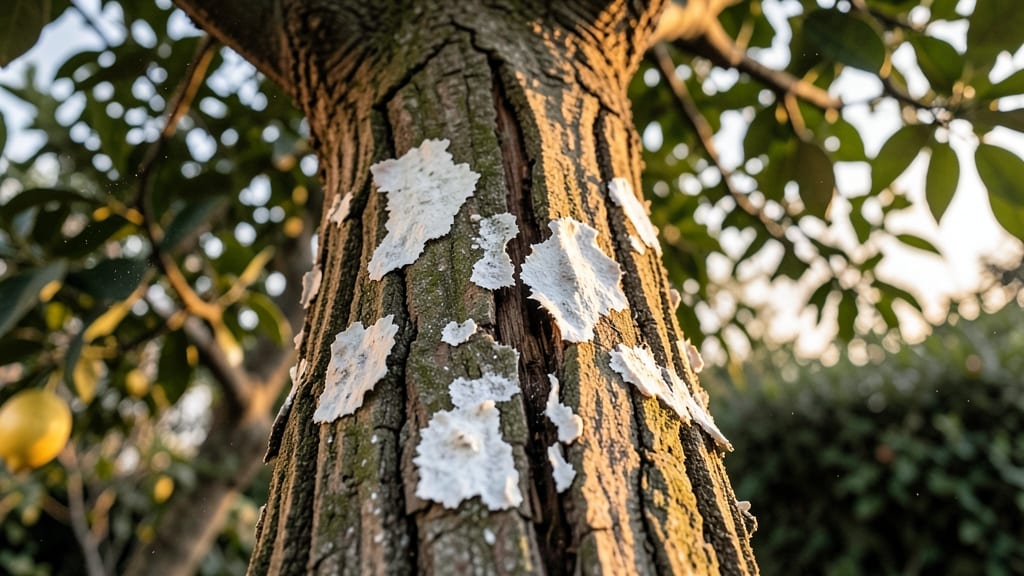
When you spot white, crusty patches on your lemon tree trunk, it’s not just cosmetic—this is canker disease, a stubborn fungal infection that can weaken and even kill your tree if ignored. Unlike leaf fungi that spread quickly, canker thrives in bark wounds and spreads slowly but relentlessly, making early action critical.
Start by pruning infected areas with sterilized pruners (rubbing alcohol works well), cutting at least ½ inch below and beyond the visible white spots to remove all infected tissue. Then, apply an organic lime sulfur spray (1-2% solution) every 2-3 weeks for 4-6 weeks to prevent further spread. This treatment disrupts fungal spores while being safe for the tree when used correctly.
This method is ideal for home gardeners who prefer organic solutions—especially those with mature lemon trees where trunk health is a top priority. Catching canker early means your tree can bounce back strong! 💪
Preventing White Fungus with Neem Oil

If you’ve battled white fungus on your lemon tree before, you know how quickly it can take over—especially during those humid summer months. The key to stopping it before it starts? A neem oil treatment, which doesn’t just mask the problem but actively disrupts fungal spores before they germinate.
Mix 1 teaspoon of neem oil with 1 quart of water and a dash of mild soap (to help it stick). Spray the solution thoroughly on both sides of leaves and the trunk every two weeks during peak fungal season. For extra protection, repeat after heavy rains. This organic barrier works best when applied preventatively, but it’s also effective on early-stage infections.
Neem oil is perfect for gardeners who prefer chemical-free solutions or have pets and kids around—it’s safe once dry and won’t harm beneficial insects. Start using it now, and you’ll see fewer fungal outbreaks next season. ✨