
Pruning
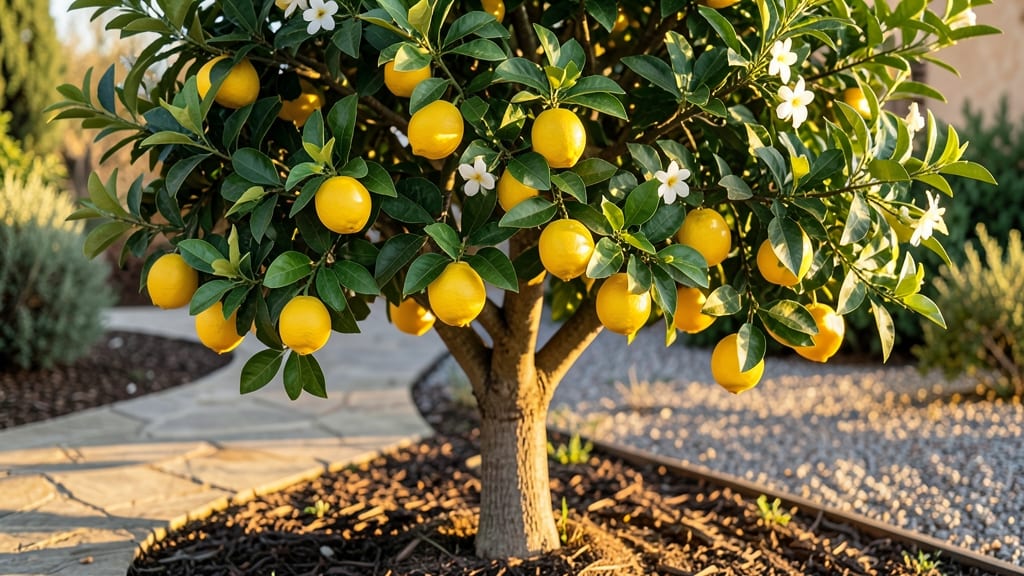
Lemon trees thrive best in temperatures between 60°F to 85°F (15°C to 29°C), with peak growth occurring in the 70°F to 80°F (21°C to 27°C) range. They can handle short cold snaps down to 30°F (-1°C) but will suffer permanent damage if exposed to 28°F (-2°C) or below. Extreme heat above 95°F (35°C) causes stress, so shade and proper hydration become critical.
Understanding your lemon tree's ideal temperature range is key to maximizing fruit production and overall health. 🌡️ The sweet spot between 70°F and 80°F isn't just about comfort—it's when photosynthesis works most efficiently, leading to vibrant foliage and abundant blooms.
Below 60°F, growth slows dramatically, while temperatures above 85°F can cause leaf drop and fruit drop. What's fascinating is how citrus trees use these temperature cues to trigger flowering cycles—typically in spring when nights cool slightly after warm days.
This natural rhythm explains why lemons often ripen in late summer or fall, depending on your climate zone.
If you're growing lemons in less-than-ideal conditions, don't panic—there are smart ways to create microclimates. For cold snaps, I recommend wrapping the tree in frost cloth or moving potted varieties indoors near a sunny window.
In scorching heat, afternoon shade and consistent moisture (but not soggy soil) work wonders. The goal is to mimic those perfect 70°F days while protecting the tree from sudden swings that disrupt its delicate balance.
💡 In This Article
- How Temperature Affects Lemon Tree Growth and Fruit Production
- Protecting Lemon Trees in Extreme Heat or Cold Climates
How temperature affects lemon tree growth and fruit production
Lemon trees rely on a delicate temperature balance to trigger their biological processes. At the cellular level, photosynthesis peaks between 70°F to 80°F (21°C to 27°C), where chlorophyll production and energy conversion are most efficient.
Below 60°F (15°C), enzymes that drive photosynthesis slow down, causing stunted growth and smaller leaves. The tree's metabolic rate drops by about 10% for every 5°F (3°C) decrease—this is why lemons grown in cooler climates often take 2-3 years longer to bear fruit compared to their tropical counterparts.
The magic happens during flowering when temperatures play a crucial role in pollination success.
Lemon trees need 55°F to 65°F (13°C to 18°C) nighttime temperatures for about 2-3 weeks to trigger blooming, followed by 75°F to 85°F (24°C to 29°C) daytime warmth to ensure pollinators like bees are active. 🌸 What's interesting is that extreme heat above 90°F (32°C) during flowering can cause buds to drop before opening, while cold snaps below 50°F (10°C) can sterilize pollen, reducing fruit set by up to 40%.
This explains why lemons in Mediterranean climates often produce more consistently than those in hot desert regions.
Fruit development is equally temperature-sensitive. Young lemons need 70°F to 80°F (21°C to 27°C) to grow properly, but as they mature, they can tolerate slightly cooler conditions.
However, temperatures below 55°F (13°C) during ripening cause the fruit to become bitter and seedy, while prolonged exposure above 95°F (35°C) leads to sunburn and premature dropping.
The tree's natural defense mechanism kicks in during heat stress by producing more wax on leaves, which can make them appear dull and reduce photosynthesis efficiency by 15-20%.
Seasonal temperature patterns also influence lemon tree dormancy cycles. In colder climates, trees enter a light dormancy when nights drop below 50°F (10°C), conserving energy for spring regrowth. This dormancy period is crucial for building reserves that fuel next year's flowering.
What most growers don't realize is that sudden temperature fluctuations—like a 10°F (6°C) drop in 24 hours—can shock the tree, causing leaf scorch and reduced fruit quality. This is why gradual acclimation is key when moving potted lemon trees between indoor and outdoor environments.
For container-grown lemons, temperature control becomes even more critical. The compact root system heats up 5-10°F warmer than surrounding air on sunny days, creating a microclimate that can stress the plant.
Using light-colored containers reflects 20-30% more sunlight than dark pots, while adding 2-3 inches of mulch helps regulate soil temperature by reducing daily swings. This simple adjustment can improve fruit production by up to 25% in hot climates.
One fascinating adaptation is how lemon trees manage heat stress through a process called "transpirational cooling." When temperatures exceed 90°F (32°C), the tree opens its stomata wider to release water vapor, which cools the leaves by up to 5°F (3°C).
However, this comes at a cost—water loss increases by 30-40%, requiring 20-30% more frequent watering during heatwaves. This is why overhead misting systems can be effective in arid regions, providing both cooling and humidity that citrus trees thrive in.