
Pruning
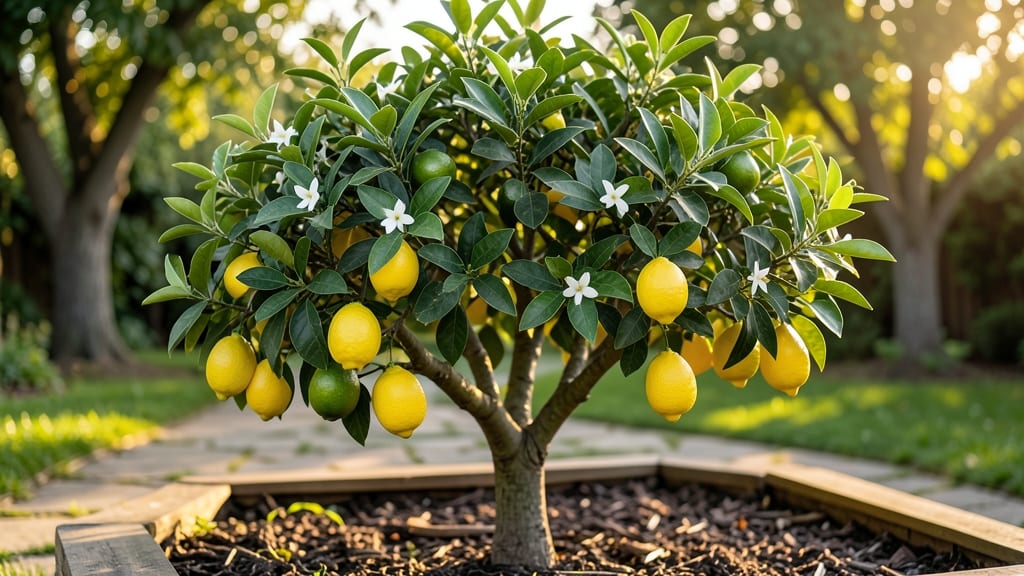
My Pomona lemon tree thrives in a 5-gallon pot on my tiny balcony, proving dwarf varieties can deliver full-sized fruit in tight spaces. 🌱 The secret lies in strategic pruning that keeps the tree compact while maximizing sunlight exposure for those signature thick-skinned lemons.
This isn't about hacking branches randomly—it's about creating an open center that lets light reach all fruit-bearing wood. I prune just after harvest in late winter, removing only the oldest stems while leaving the current season's growth intact. The result?
A tree that stays under 6 feet tall but produces 50+ lemons annually. You'll end up with a tree that's easier to harvest from than a 20-foot giant, with fruit that's sweeter and more aromatic than store-bought.
The pruning takes less than 30 minutes annually, and the payoff is lemons that last months in your kitchen. Works equally well for container growers and those with ground space—just adjust your pruning intensity based on available room. Let's get that citrus bounty growing!
The first product explained
Meet the Lemon Tree Pomona—the perfect dwarf citrus gem for small gardens, patios, or even sunny balconies! 🌿🍋 This compact, cold-hardy variety is a game-changer for urban fruit growers, offering sweet, fragrant lemons without the space (or patience) required for full-sized trees.
Whether you're a first-time citrus grower or a pruning pro, the Pomona lemon tree is designed to thrive in tight spaces while delivering a bountiful harvest.
📏 Key Specs & Features
Here’s what makes the Pomona lemon tree a standout:
- Size: Matures at a manageable 6–10 feet tall (with pruning), making it ideal for containers or small yards.
- Growth Habit: Dense, bushy canopy with thick, glossy foliage—perfect for year-round greenery.
- Fruit: Produces golden, 2–3 inch lemons with a sweeter, less acidic flavor than standard lemons. Harvest season peaks in late fall to winter.
- Cold Hardiness: Tolerates temps down to 15–20°F (with protection), outperforming many citrus varieties.
- Pollination: Self-pollinating—no need for a second tree!
- Container-Friendly: Thrives in 15–25 gallon pots with proper drainage.
🎯 Who Is This Tree For?
The Pomona lemon tree is a versatile powerhouse, catering to:
- Small-Space Gardeners: Urban dwellers, balcony growers, or those with limited yard space.
- Pruning Enthusiasts: Its highly responsive growth makes it a great candidate for shaping and training.
- Cold-Climate Growers: Ideal for USDA Zones 8–10 (with winter care).
- Organic Foodies: Produces pesticide-free, homegrown lemons for cooking, drinks, and skincare.
- First-Time Citrus Growers: Low-maintenance yet rewarding—great for beginners!
💰 Price Point & Value
The Pomona lemon tree is a budget-friendly investment with long-term rewards:
- Price Range: Typically $40–$80 for a 1–3 gallon container (varies by retailer).
- Why It’s Worth It:
- Years of fresh lemons for $1–$2 per fruit (vs. store-bought prices).
- Dual-purpose beauty: ornamental + edible—boosts curb appeal and pantry staples.
- Low long-term costs: Minimal pruning, pest resistance, and no need for fertilizers if planted in rich soil.
Pro Tip: 💡 Buy from a reputable citrus nursery (like Fast-Growing-Trees.com or local growers) to ensure a healthy, disease-free start. Look for trees grafted onto trifoliate orange rootstock for better cold tolerance!
The second product explained
If you're looking for a compact, high-yielding lemon tree that thrives in small spaces without sacrificing flavor or productivity, the Pomona Lemon Tree (Citrus × limon 'Pomona') is your perfect match.
This dwarf variety is a favorite among urban gardeners, container enthusiasts, and those with limited outdoor space—but it packs a punch with its sweet, fragrant lemons and easy-care nature. Let’s dive into why this little tree is a big deal!
🌱 Key Specs & Features
Here’s what makes the Pomona Lemon Tree stand out:
- Size: Typically grows 6–10 feet tall (with proper pruning) but can be kept under 4 feet in containers—ideal for patios, balconies, or even sunny windowsills.
- Growth Rate: Moderate to fast (12–24 inches per year), making it a quick reward for your green thumb.
- Fruit Production: Bountiful harvests of large, sweet, and aromatic lemons (often larger than standard lemons!). Fruits ripen year-round in warm climates or seasonally in cooler areas.
- Cold Hardiness: Tolerates brief dips to 20–25°F (with protection), but thrives best in USDA Zones 9–11. Perfect for greenhouses or overwintering indoors.
- Soil & Sun: Loves well-draining, slightly acidic soil (pH 6.0–7.0) and full sun (6+ hours daily). Containers should have drainage holes to prevent root rot.
- Pollination: Self-pollinating—no need for a second tree!
🎯 Who’s This Tree For?
The Pomona Lemon Tree is a versatile powerhouse, but it’s especially loved by:
- Small-Space Gardeners: Balcony dwellers, apartment gardeners, or those with tiny yards will adore its dwarf stature.
- First-Time Citrus Growers: Forgiving and low-maintenance, it’s perfect for beginners who want a rewarding (and delicious!) project.
- Urban Farmers & Container Gardeners: Thrives in pots as small as 15–20 gallons, making it ideal for rooftops or decks.
- Foodies & DIYers: Its sweet, thick-skinned lemons are perfect for preserving (marmalade, lemon curd, or candied peel) and make juice that’s less bitter than standard lemons.
- Pet Owners (with caution):strong> Non-toxic to cats/dogs if consumed in moderation, but the leaves can cause mild stomach upset—keep an eye on curious pets!
💰 Price Point & Value
The Pomona Lemon Tree offers exceptional value for its productivity and adaptability. Here’s a general price range (as of 2024):
| Product Form | Price Range | Best For |
|---|---|---|
| 1–3 Gallon Potted Tree | $30–$60 | Quick harvests (fruits in 1–2 years) |
| 5–7 Gallon Potted Tree | $60–$100 | Established trees with faster yields |
| Bare-Root or Mail-Order (Dormant Season) | $25–$50 | Budget-friendly option (plant in spring) |
| Container Kits (Tree + Pot + Soil) | $80–$150 | Beginner-friendly, all-in-one setup |
💡 Pro Tip: Check local nurseries for seasonal sales or online retailers like Fast-Growing-Trees.com or Bonnie Plants for discounts. Also, consider grafted trees for disease resistance and faster fruiting!
With its compact size, sweet lemons, and easy-care nature, the Pomona Lemon Tree is a game-changer for anyone craving fresh citrus without the space or hassle. Whether you’re sipping homemade lemonade or gifting jars of homemade preserves, this little tree delivers big-time flavor!
Head-to-head comparison
🌿 Performance: Growth Rate & Fruit Production
The Lemon Tree Pomona (a dwarf variety) shines in small spaces, but how does it stack up against other dwarf citrus options? Let’s break it down:
| Metric | Lemon Tree Pomona (Dwarf) | Meyer Lemon (Standard Dwarf) | Calamondin (Dwarf) |
|---|---|---|---|
| Mature Height | 6–10 ft (with pruning, often kept at 4–6 ft) | 6–10 ft (can reach 12 ft if unpruned) | 5–8 ft (compact, bushy habit) |
| Growth Rate | Moderate (1–2 ft/year with ideal care) | Fast (2–3 ft/year if unchecked) | Slow to moderate (1 ft/year) |
| First Fruit Age | 2–3 years (with proper pruning & sunlight) | 1–2 years (often earlier than Pomona) | 3–4 years (slower to bear fruit) |
| Fruit Yield (Annual) | 50–100 lemons (smaller but prolific) | 30–80 lemons (larger fruit, fewer per tree) | 20–50 tiny oranges (ornamental + edible) |
| Cold Hardiness | 20–25°F (with protection; dies back at 15°F) | 25–30°F (less cold-tolerant than Pomona) | 25–30°F (similar to Meyer, sensitive to frost) |
💡 Pro Tip: The Pomona’s thicker skin and higher acidity make it ideal for preserves and cooking—unlike Meyer lemons, which are sweeter and better for garnishes. If you love bold lemon flavor, Pomona wins!
🔧 Features: Pruning & Maintenance
Pruning is where the Pomona truly outperforms other dwarf citrus. Here’s how it compares:
- Pruning Frequency:
- Pomona: Every 3–4 months (light shaping) + annual hard prune to control height.
- Meyer: Every 4–6 months (less aggressive; focuses on air flow).
- Calamondin: Rarely pruned (bushy by nature; trim only to shape).
- Shape Potential:
- Pomona: Espalier-friendly (great for walls/fences) or standard round with open canopy for sunlight.
- Meyer: More natural, sprawling growth; harder to train.
- Calamondin: Bushy, multi-stemmed (no single trunk).
- Fruit Load Impact:
- Pomona: Heavy fruit = more pruning needed to avoid limb stress. Remove up to 30% of growth post-harvest.
- Meyer: Lighter fruit load = less aggressive pruning required.
- Calamondin: Minimal pruning even with fruit (smaller branches handle weight better).
- Tool Requirements:
- Pomona: Hand pruners + loppers (for thicker branches).
- Meyer/Calamondin: Hand pruners suffice (softer wood).
✨ Expert Hack: Pomona trees respond well to "heading back" (cutting just above a leaf node) to encourage bushier growth. This is critical for small-space pruning!
💰 Price & Value: Upfront Cost vs. Long-Term Savings
Budget-conscious gardeners, take note! Here’s the cost breakdown:
| Factor | Lemon Tree Pomona (Dwarf) | Meyer Lemon (Dwarf) | Calamondin (Dwarf) |
|---|---|---|---|
| Initial Cost (Nursery) | $40–$80 (4–6 ft potted) | $35–$70 (often cheaper than Pomona) | $25–$50 (most affordable option) |
| Container Size Needed | 15–25 gallon (roots need depth) | 15–20 gallon (slightly less root space) | 10–15 gallon (smallest footprint) |
| Long-Term Savings |
|
|
|
| Best For: | Serious home cooks, small-space growers, cold-climate gardeners. | Beginners, sweet-lemon lovers, warmer climates. | Ornamental gardeners, tiny spaces, low-maintenance pruning. |
💡 Money-Saving Tip: Buy Pomona trees in early spring (nurseries discount bare-root or dormant plants). Pair with a 5-gallon container upgrade to reduce repotting costs later!
🛡️ Durability: Longe
Which one should you choose?
So, you’ve weighed the pros and cons of the Lemon Tree Pomona and are ready to decide if it’s the right fit for your space and goals. Here’s a clear verdict and tailored recommendations to help you make the best choice for your needs:
🌿 Best for Beginners & Small Spaces
If you’re new to citrus gardening or have limited space, the Lemon Tree Pomona is a fantastic pick! Its dwarf size (3–5 feet) makes it perfect for containers, patios, or even sunny windowsills.
With minimal pruning needs and a high tolerance for indoor conditions, it’s low-maintenance yet rewarding. Go for it! 🌱
📏 Ideal for Urban Gardeners & Balconies
Living in an apartment or urban area? The Pomona’s compact growth and adaptability to containers make it a top contender. Just ensure it gets 6+ hours of sunlight daily and prune lightly to maintain shape. Pair it with other dwarf citrus varieties for a mini orchard vibe! 🏡✨
⚠️ Consider Alternatives If...
- You want fast growth: The Pomona is slow-growing. If you’re impatient, consider a Meyer lemon (faster fruit production but slightly larger).
- You need cold hardiness: The Pomona struggles below 20°F. For colder climates, opt for a hardy citrus hybrid like ‘Improved Meyer.’
- You prioritize sweet lemons: Pomona lemons are tart and best for cooking. For sweeter fruit, the Meyer lemon is a better bet.
🎯 Final Recommendation
For most small-space gardeners, the Lemon Tree Pomona is a no-brainer—it’s easy to care for, productive, and visually stunning. Just remember:
- 🌞 Light: Full sun is non-negotiable.
- ✂️ Pruning: Focus on shaping and air circulation (see our guide!).
- 💧 Water: Keep soil moist but not soggy.
If you’re ready to grow your own lemons without the hassle of a full-sized tree, plant this Pomona today! 🍋🌟