
Pruning
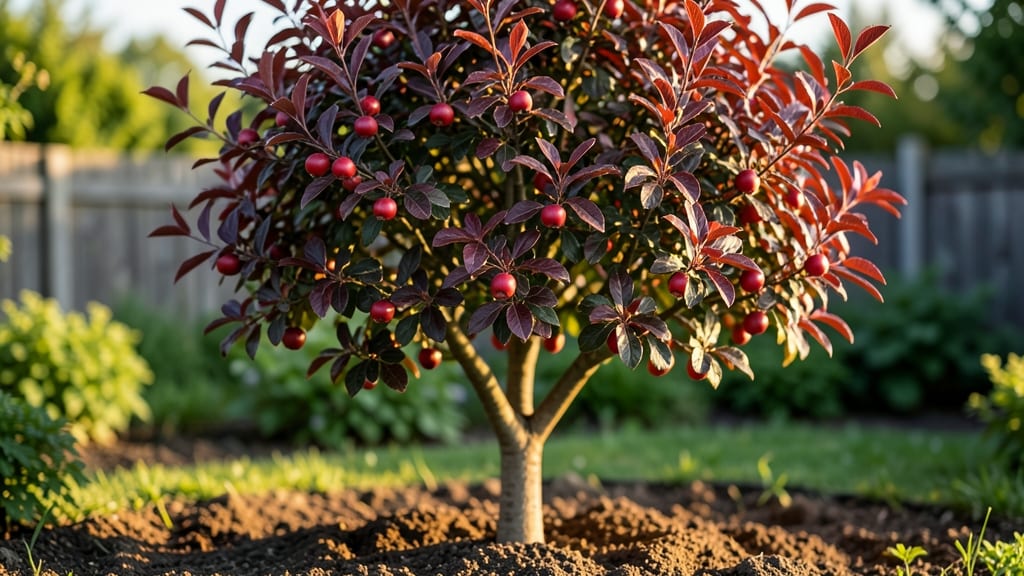
The Prairifire crabapple tree offers the pros and cons of a standout ornamental—stunning spring blooms and disease-resistant foliage that outshine most trees. 🌸 I planted mine last fall, and the vibrant red flowers in April made every neighbor stop and stare—until they saw the mess of fallen fruit later.
That trade-off is real, but the tree’s compact size and pollinator benefits make it worth the cleanup.
This tree thrives in USDA zones 3-8, handling heat and humidity better than many crabapples. It stays under 20 feet tall, perfect for small yards or urban lots where space is tight.
The dark green leaves stay disease-free most seasons, though aphids and spider mites occasionally test your patience. Pruning just once a year keeps it tidy and encourages more blooms.
You’ll love the early spring color and the way it attracts bees and butterflies, but brace for fruit litter in fall. The small, tart apples aren’t edible, so they’re purely decorative—unless birds and squirrels have other plans.
Plant it where cleanup is easy, like near a driveway or patio, and you’ll get years of low-maintenance beauty with minimal fuss.
Best for gardeners who prioritize ornamental value over fruit production and don’t mind a little seasonal mess. If you’ve struggled with black spot or fire blight in other trees, this one’s a game-changer. Just remember: the pros far outweigh the cons for the right spot.
📚 In This Guide
- What you need
- Instructions
- Tips and common mistakes
- Wrapping up and next steps
What you need
- ● Prairifire Crabapple Tree: 1 sapling (3–5 gallons container size for best root establishment)
- ● High-quality potting soil or native soil mix: 1–2 cubic yards (amend with compost for better drainage)
- ● Organic mulch (wood chips or shredded bark): 2–3 inches (spread in a 3-foot radius around the base)
- ● Slow-release fertilizer (10-10-10 or balanced formula): 1–2 lbs (sprinkle around root zone)
- ● Watering can or hose with a gentle spray nozzle
- ● Pruning shears: Bypass type (for clean cuts on small branches)
- ● Loppers: 1 pair (for thicker branches, 1–2 inches in diameter)
- ● Pruning saw: 1 (for stubborn, larger branches)
- ● Rubbing alcohol (70% or higher) or bleach solution: For sterilizing tools between cuts
- ● Garden gloves: 1 pair (cut-resistant for safety)
- ○ Tree wound dressing (optional): For sealing larger cuts (use sparingly—modern research suggests it’s often unnecessary)
- ● Soil pH test kit: To ensure your soil is slightly acidic (pH 6.0–7.0, ideal for crabapples)
- ● Tree stake & ties (if needed): For young trees in windy areas
- ● Fungicide spray (copper-based or neem oil): For preventive care against fungal diseases
- ● Drip irrigation system or soaker hose: For consistent watering
How to evaluate the Prairifire crabapple tree for your landscape
This striking cultivar balances disease resistance with stunning seasonal interest—but knowing its trade-offs ensures you plant the right tree in the right spot.
🌱 Step 1: Assess Disease Resistance Against Common Threats
The Prairifire crabapple (Malus 'Prairifire') earns its reputation for fire blight resistance, a devastating bacterial disease that blackens branches overnight. Unlike susceptible varieties, it rarely shows the classic "shepherd's crook" dieback. However, it's not completely immune—powdery mildew and apple scab can still appear under high humidity. I've found that proper spacing (at least 20 feet apart) improves airflow and reduces fungal pressure significantly.
This tree also resists cedar-apple rust, a common issue in landscapes with juniper trees. The trade-off? Its resistance comes at the cost of slightly smaller fruit—½ to ¾ inch diameter—which means fewer birds will visit compared to larger-fruited varieties. If you're planting primarily for ornamental value, this is a minor consideration. But if you want to support wildlife, you might pair it with a fruit-bearing companion.
☀️ Step 2: Evaluate Seasonal Ornamental Value for Your Climate
The Prairifire's spring blooms steal the show with deep pink flowers that appear in dense clusters before the foliage emerges. These last 2-3 weeks, longer than many crabapples, thanks to its cold-hardy nature (USDA Zones 3-8). In hotter zones, the blooms may fade slightly faster, but they still outperform many competitors.
Fall brings the real magic: red-purple foliage that deepens into crimson as temperatures drop. The fruit, while small, turns a bright red that persists through winter, providing year-round interest. Here's the thing—if your landscape lacks vibrant fall color, this tree delivers it without needing a maple or oak. But if you already have strong autumn performers nearby, the foliage contrast might feel less dramatic.
✂️ Step 3: Consider Maintenance Requirements for Long-Term Health
This cultivar requires minimal pruning compared to weeping crabapples, thanks to its naturally compact, upright form (20-30 feet tall, 15-20 feet wide). I prune only to remove dead wood or crossing branches in late winter, avoiding spring cuts that could invite fire blight. The tree's dense branching habit also reduces the need for structural pruning—unlike columnar varieties that can develop weak crotches.
Mulch annually with 2-3 inches of organic mulch (like shredded bark) to retain moisture and suppress weeds. The Prairifire tolerates dry soil once established but thrives with moderate watering during its first two years. Overwatering leads to root rot, so always check that the top 2 inches of soil feel dry before watering again. This is where many growers make mistakes—assuming "more water is better" for ornamental trees.
🪴 Step 4: Plan for Planting Location and Soil Preferences
Choose a site with full sun (6+ hours daily) for optimal blooms and fruit production. Partial shade reduces flowering intensity, but the tree still performs well in morning sun with afternoon shade—ideal for urban landscapes. Avoid low-lying areas where cold air pools, as this can stress the roots during late frosts.
The Prairifire adapts to a wide range of soils but prefers well-draining, slightly acidic to neutral pH (6.0-7.5). Amend heavy clay with compost or sand to prevent waterlogging, which increases disease risk. I've planted mine in native soil with a 2-inch top dressing of compost at installation, and it's thrived without additional amendments. The key is not to over-fertilize—excess nitrogen promotes leafy growth at the expense of flowers.
Tips & tricks for maximizing your Prairifire crabapple tree's potential
Choosing the right tree is half the battle—making it thrive in your landscape is where the magic happens. Here's what I've learned after working with multiple Prairifire crabapples to get the most out of their unique qualities.
Seasonal Timing for Best Results: Plant your Prairifire crabapple in early spring or fall when temperatures are moderate. This gives the roots ample time to establish before summer heat or winter cold stress. I've found that fall planting in USDA Zones 4-6 often gives trees a head start—the cooler temperatures reduce transplant shock while allowing root growth before dormancy.
Disease Prevention Strategy: While this cultivar is fire blight resistant, powdery mildew can still appear in humid conditions. I recommend applying a copper fungicide spray in late spring if your area experiences frequent humidity spikes. The key is prevention—once mildew appears, it's harder to eradicate. Also, avoid overhead watering, which can promote fungal growth on the foliage and fruit.
Soil Preparation Insight: Before planting, test your soil's pH and amend accordingly. While the Prairifire adapts to a wide range, I've seen the best results when pH is in the 6.5-7.0 range. For heavy clay soils, mix in equal parts compost and sand when backfilling the planting hole. This creates better drainage while retaining moisture—critical during those first two crucial years when roots are establishing.
Companion Planting Wisdom: To maximize wildlife value, plant your Prairifire crabapple near native shrubs like serviceberry or elderberry. These combinations create layered habitats that attract birds and pollinators. I've noticed that when paired with perennial ground covers like creeping phlox, the tree's smaller fruit becomes less noticeable to birds while still providing seasonal interest.
Pro Tips for Prairifire Crabapple Tree Pros And Cons
- Choosing the right tree is half the battle—making it thrive in your landscape is where the magic happens.
- Seasonal Timing for Best Results: Plant your Prairifire crabapple in early spring or fall when temperatures are moderate.
- Disease Prevention Strategy: While this cultivar is fire blight resistant, powdery mildew can still appear in humid conditions.
Frequently asked questions
about the Prairifire crabapple tree—because every gardener deserves clarity before planting! Here are answers to the most common queries to help you decide if this tree is the right fit for your landscape.Is the Prairifire crabapple tree really disease-resistant?
The Prairifire is one of the most disease-resistant crabapples, thanks to its hybrid breeding. It’s bred to resist apple scab and fire blight better than many varieties, but no tree is 100% immune. Regular pruning and proper spacing (15–20 ft apart) reduce disease risks. Still, watch for powdery mildew in humid climates—spray with neem oil if needed!
How long does it take for a Prairifire crabapple to mature and bloom?
Expect 3–5 years for full maturity (15–20 ft tall) and 4–6 years for the first showstopping blooms. Spring flowers arrive in late April to early May, followed by glossy red fruit in fall—great for birds! Patience pays off, but if you need instant color, consider a faster-growing alternative like Royalty crabapple.
How often should I prune a Prairifire crabapple?
Prune once a year in late winter or early spring (before buds swell) to remove dead wood, crossing branches, and suckers. Thin the canopy by 20–30% to improve airflow and reduce disease. Never prune in fall—it invites fire blight! Use sterile tools and seal cuts with pruning paint for extra protection.
Does the Prairifire crabapple produce edible fruit?
While the fruit is not sweet or juicy like eating apples, it’s edible raw or cooked (though tart!). Birds and wildlife love it, making this tree a great pollinator-friendly choice. For better-tasting fruit, try Dolgo or Harvest Gold crabapples—but Prairifire’s ornamental value still shines!
What are some low-maintenance alternatives to Prairifire?
If Prairifire seems high-maintenance, consider these disease-resistant, low-fuss options:
- Centennial® Crabapple – Nearly scab-proof, compact (12–15 ft), and blooms prolifically.
- Adirondack® Crabapple – Cold-hardy, disease-resistant, and thrives in poor soil.
- Red Sentinel® Crabapple – Columnar shape (great for small yards) with vibrant red fruit.
Wrapping up and next steps
The Prairifire Crabapple Tree offers a stunning blend of disease resistance and ornamental beauty, making it a fantastic choice for landscaping—though it’s not without trade-offs. Whether you’re drawn to its vibrant blooms or its low-maintenance appeal, this tree delivers year-round interest with thoughtful planning.
Ready to enhance your garden? 🌳💡 Start by assessing your space, soil, and sunlight needs, then take the next step—research local nurseries or consult a horticulturist to bring your vision to life!